San Cristóbal de las Casas is full of colourful buildings, beautiful churches and street art. But there’s a lot of history here, too. The city was colonised by the Spanish in the 16th century, and the Indigenous Maya communities of Chiapas have a long history of resisting the inequalities that came with it.
That history of resistance continued into the modern day. In 1994, the Zapatista uprising brought international attention to Chiapas, as Indigenous communities demanded greater rights, equality and control over their land.
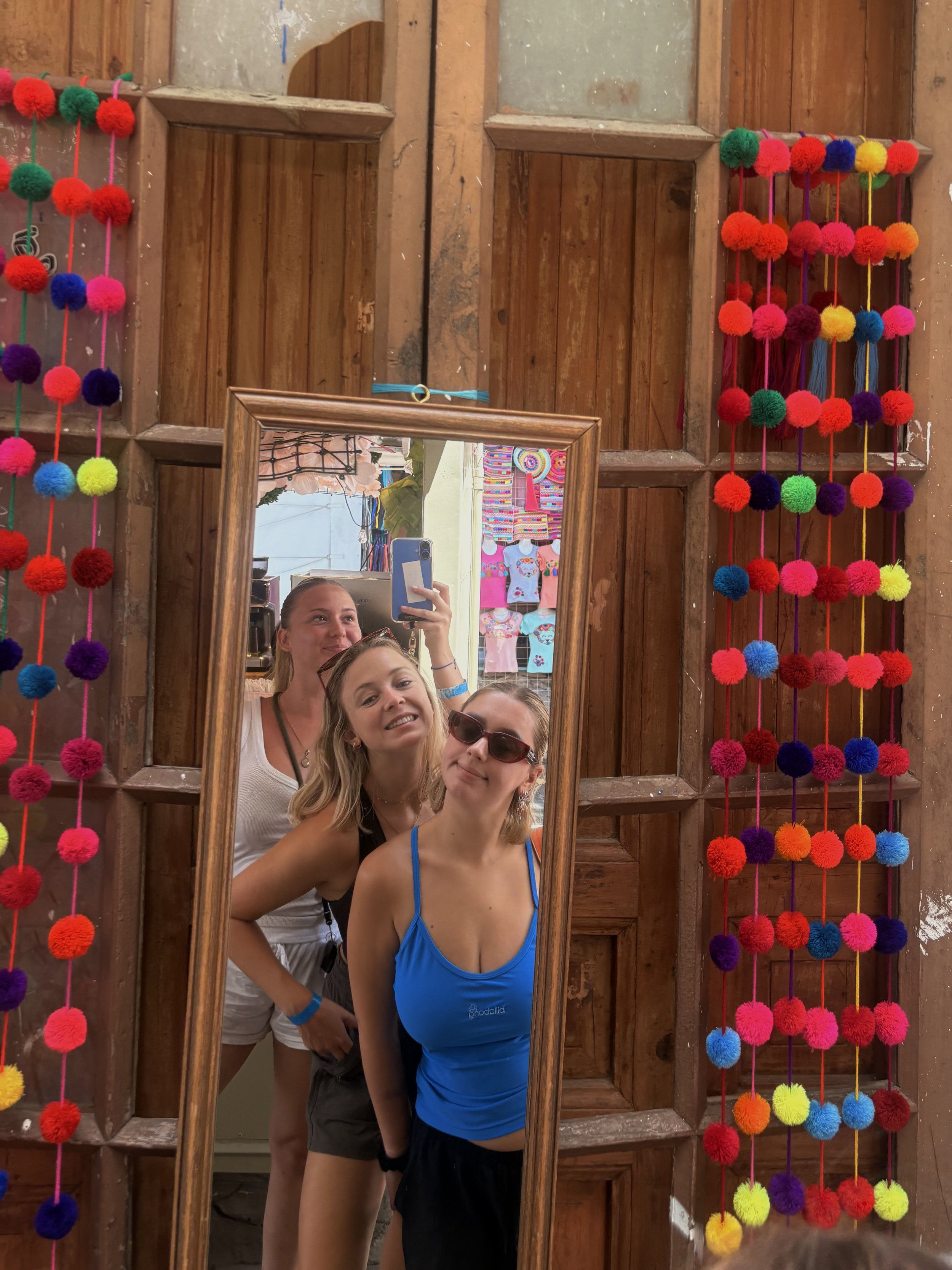
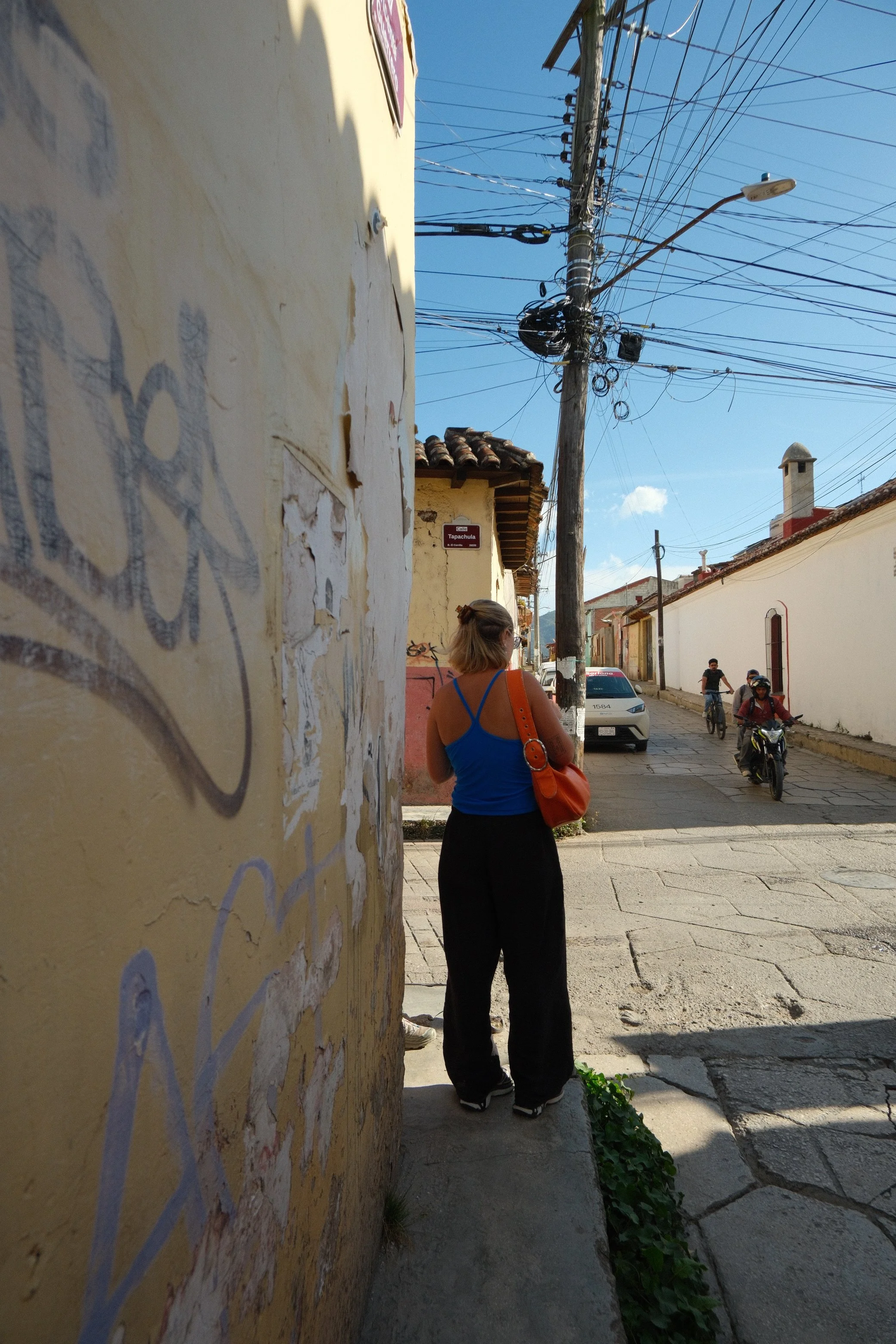
I took the girls on an “Yasmin special” walking tour of the city, to some of the many churches, street art and historic neighbourhoods.
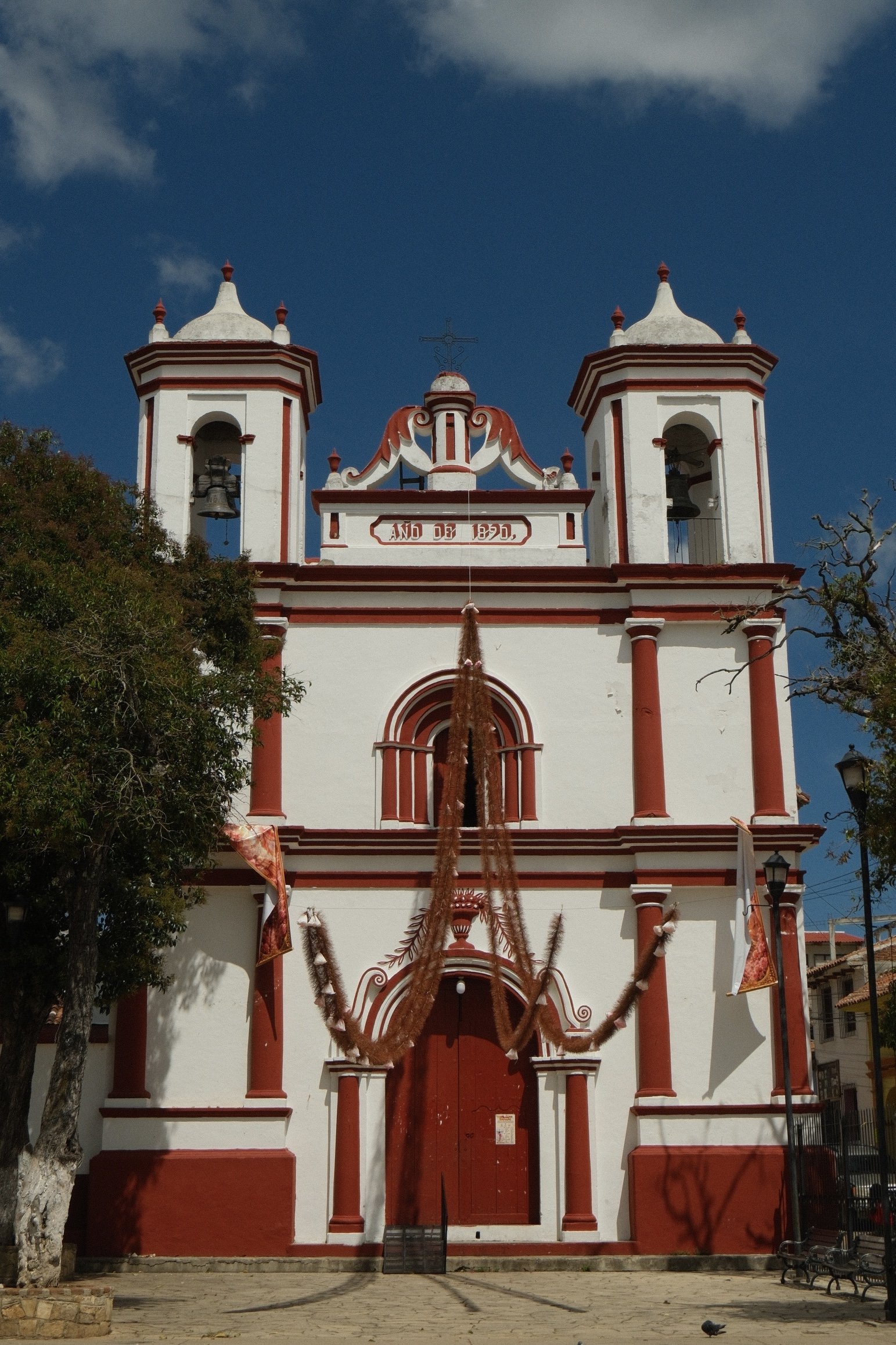
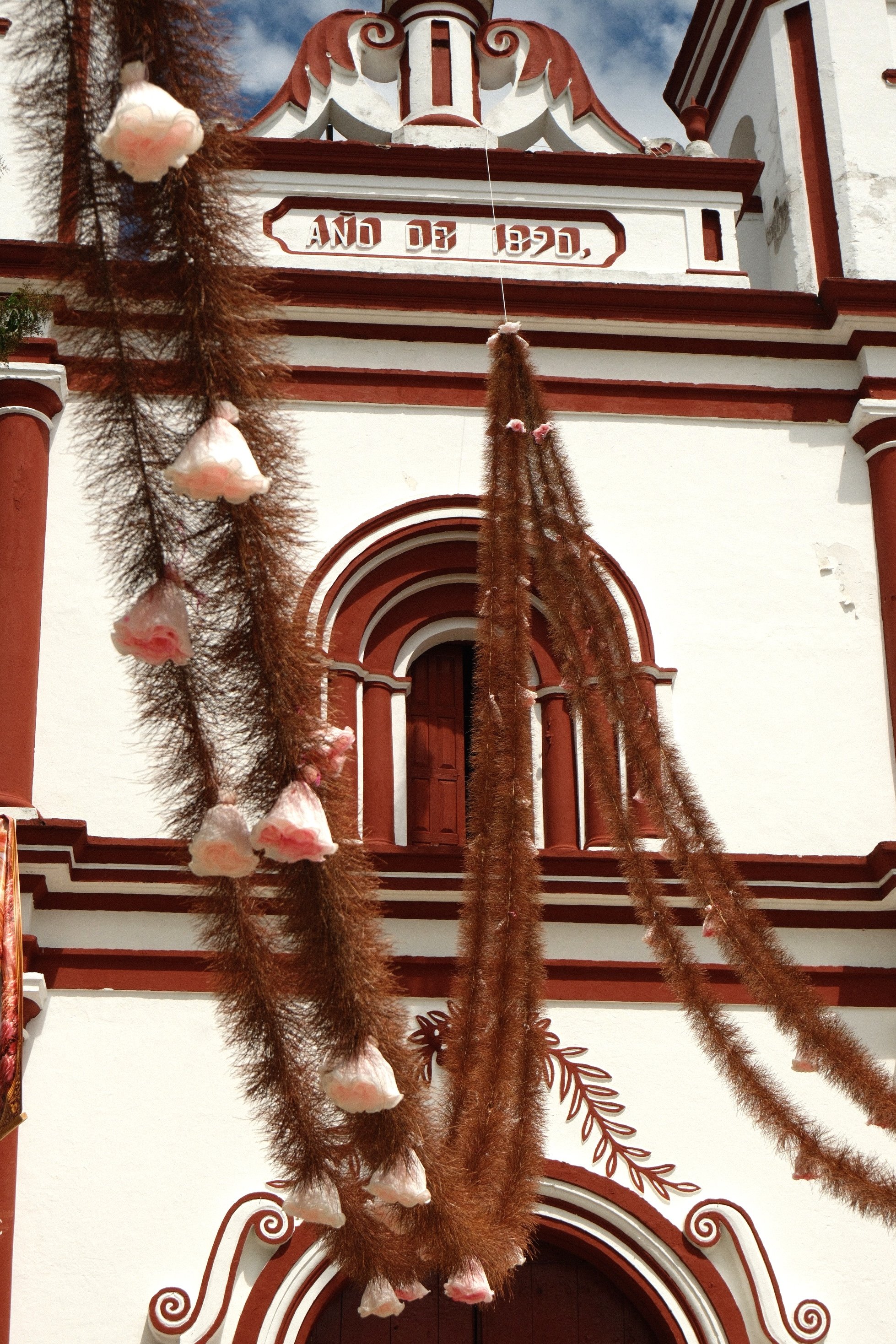
Templo de El Cerrillo
A historic church in one of San Cristóbal’s traditional neighbourhoods.
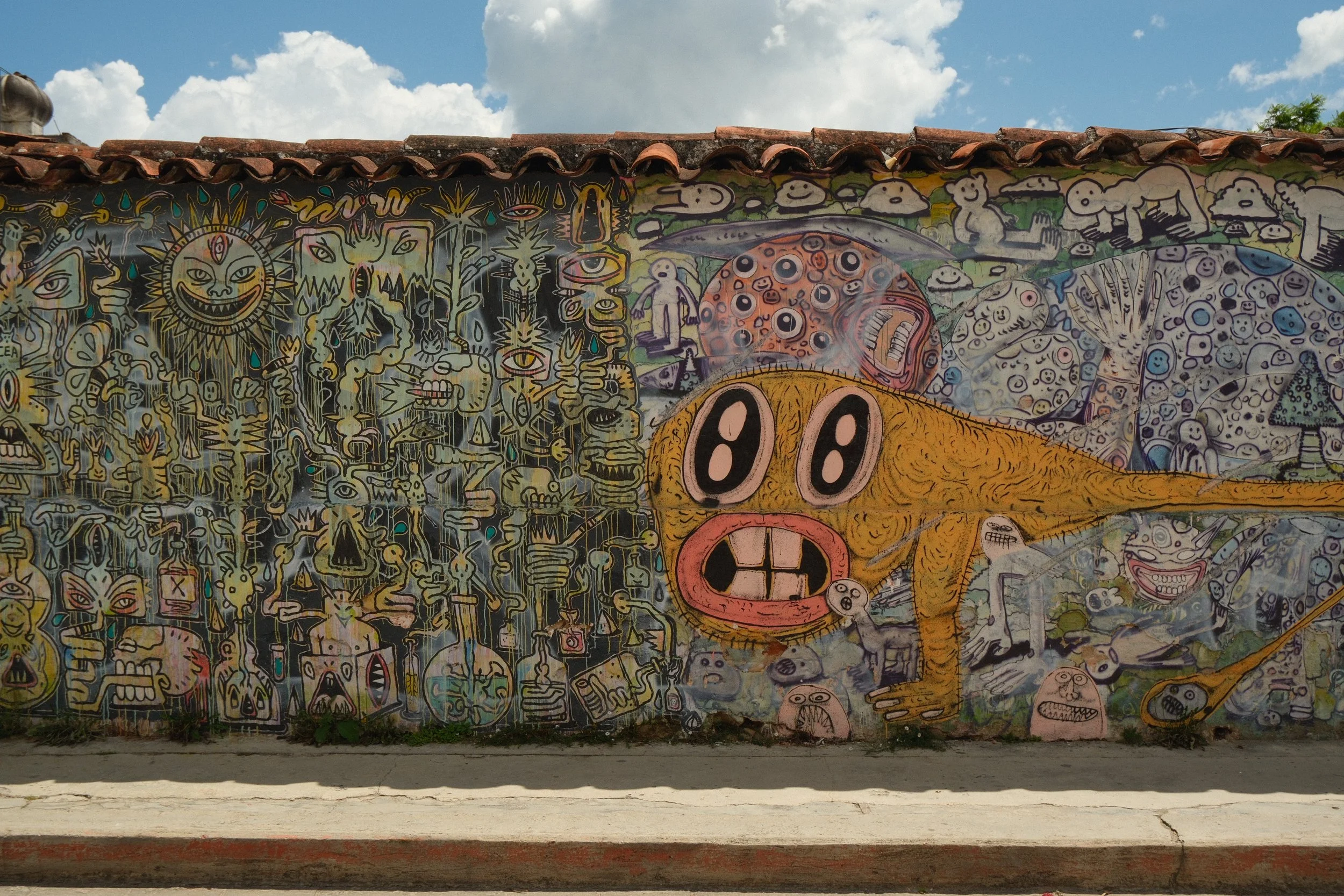
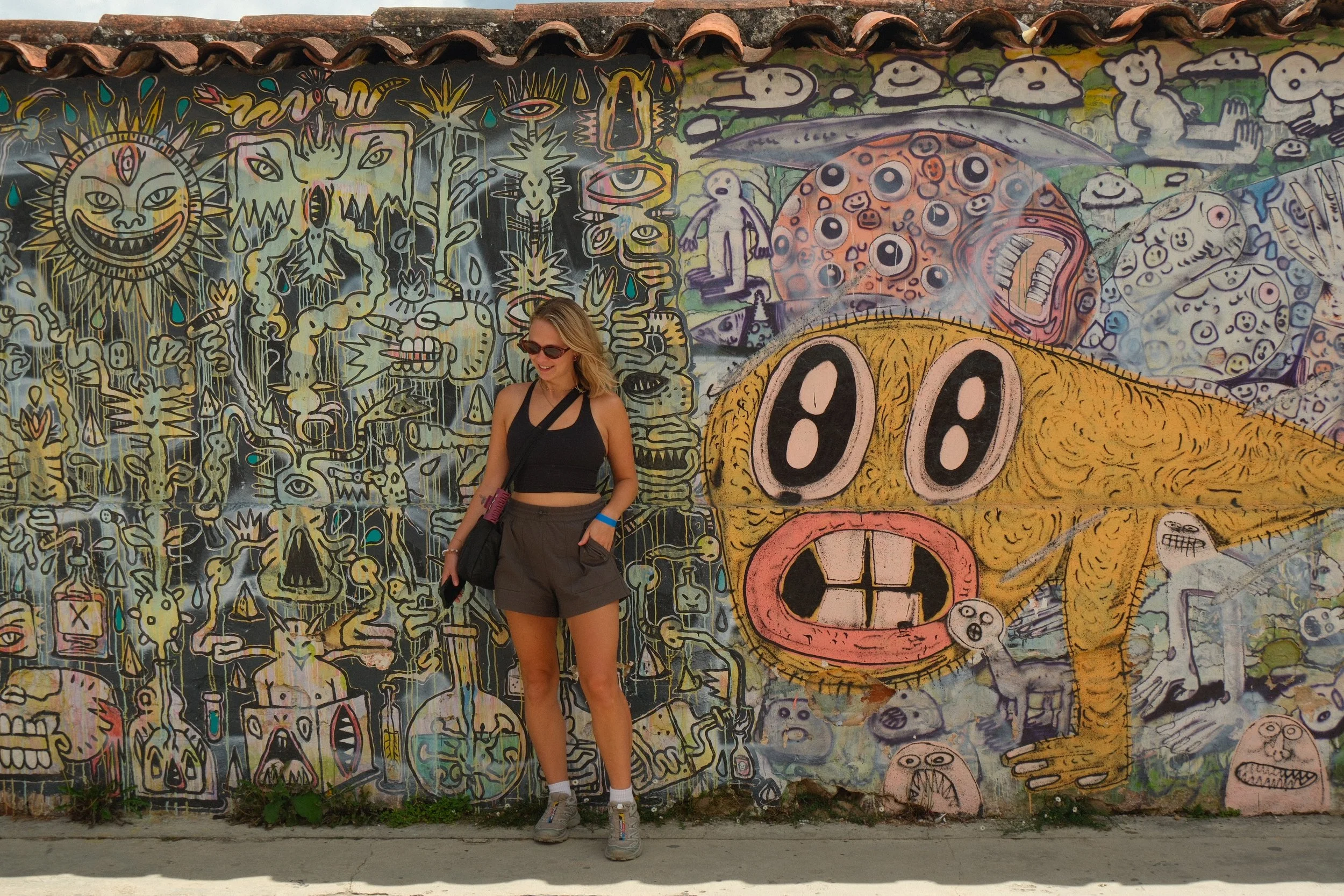
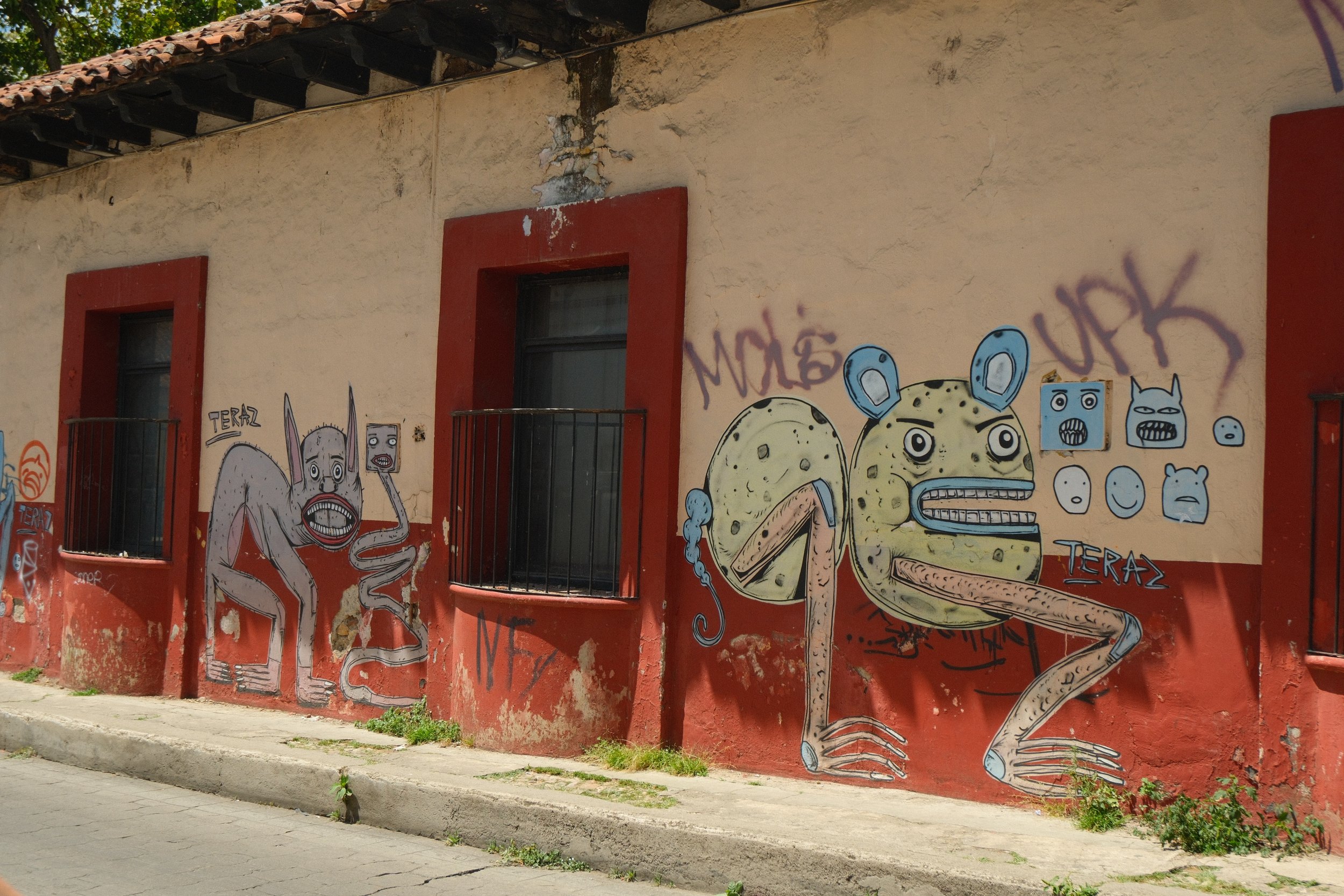
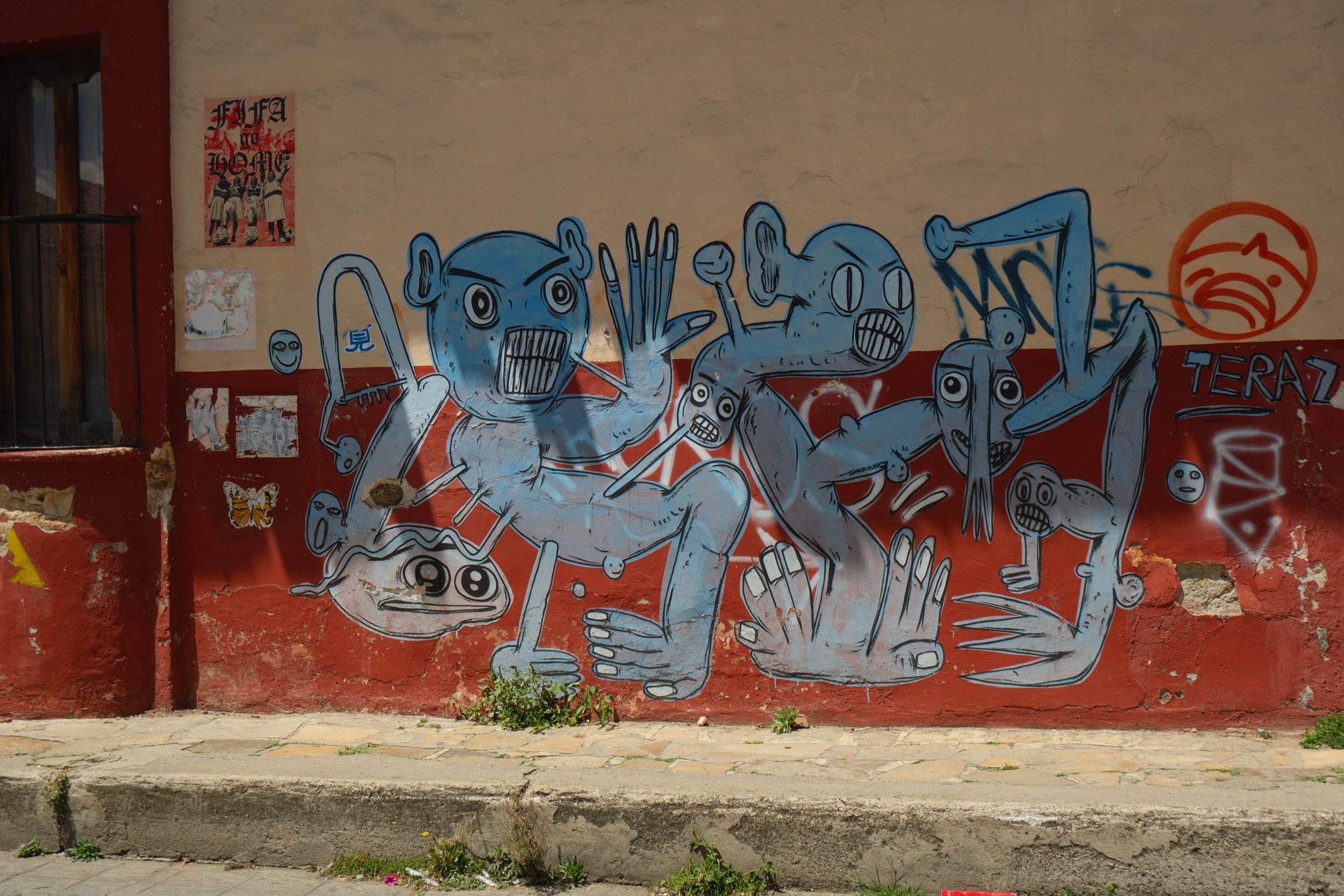
Loads of super cool street art
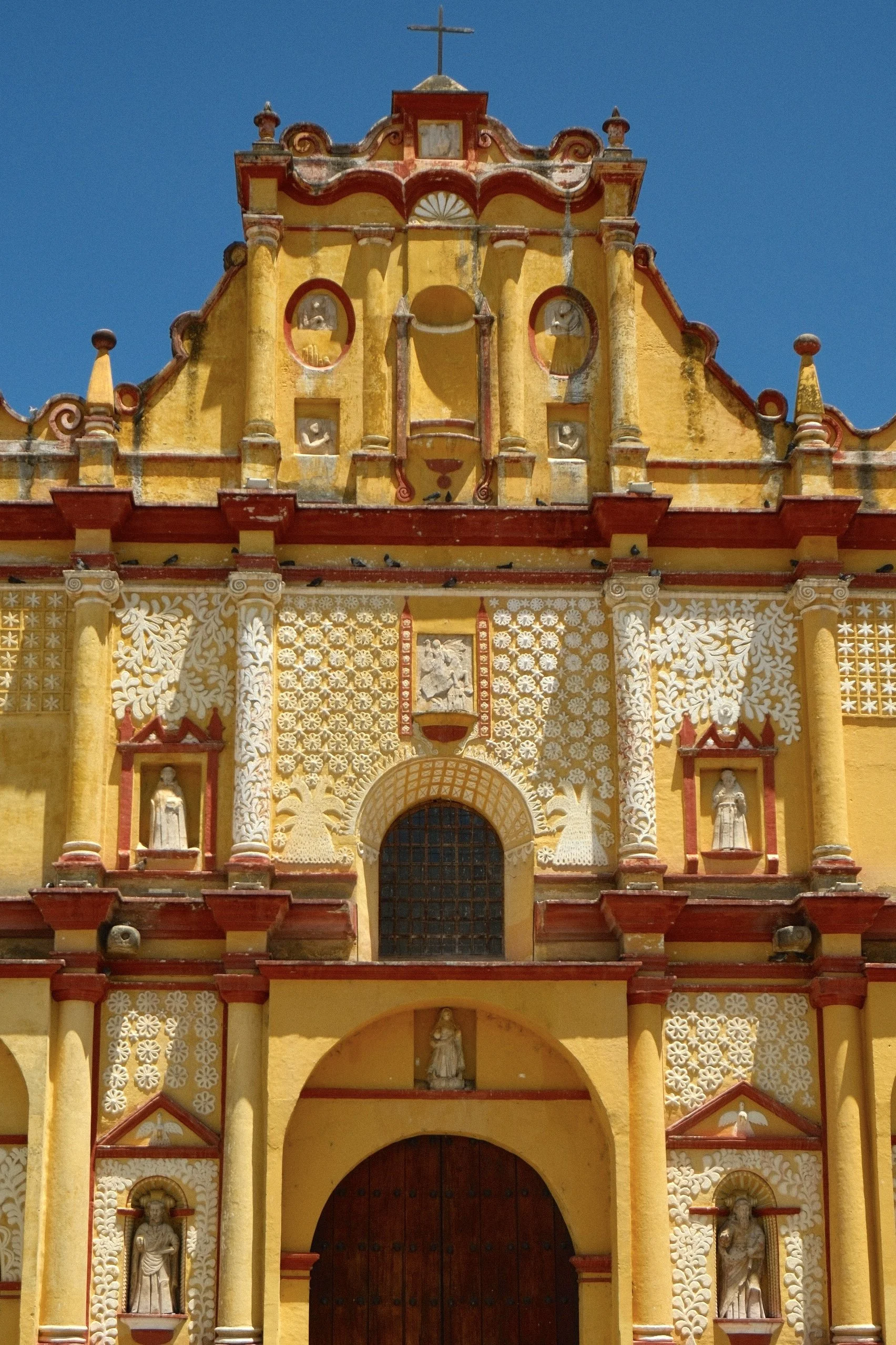
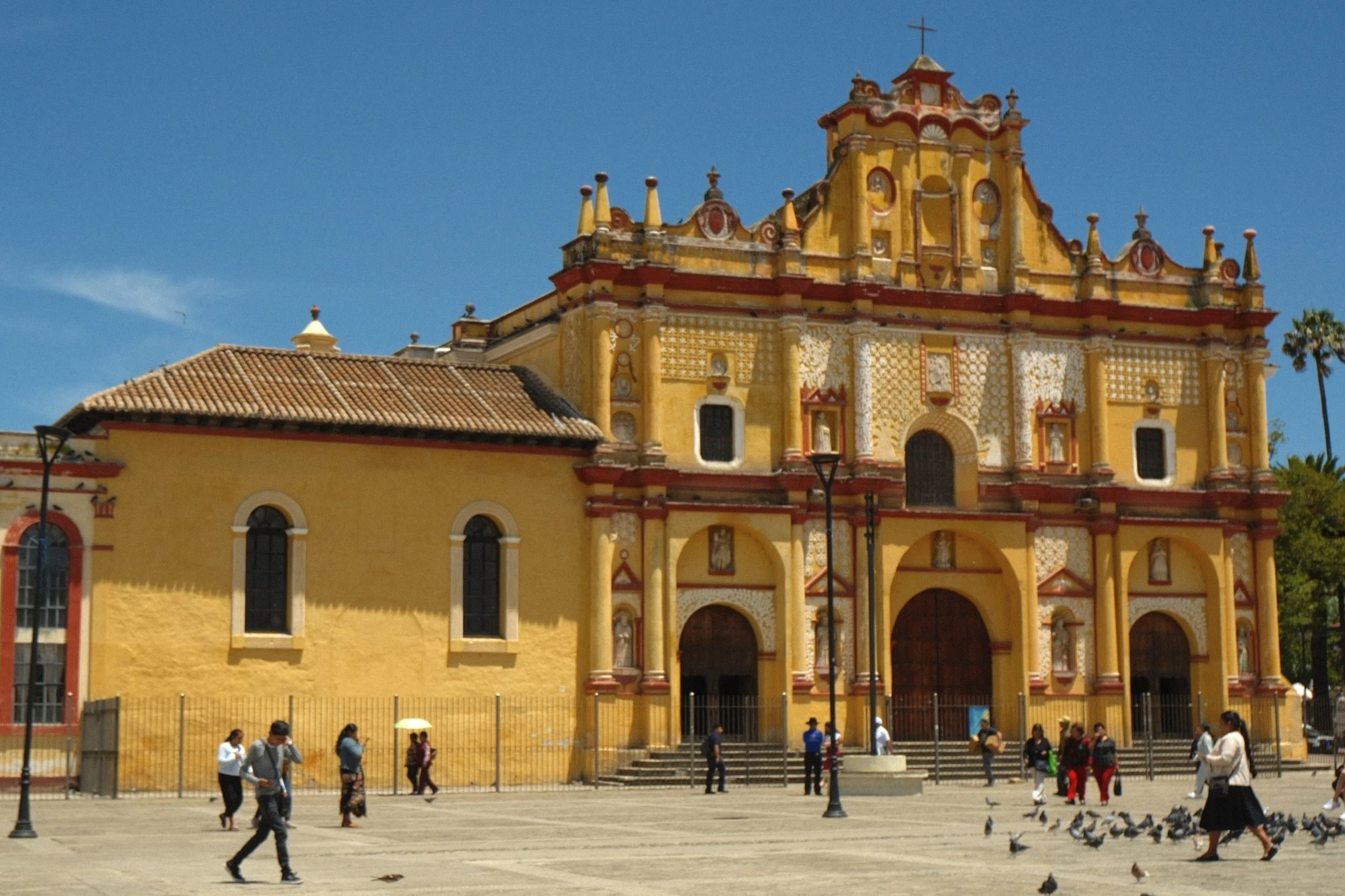
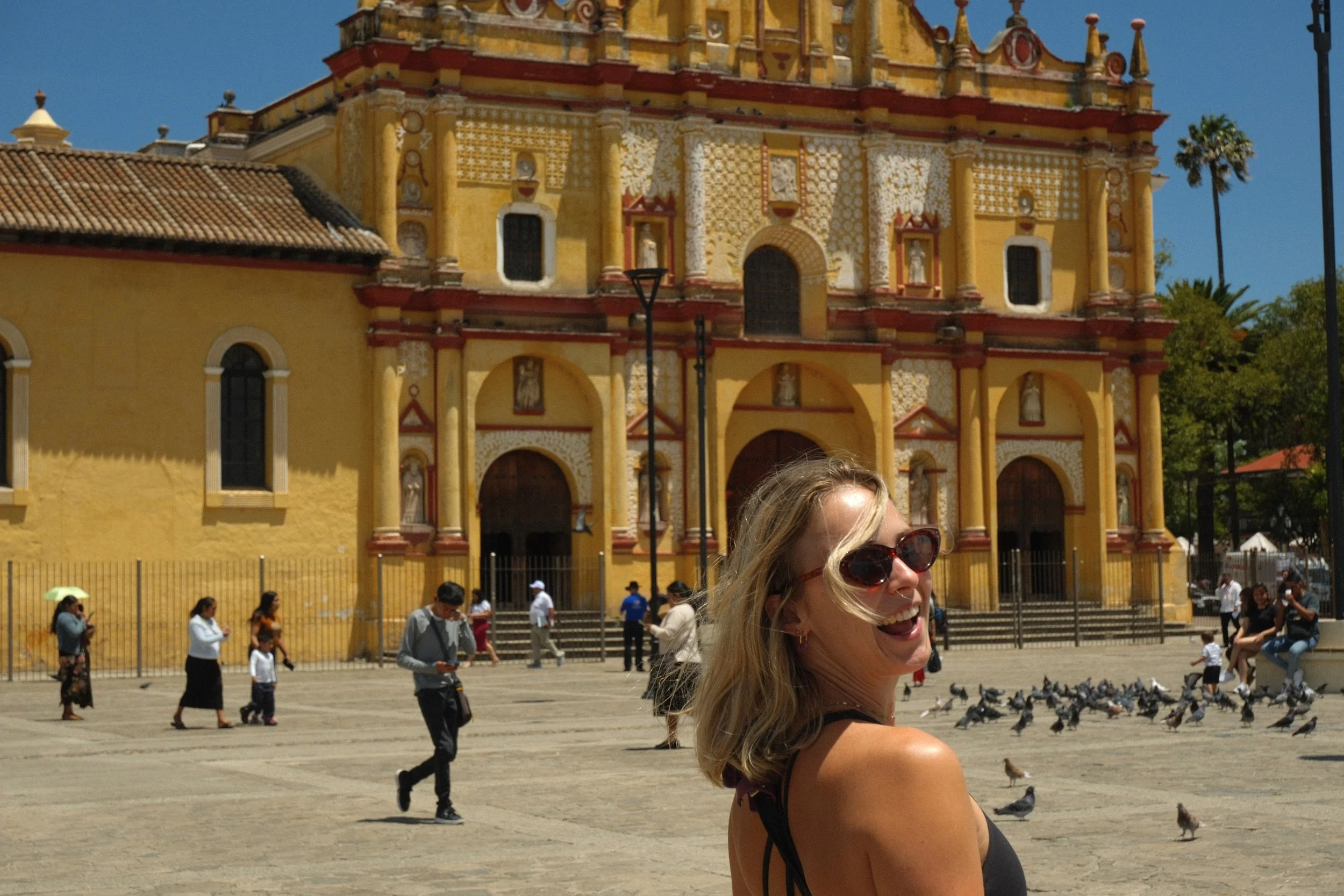
Catedral de San Cristóbal de las Casas
The city’s main cathedral, dating back to the Spanish colonial period.
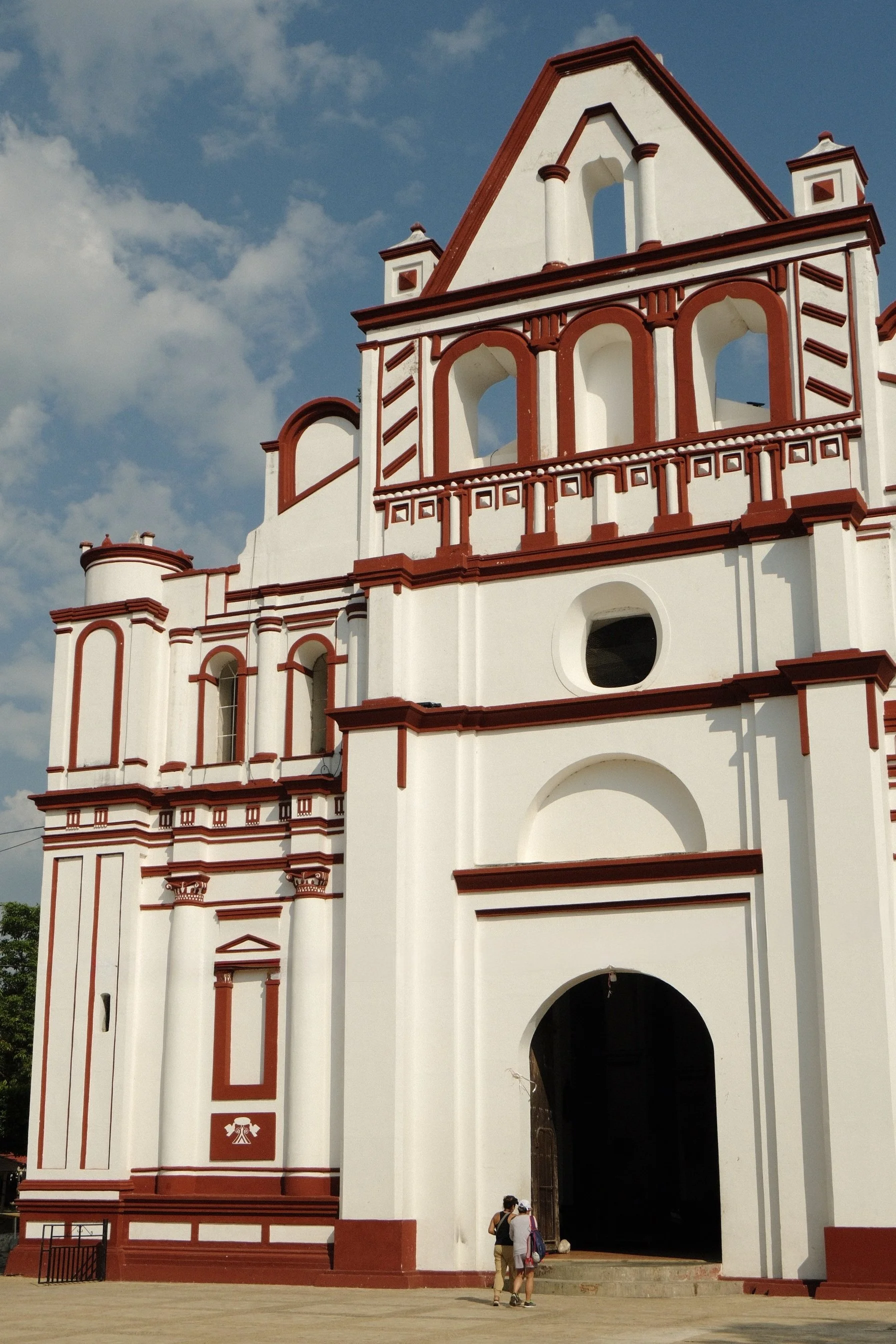
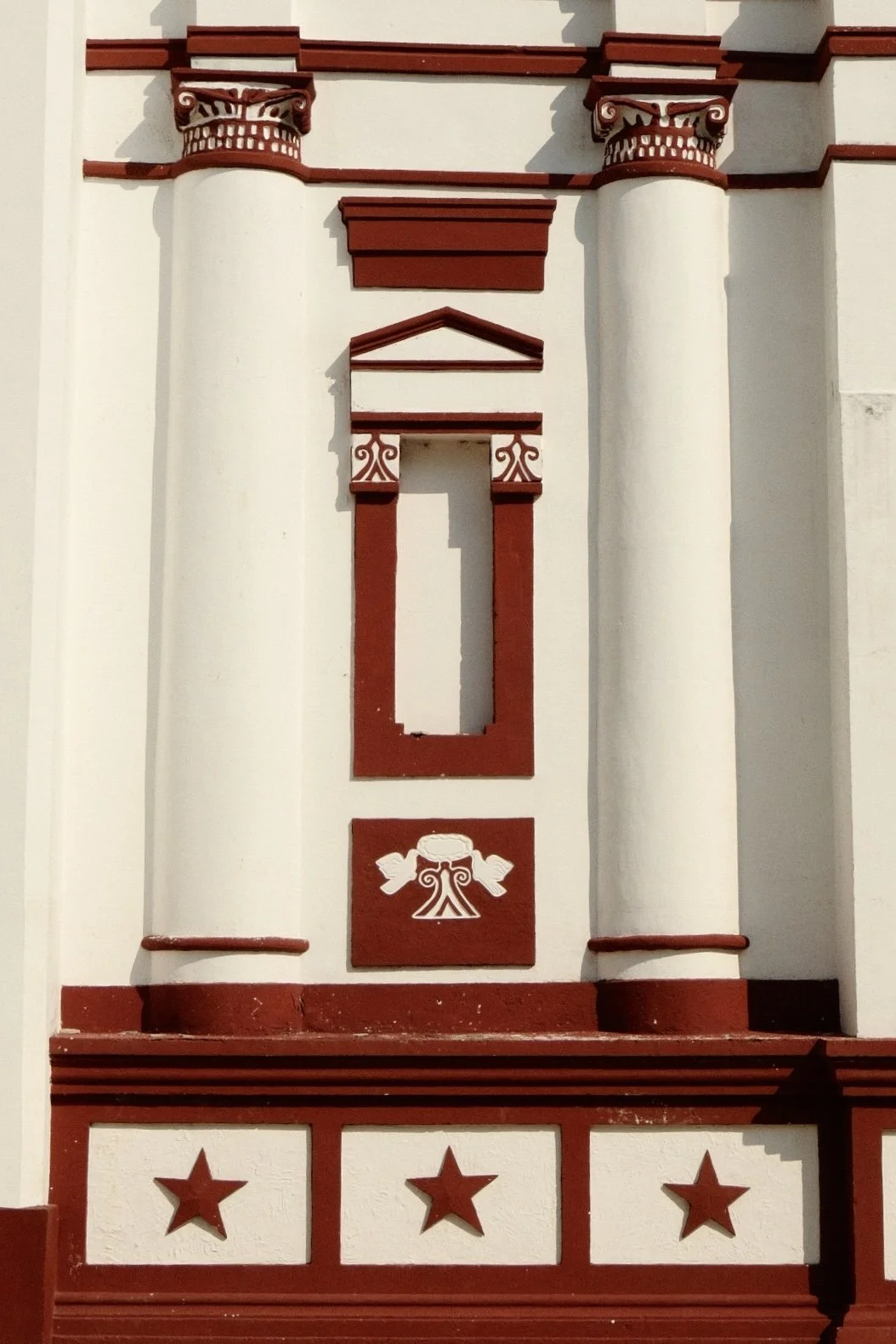
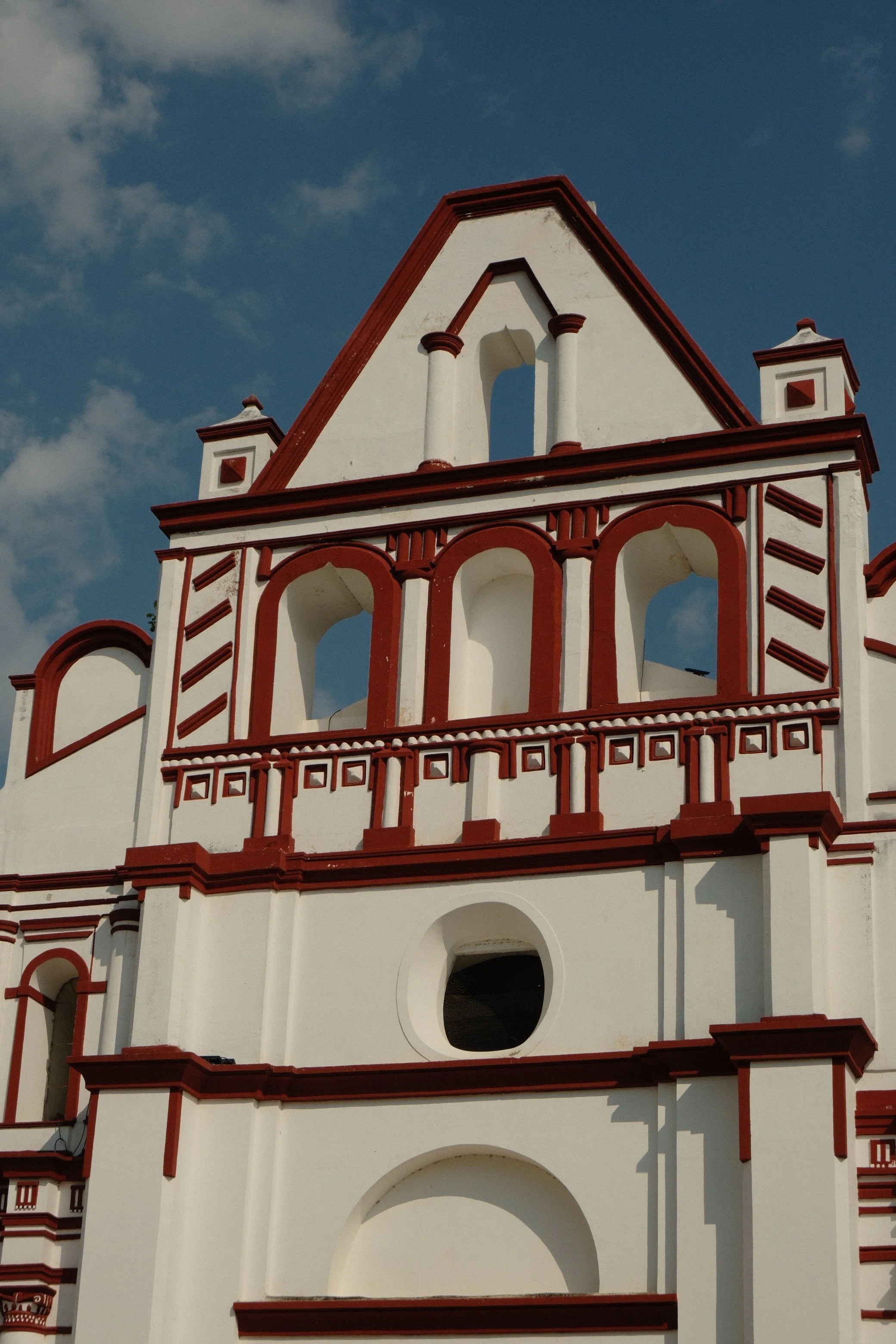
Templo de Nuestra Señora de la Asunción
Located in the historic barrio of Mexicanos.
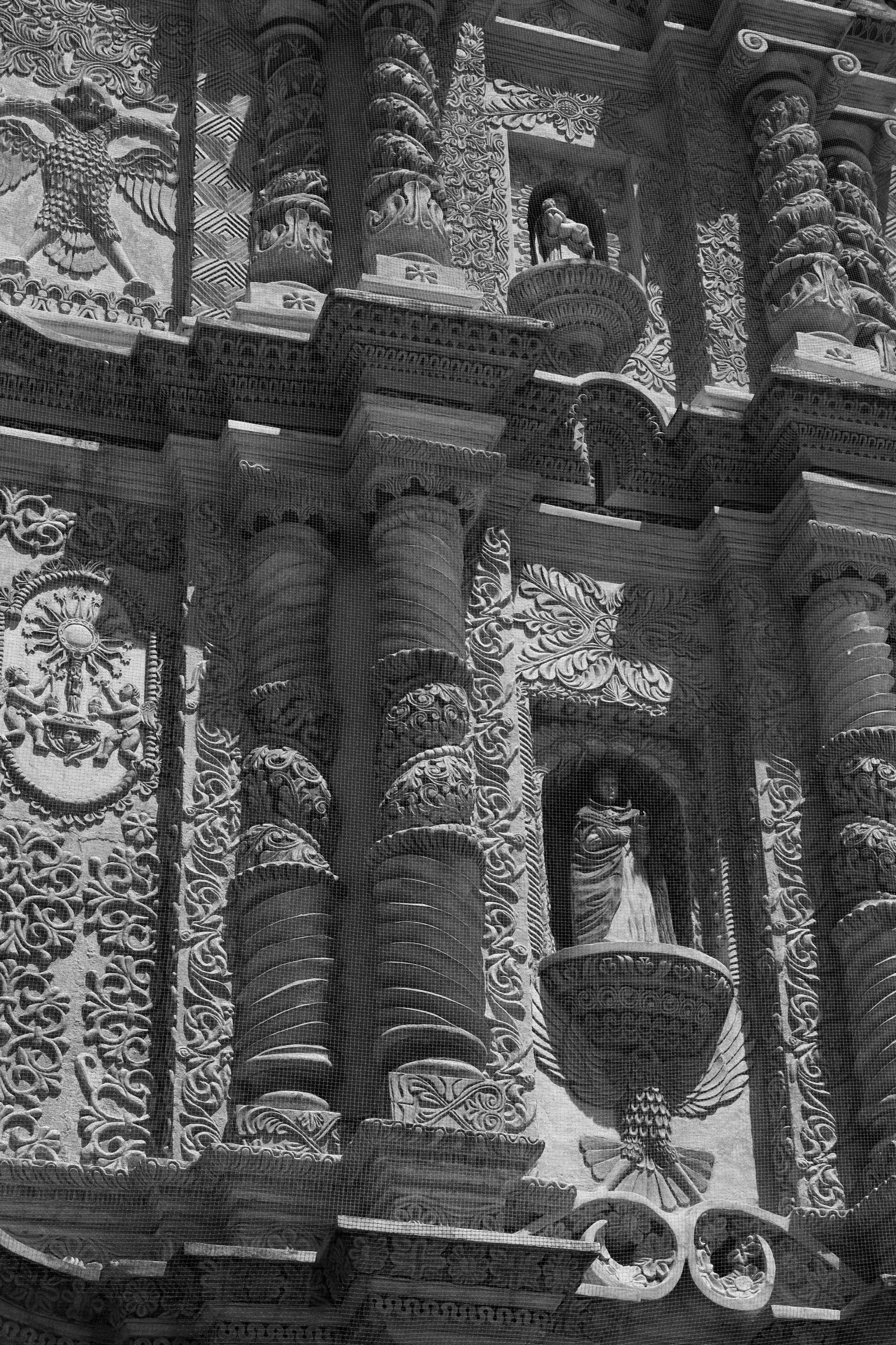
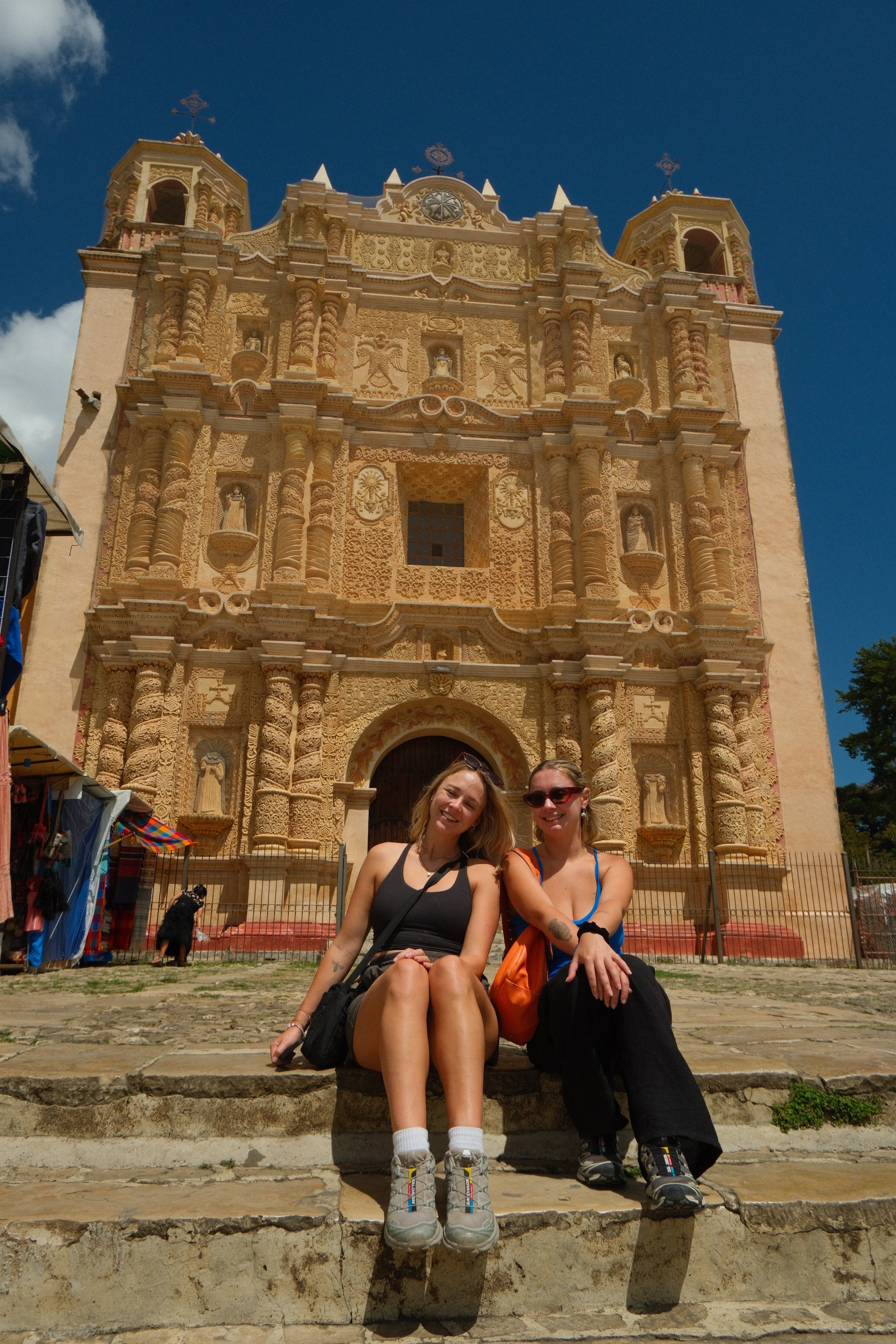
Templo de Santo Domingo de Guzmán
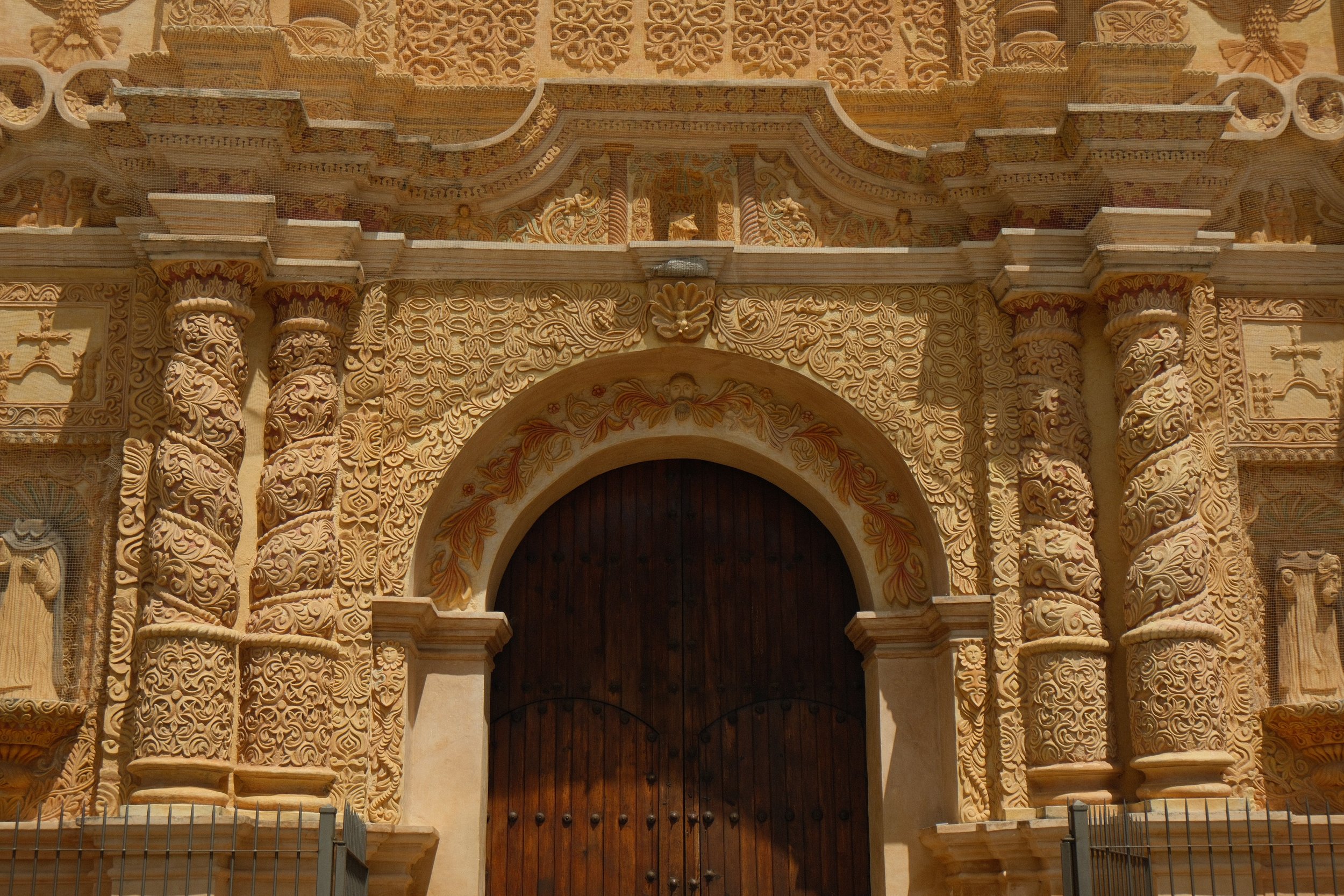
Construction began in 1547 by Catholic missionaries who played a major role in converting Indigenous communities to Christianity during Spanish rule. The outside is covered in so much intricate detail, you could spend hours looking at it all.
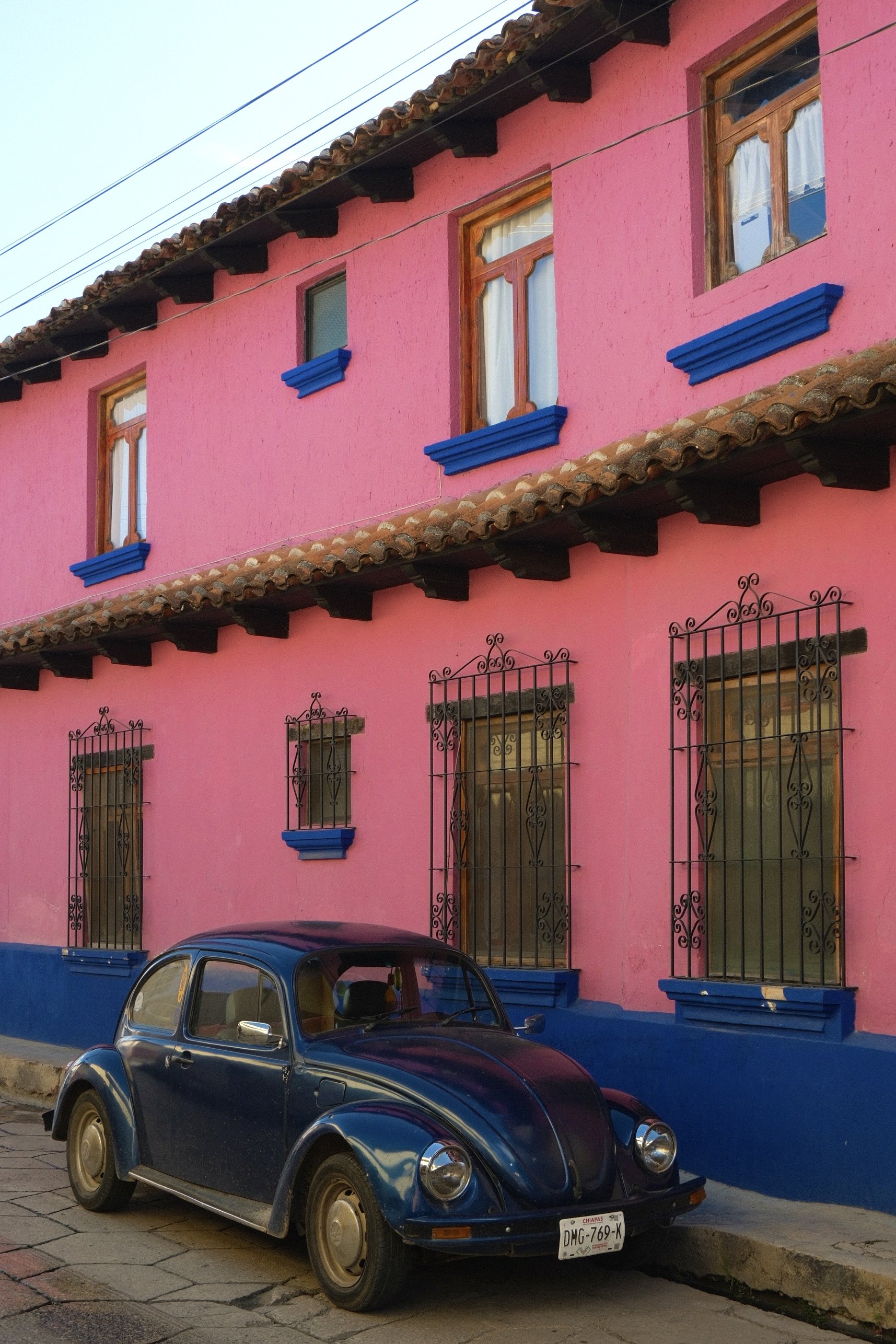
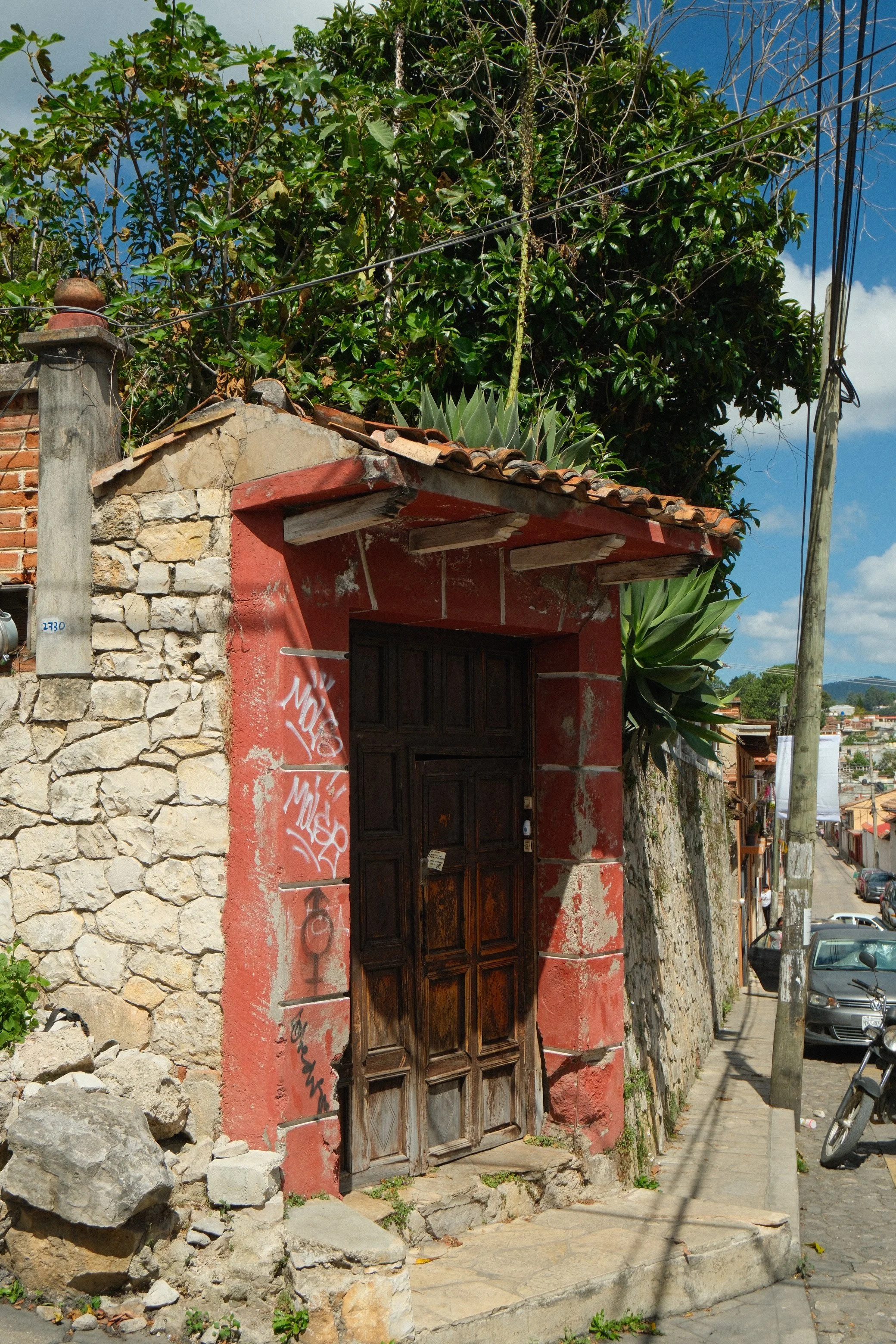
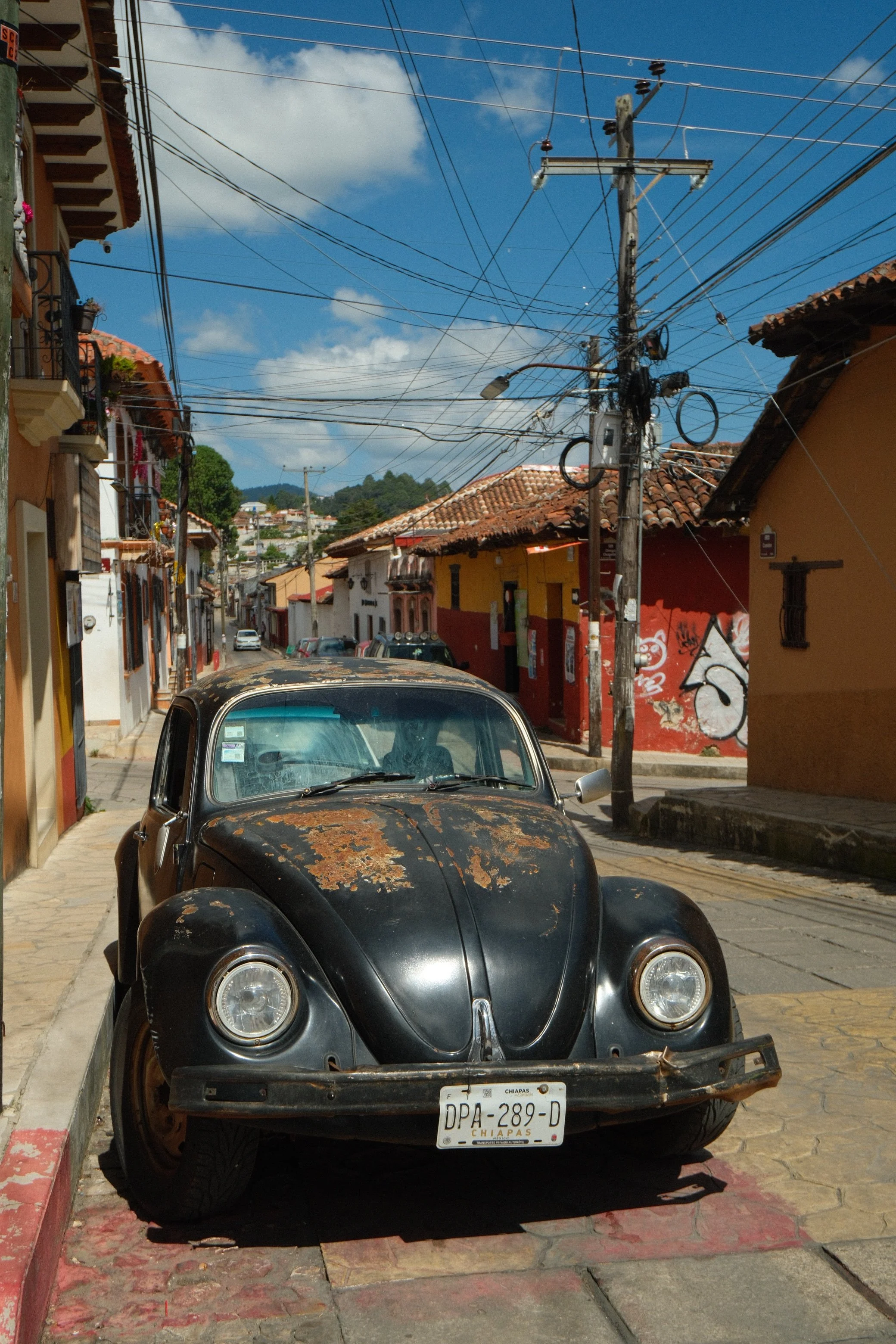
Lots more wandering about, so many cute cars!!!
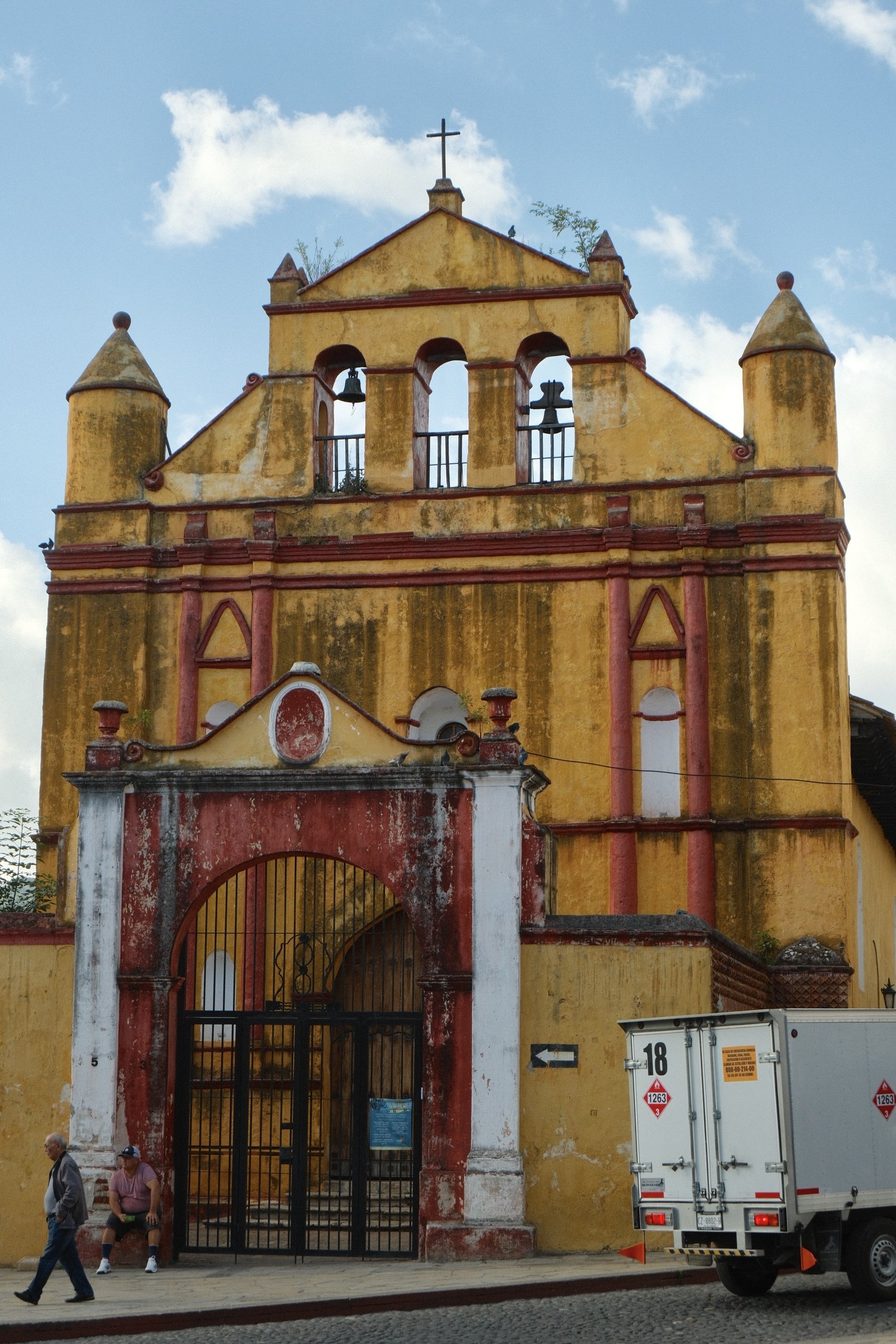
Templo de San Nicolás
A seventeenth-century church with a simpler architectural style than some of the city's more elaborate religious buildings.
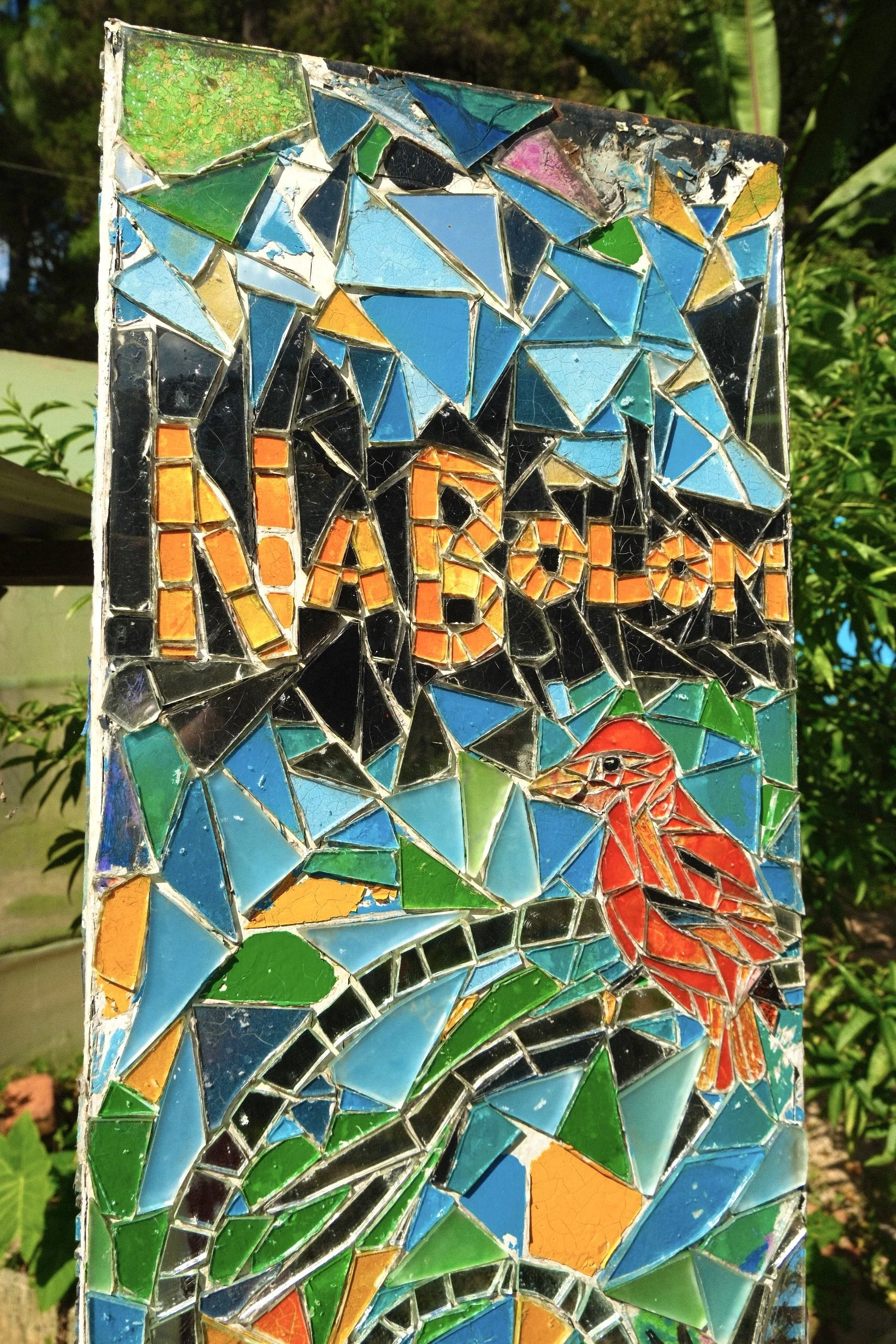
Na Bolom
A museum and cultural centre in a historic house. It was once home to Danish archaeologist Frans Blom and Swiss photographer Gertrude Duby Blom, who dedicated their lives to documenting and protecting Maya culture.
Inside, their photographs and historical collections tell the story of their work and the Indigenous communities of Chiapas.
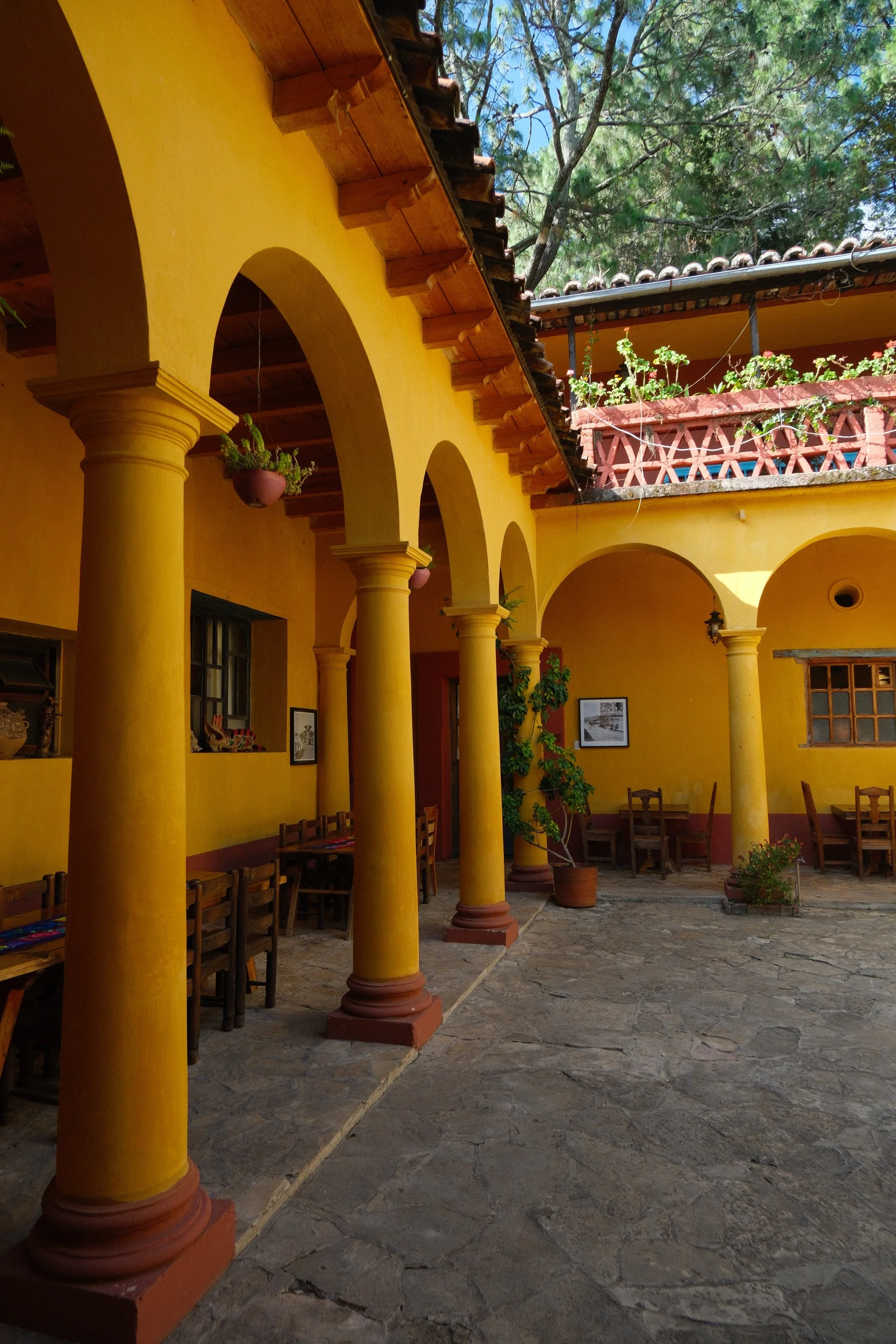
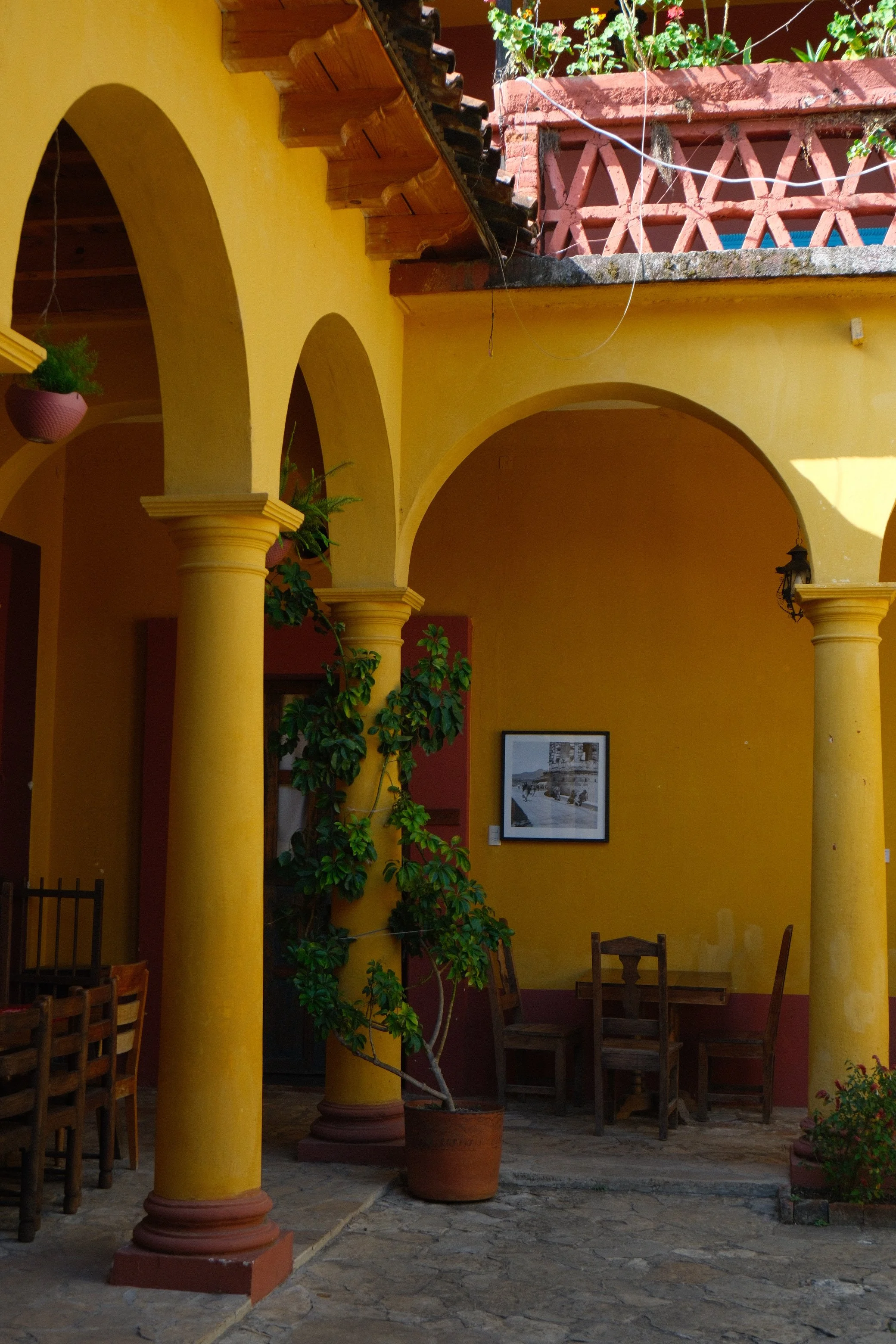
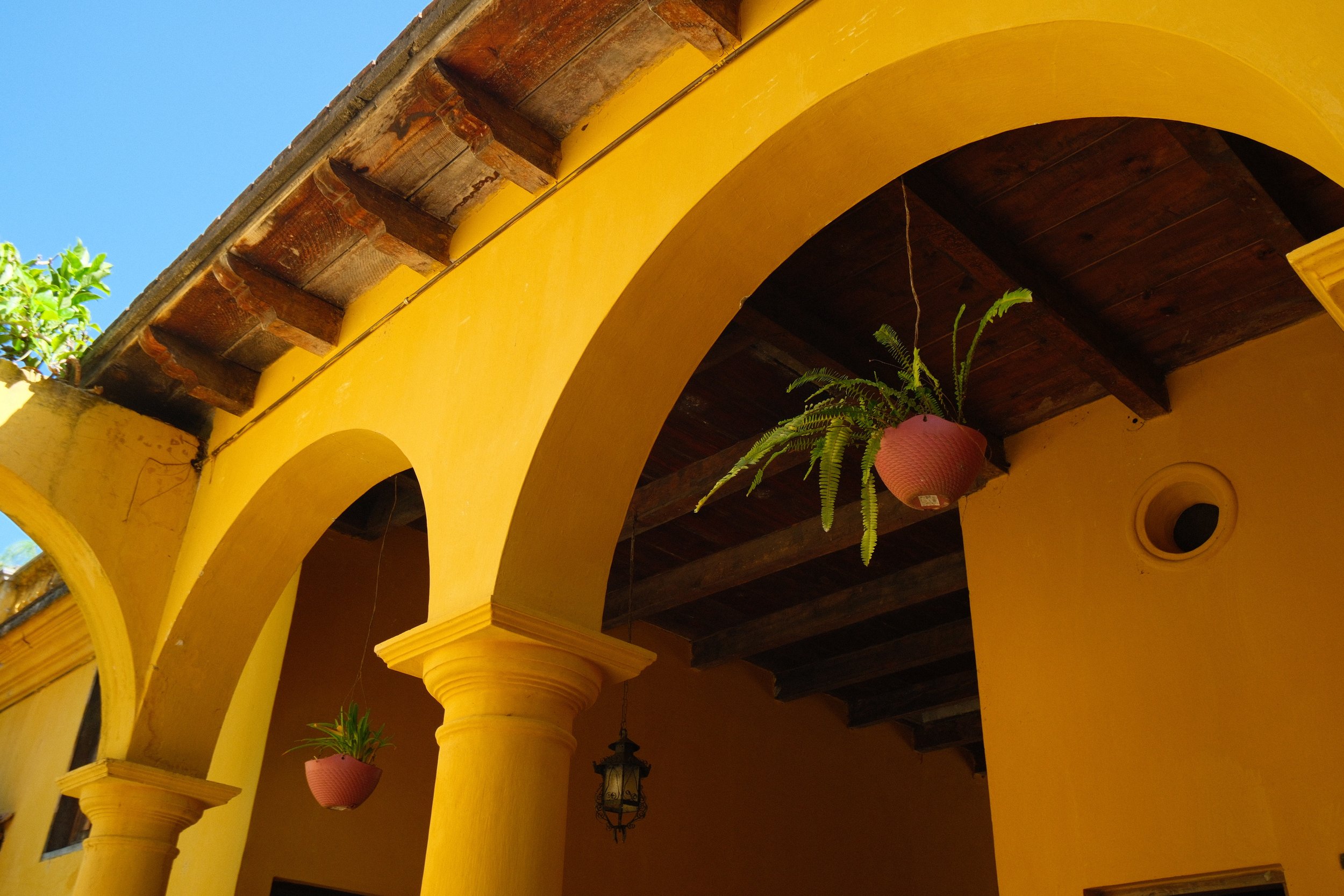
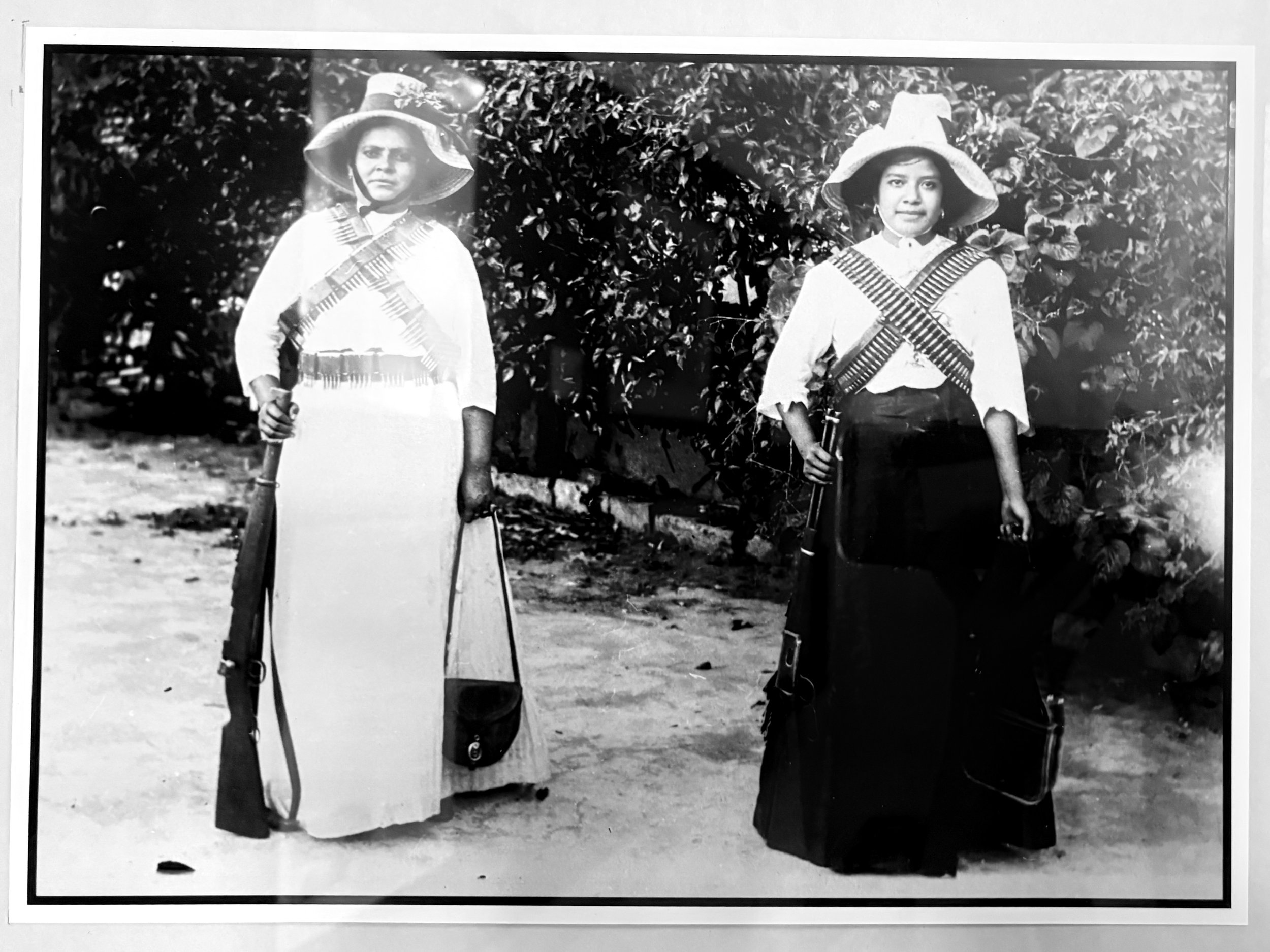
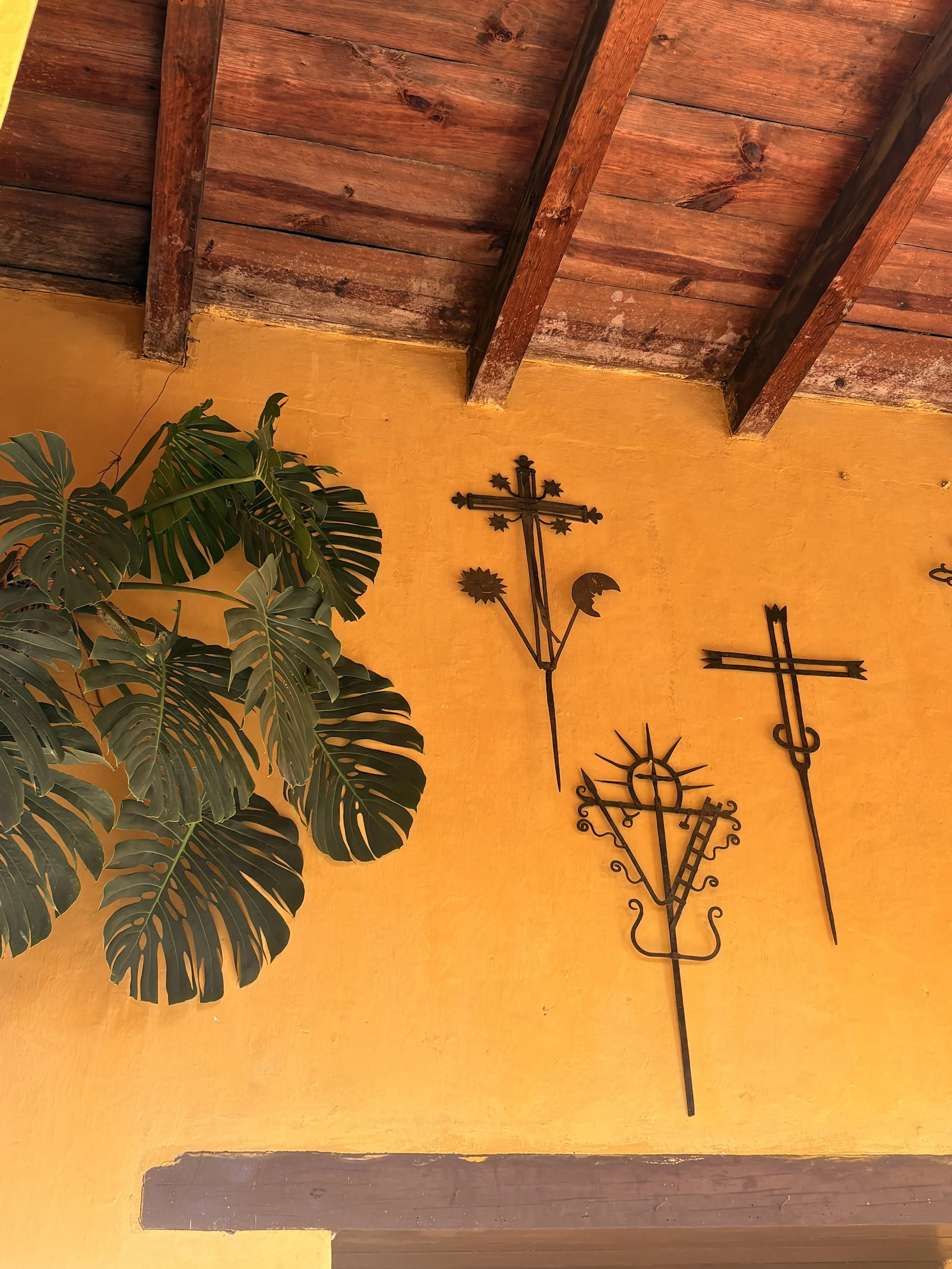
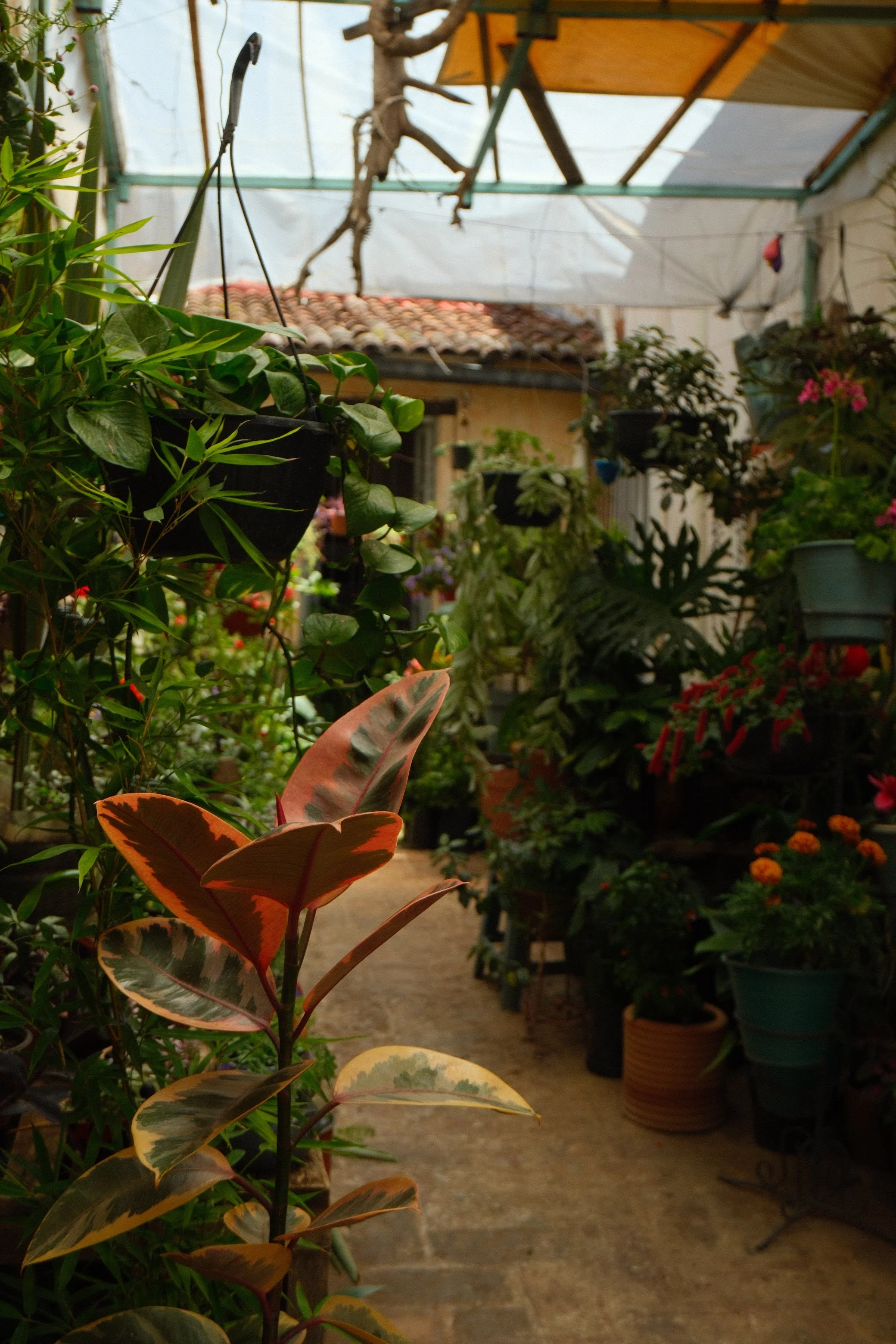
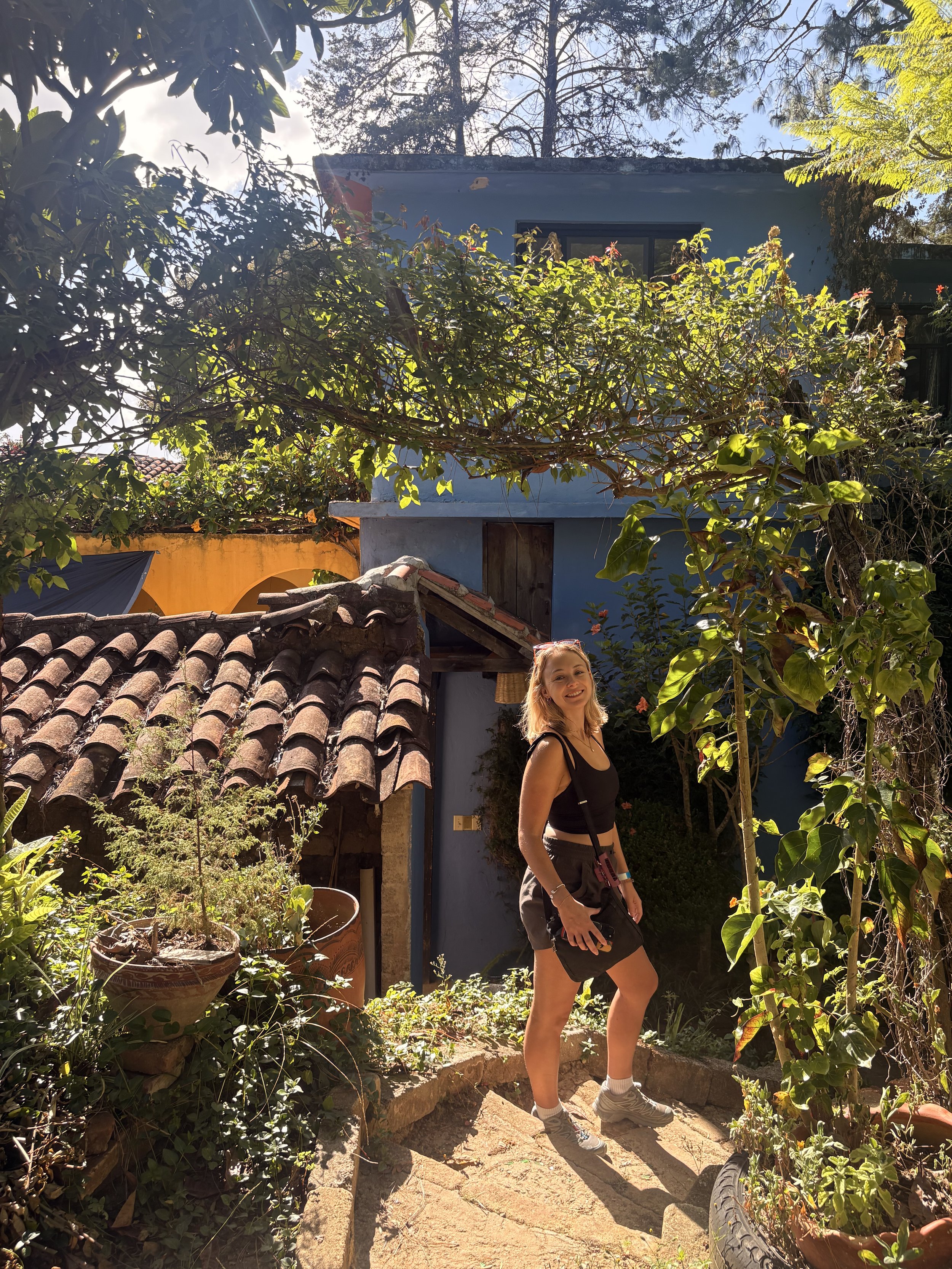
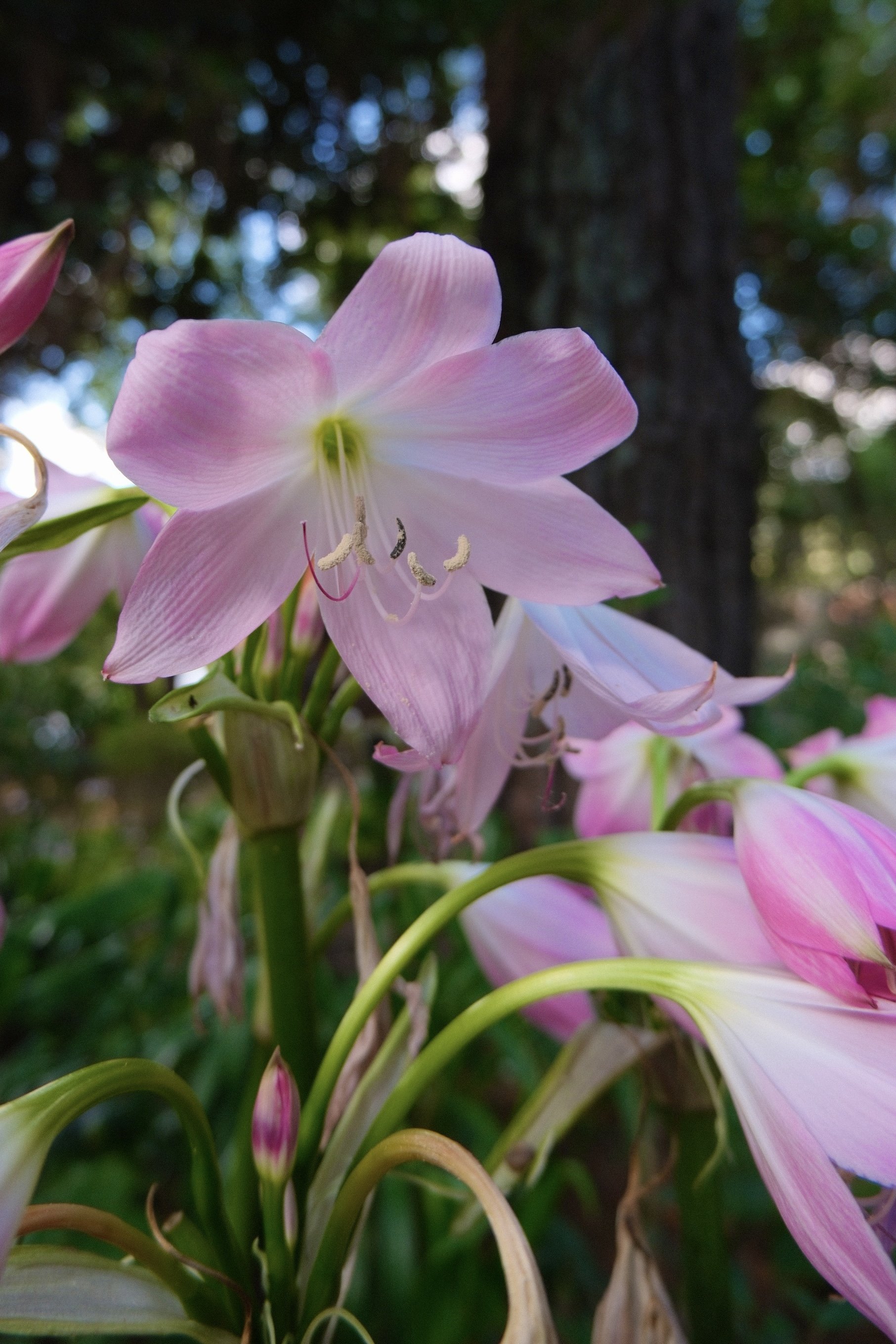
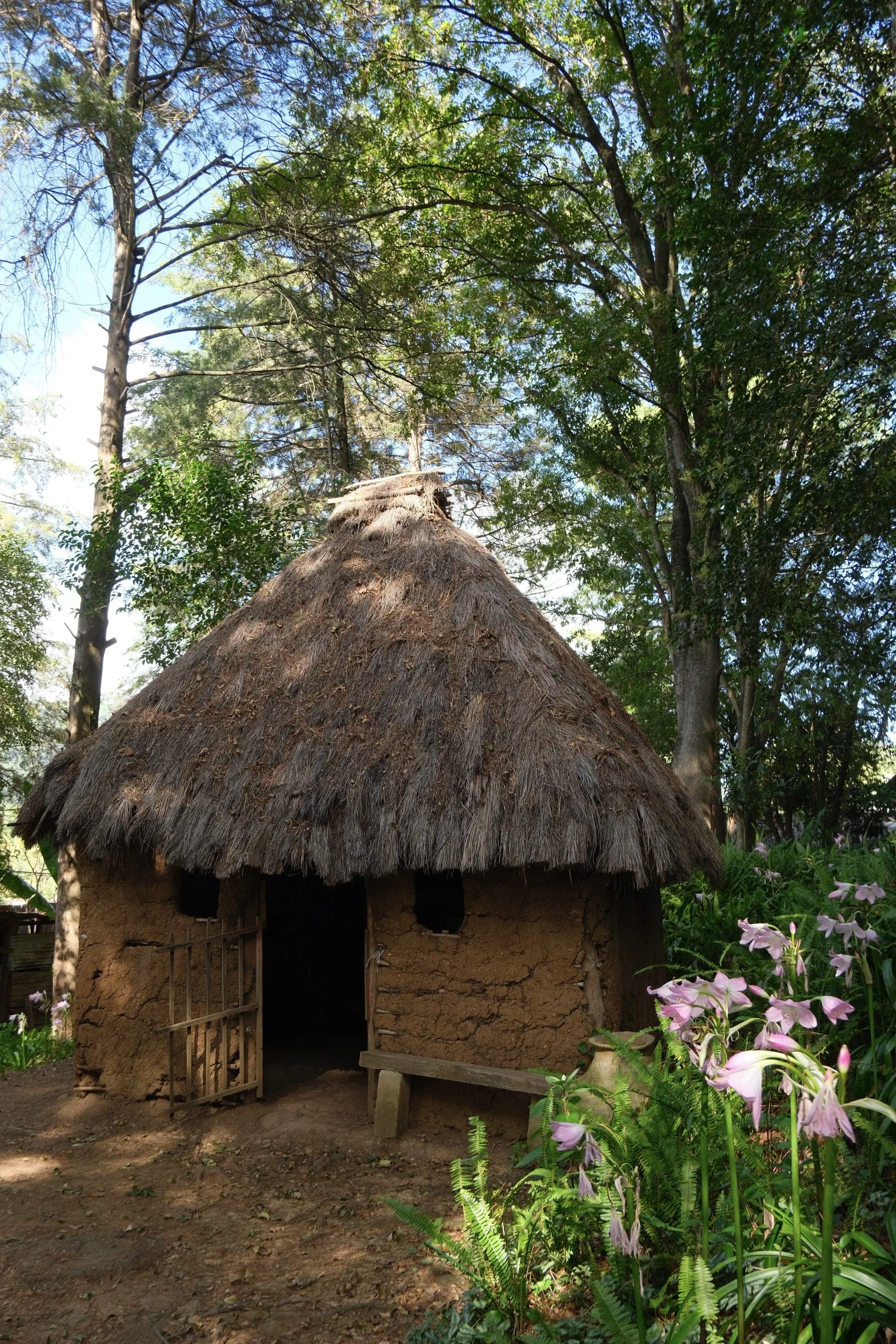
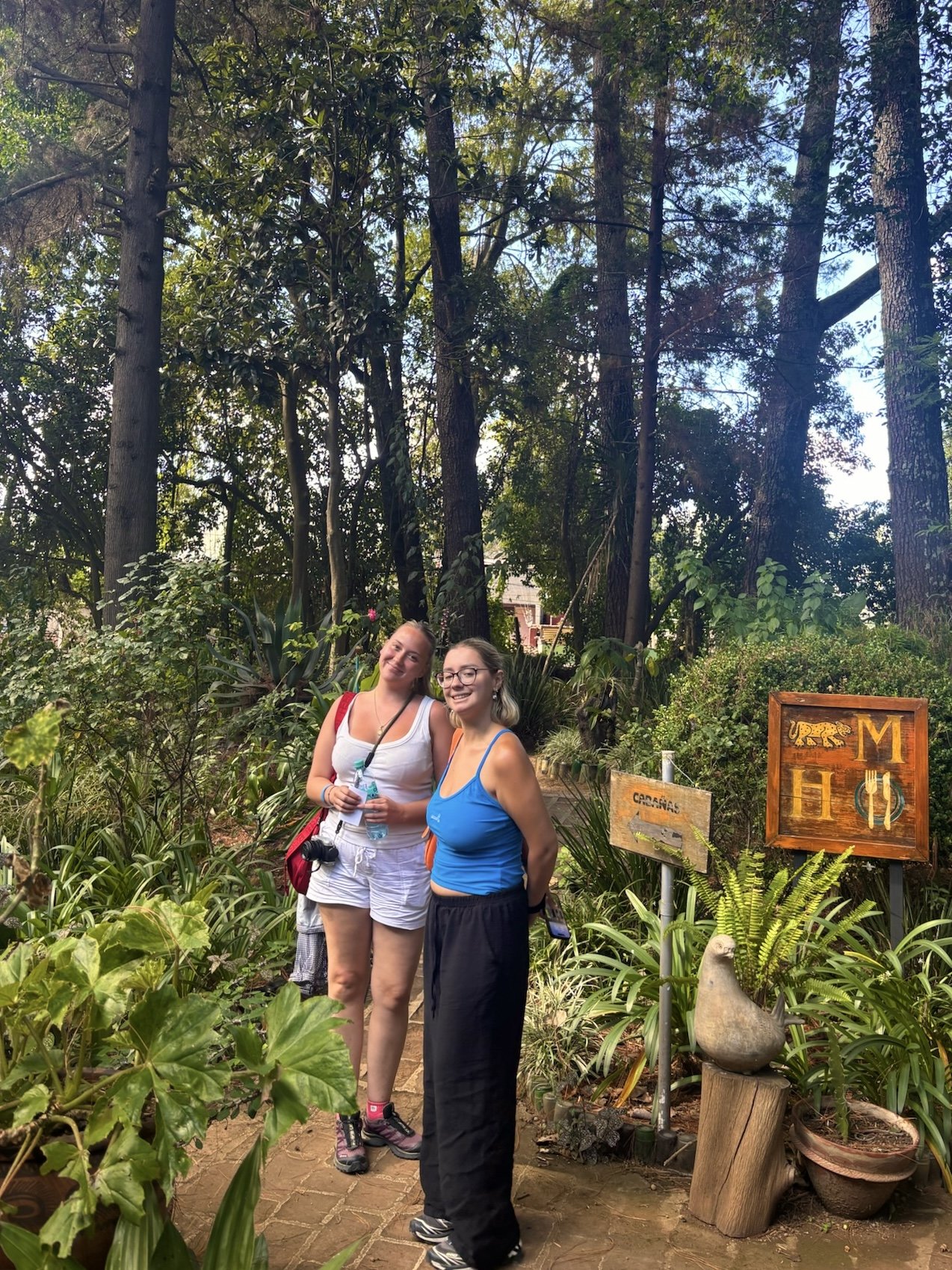
The gardens are worth exploring too.
Sumidero Canyon
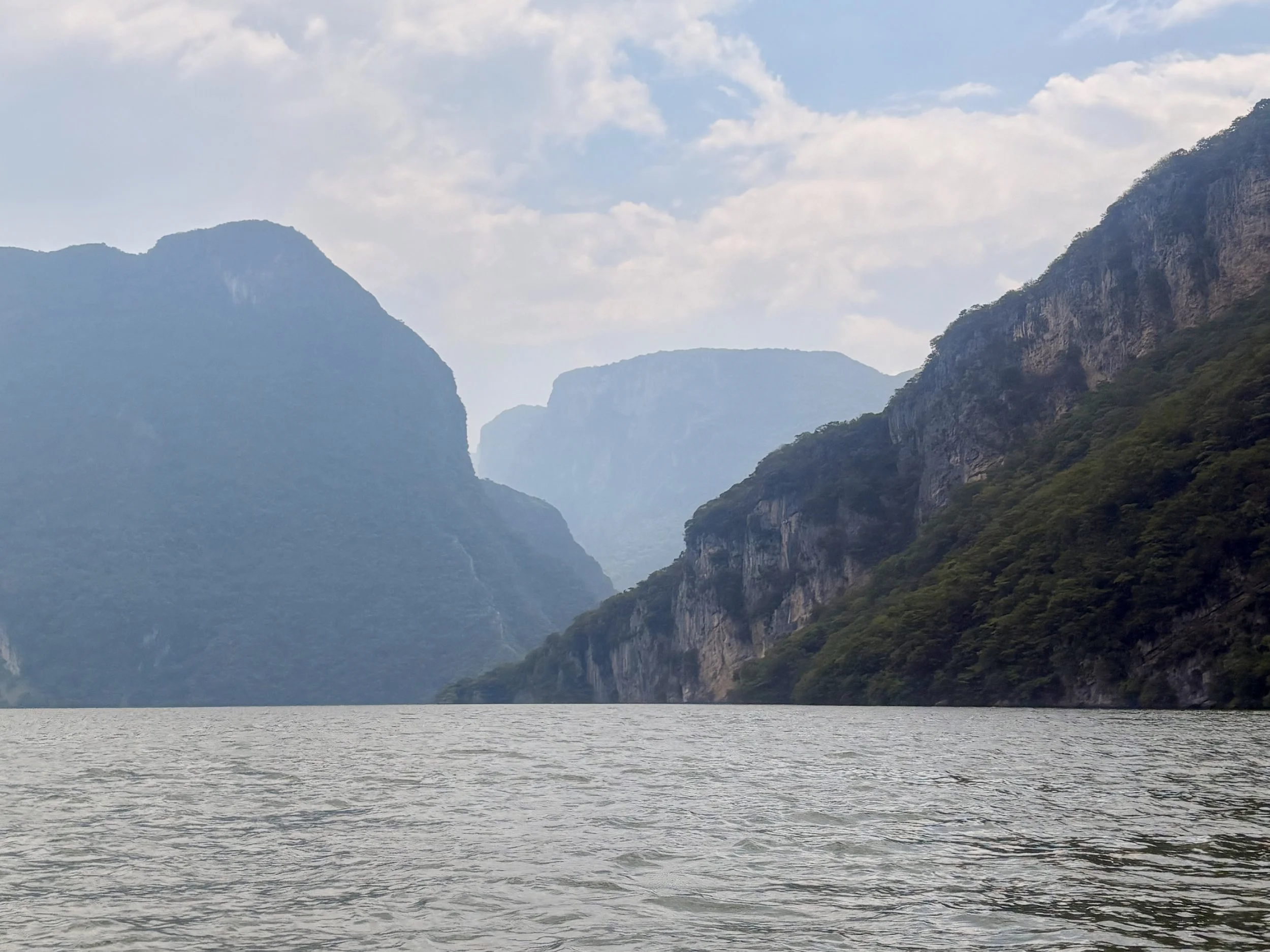
A complete change of scenery from the city. Sumidero Canyon was carved by the Grijalva River over millions of years, with limestone cliffs rising almost a kilometre above the water.
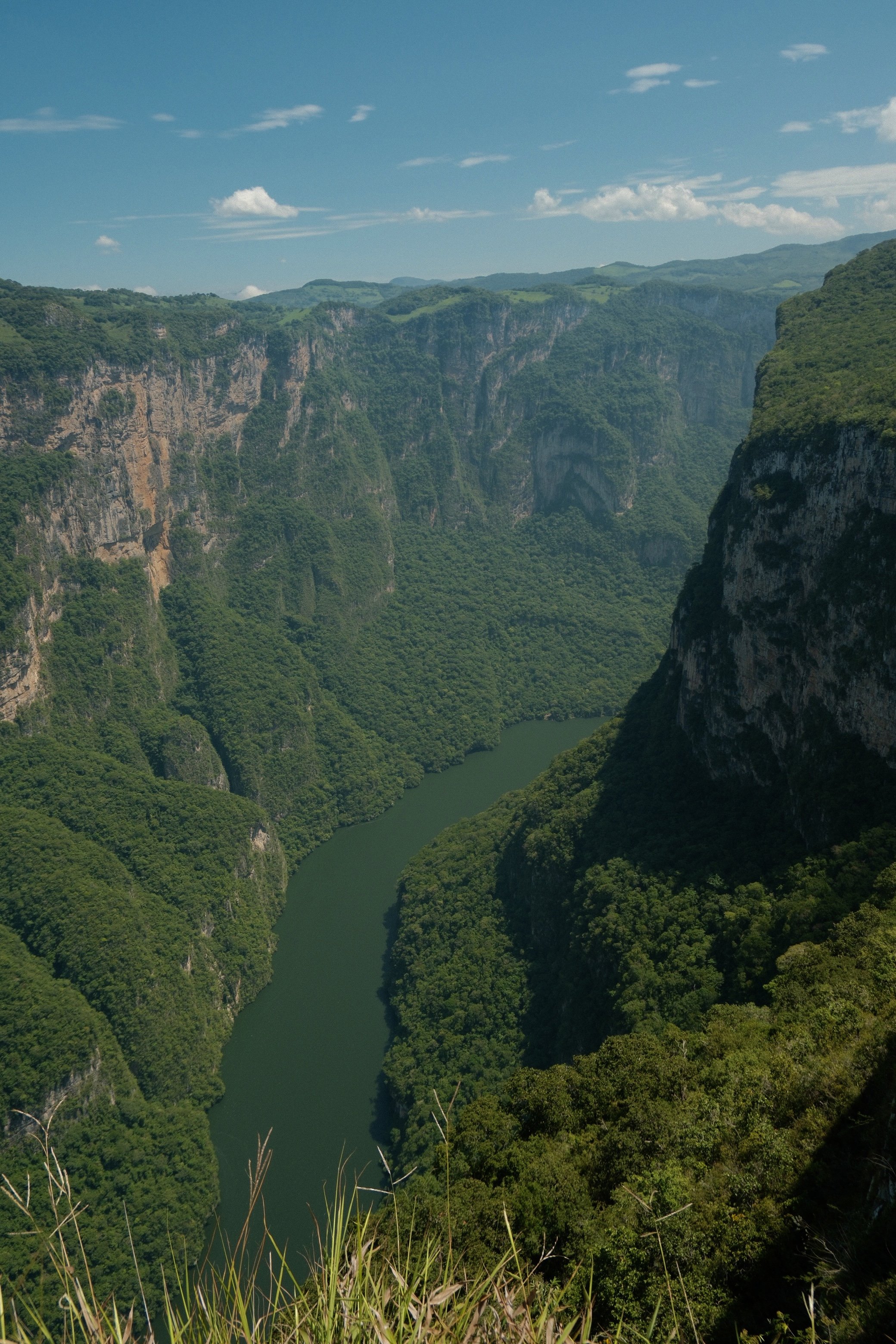
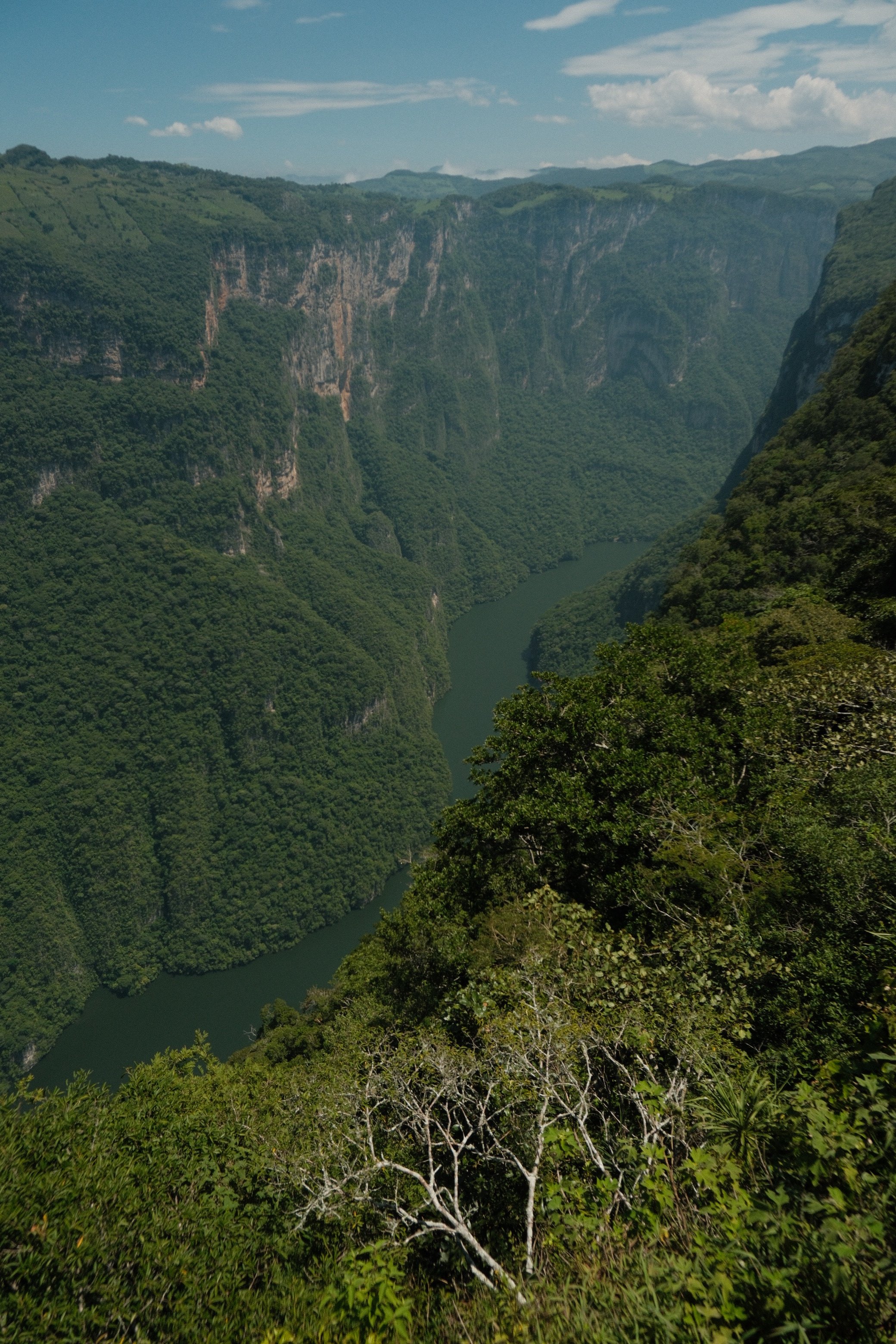
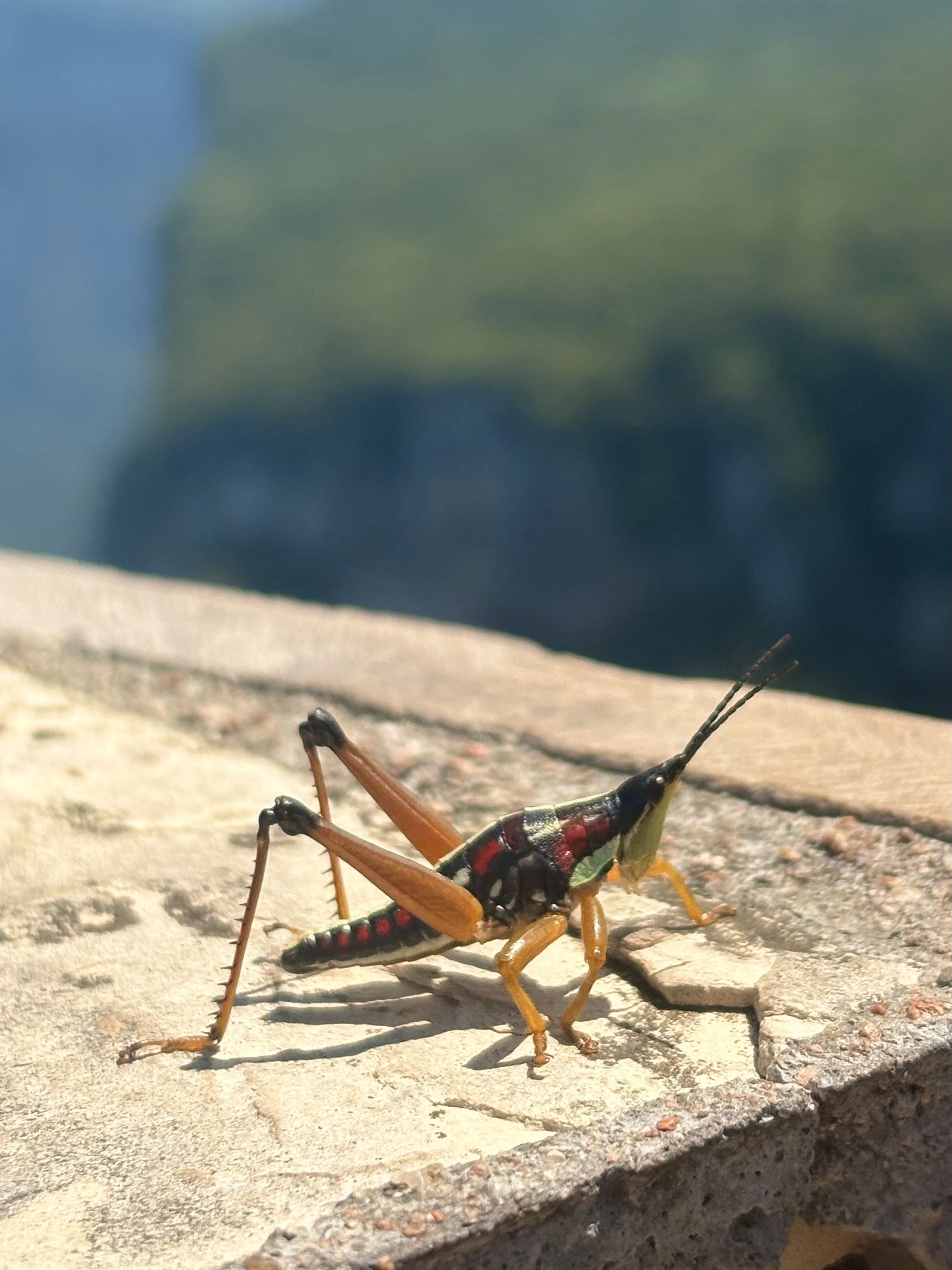
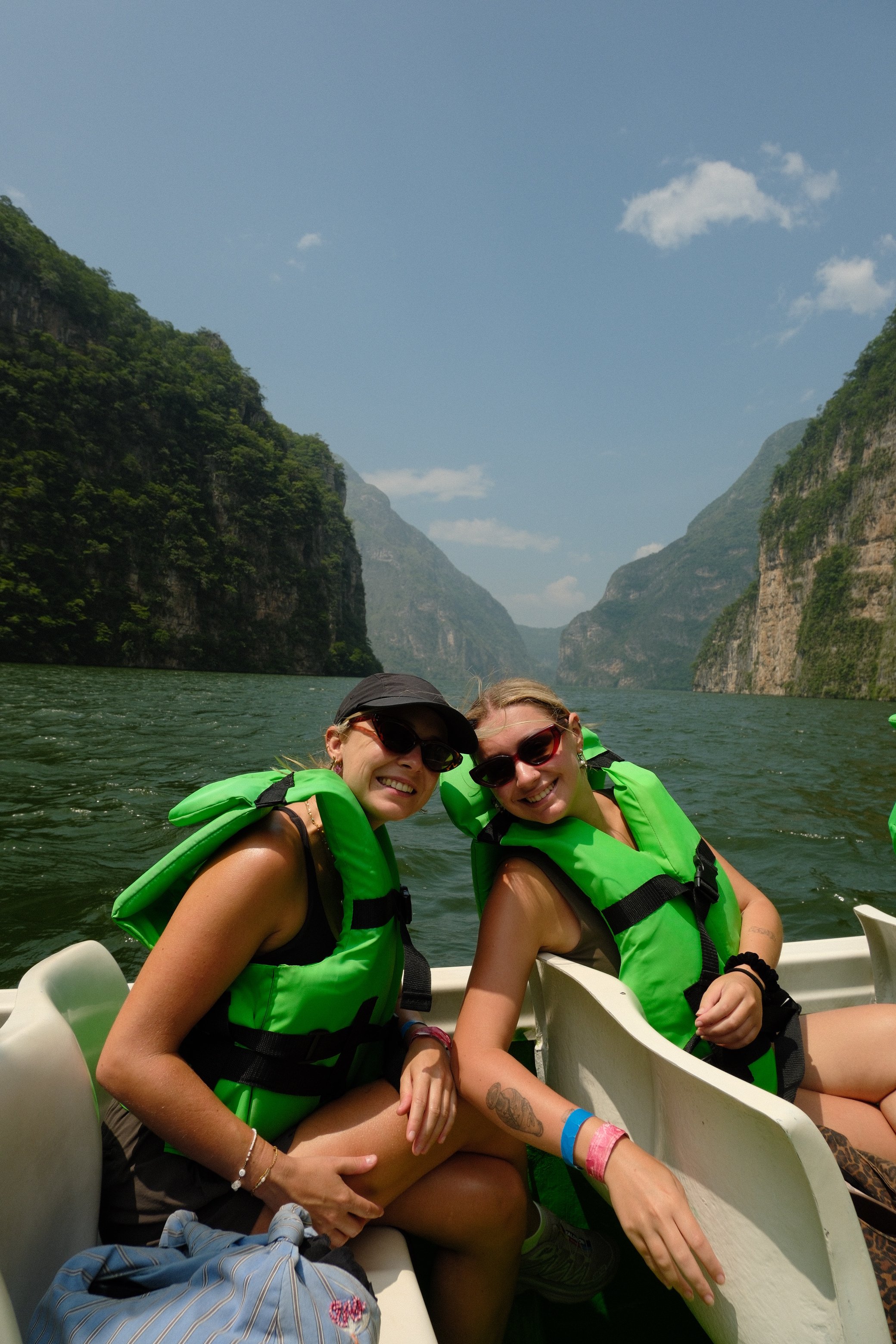
We explored the canyon by boat, passing waterfalls and huge rock walls.
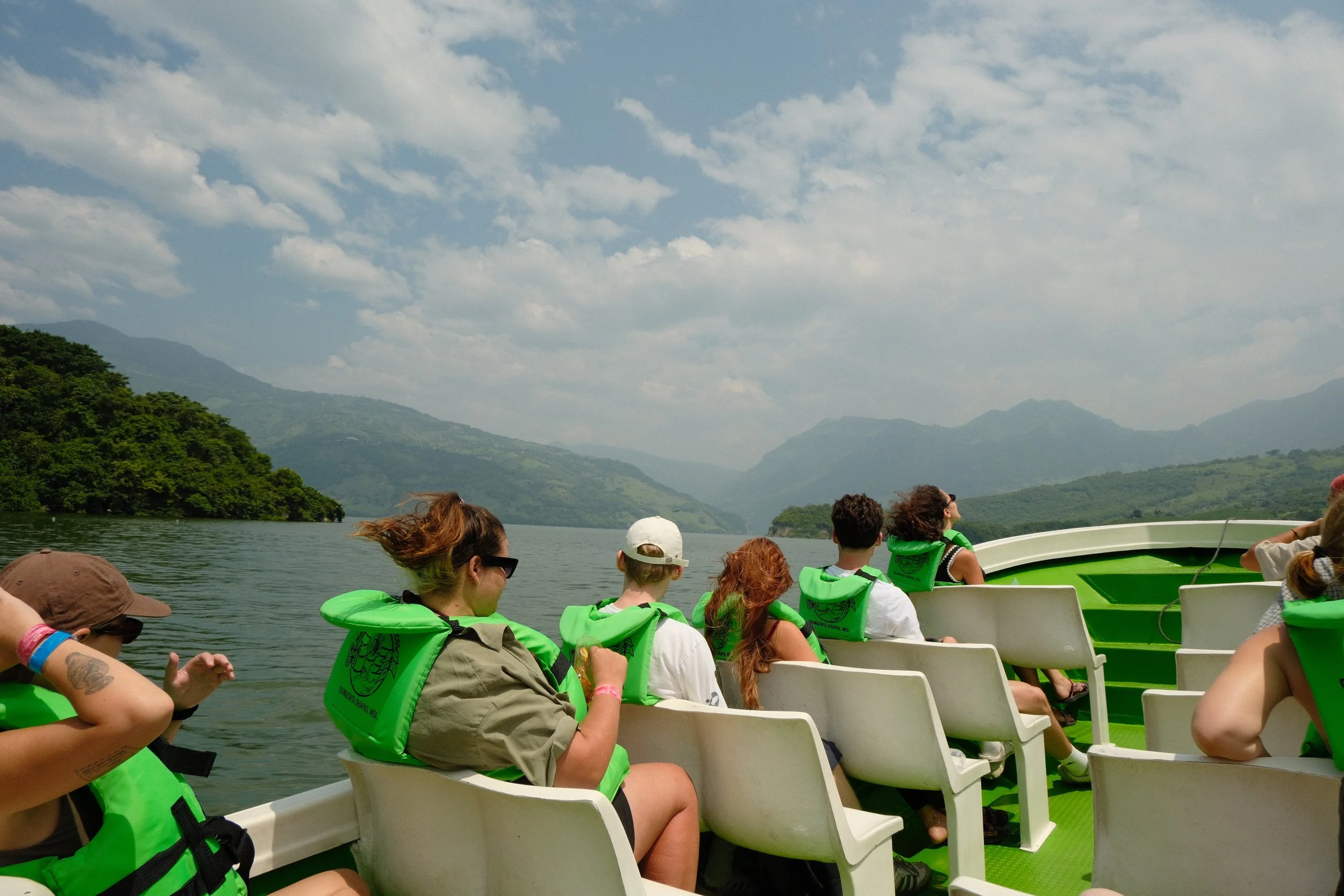
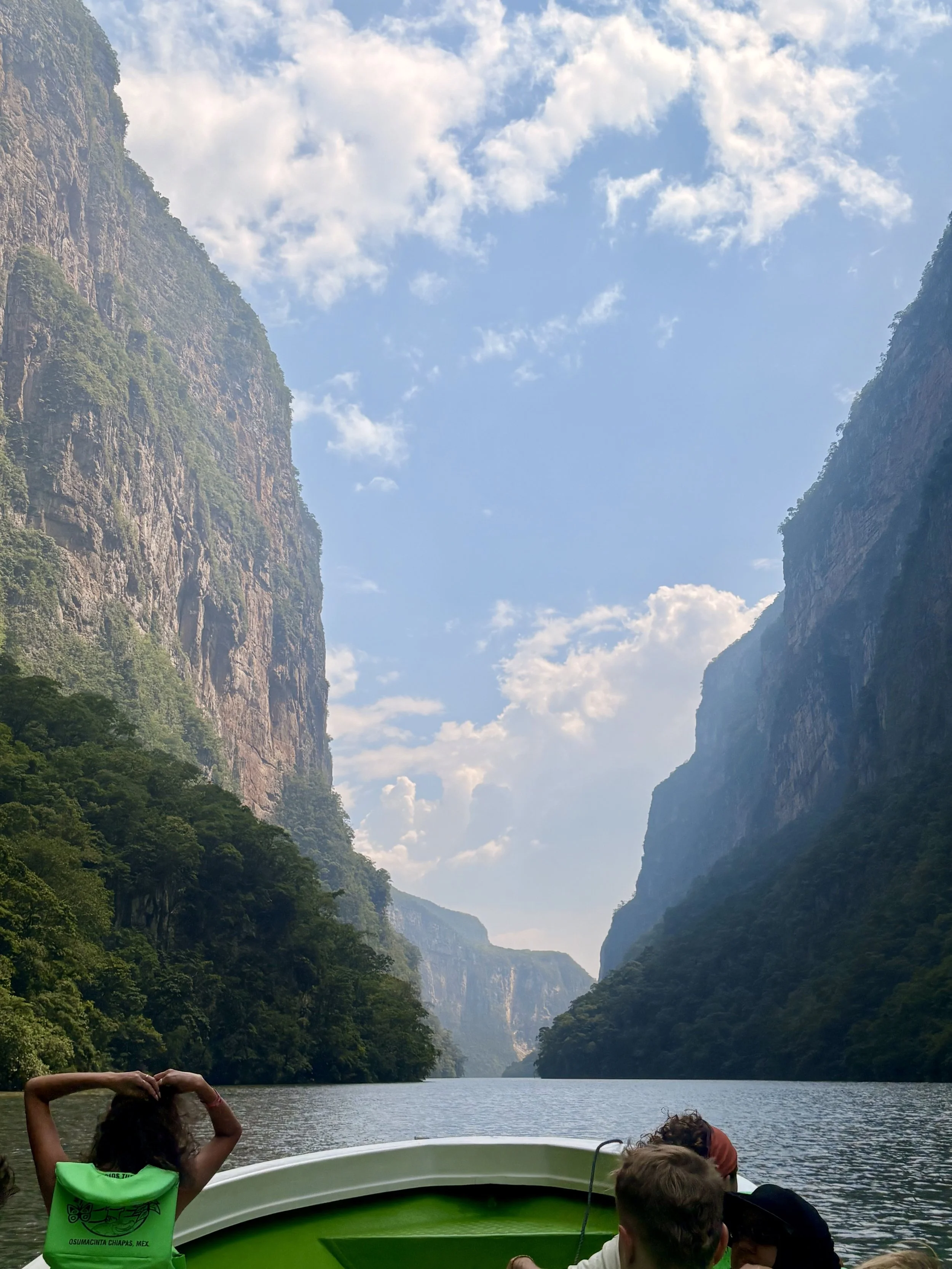
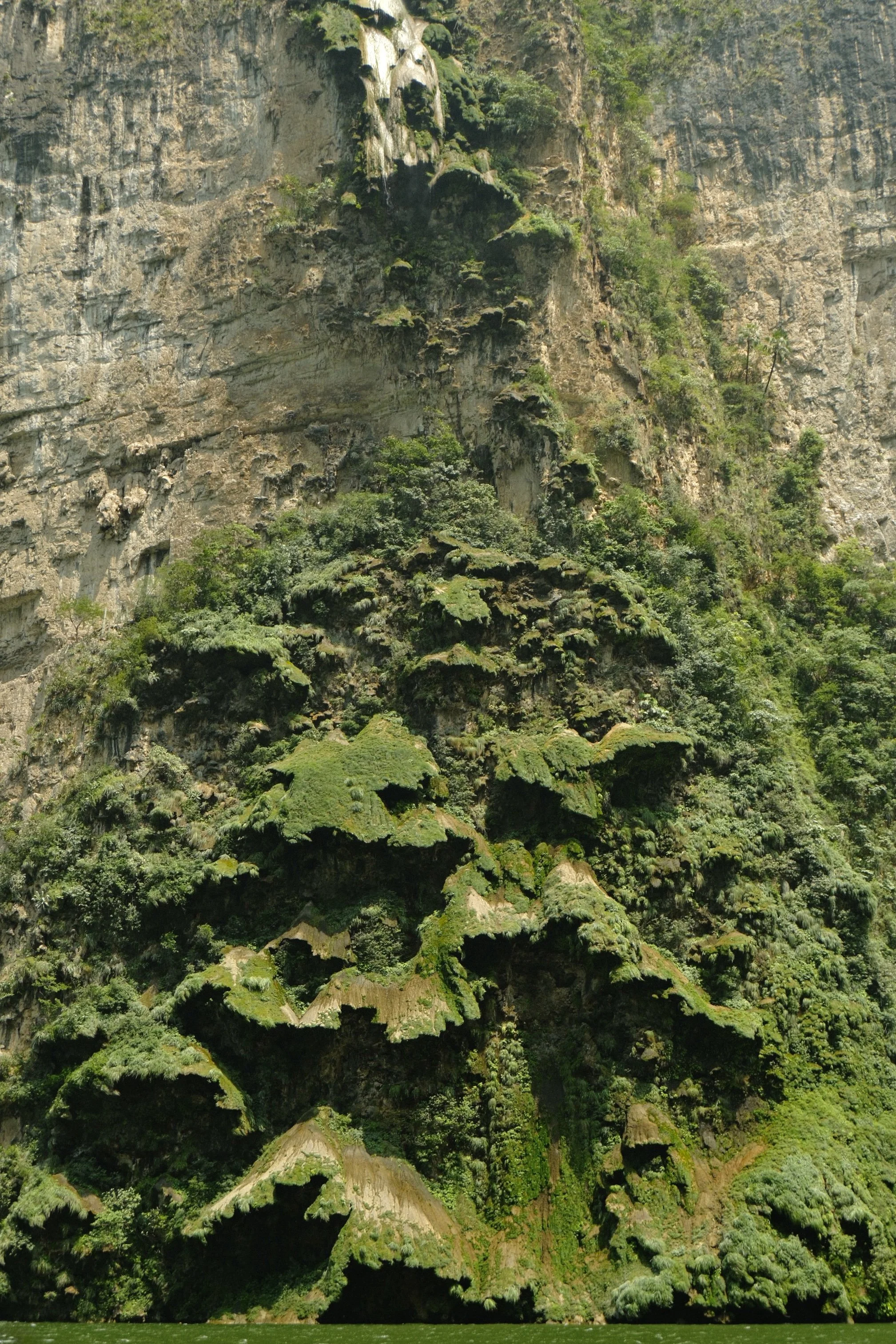
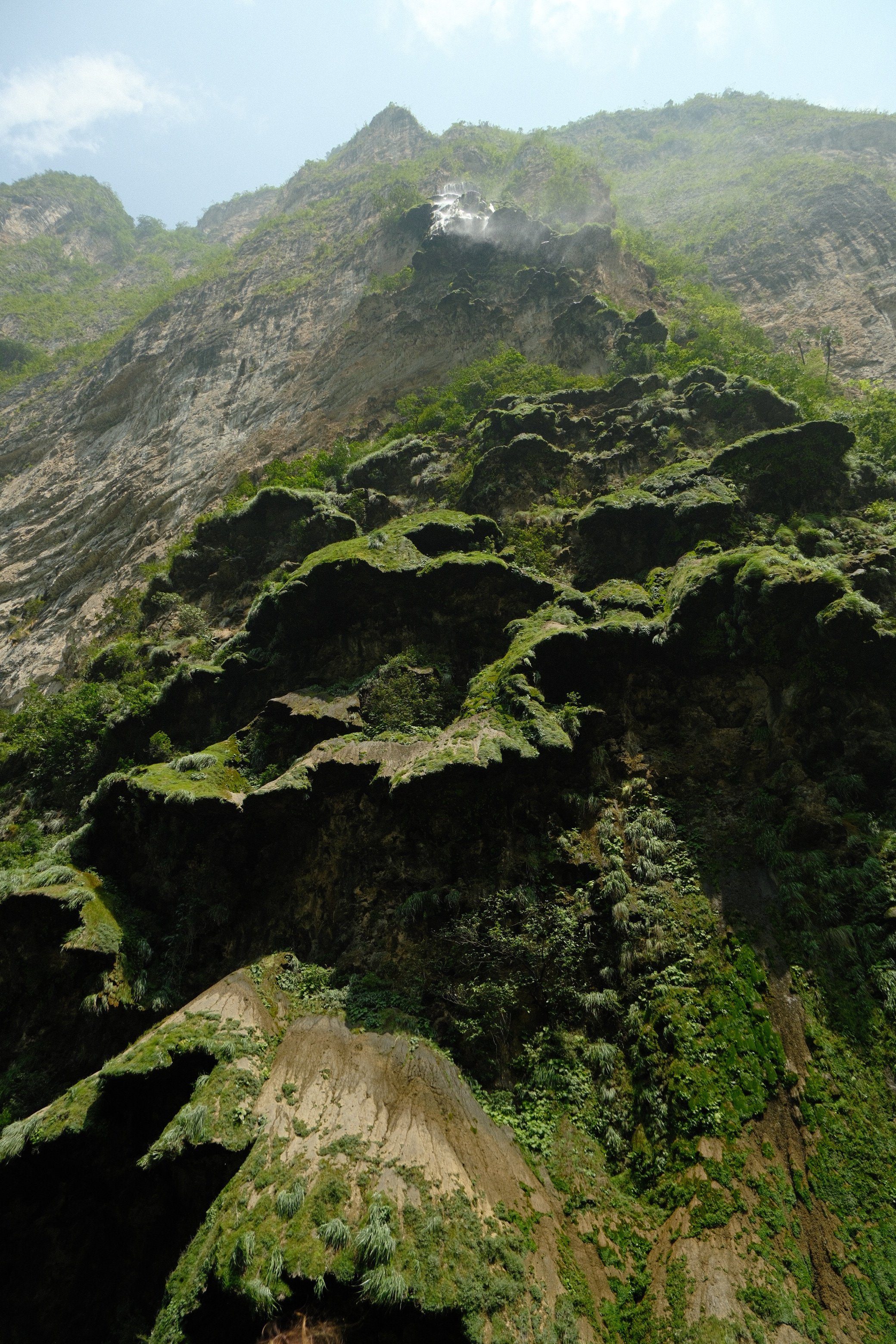
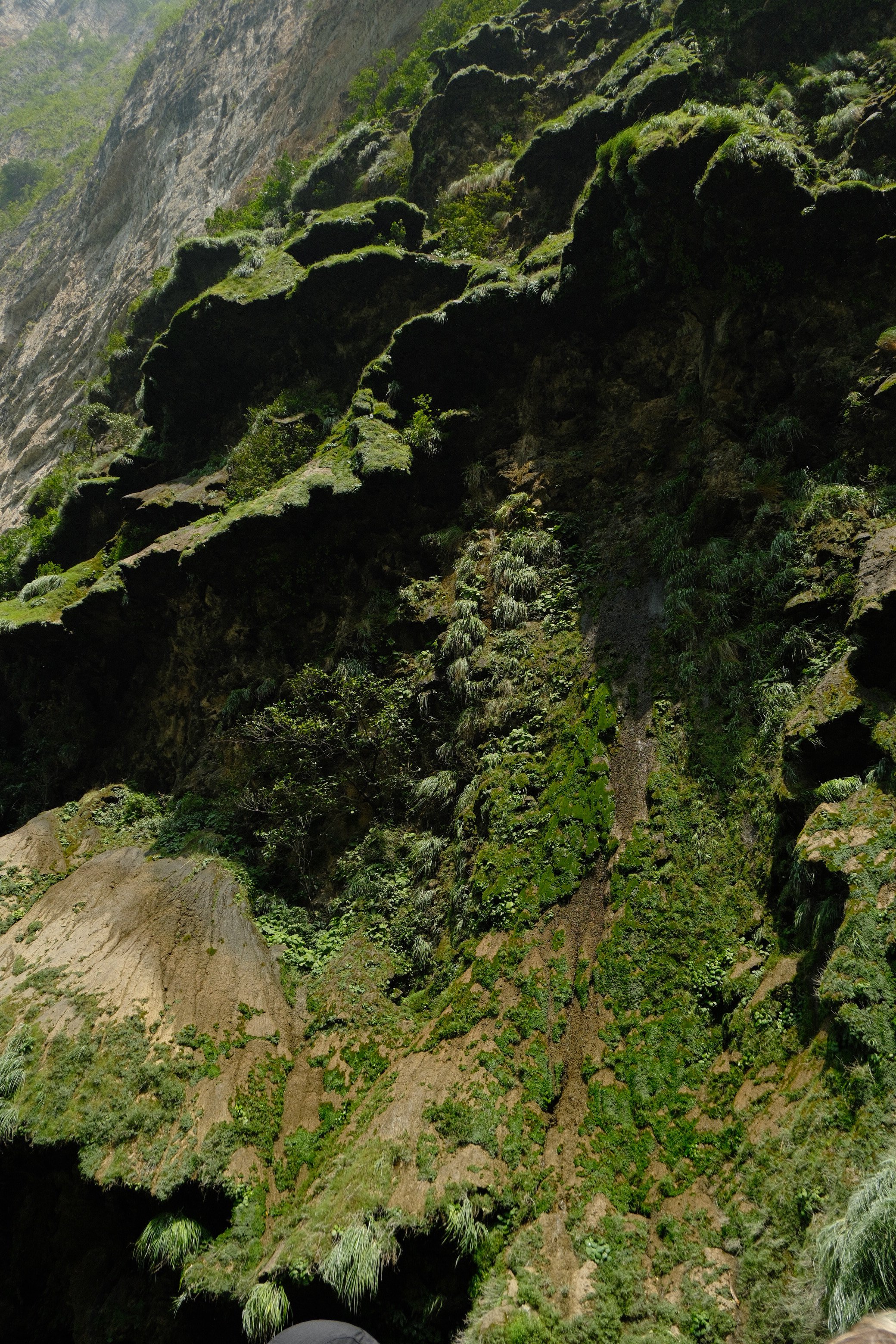
Árbol de Navidad (Christmas Tree), a super cool formation created by mineral deposits and vegetation.
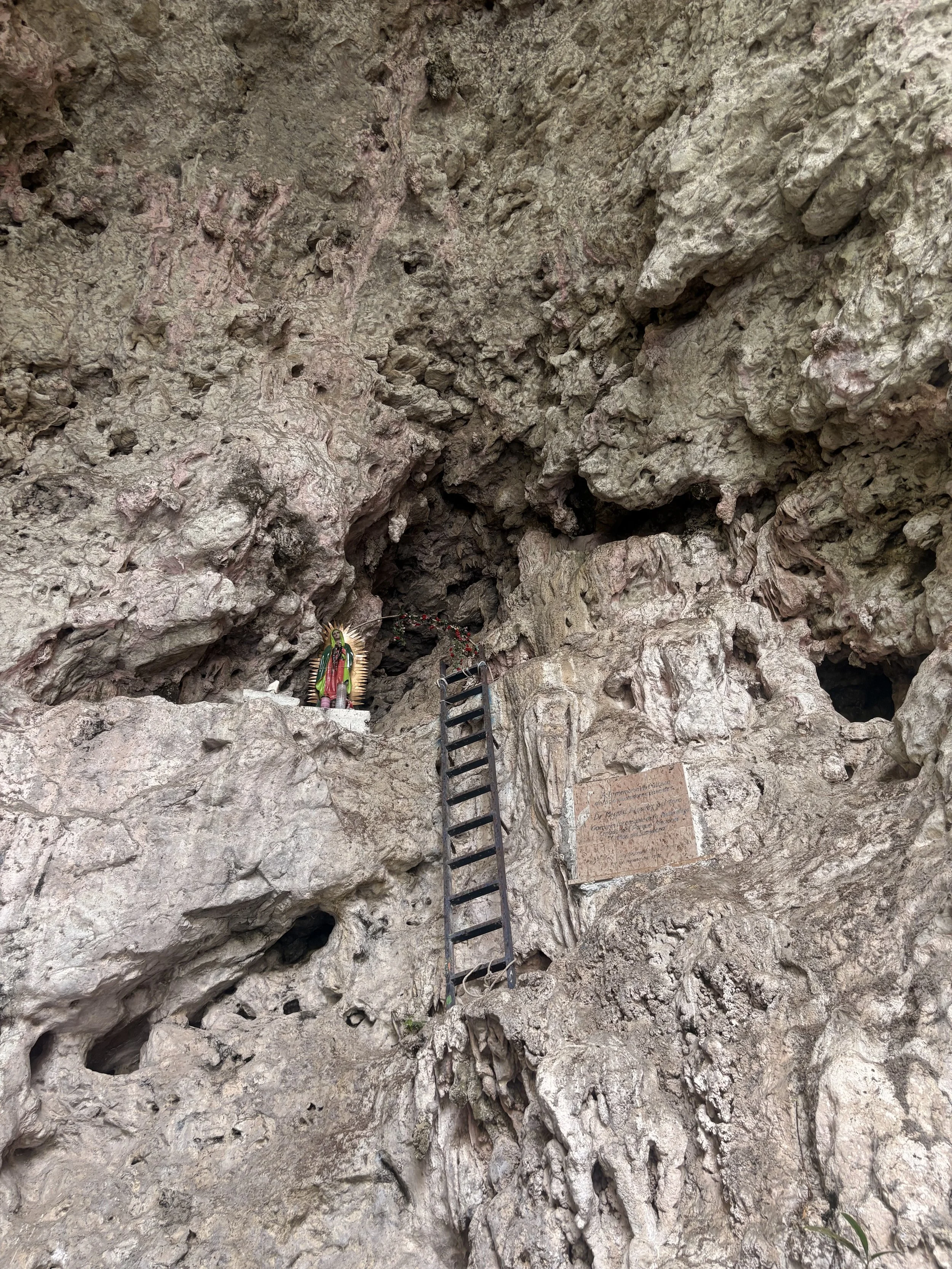
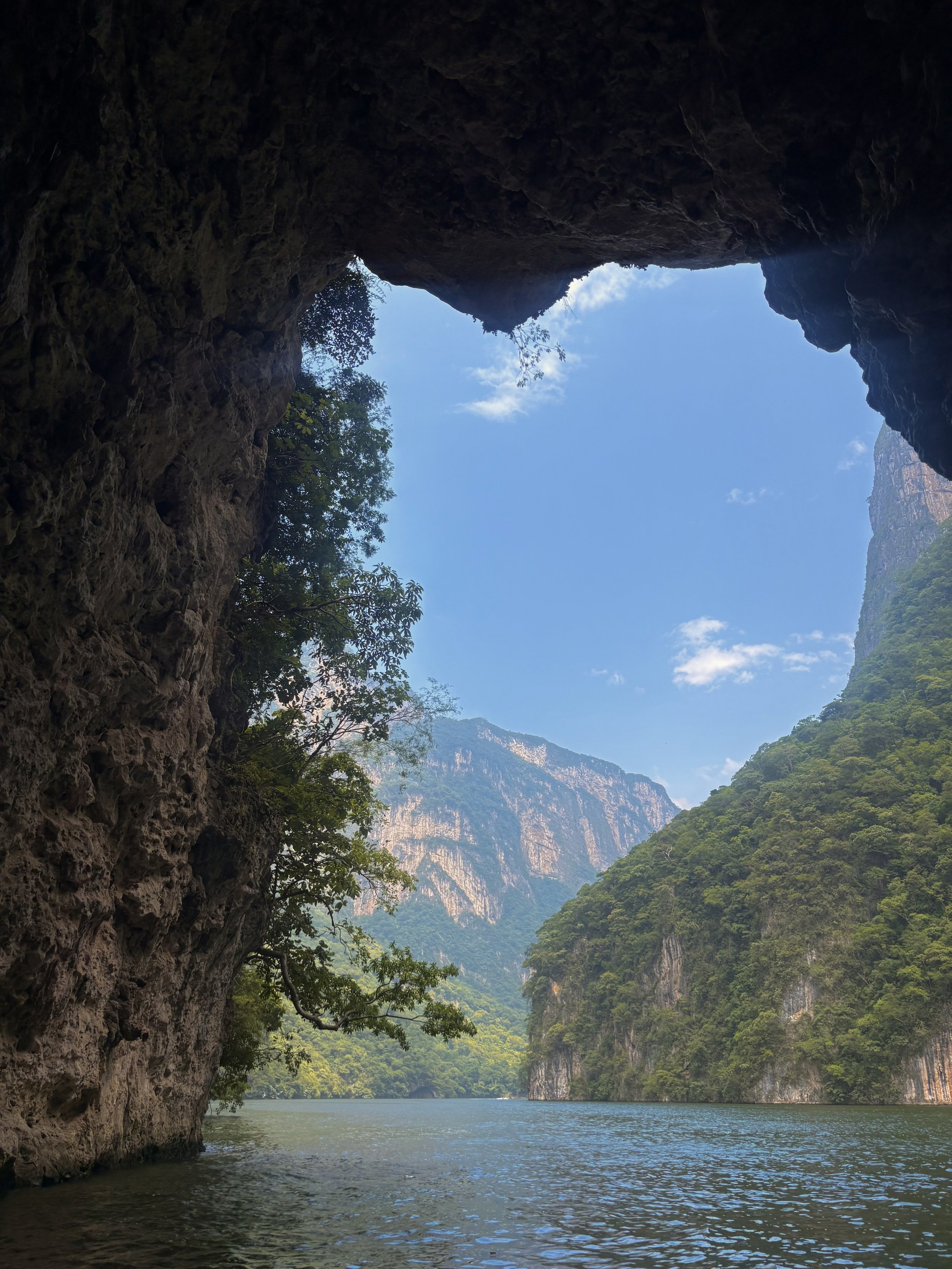
We also passed the Cueva de la Virgen, a cave associated with local religious traditions and fertility stories. Coming out the cave, it’s shaped as a heart!
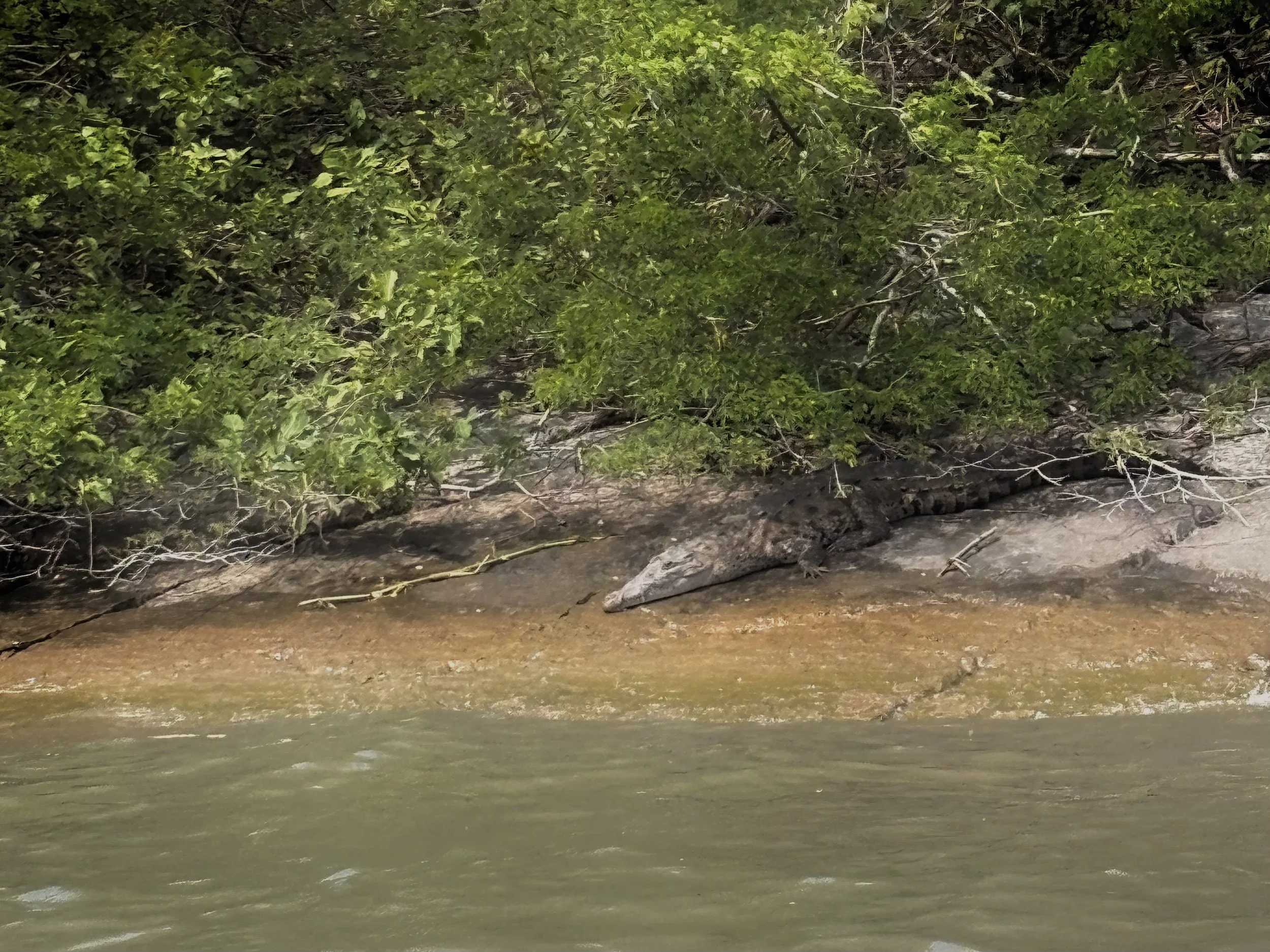
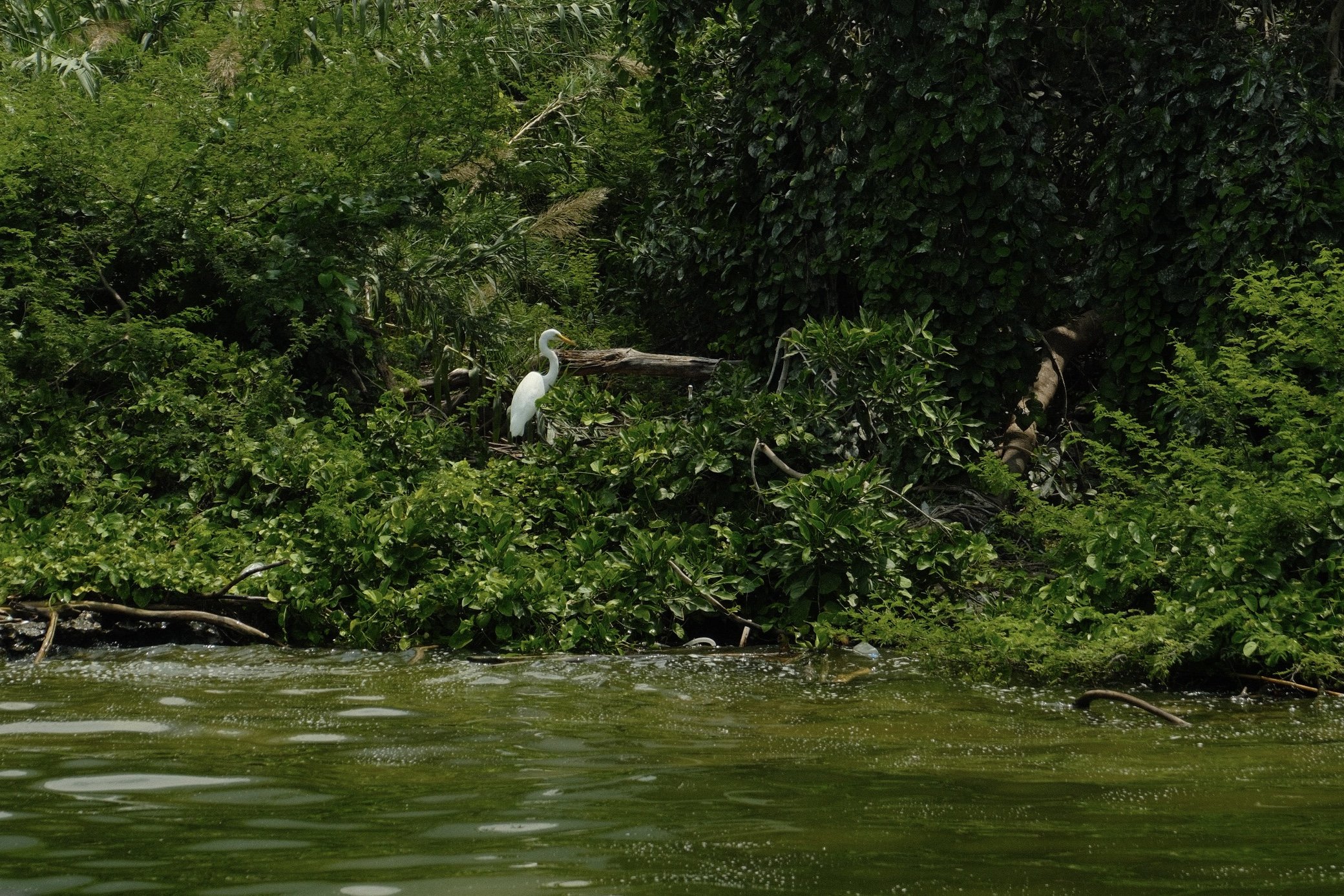
The canyon is also home to crocodiles, spider monkeys and loads of different species or birds.