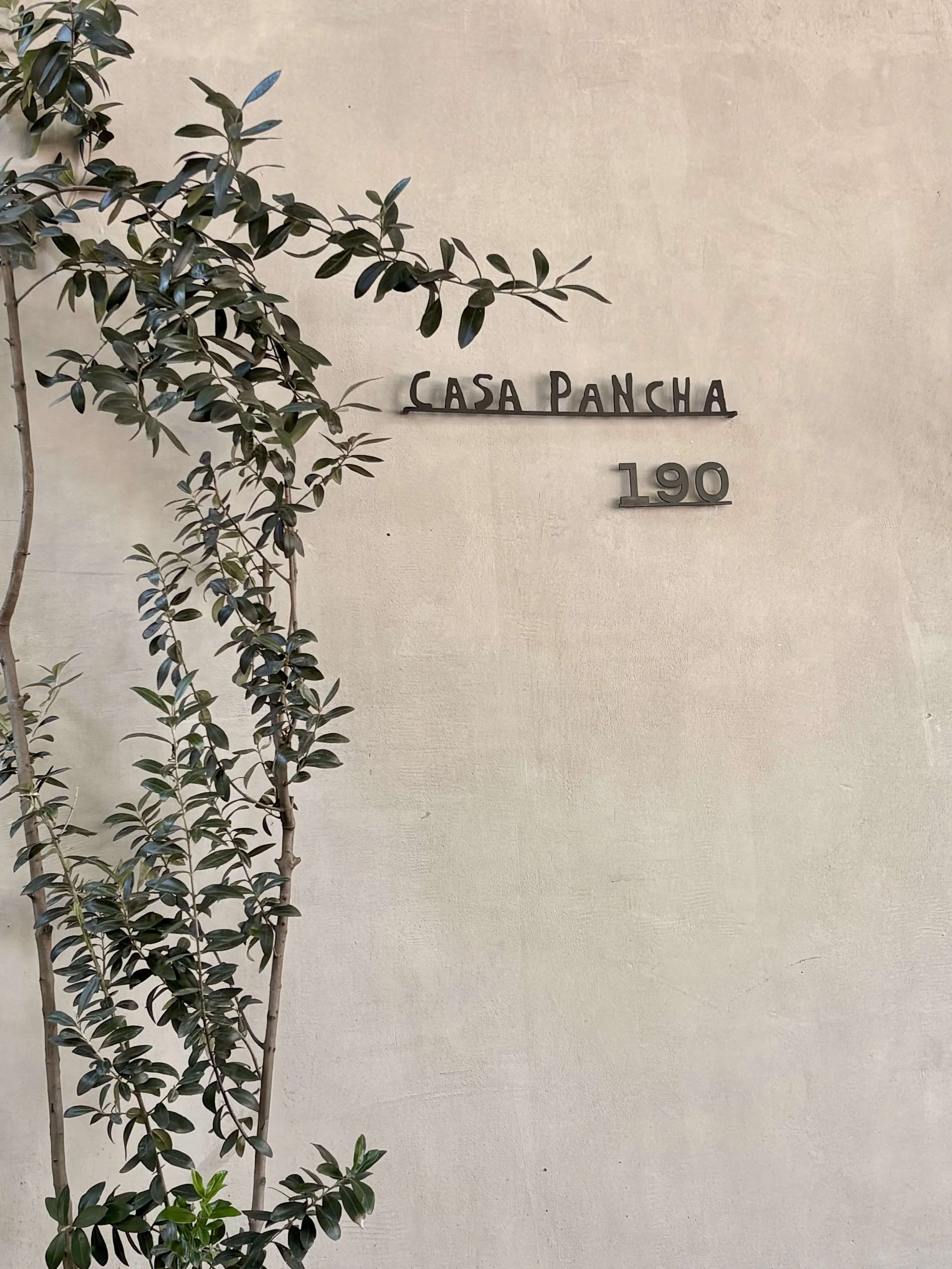
Spent my first few nights at Casa Pancha - a boutique hostel in the lovely neighbourhood of Condesa.
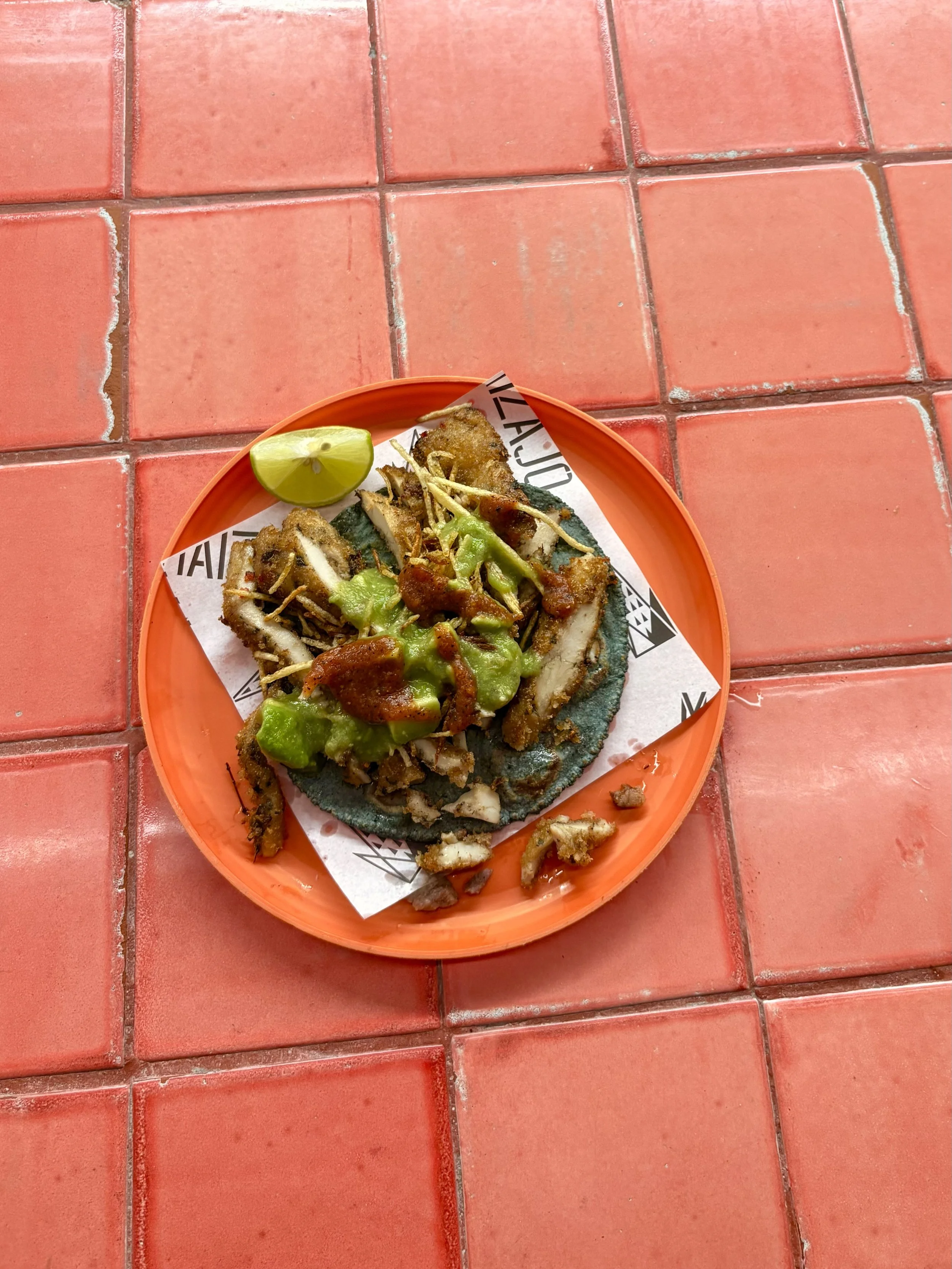
First nights dinner at Maizajo. Recognised by the Michelin Guide, and I can see why, these may be the best tacos I have ever eaten in my entire life! Definitely set the bar VERY high.
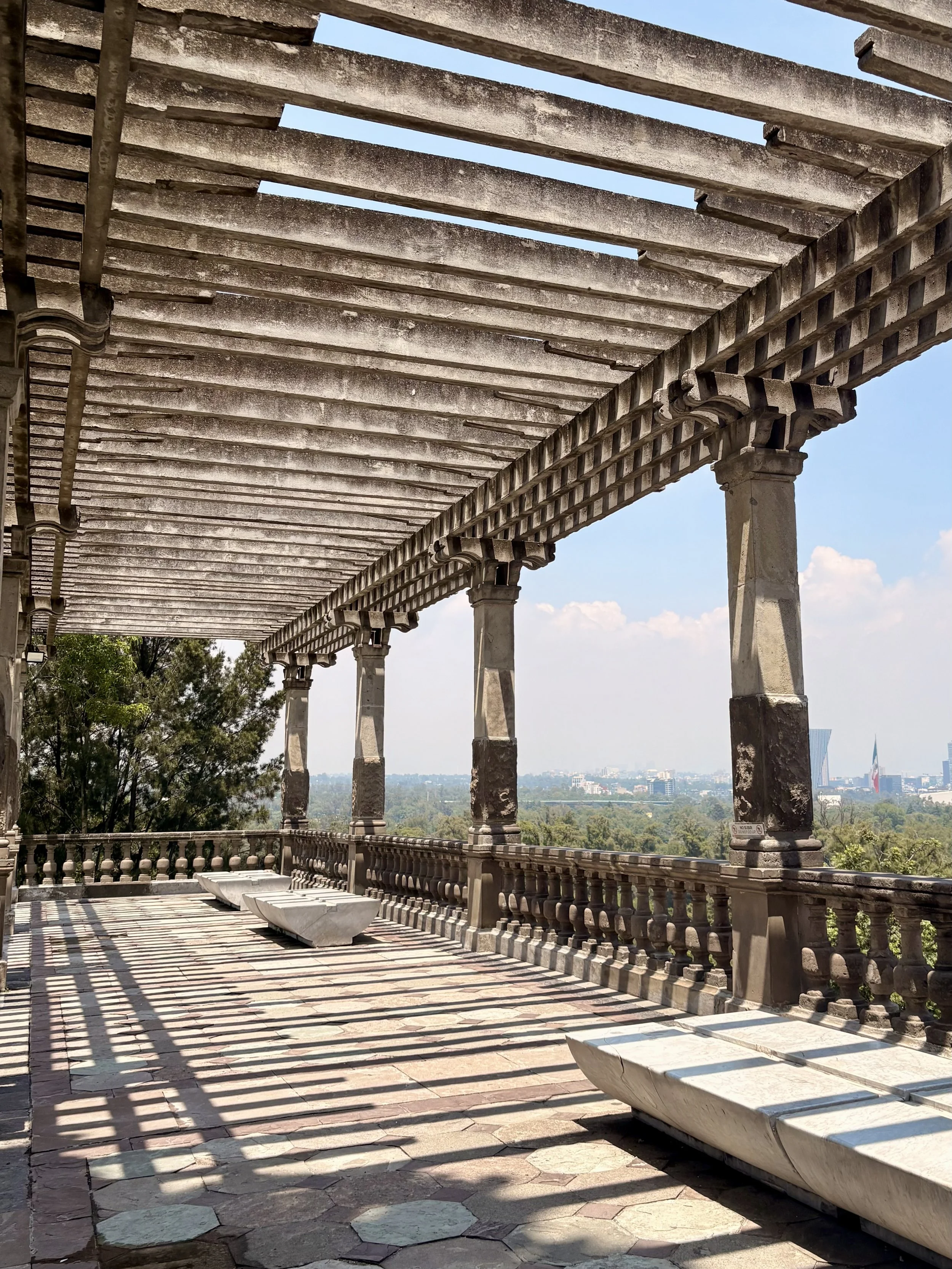
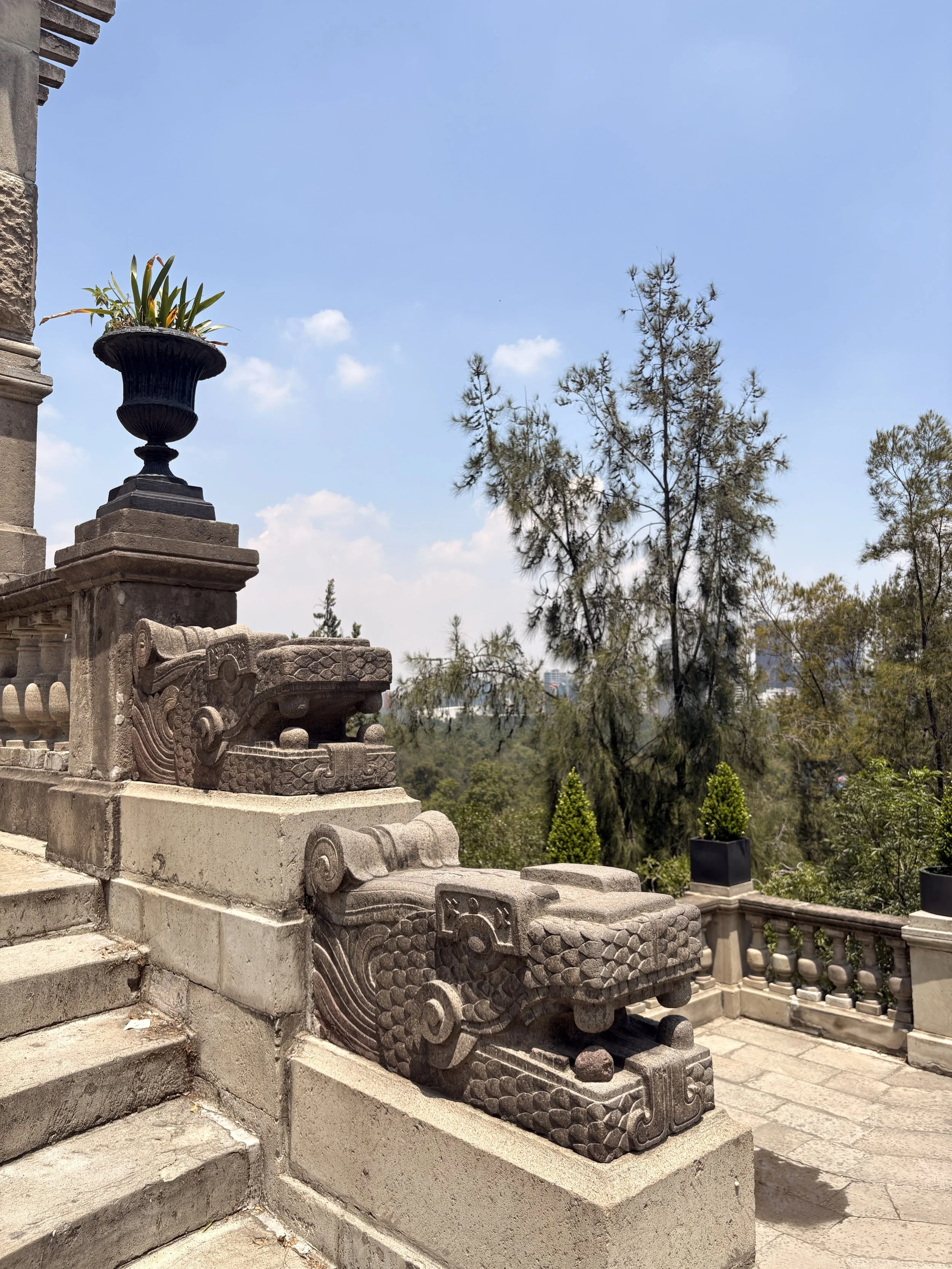
Chapultepec Castle. The hill in which the castle sits was important to the Aztecs long before the Spanish arrived, mainly as a source of water and for being a sacred site. The castle itself was built by the Spanish in the late 1700’s and became residence for Emperor Maximilian and Empress Carlota in the 1860’s.
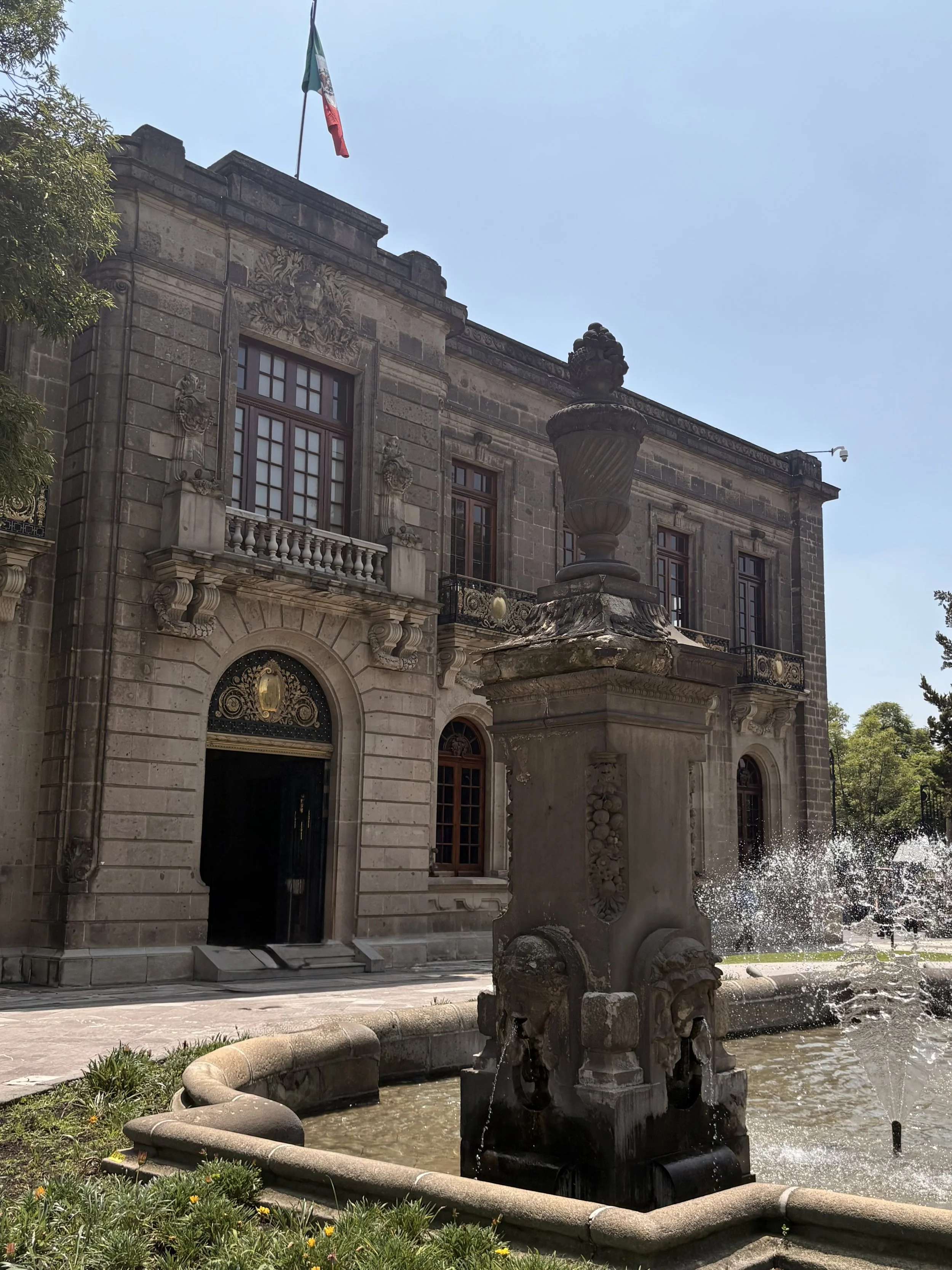
The hill / castle was also the site of the famous battle of Chapultepec during the Mexican-American war in 1847. Remembered for the young Mexican cadets known as the Niños Hero’s, who courageously died defending the castle from the U.S forces.
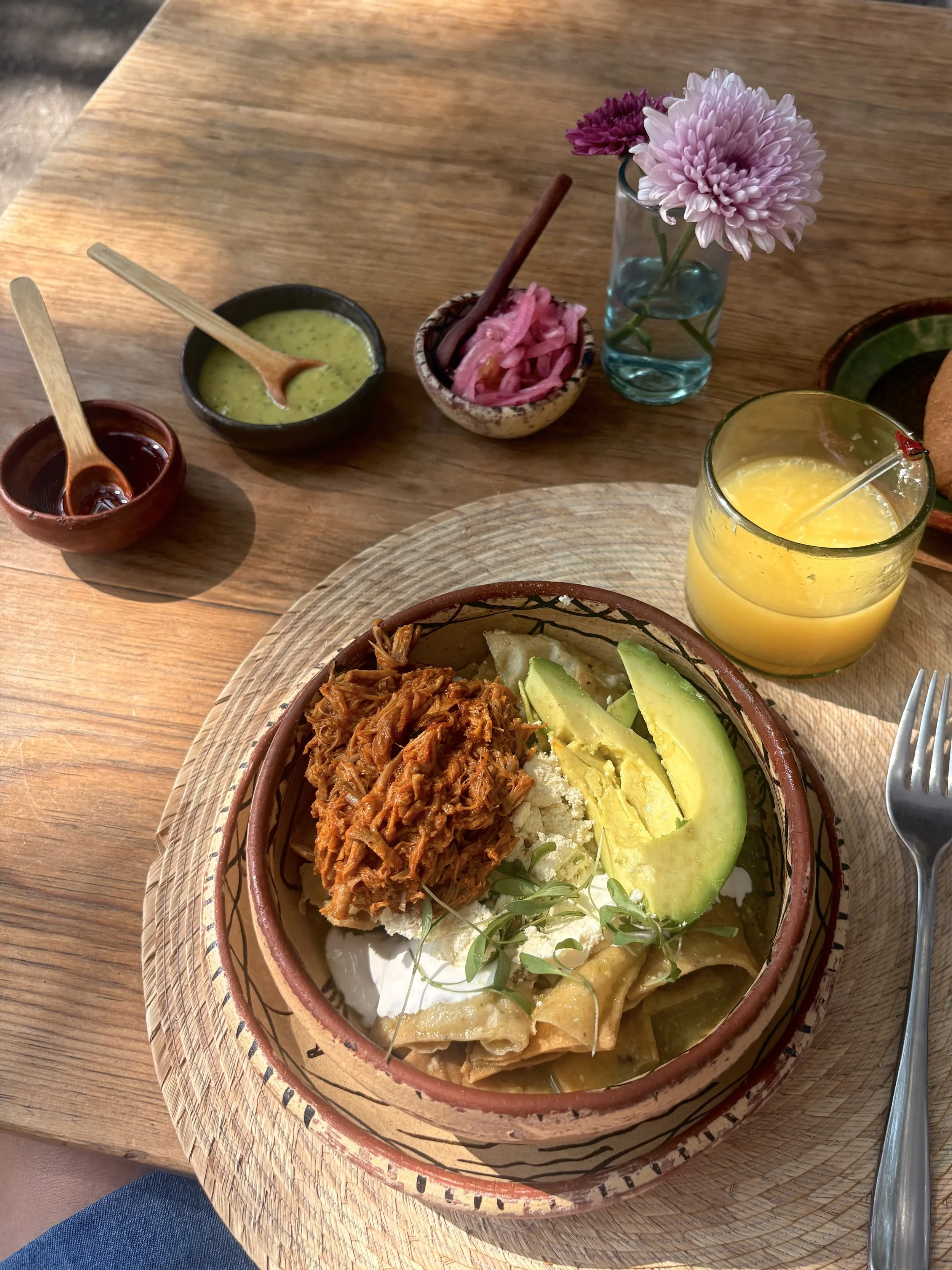
Breakfast at Amanda Manda. Tried a traditional Mexican breakfast, Chilaquiles - made from lightly fried tortilla chips (totopos) tossed in a green or red salsa, so the tortillas soften slightly while keeping some crunch. They’re usually topped with things like crema, queso fresco, onion and coriander, with different proteins added depending on the dish. I had mine with pork, but chicken and fried eggs are also really popular toppings.
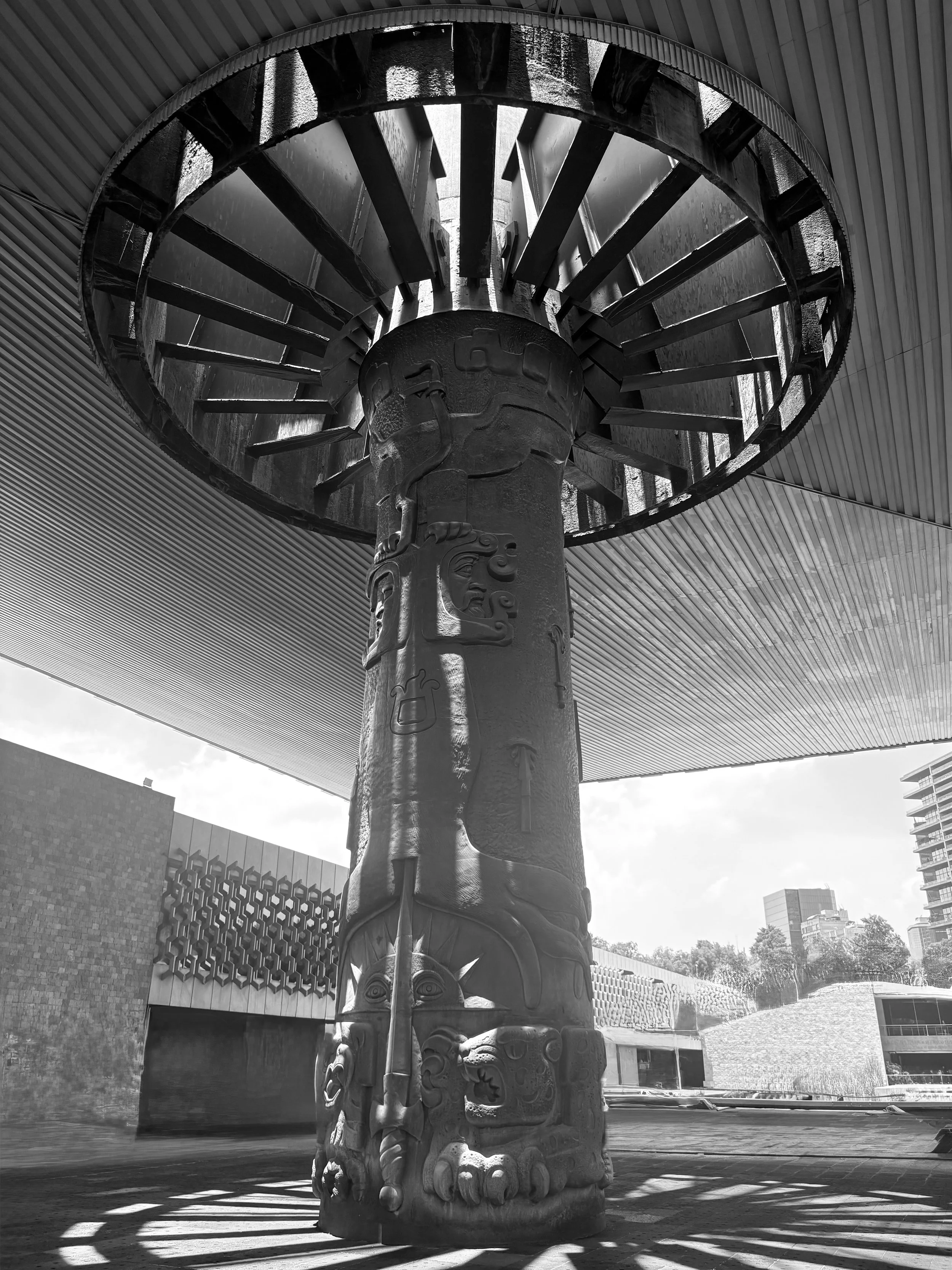
The Anthropology Museum was a huge highlight of Mexico City for me.
As soon as you walk in you are greeted by El Paraguas (“The Umbrella”) a huge central canopy in the museum courtyard. Designed by two architect brothers José and Tomás Chávez Morado, El Paraguas protects visitors from the rain while keeping the courtyard open to the sky and surrounding nature. Its bronze column, decorated with the sculpture “Imagen de México”, symbolises the meeting of Mexico’s pre-Hispanic and Spanish cultures and the formation of modern Mexican identity.
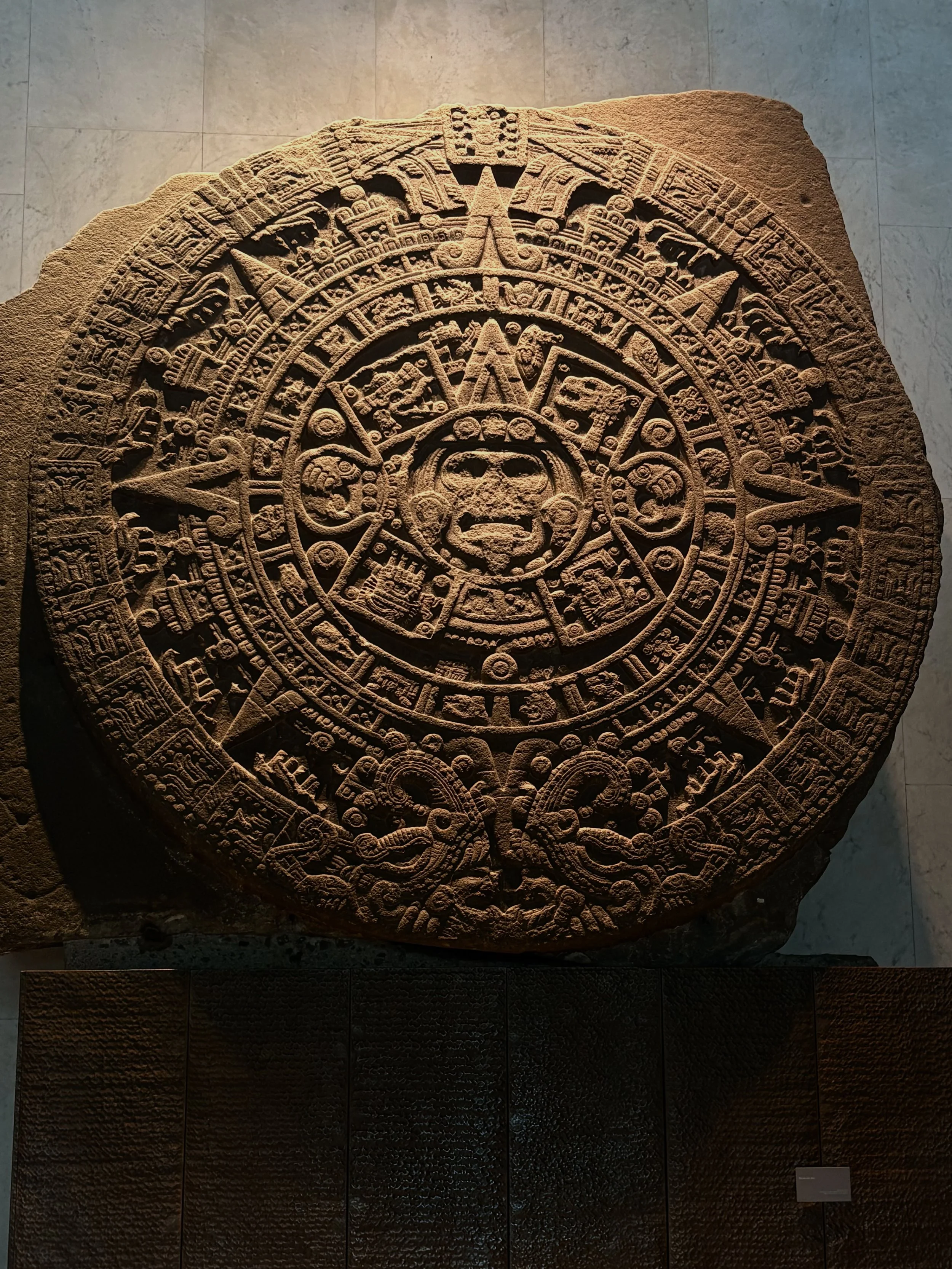
The Mexica collection was my favourite. Featuring the famous Aztec Sun Stone, this literally made my jaw drop as soon as I saw it.
The famous Sun Stone, or Piedra del Sol, is a huge Mexica monument covered in symbols representing time, the sun and the cycles of the universe. Often called the Aztec calendar, it tells a much bigger story about Mexica beliefs and the different ages of the world.
At its centre is the sun god Tonatiuh, surrounded by intricate symbols representing days and cosmic eras. Discovered beneath Mexico City’s Zócalo in 1790, it is now one of the most iconic objects in the National Anthropology Museum.
If you look closely at the centre Tonatiuh is shown with clawed hands gripping human hearts and a sacrificial blade for a tongue. This reflects the Mexica belief that the sun needed blood and human hearts to continue its journey across the sky and keep the world alive. This belief was one of the reasons sacrifice played such an important role in Mexica religion, with human sacrifices believed to help sustain the gods and keep the universe in balance.
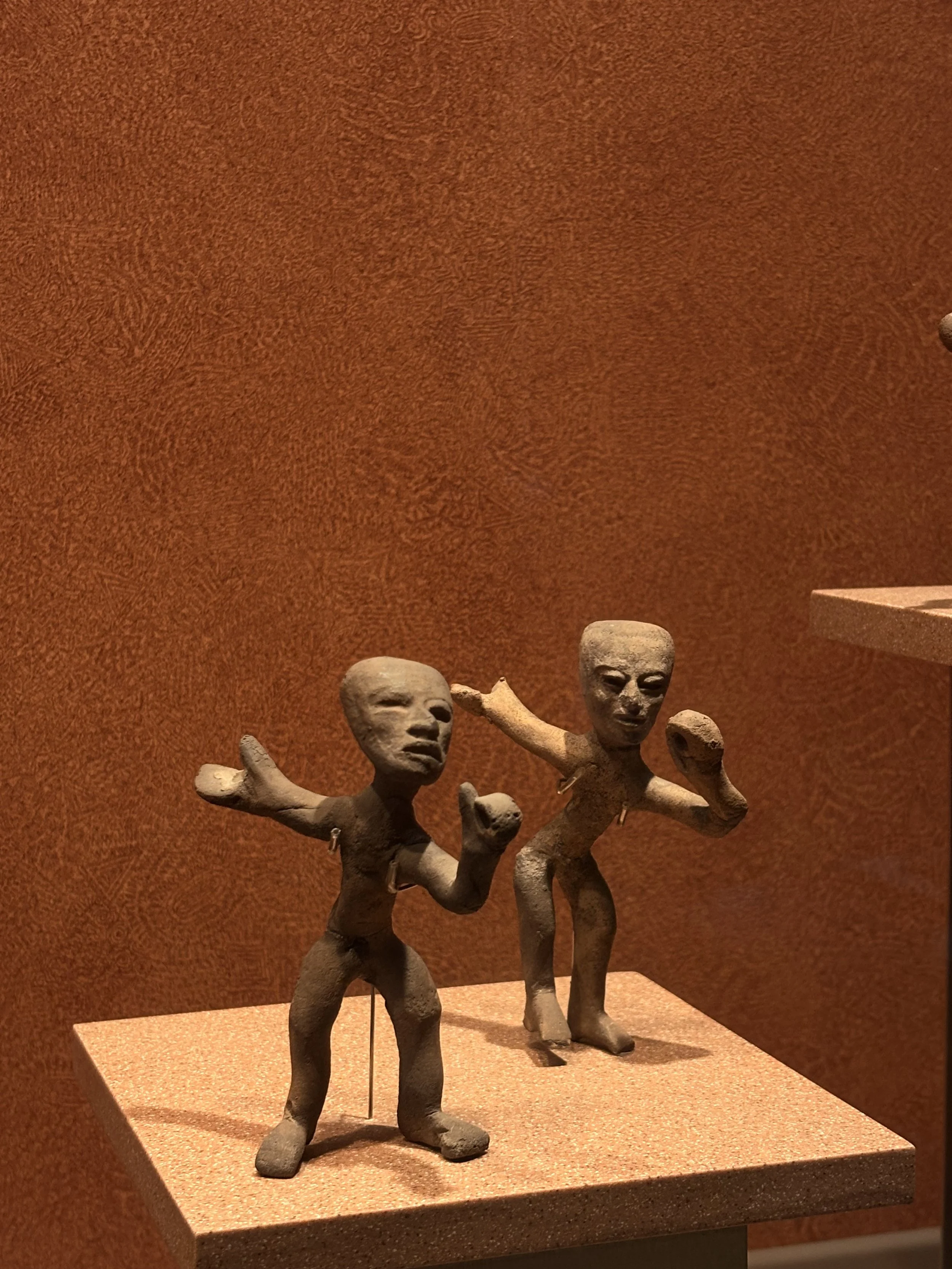
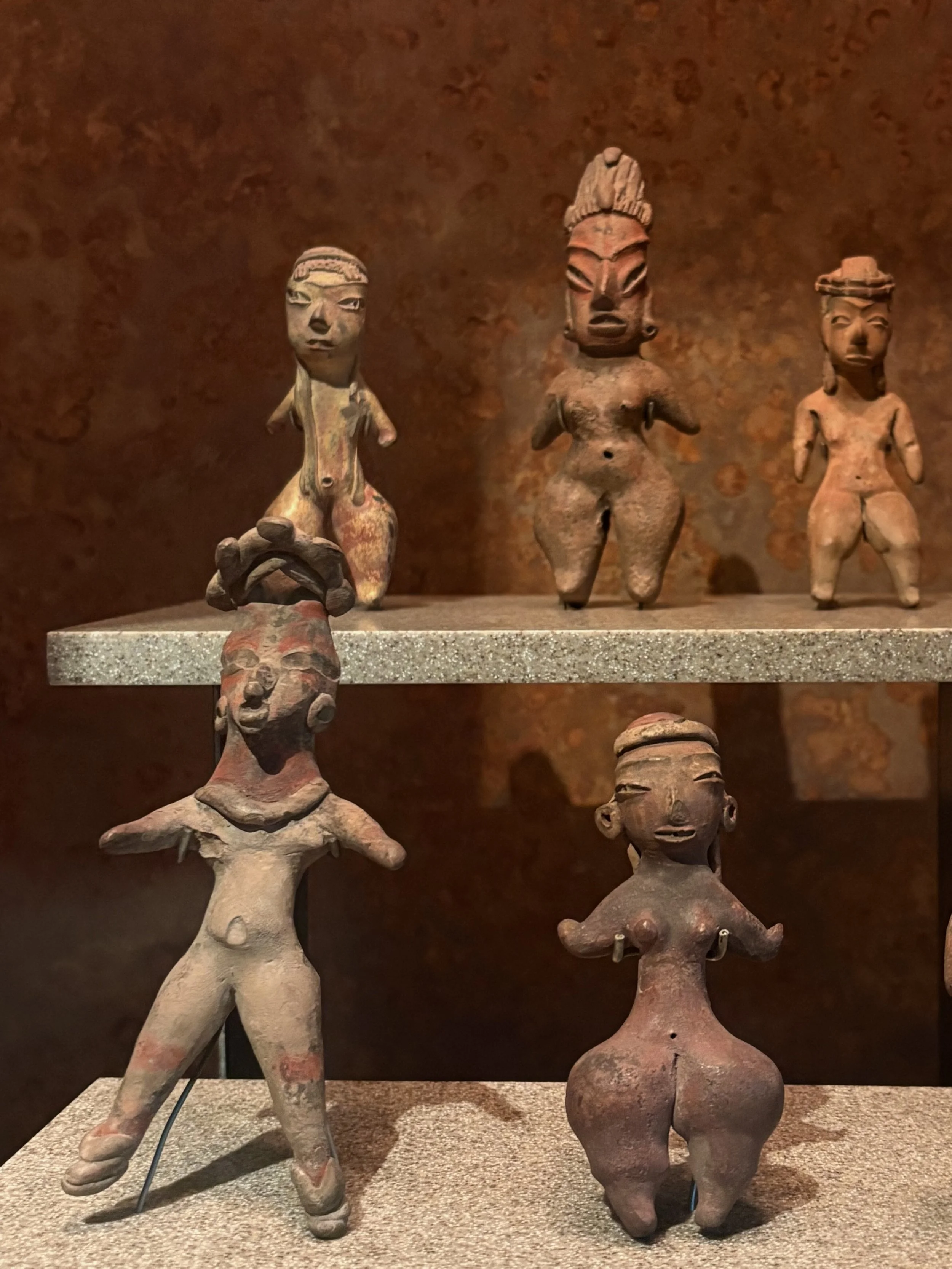
The museum also has hundreds of smaller stone carvings depicting gods, warriors, animals and everyday people.
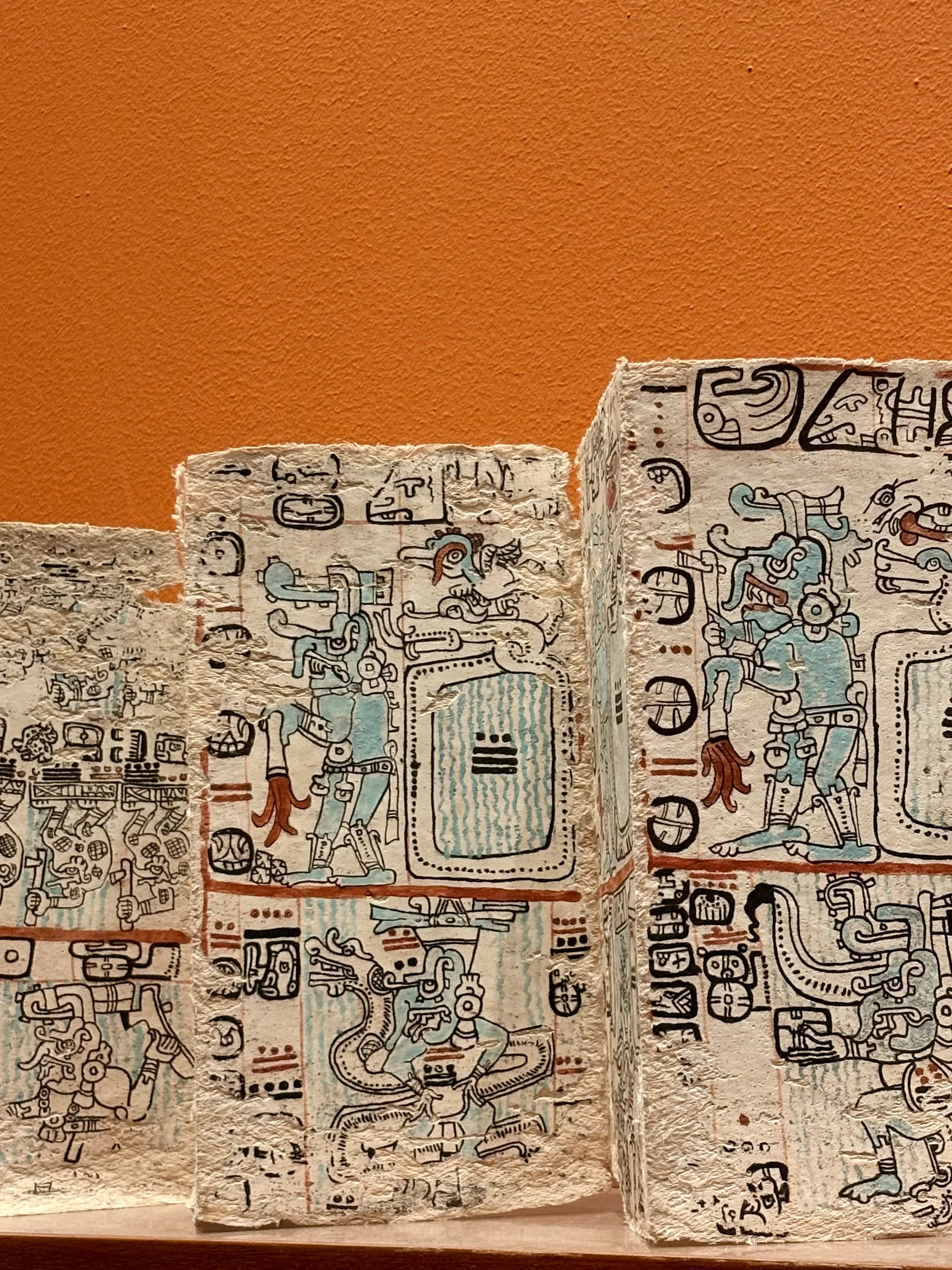
I also saw ancient codices, illustrated manuscripts that used symbols and images to record everything from religious beliefs and rituals to history, calendars and everyday life. An incredible insight into how Mesoamerican civilisations recorded and passed down knowledge.
My second (more sociable hostel stay!) - Apapacho Hostel in Centro.
Apapacho is a warm hug, but it means much more than simple physical contact. In Mexico it is often described as "to hug the soul”. I made some really great friends here.
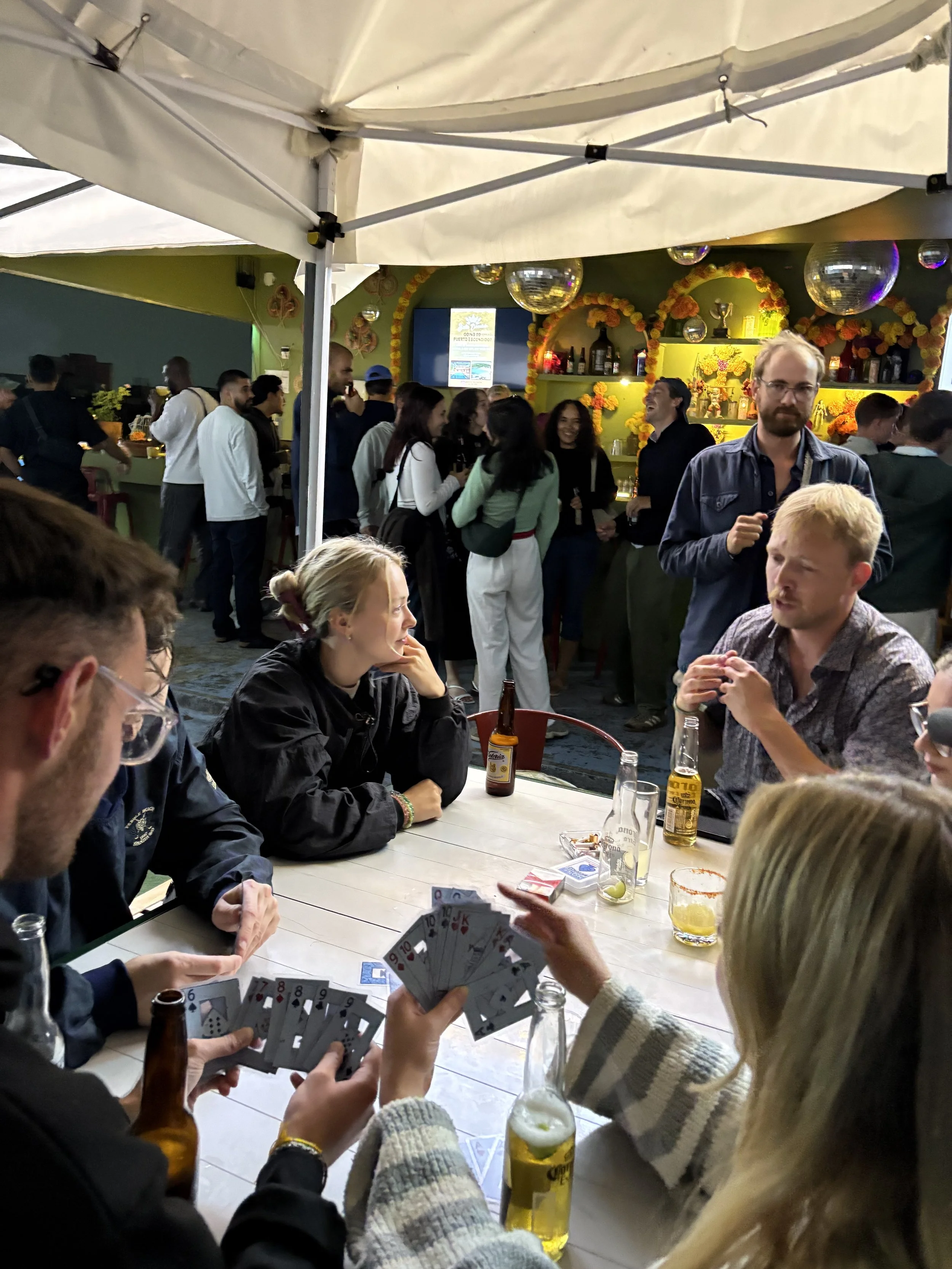
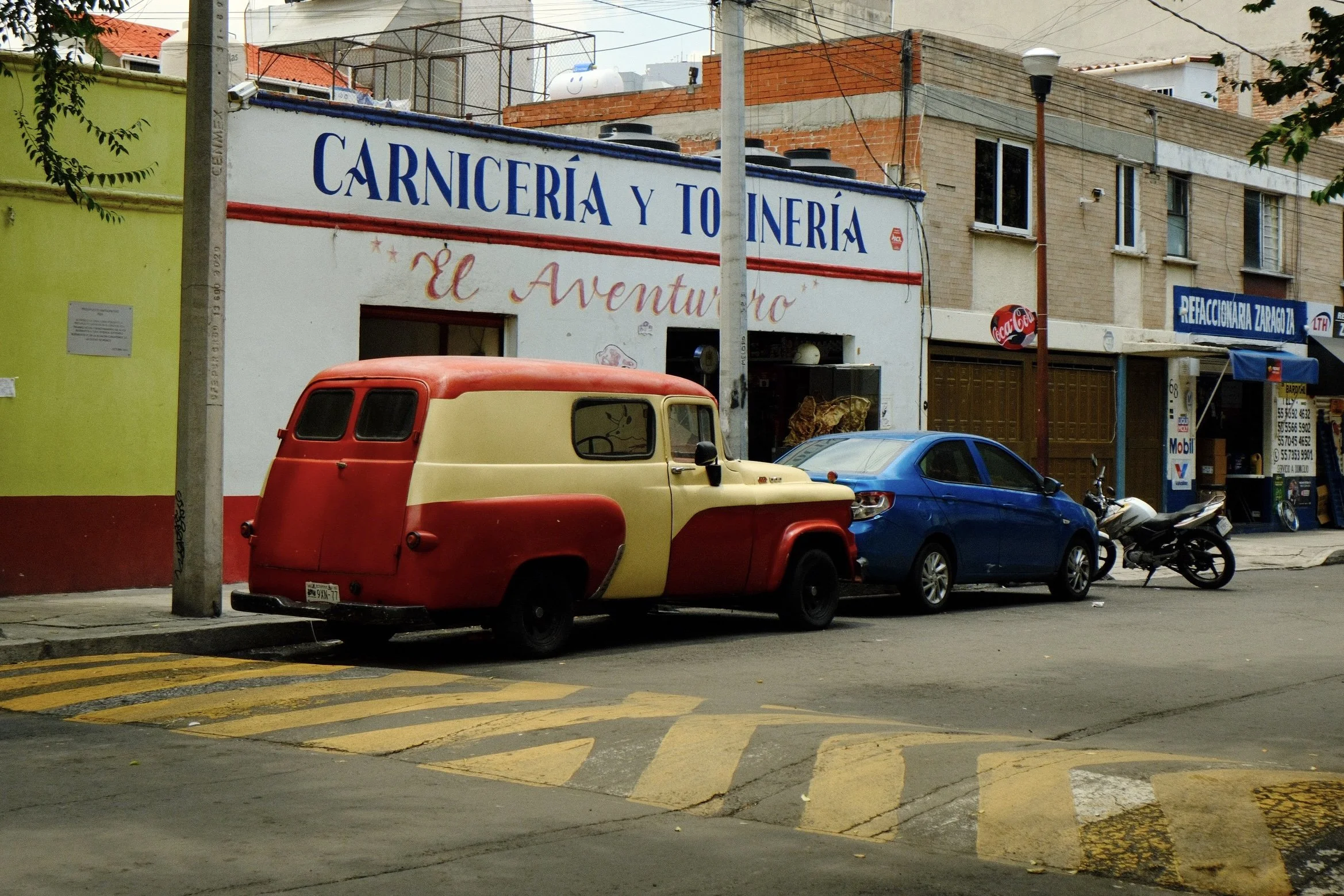
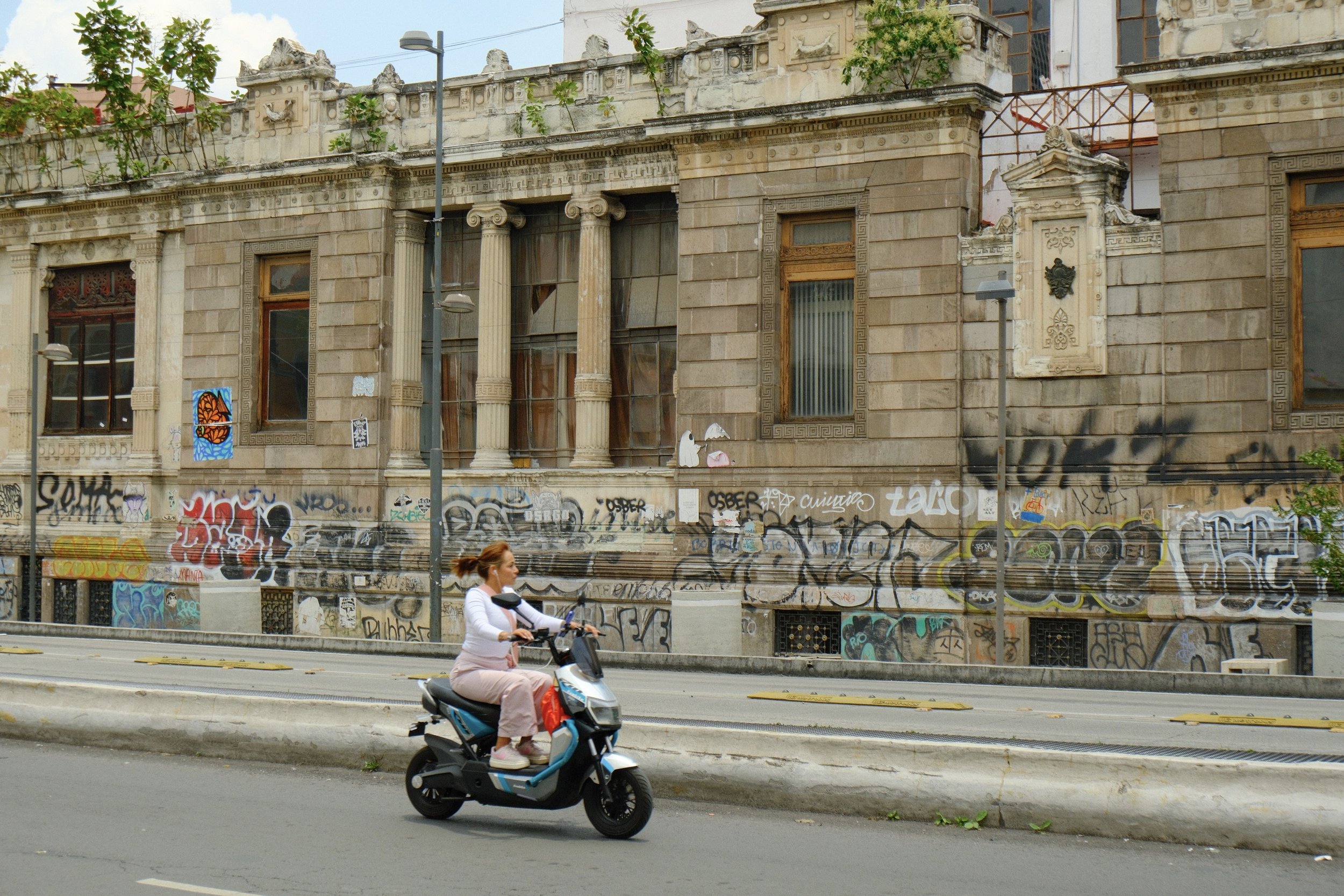
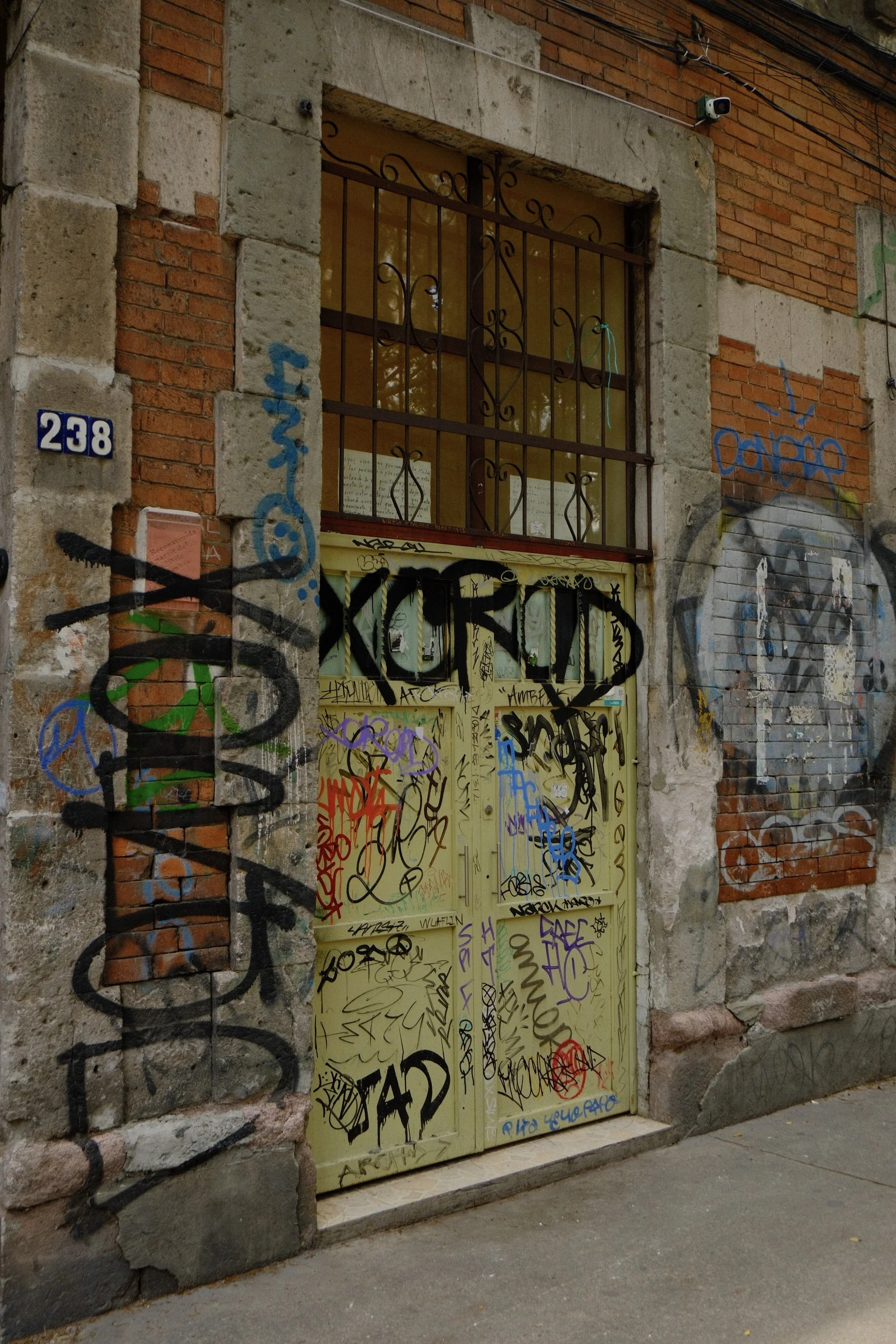
I walked over to Biblioteca Vasconcelos - through some much less touristy and slightly unsafe streets (sorry Mum & Dad), but I got to see a lot more of the local side of Mexico City. Tried not to get my camera out too much…
Walking into Biblioteca Vasconcelos, I could immediately see it was well worth the walk. Designed by Mexican architect Alberto Kalach, the building combines the library with huge gardens, bringing nature and architecture together. Inside there are enormous floating bookshelves stretching off in every direction, looks super cool. Hanging between them is a huge whale skeleton, Mátrix Móvil, by Mexican artist Gabriel Orozco
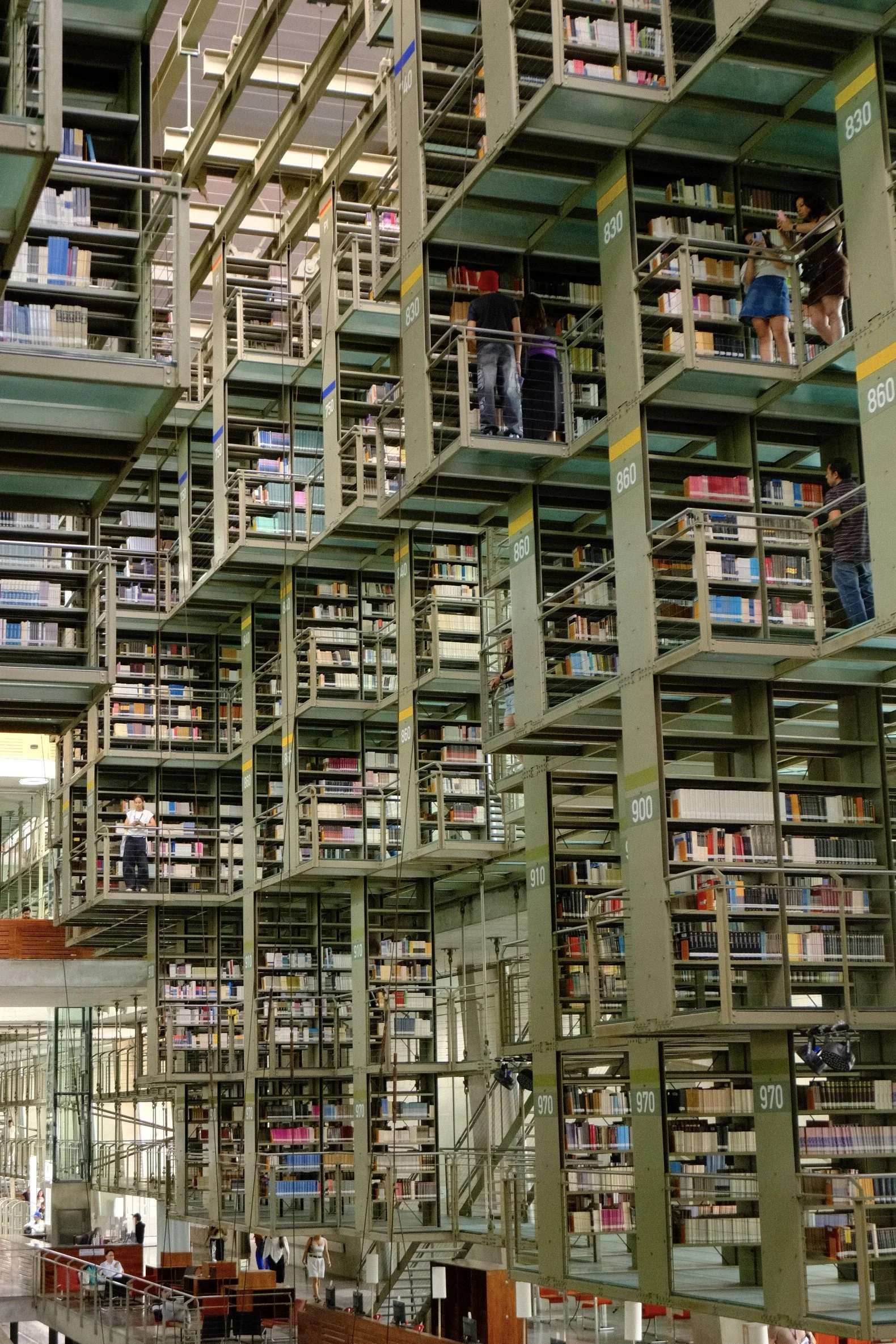
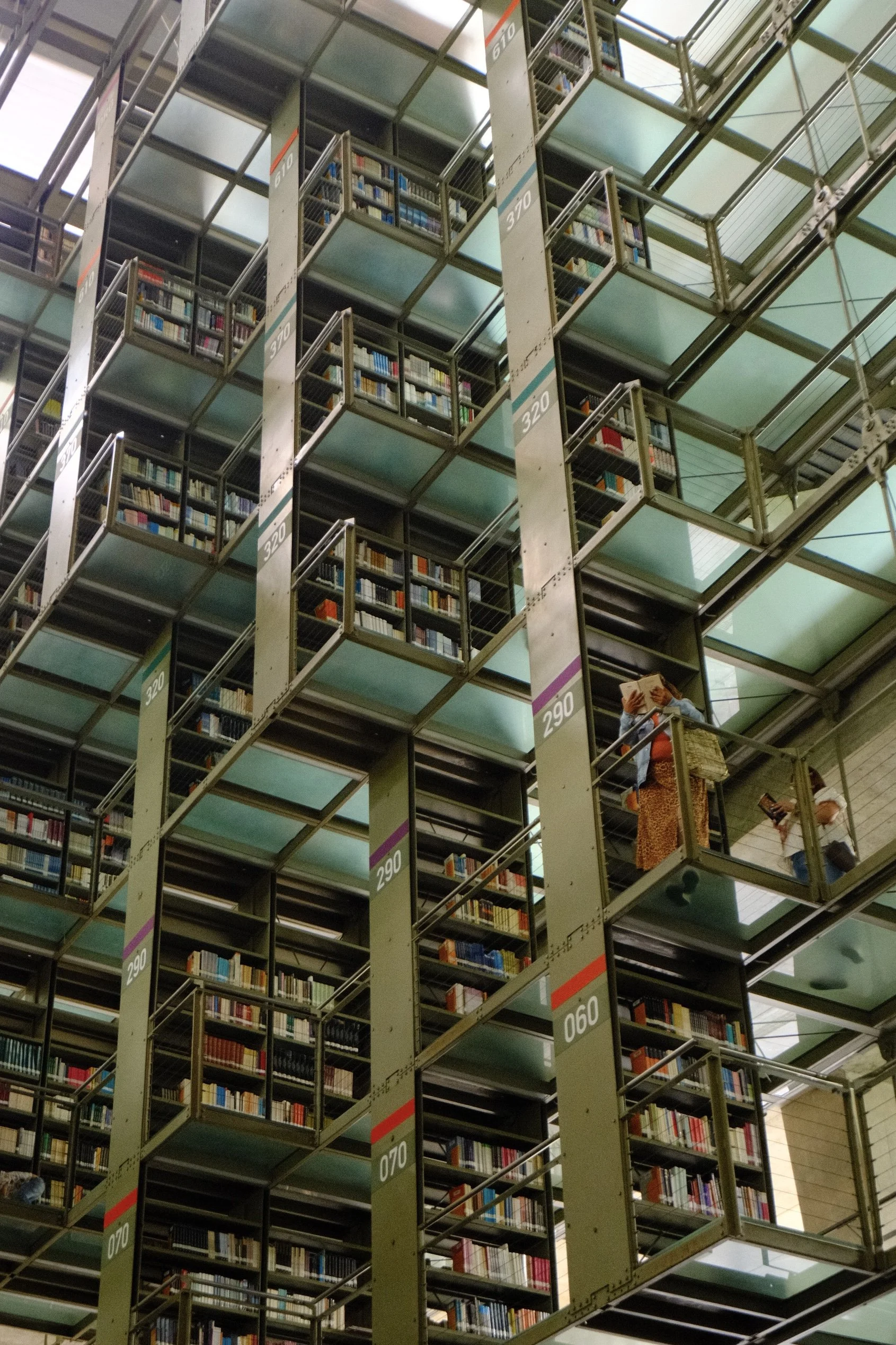
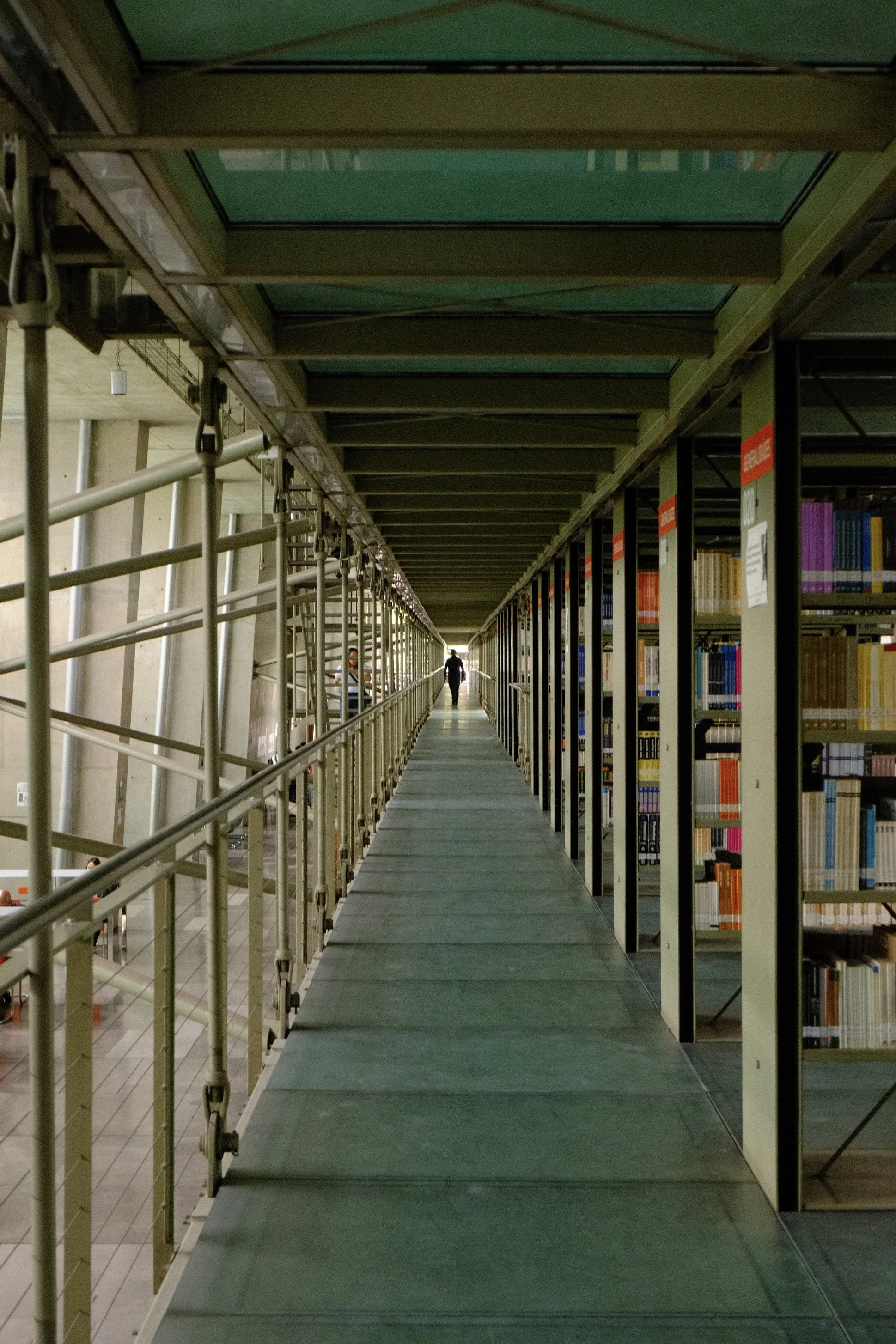
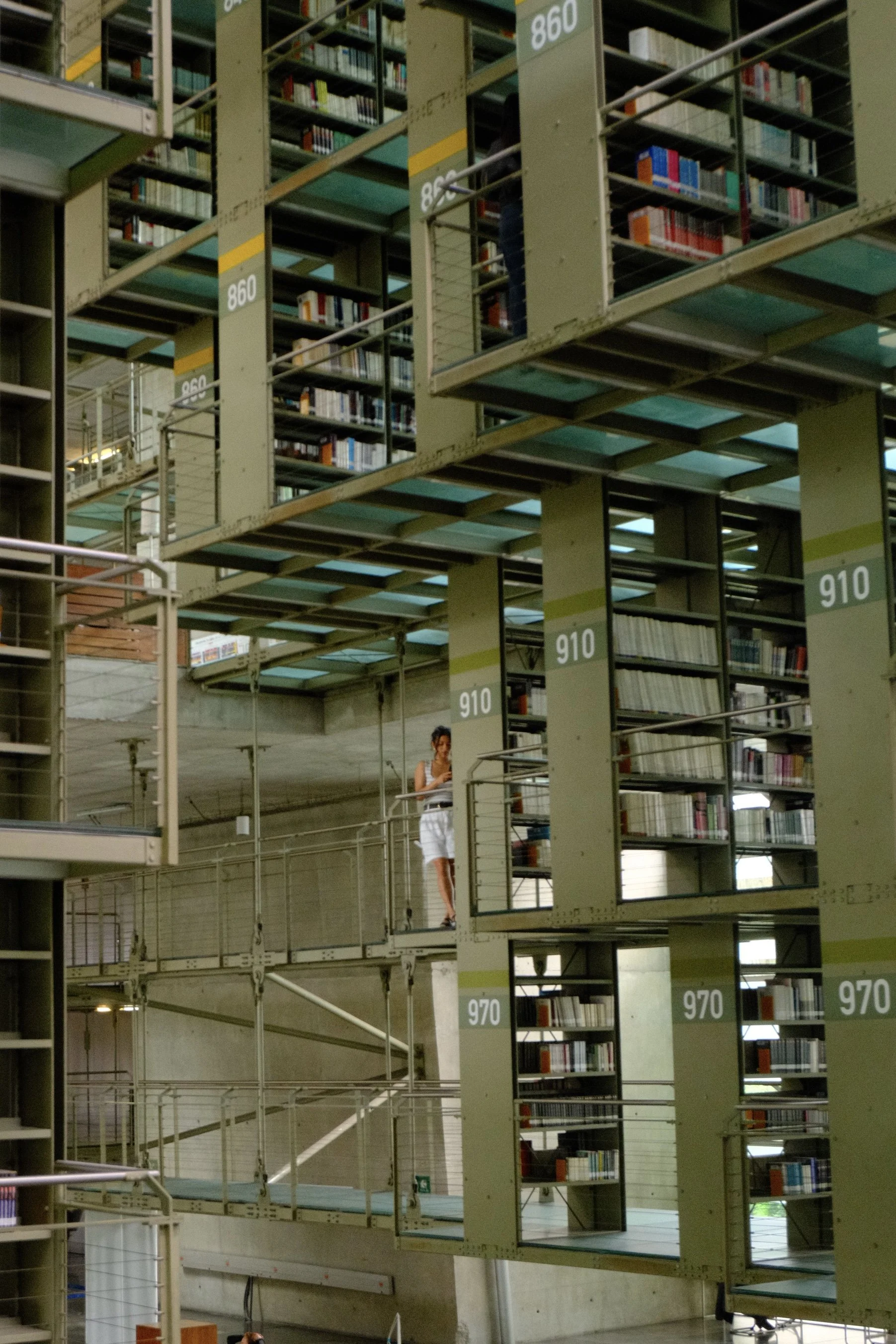
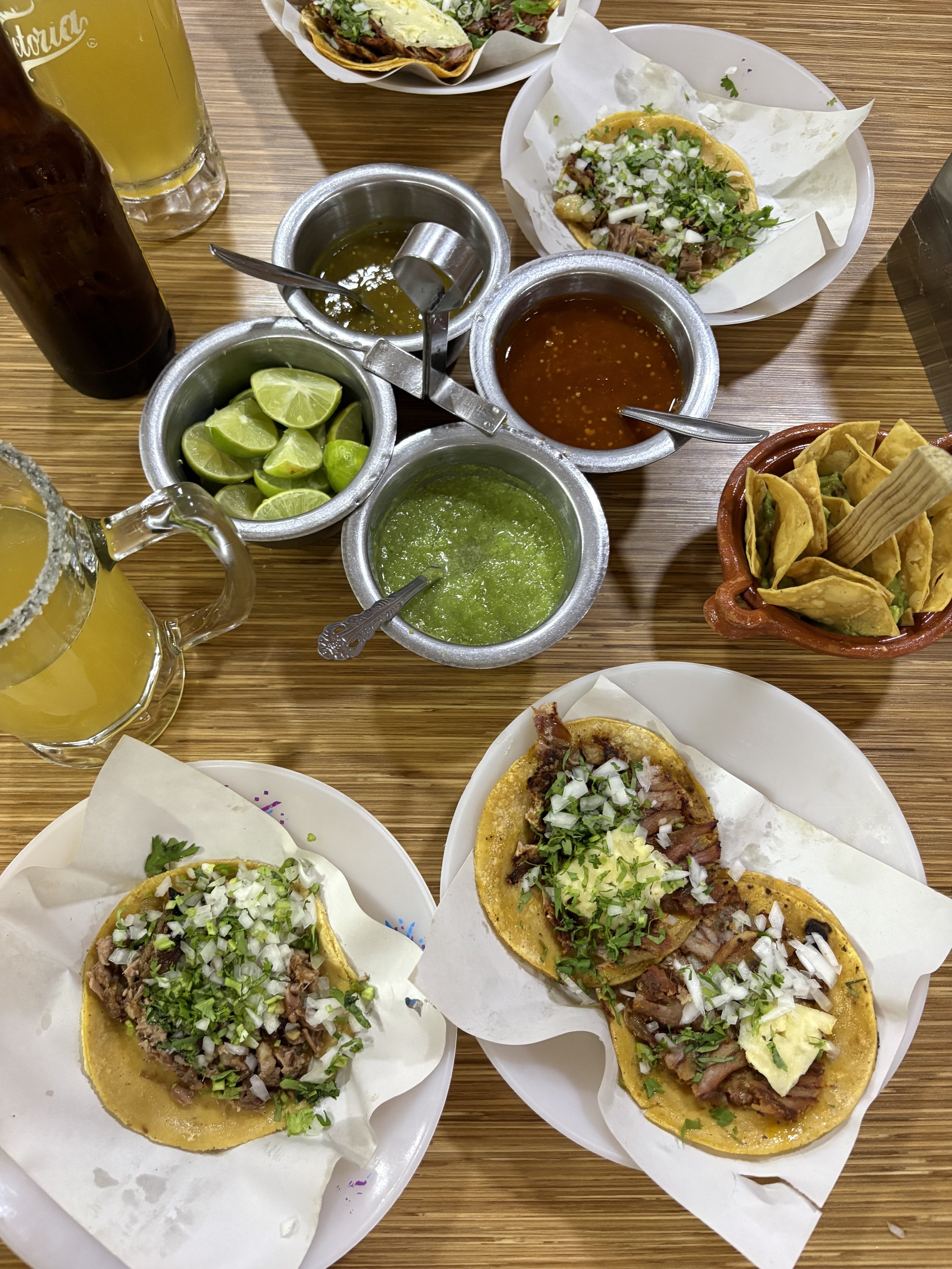
Tacos with my new friend, Eden. We went to a super traditional taqueria called ‘Taqueria Los Cocuyos’, Anthony Bourdain approved.
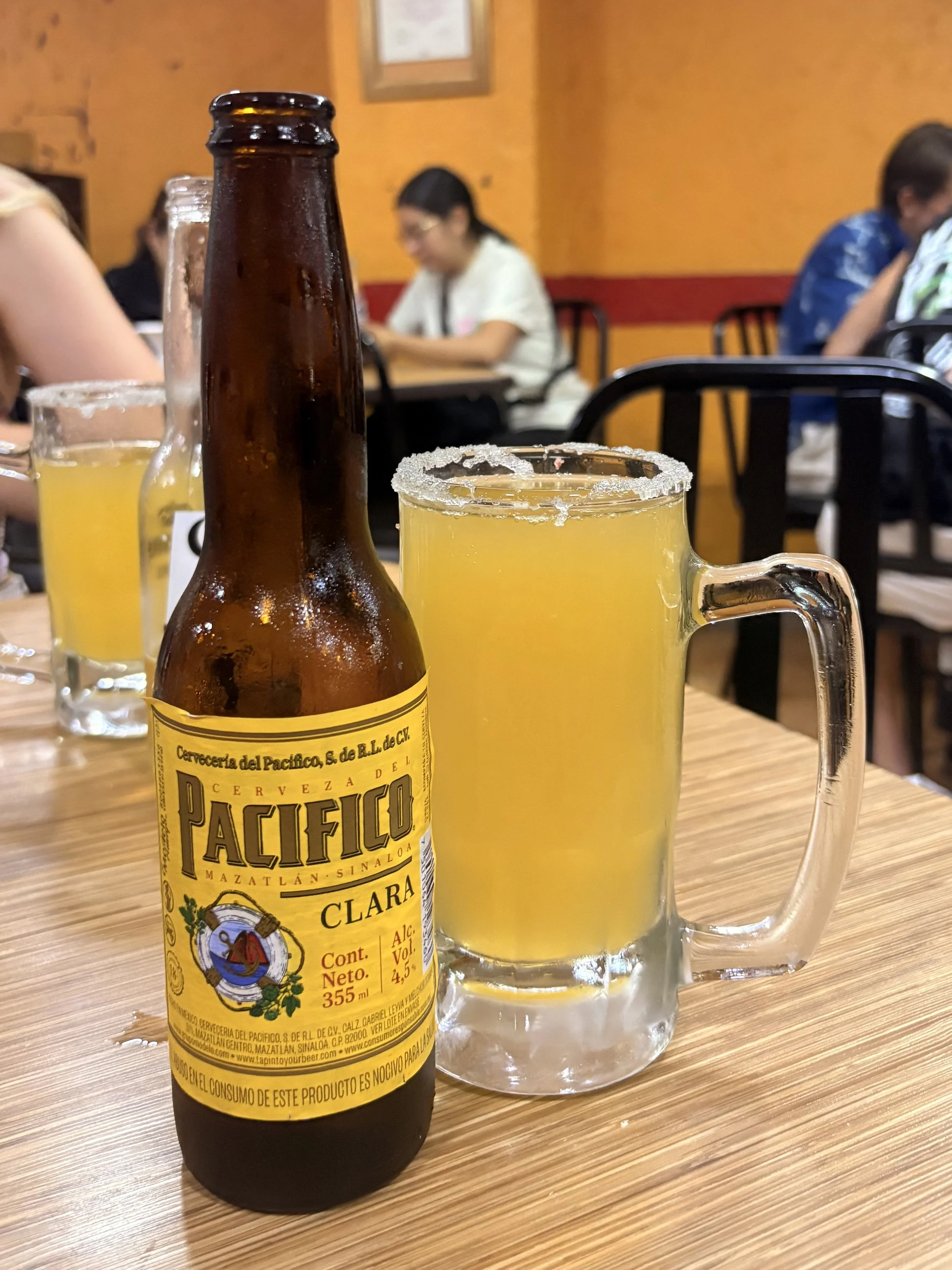
I tried the tacos de pastor, pork with pineapple, INSANE! I also had a ‘Chelada’, beer with lime juice and a salted rim. I guess I like beer now.
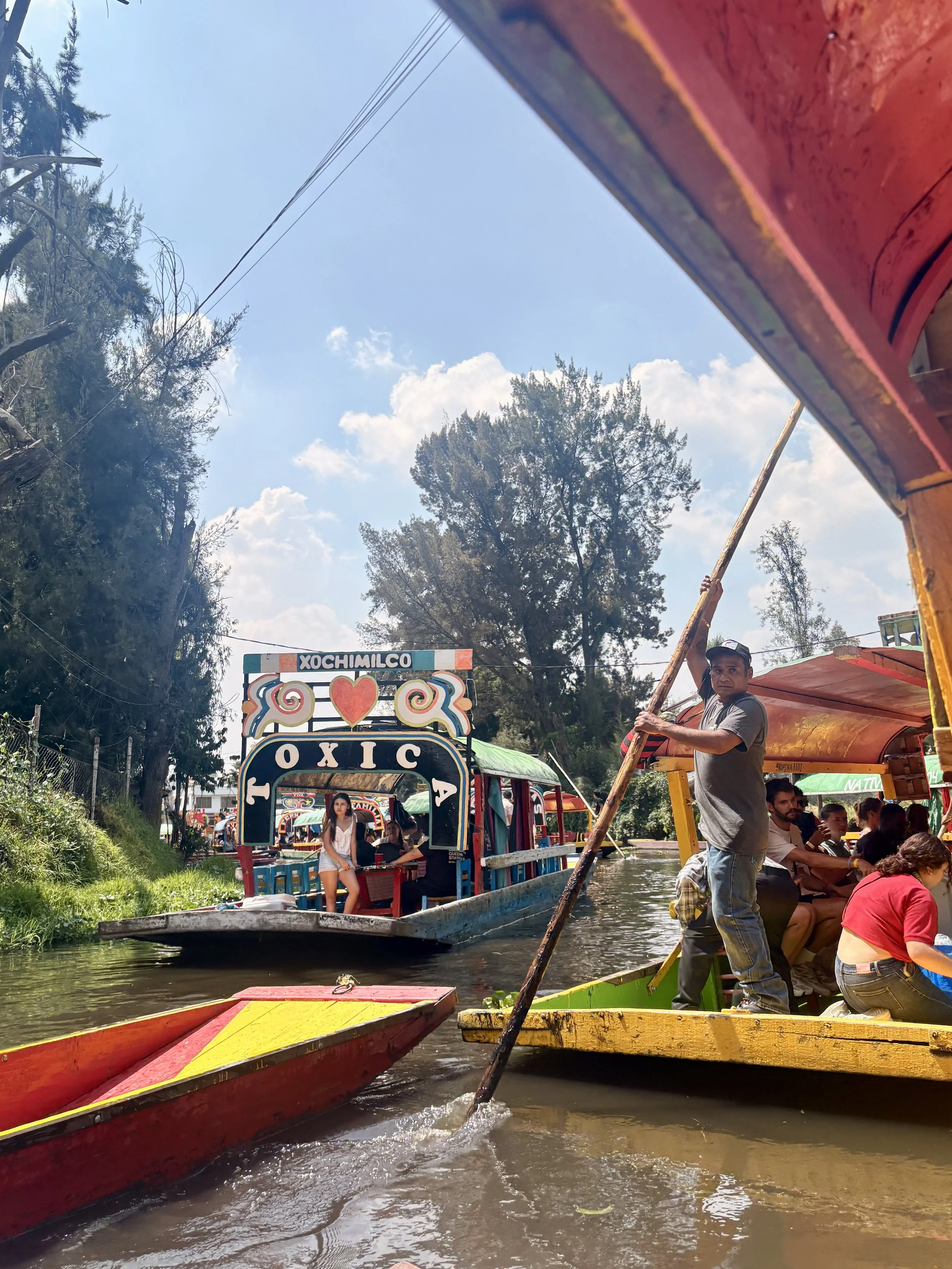
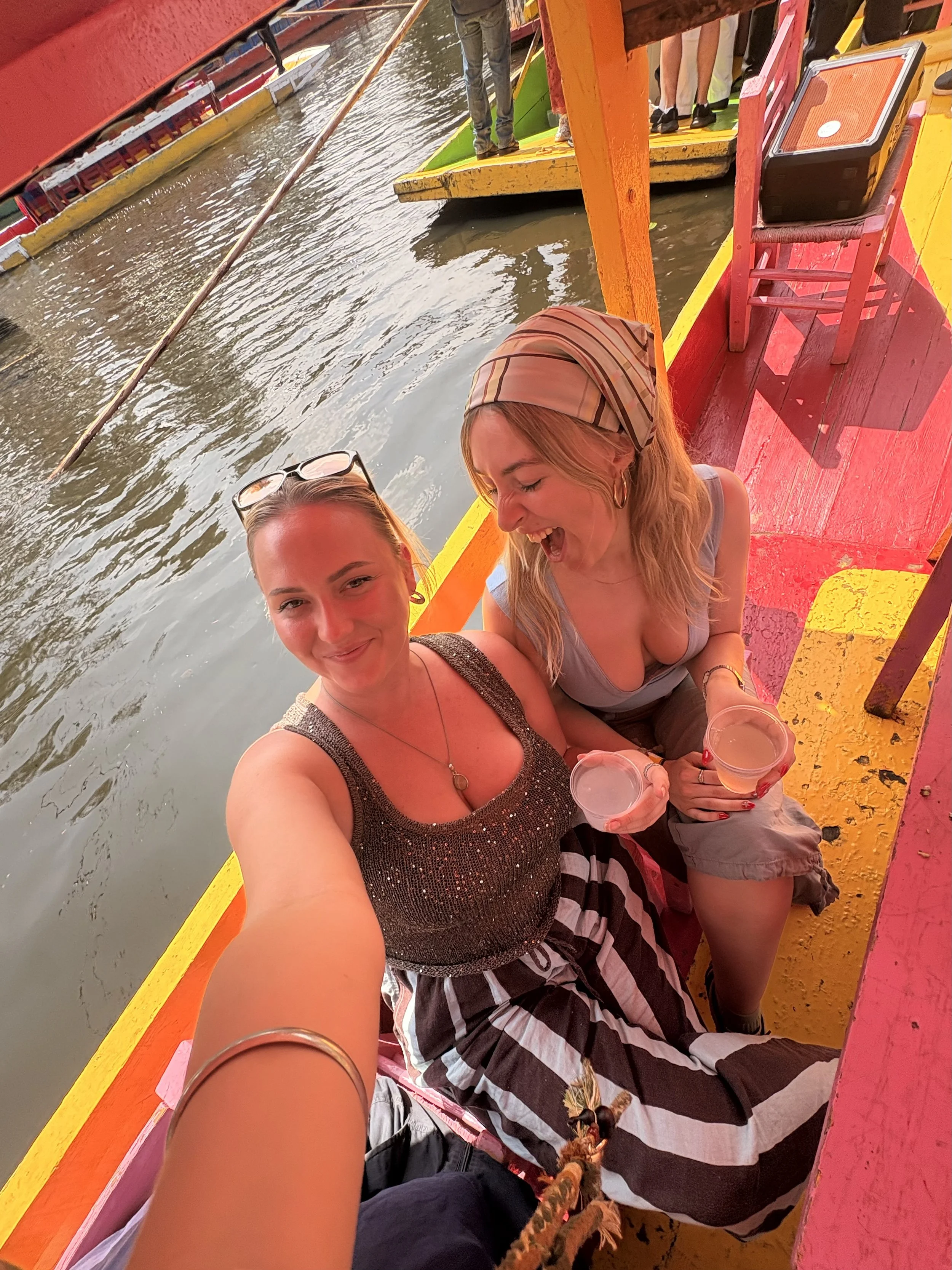
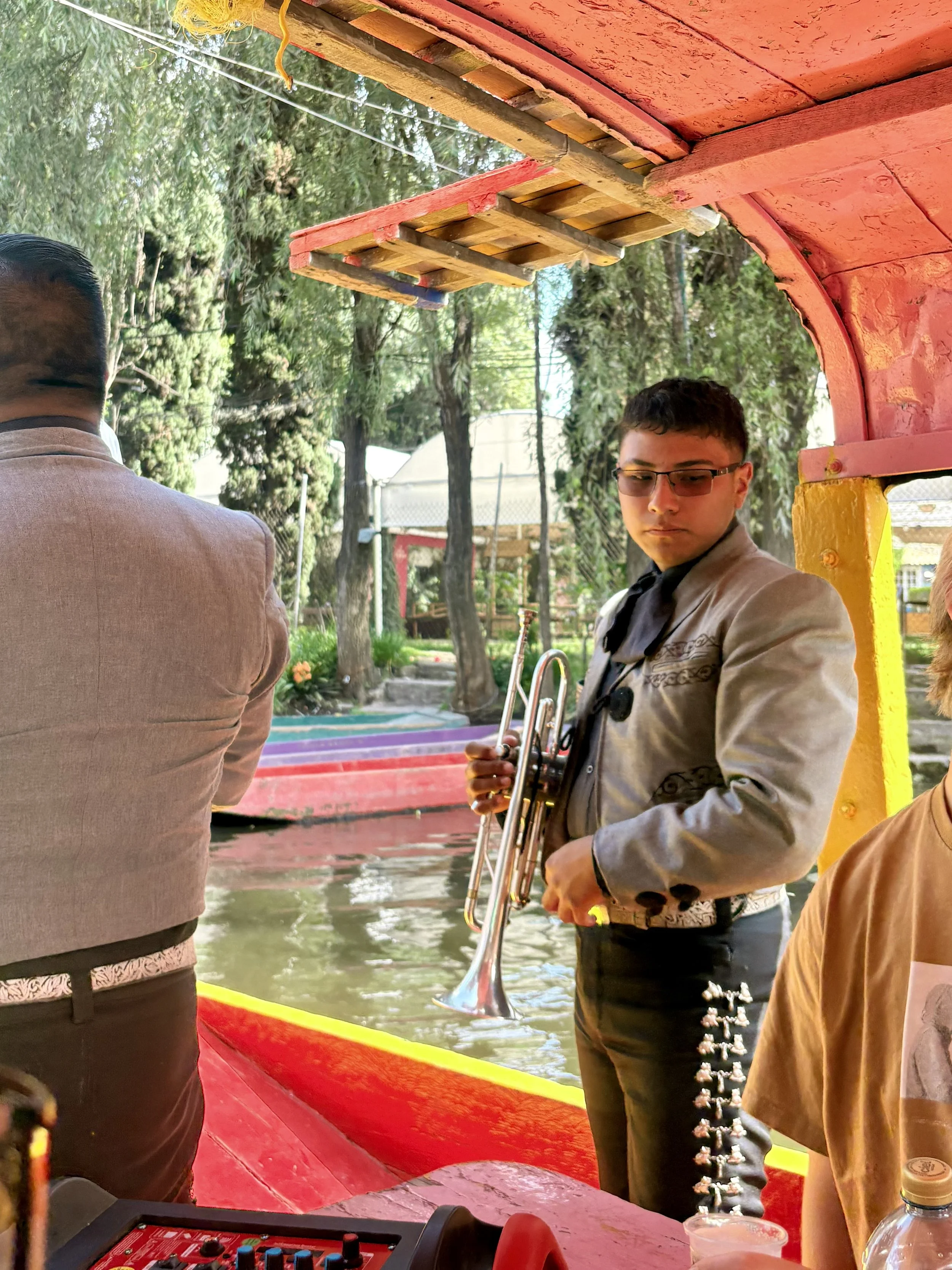
Xochimilco. This was definitely one of the more chaotic things I did in Mexico City. It’s famous for its network of old canals and brightly coloured trajineras - traditional boats covered in flowers and names.
The canals are remnants of the huge lake system that once surrounded the Aztec city of Tenochtitlán. Nowadays the canals are full of boats, mariachi bands, food vendors and people getting drunk, so it feels more like a floating party than anything else (especially when it was unlimited booze…)
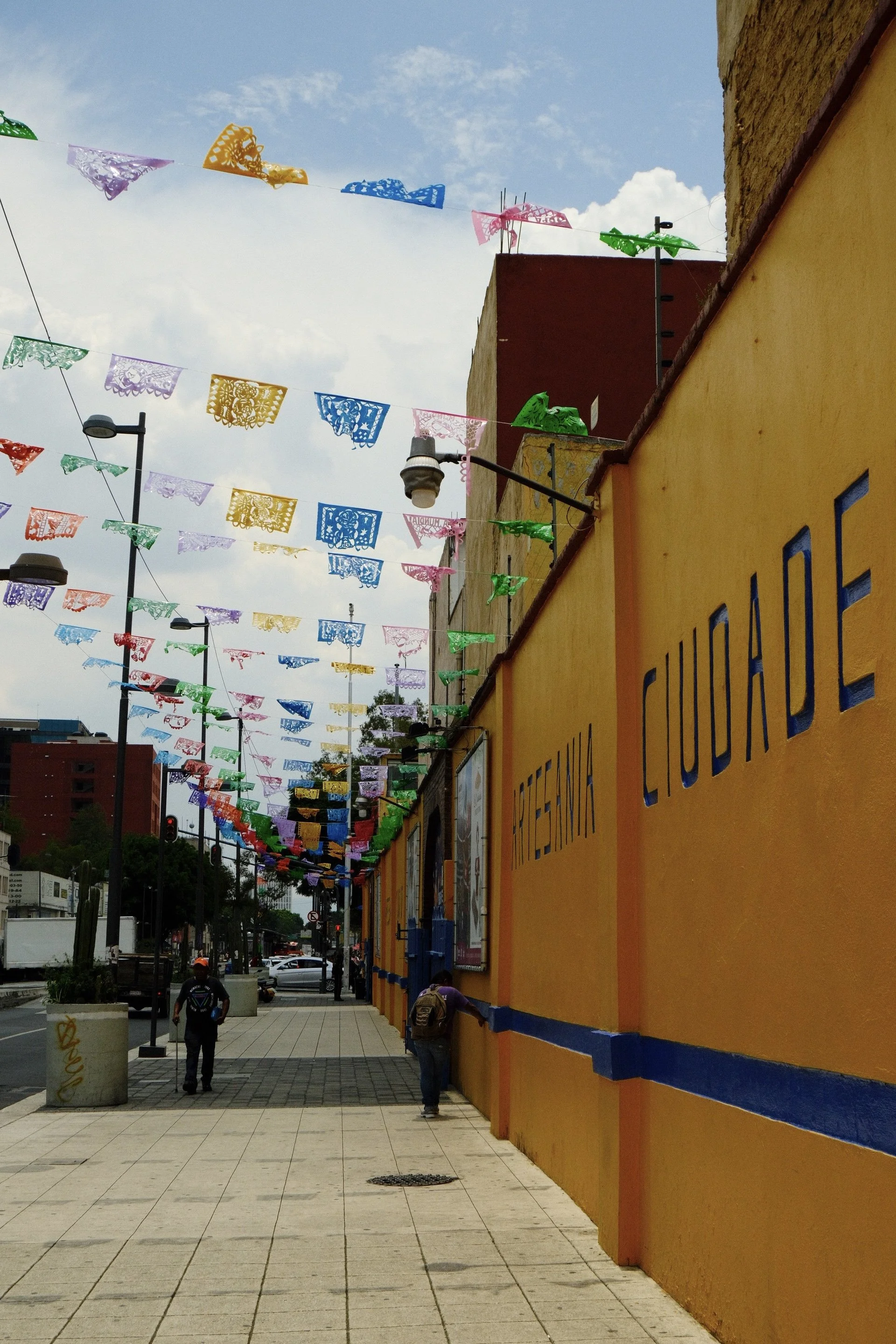
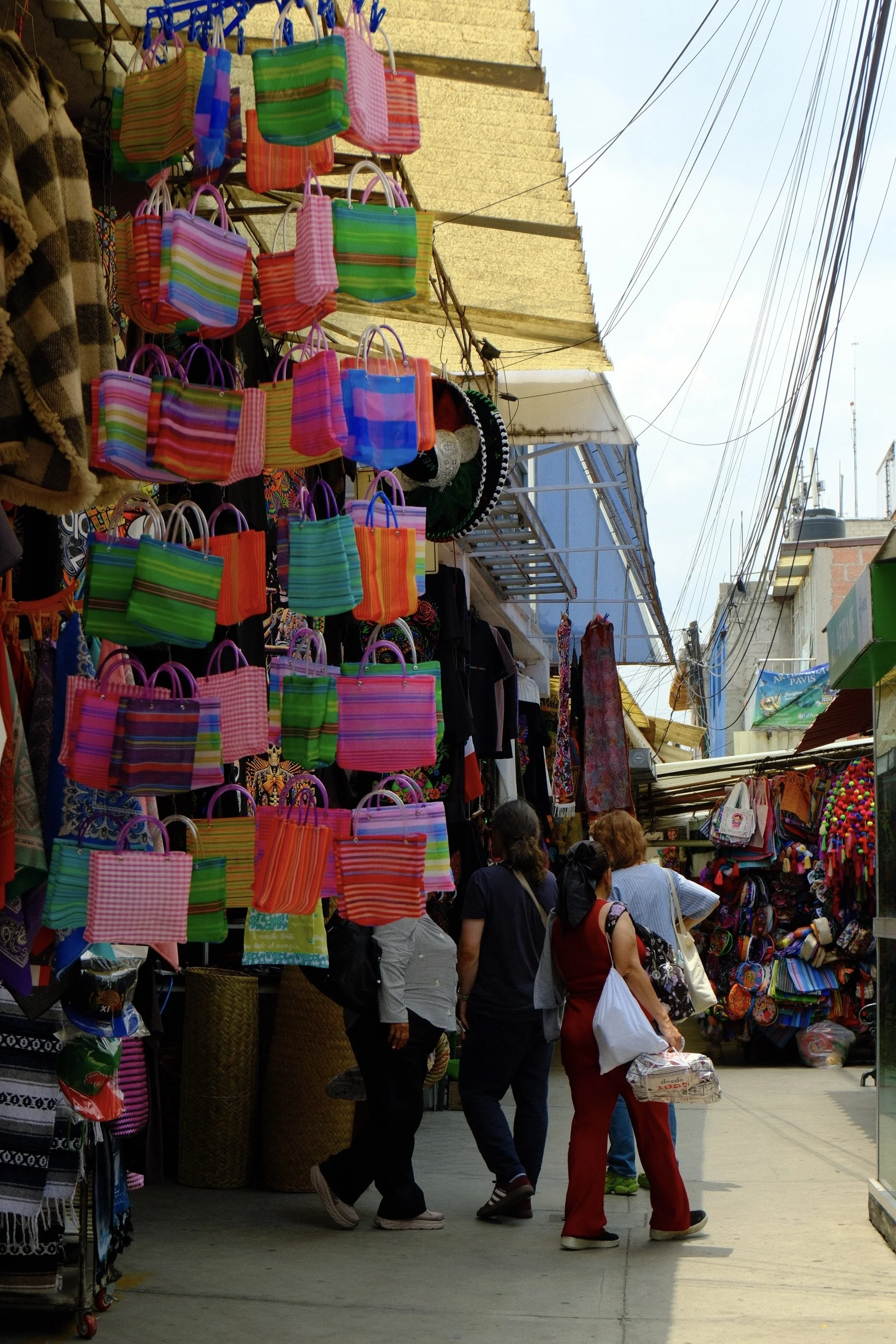
Mercado de la Artesanias Ciudad. A beautiful little artisan market packed with handmade Mexican goodies. From jewellery (my heaven) and bags (also my heaven), to cute homeware, clothes, ceramics and loads of colourful bits I absolutely did not need but definitely wanted. I definitely had to practise some self-control in here.
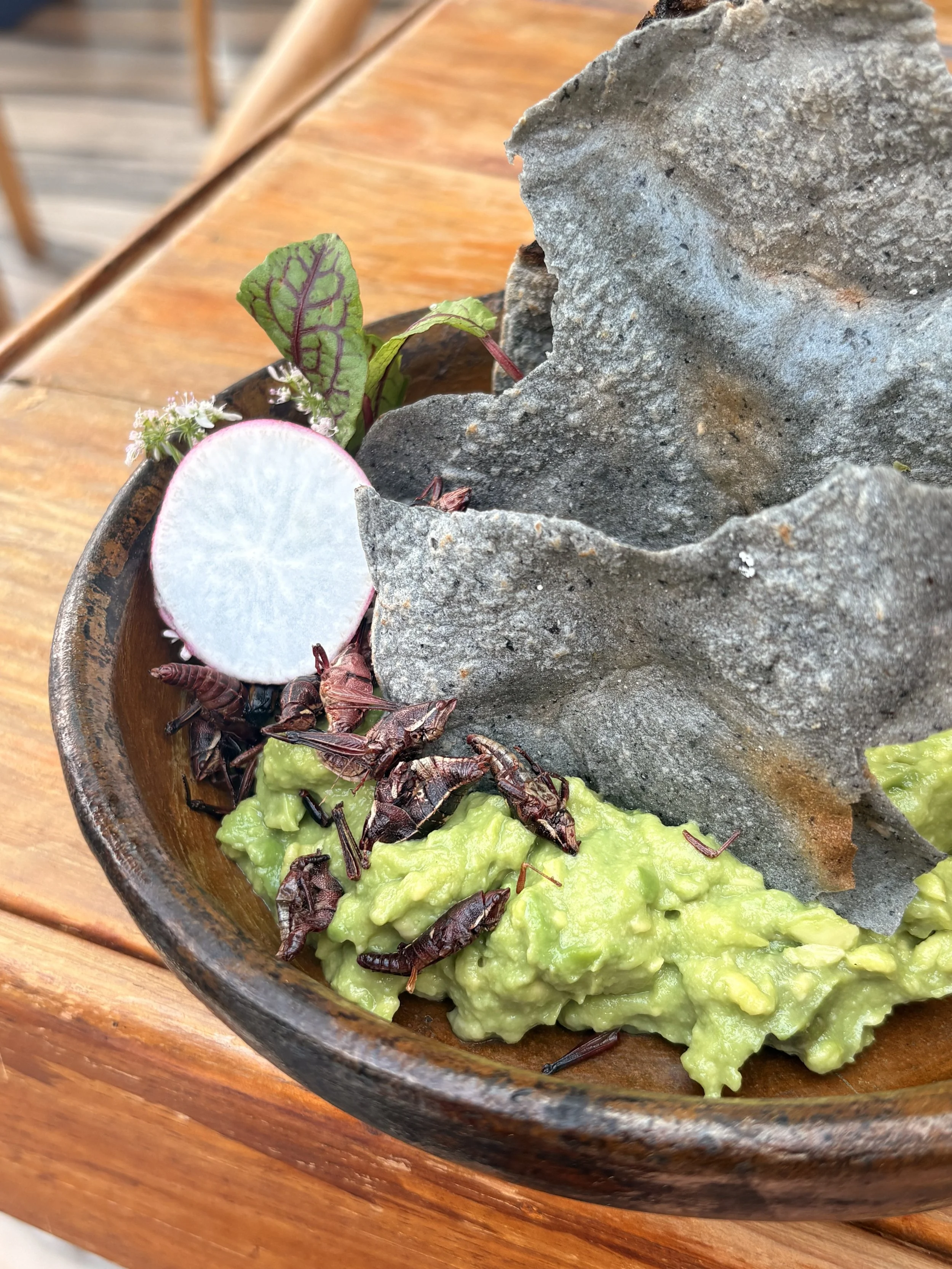
Stopped for lunch at a fusion restaurant combining Baja and Oaxacan cuisine. The waiter recommended a traditional Oaxacan dish, guacamole con chapulines, aka guacamole topped with grasshoppers. Obviously I had to try it. Chapulines are a classic Oaxacan snack, usually toasted with chilli, garlic and lime, and honestly… they weren’t as bad as I expected. Crunchy & salty. I’m not sure order them again though.
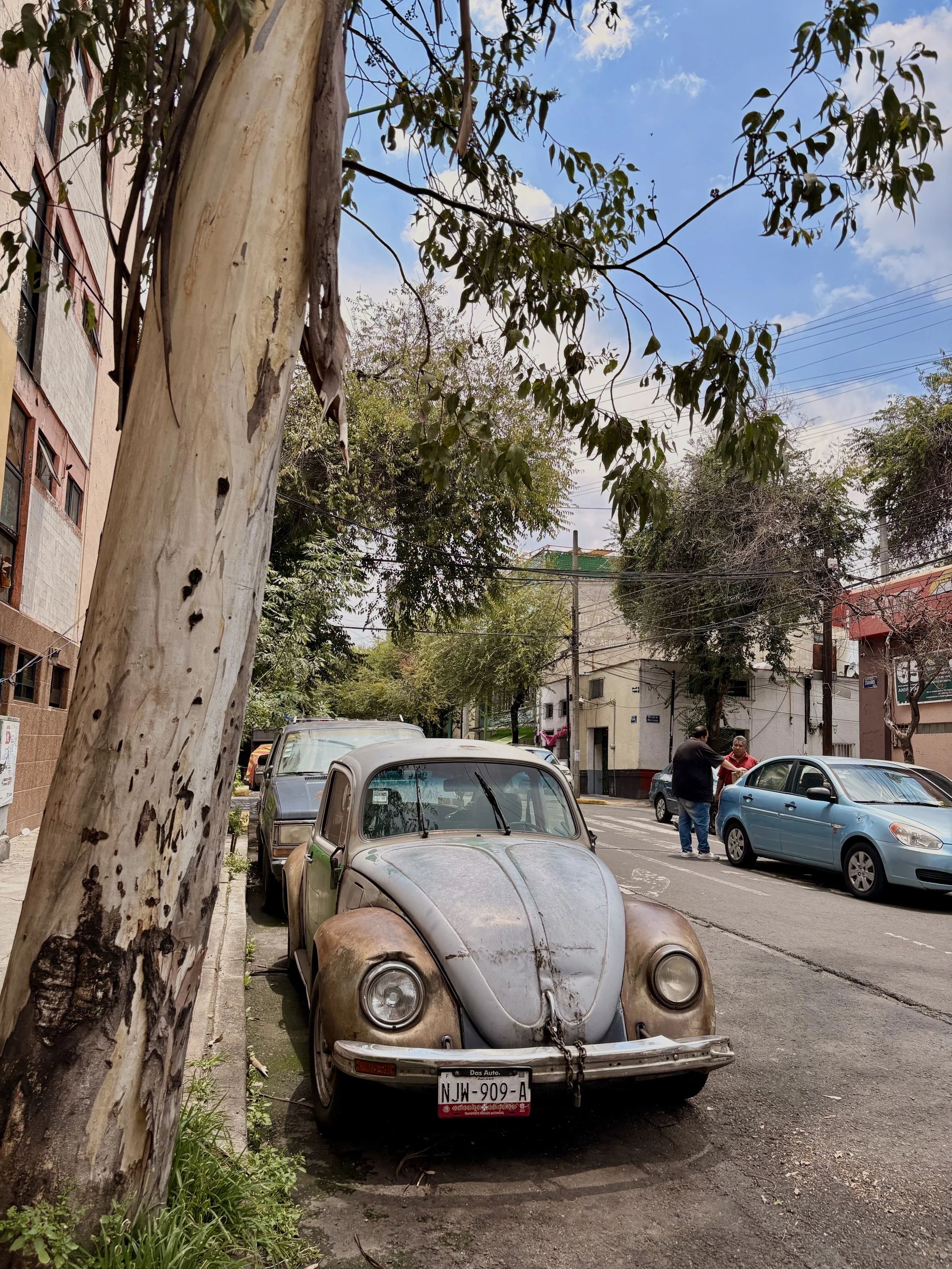
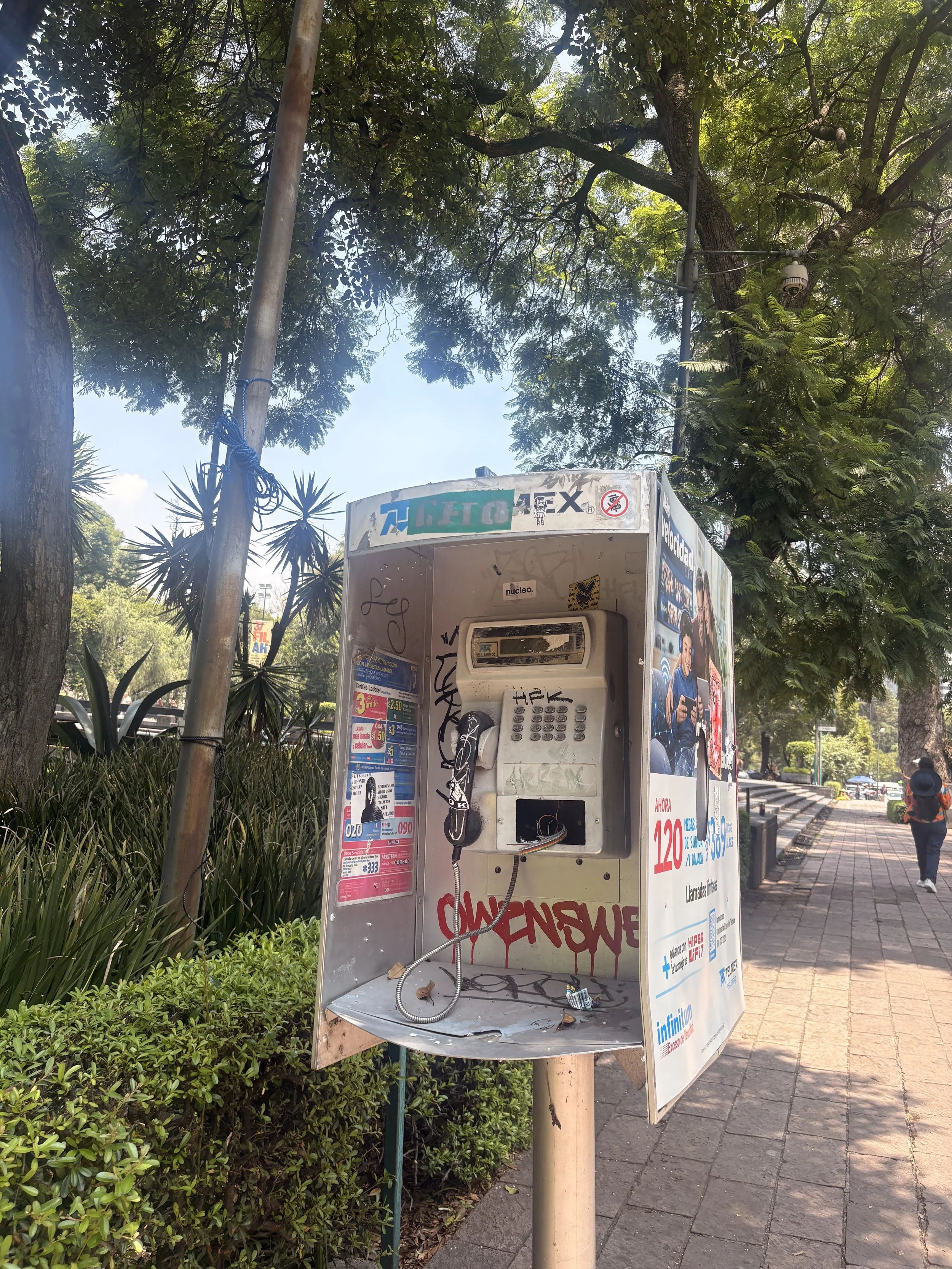
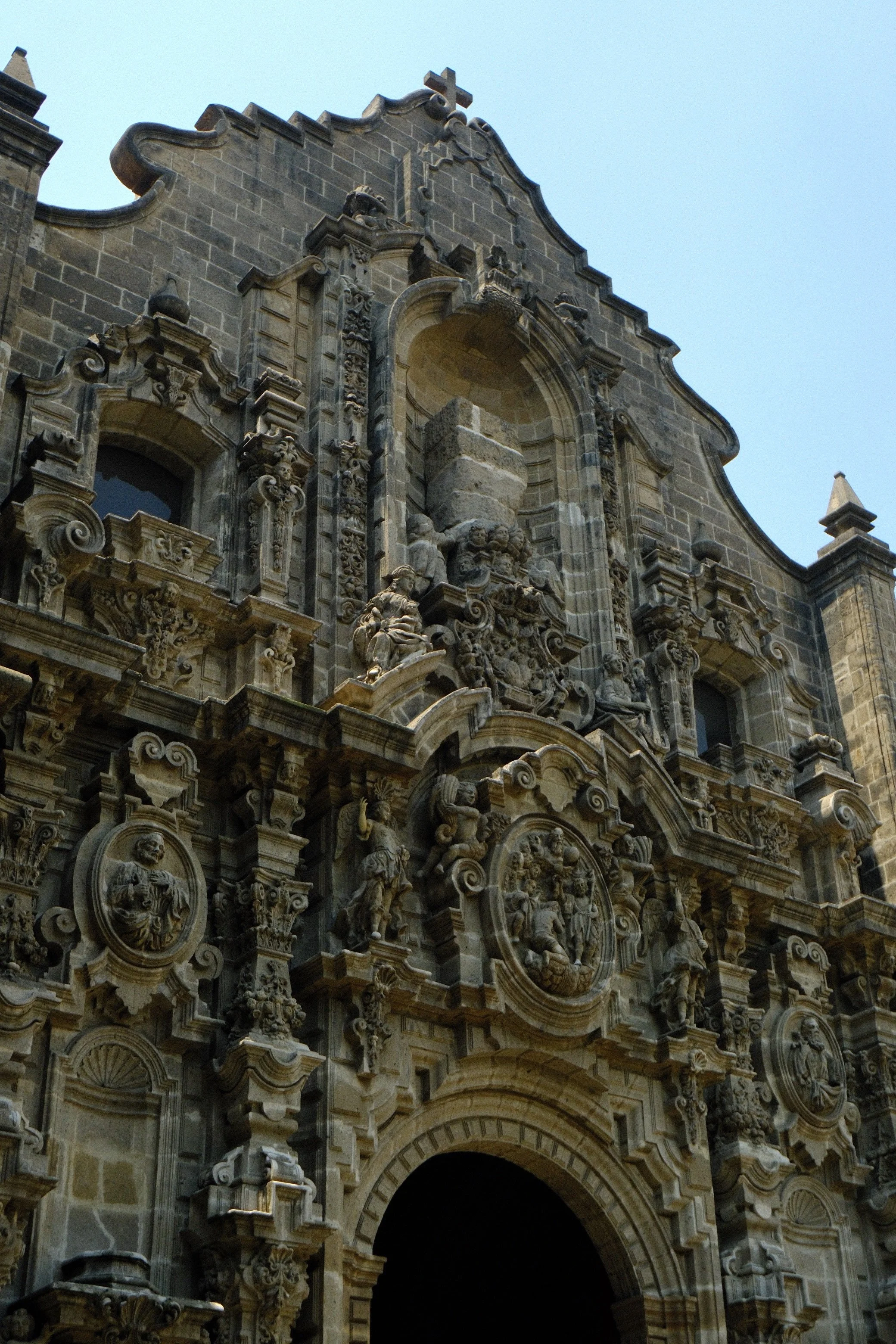
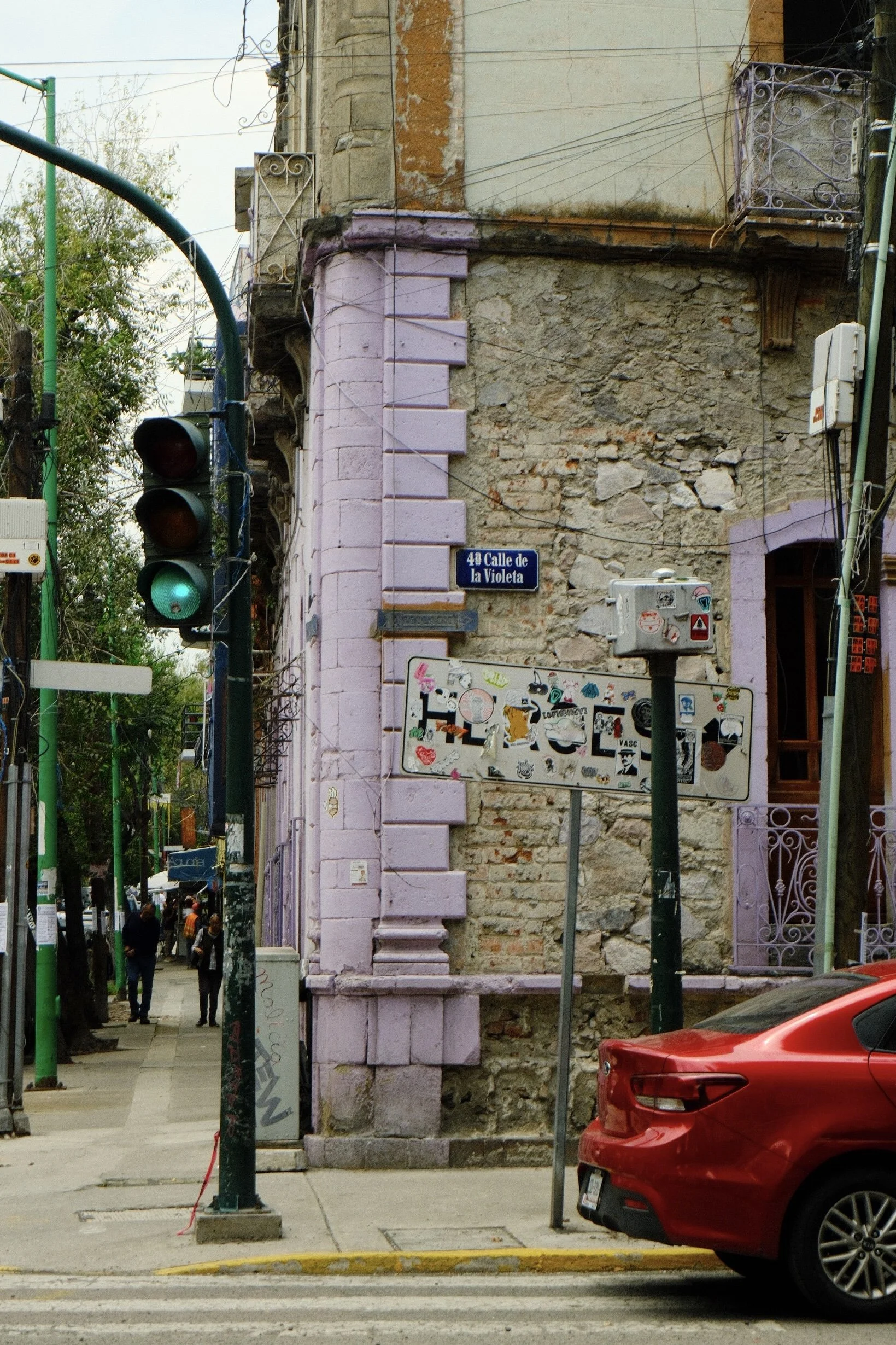
Some more snaps walking through the streets.
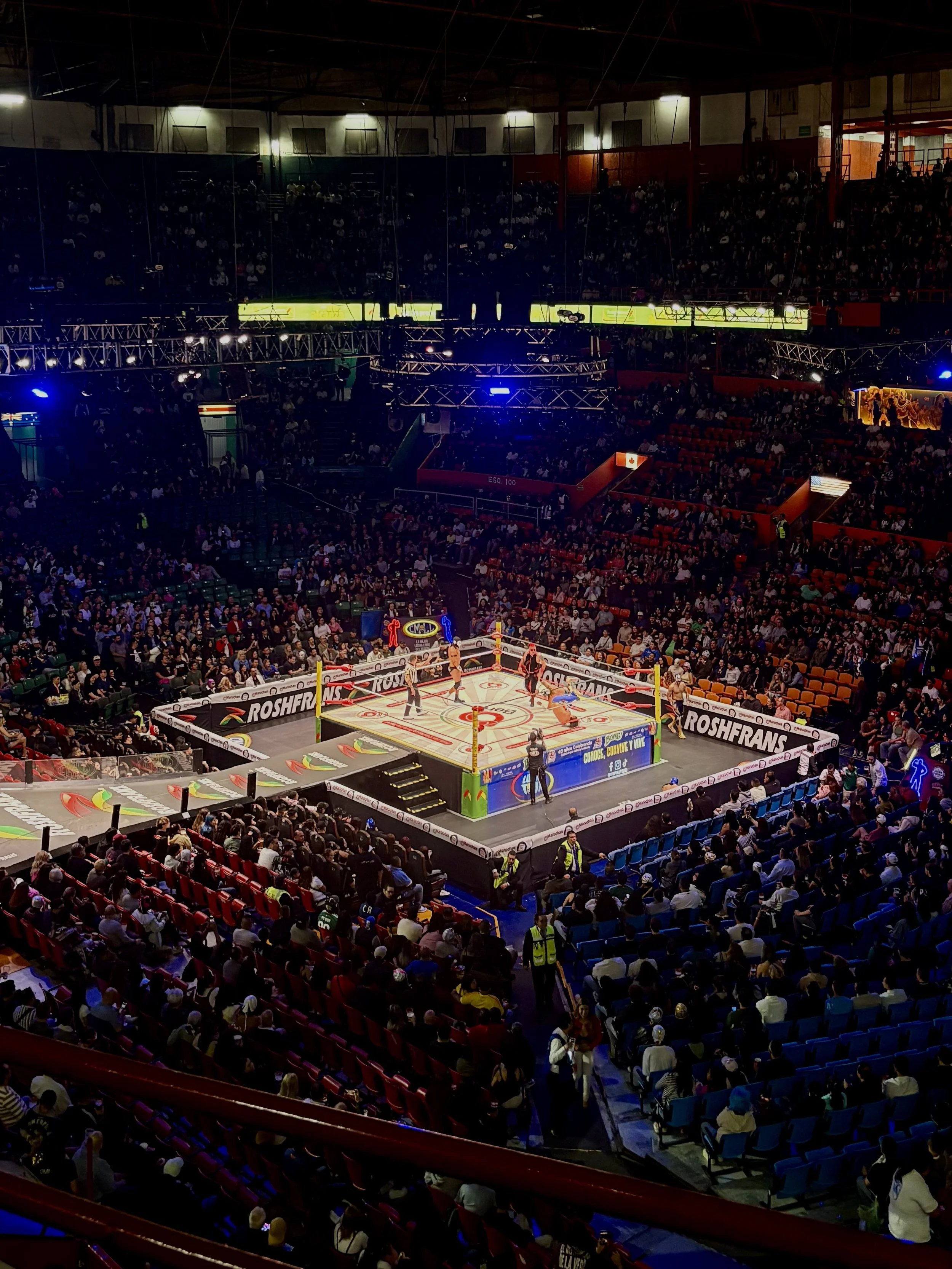
Last but most definitely not least, Lucha Libre at Mexico City Arena.
Lucha Libre is a form of theatrical wrestling that blends sport, performance & story telling. You will probably recognise the colourful masks that represent characters, often inspired by mythology, animals or archetypes like hero’s and villans. The masks are considered sacred, losing one in a match is seen as one of the highest forms of humiliation as it represents a loss of identity.
This was a super fun night, very entertaining and much funnier than I expected.