Me and my new friend Eden ventured out to Coyoacán for a day trip. This was one of the places I was most excited to explore in Mexico City. It felt almost like a separate little town from the rest of the city, with cobbled streets, colourful colonial buildings, overgrown plazas and loads of little cafés, markets and street food stalls.
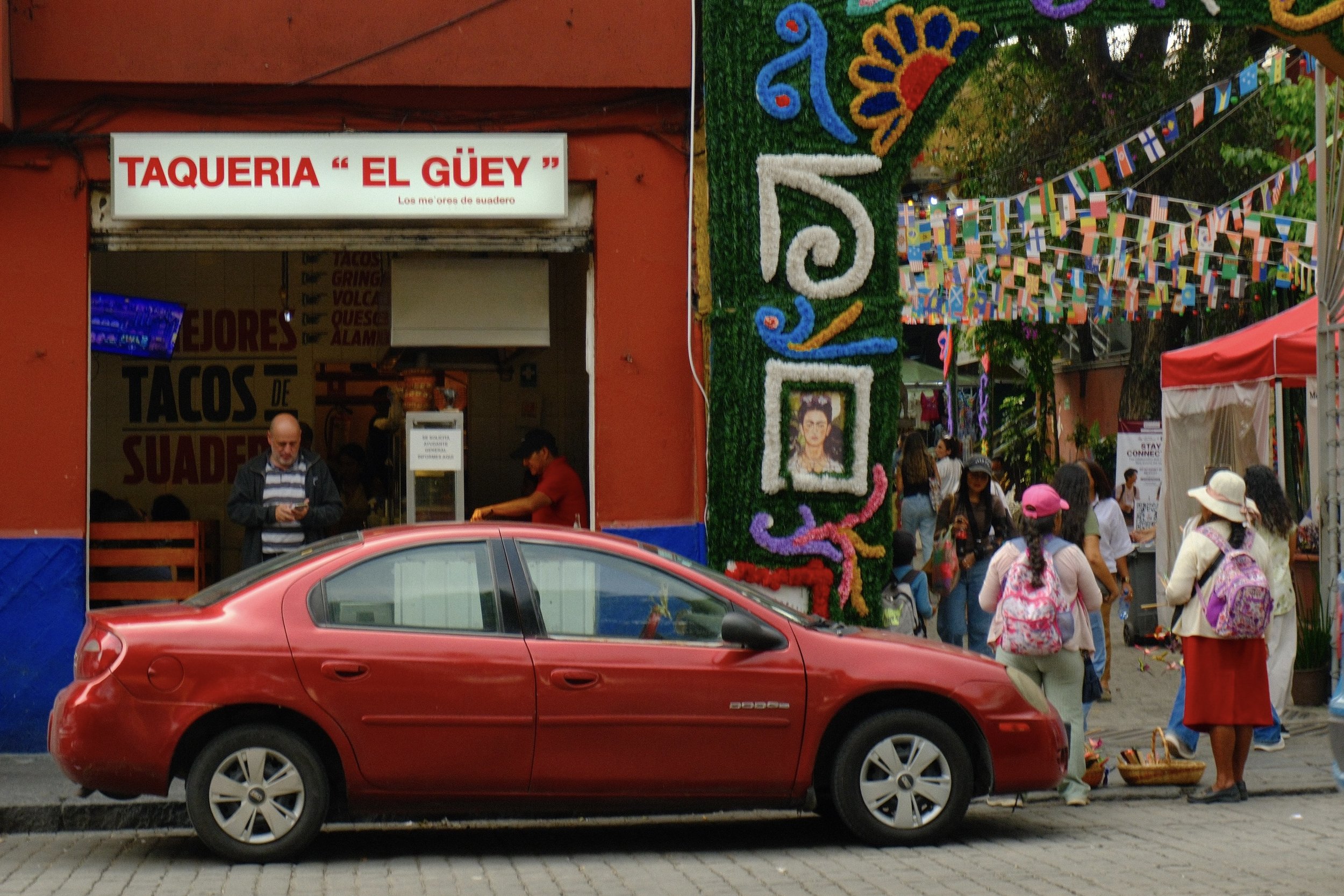
Coyoacán is one of the oldest settlements in Mexico City, with its history dating back to pre-Hispanic times. Coyoacán was originally a Tepanec settlement, the Tepanecs being one of the powerful Indigenous peoples of the Valley of Mexico before the rise of the Mexica (Aztecs). It was later brought under Mexica control.
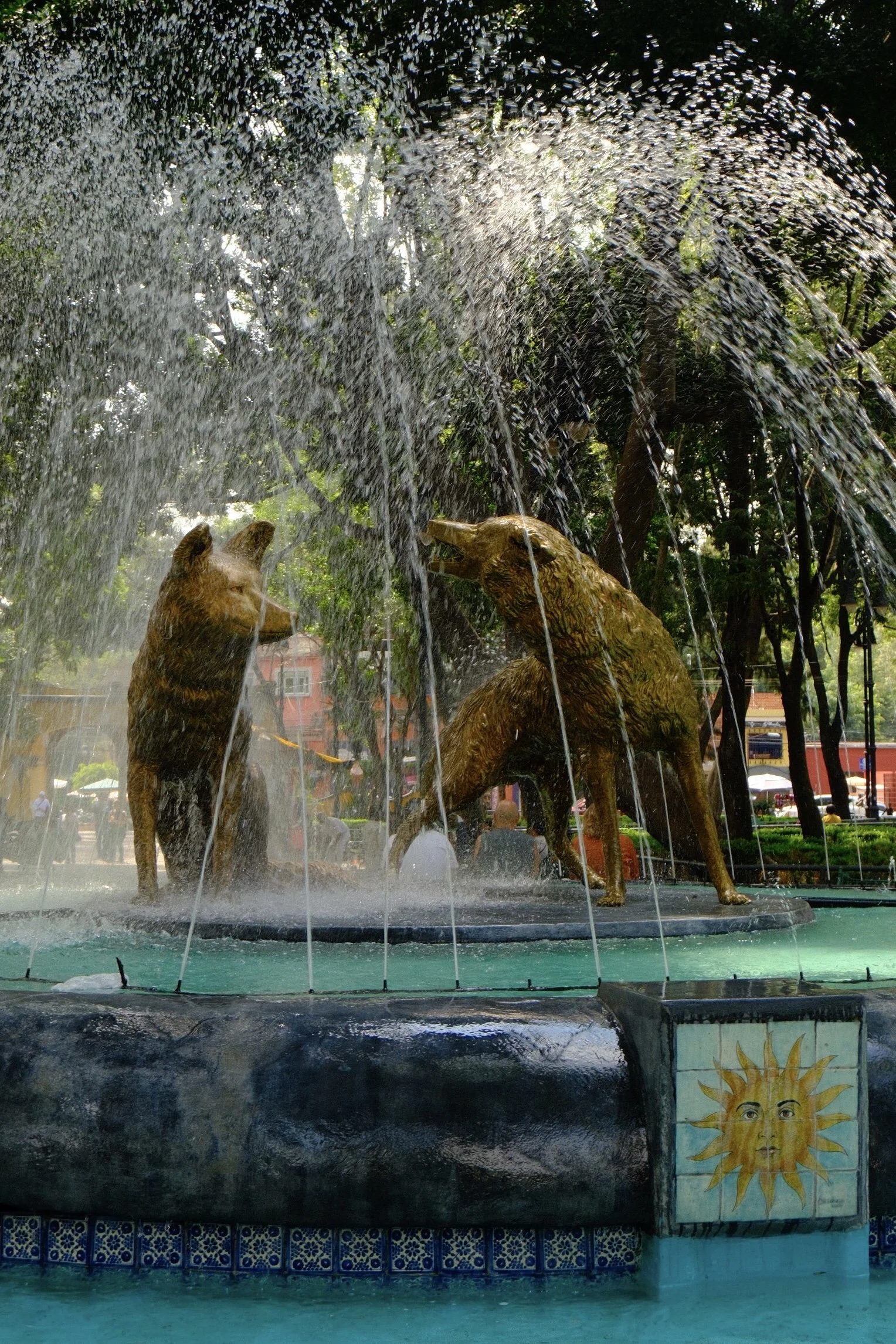
Its name comes from the Nahuatl Coyohuacan, usually translated as “place of coyotes”. I had to look this up after seeing coyotes everywhere - most famously as part of the Fuente de los Coyotes in Jardín Centenario.
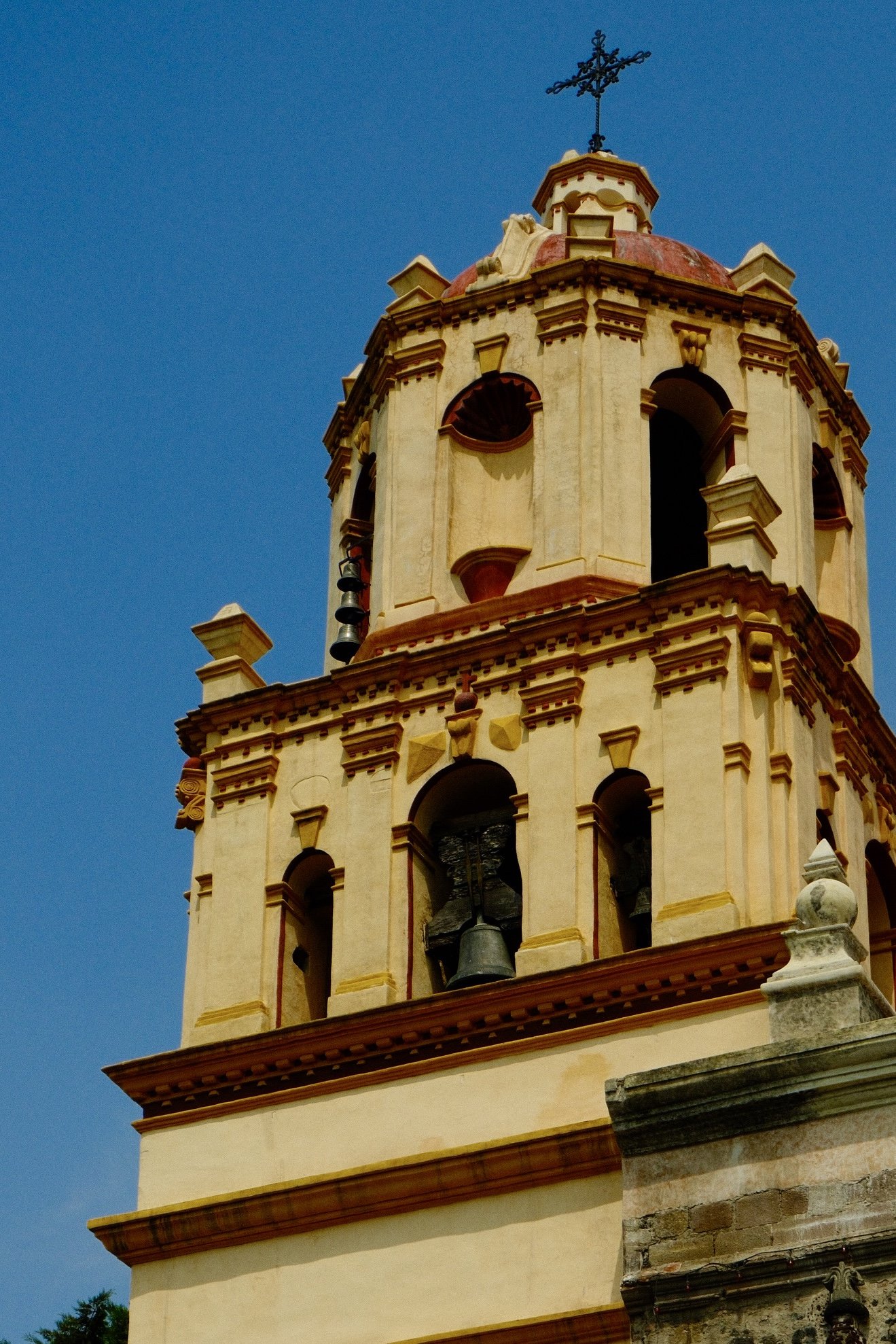
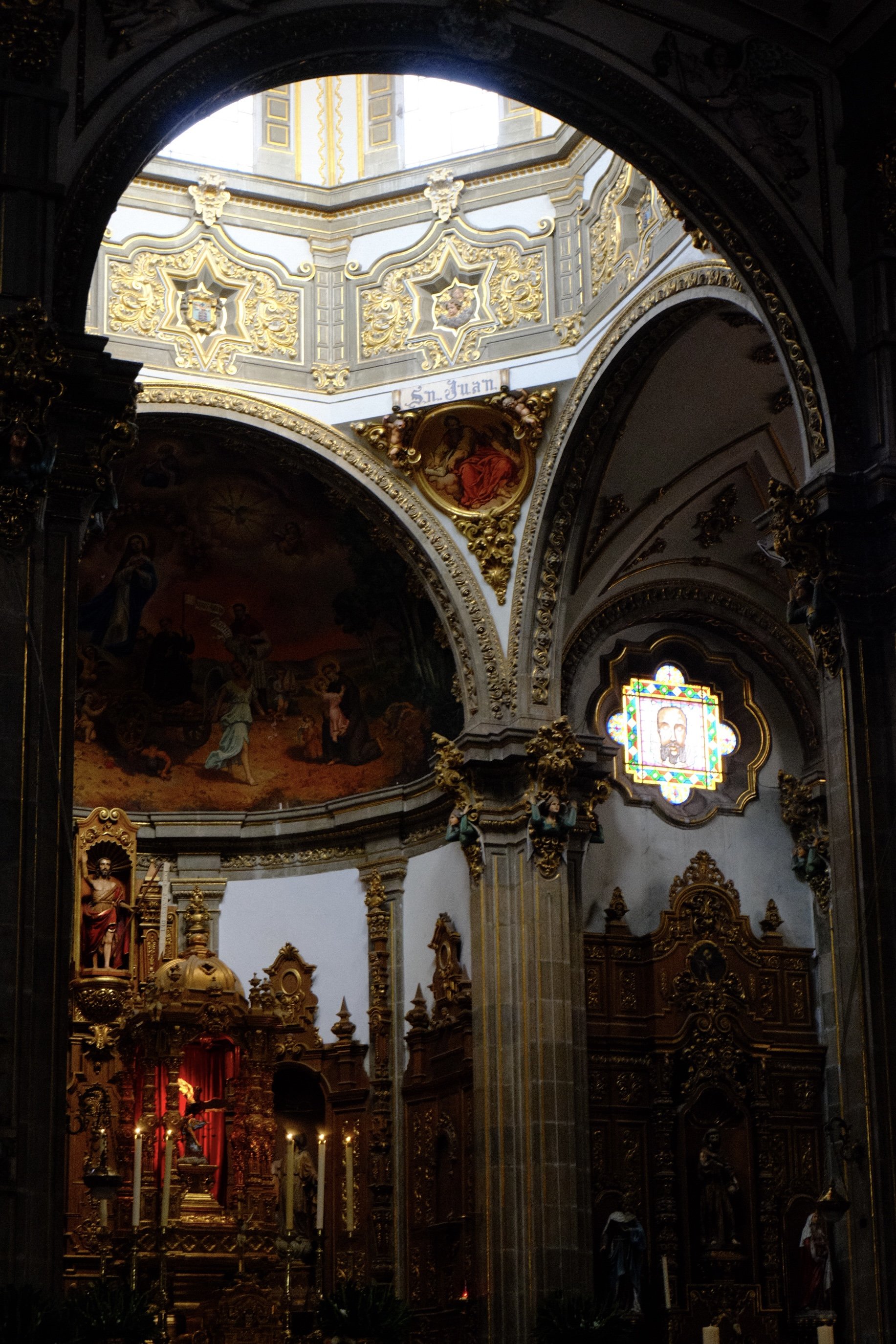
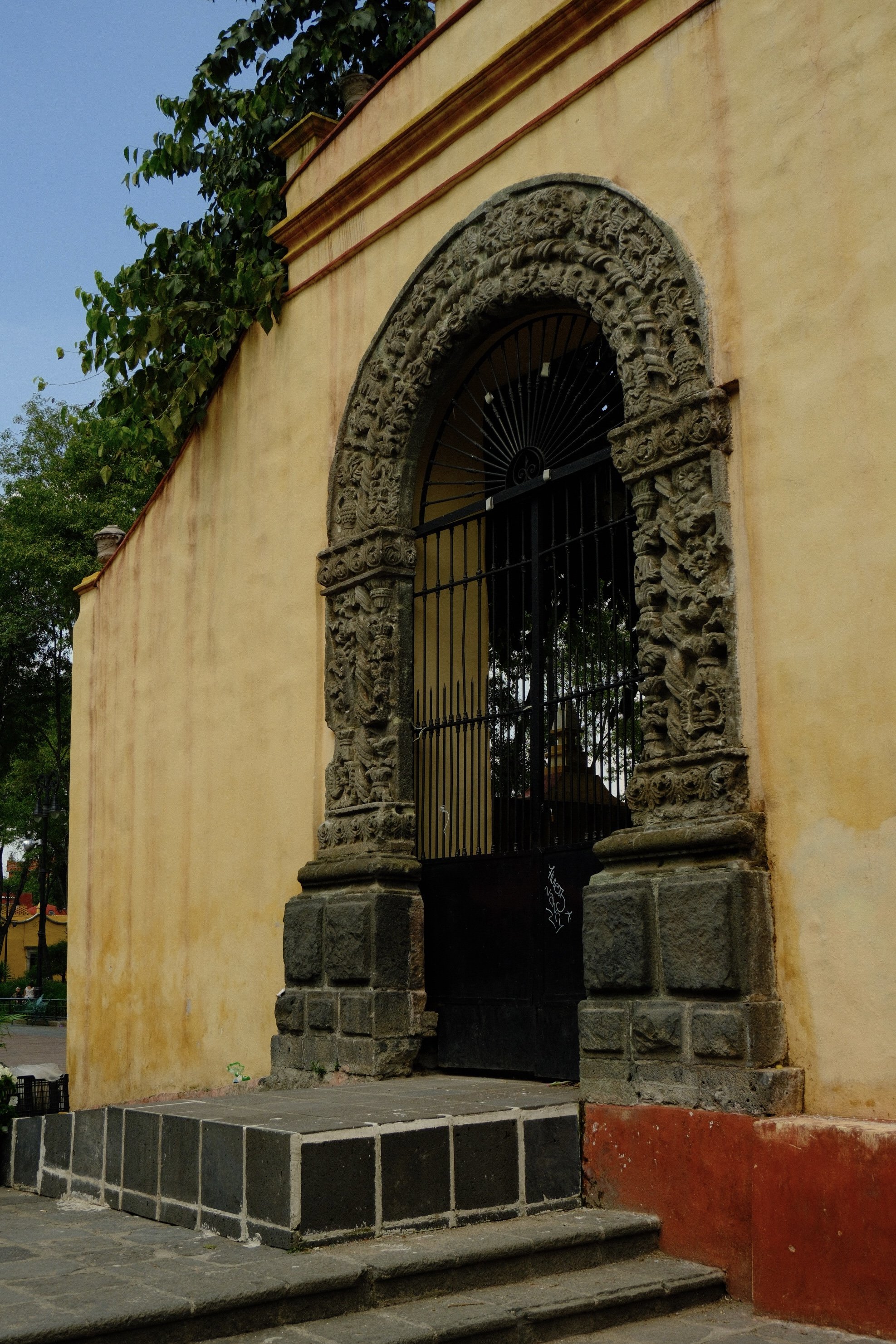
The Parroquia de San Juan Bautista is one of Coyoacán’s most important colonial landmarks, dating back to the 16th century. The church and former convent were built by the Dominicans on land provided by Juan Guzmán Ixtolinque, the Indigenous ruler of Coyoacán, shortly after the Spanish conquest. It became part of the Spanish effort to convert the local Indigenous population to Catholicism.
The outside is actually pretty understated, but walking inside is a completely different story. I would have taken more photos but I was taking it allll in, and it feels wrong taking pics in religious buildings sometimes.
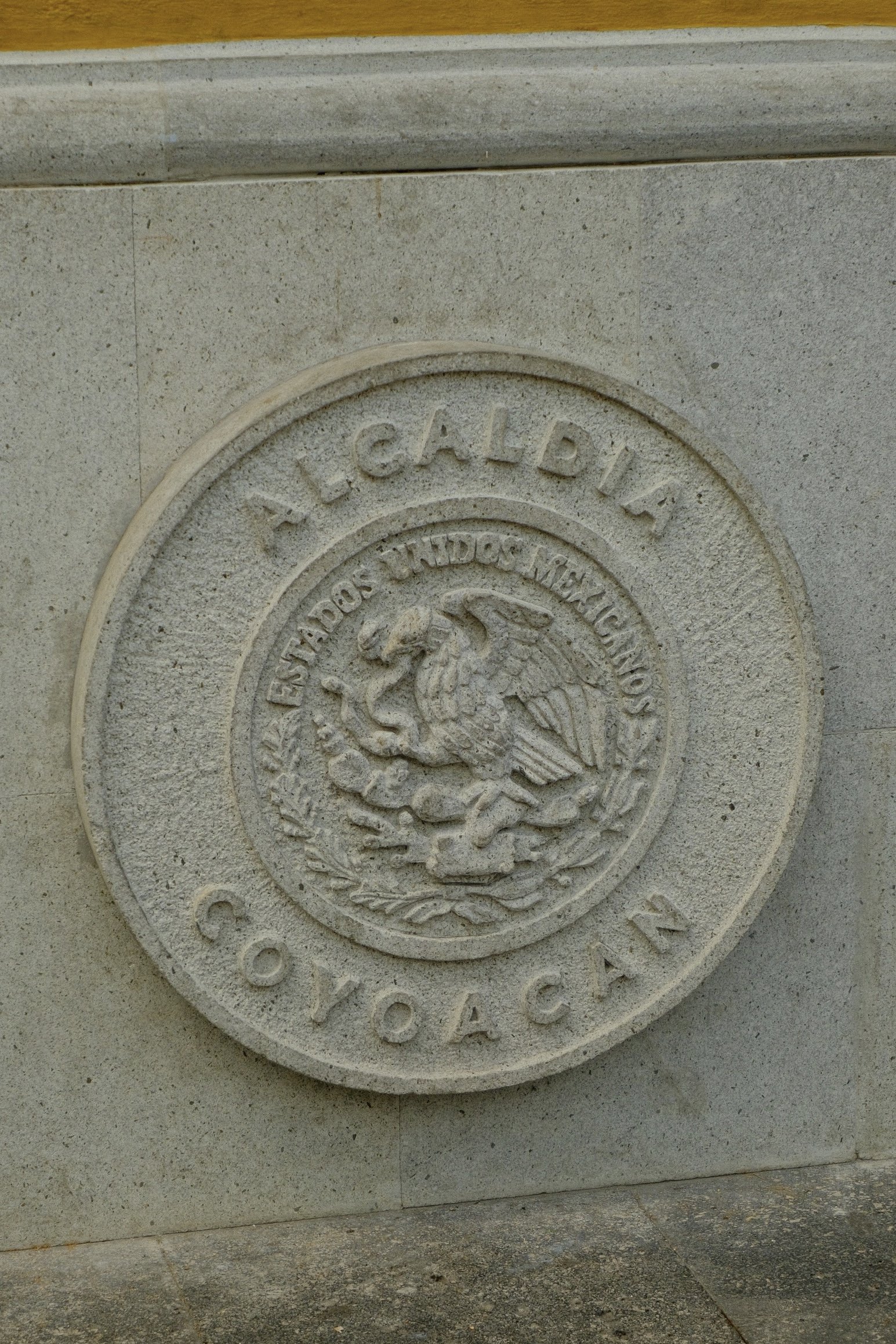
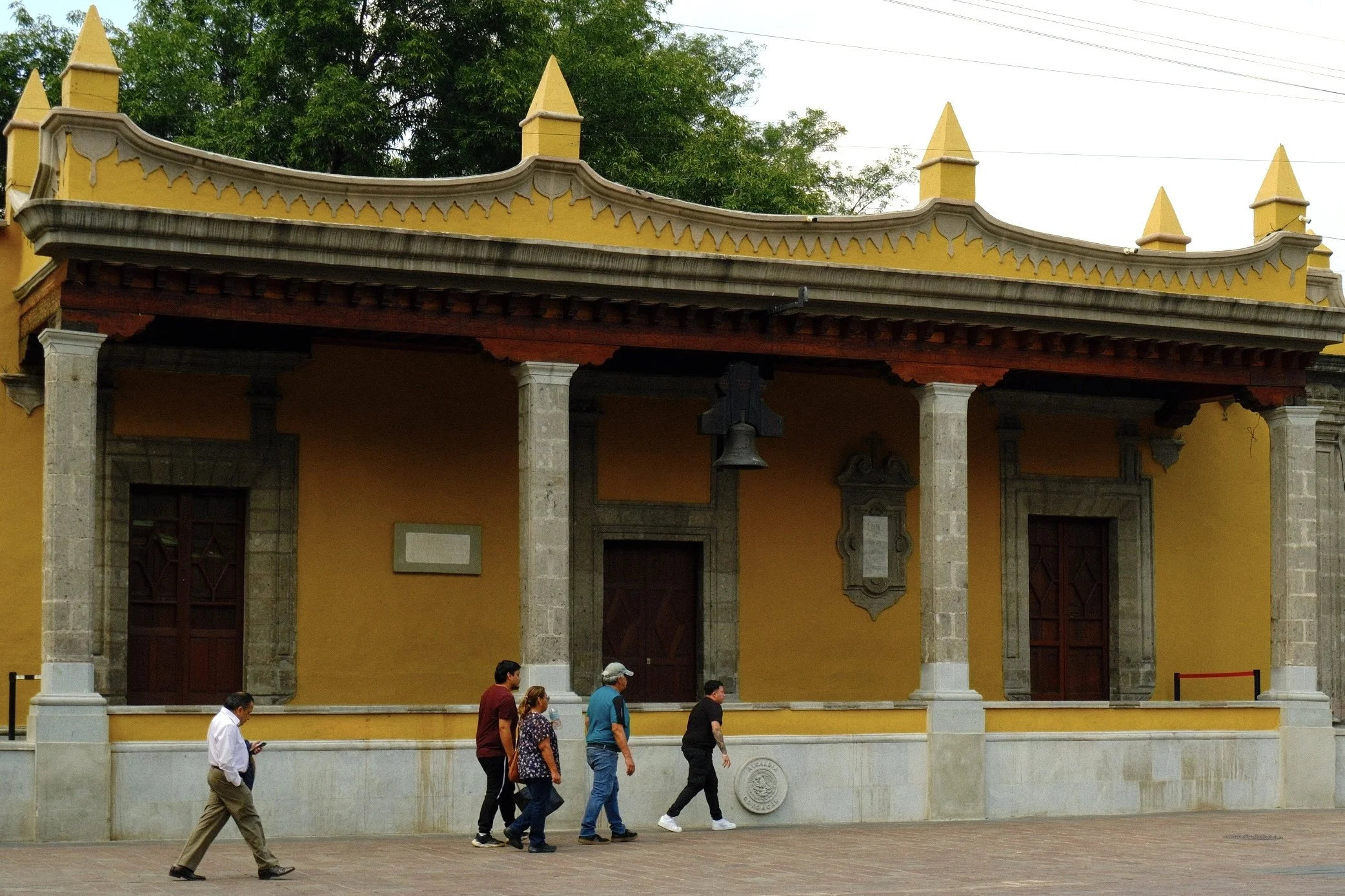
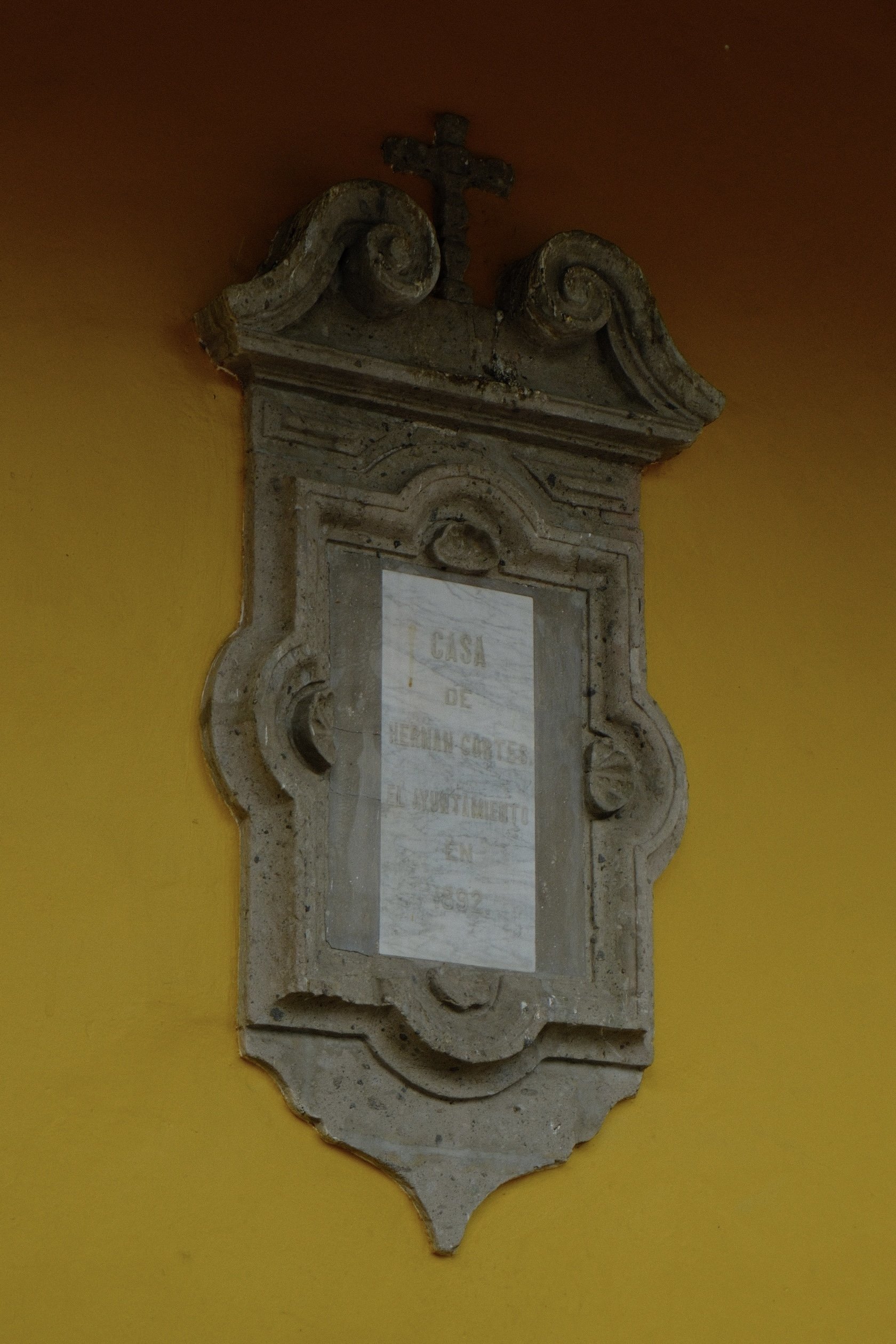
The Casa de Cortés is slightly misleading, as Hernan never actually lived in the building that stands here today. After the conquest of Tenochtitlan, he based himself in Coyoacán while the city was being rebuilt, and Coyoacán became the centre of Spanish government for a short time. The building we see today dates from the 18th century and was Coyoacán’s old town hall, before becoming the government offices it is today.
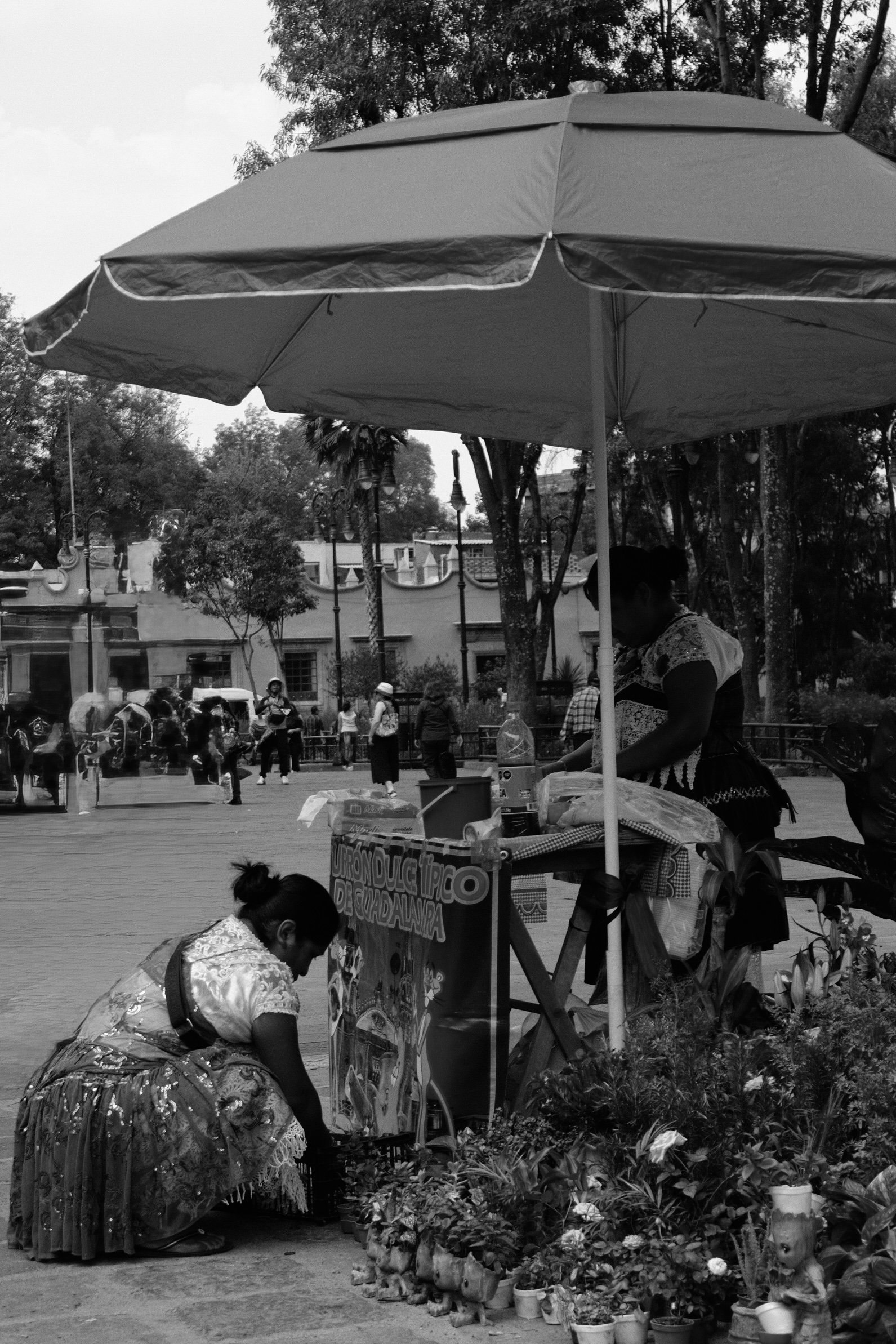
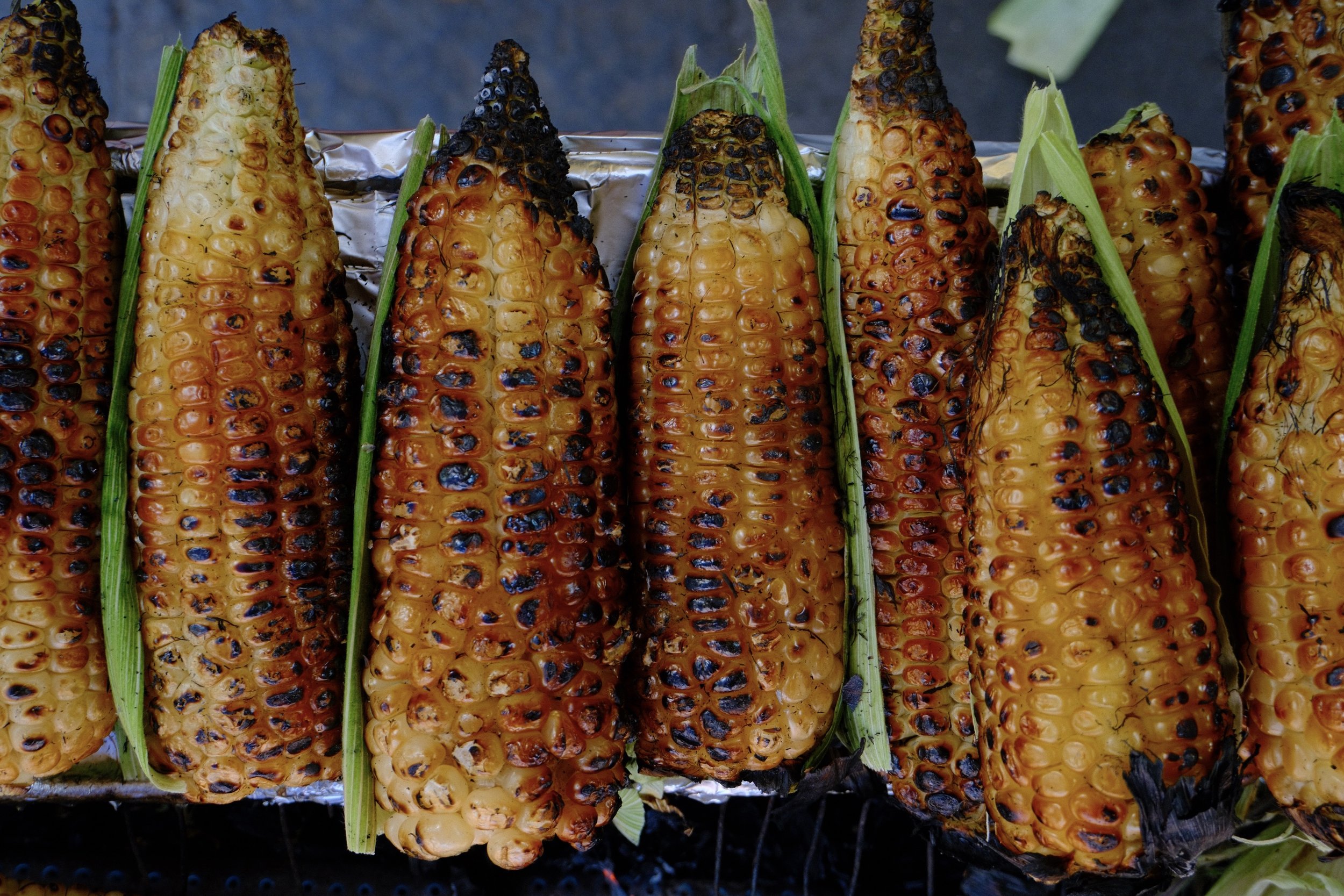
The street food in Coyoacán looked insane, in particular the elote asado. I can’t believe I never actually tried it as we had just stopped to have a lonche de pastor, but apparently it’s corn grilled directly over charcoal until it’s smoky and slightly charred, then covered in some combination of lime, chilli, salt. Basically, corn on the cob.
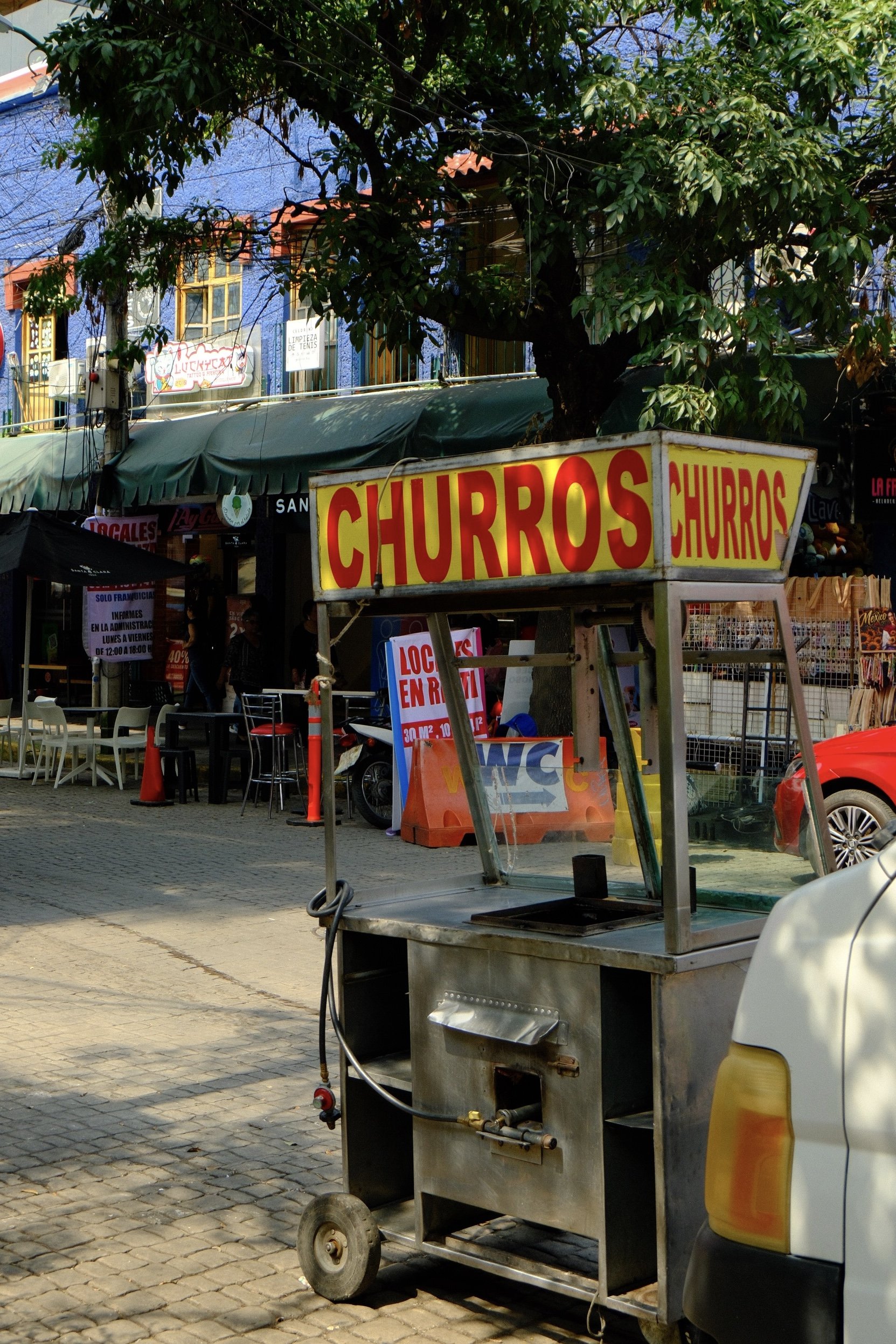
One thing I kept noticing around Coyoacán was the streets named after European cities - Londres, Madrid, Viena, Berlín etc. These came from the later development of Colonia Del Carmen in the late 19th/early 20th century, when the area was being developed with a more fashionable, cosmopolitan feel.
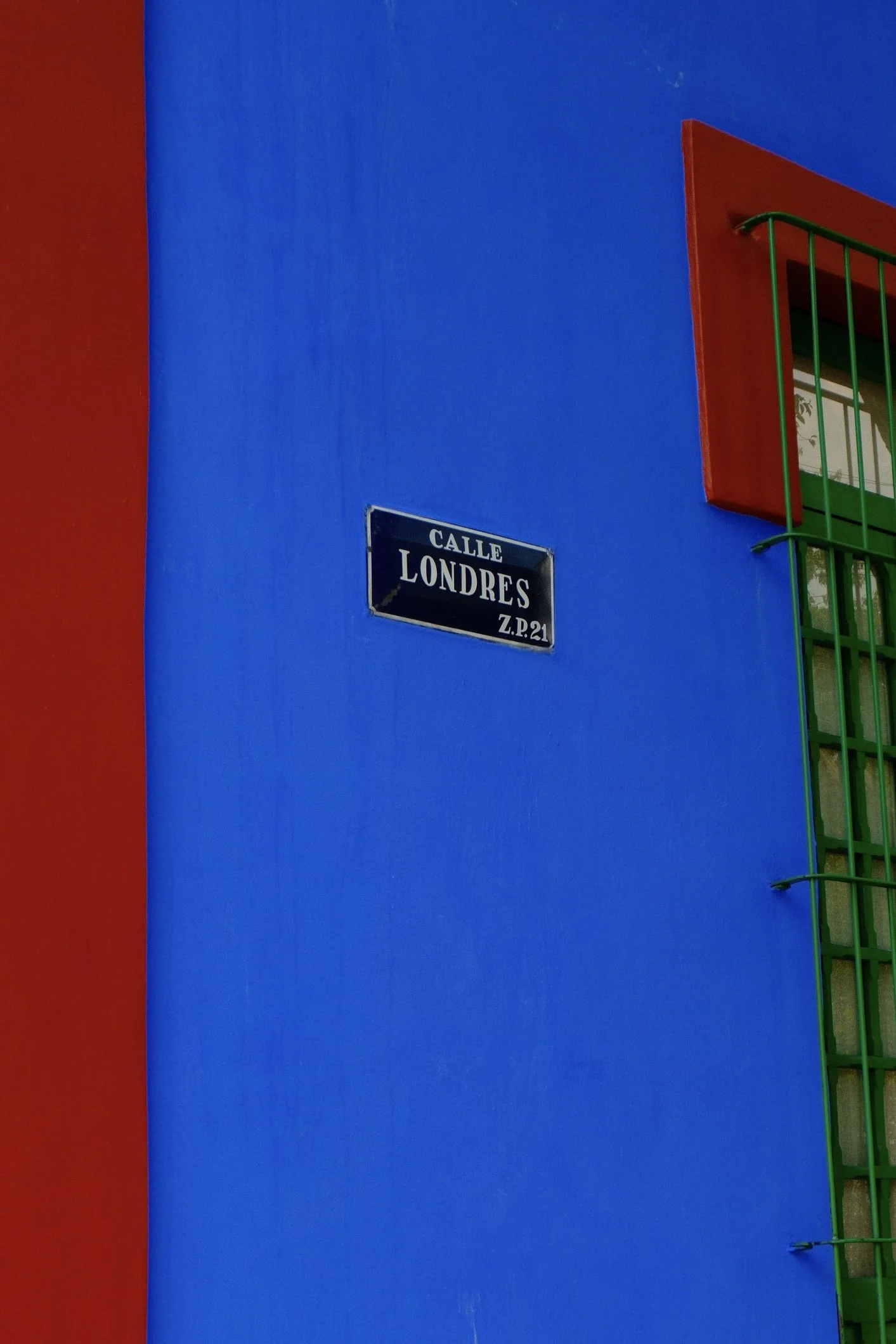
Frida Kahlo’s Casa Azul is on Calle Londres 247.
The Casa Azul, or Blue House, was built by Frida Kahlo’s father in 1904, and Frida was born here in 1907. She spent much of her life here and it became the Frida Kahlo Museum, opening in 1958 after her death.
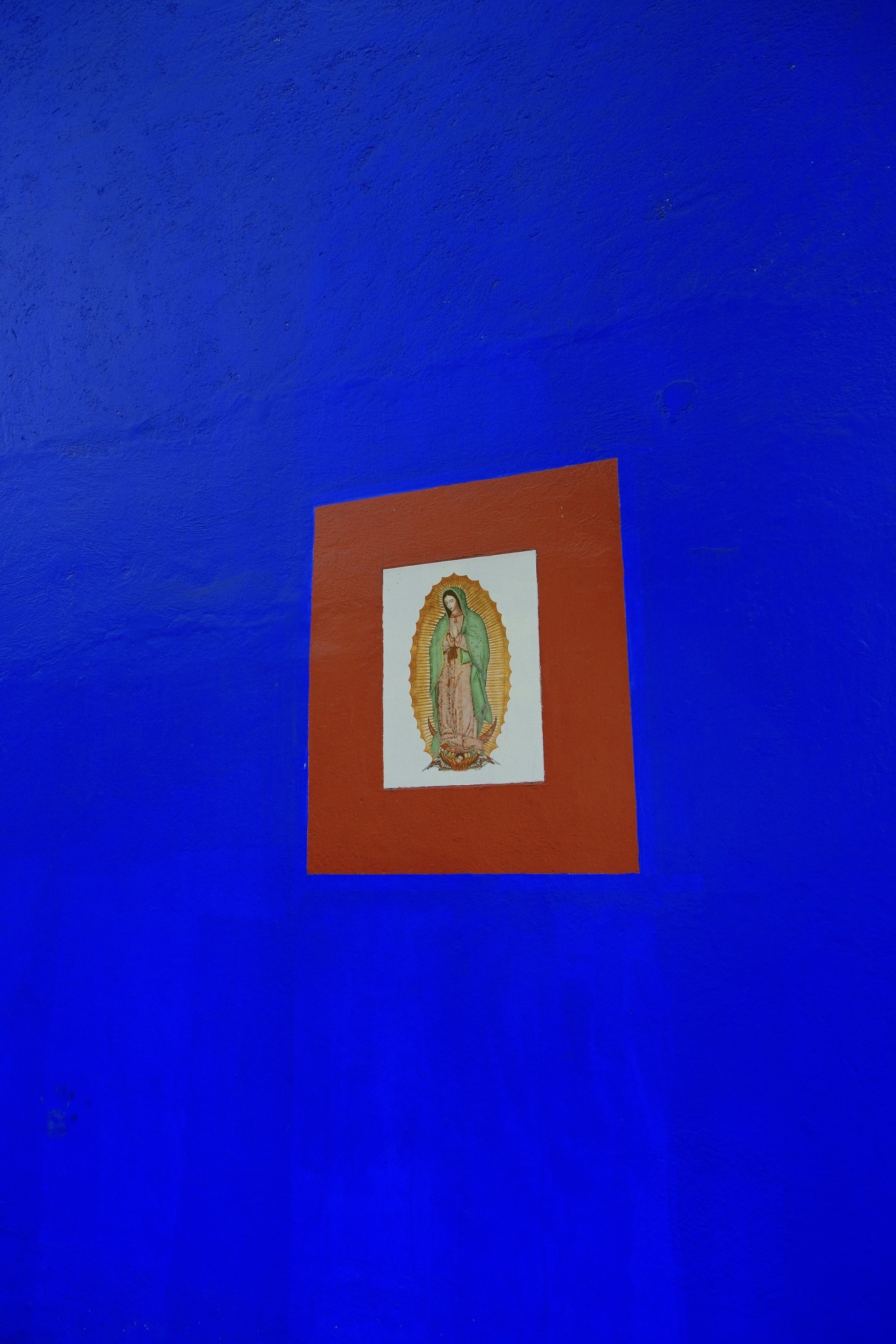
We unfortunately didn’t make it inside - tickets had sold out and the queue was huge - so we just had a look around the outside. Still worth seeing though, especially with its bright blue walls and the fact that this was Frida’s family home.
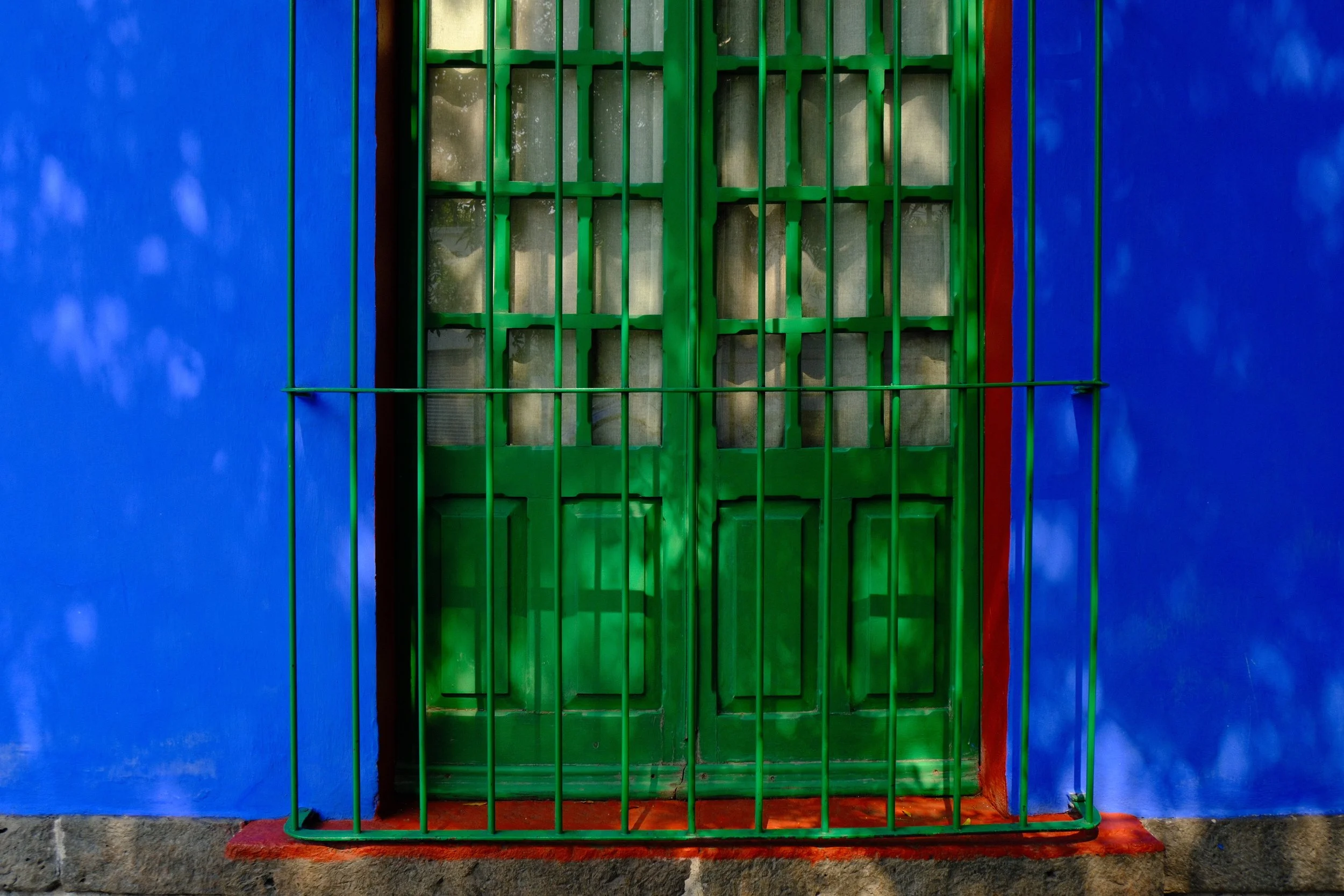
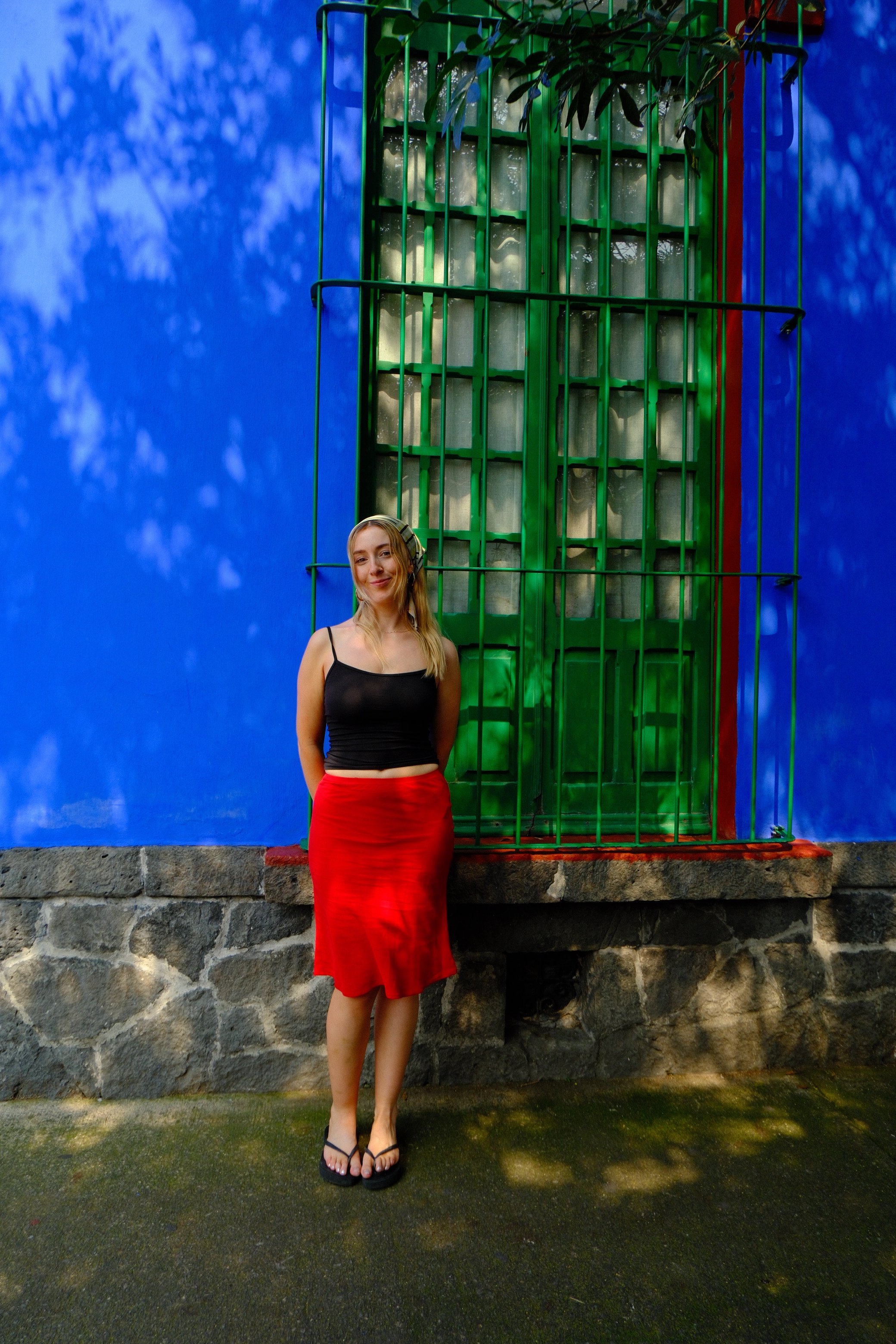
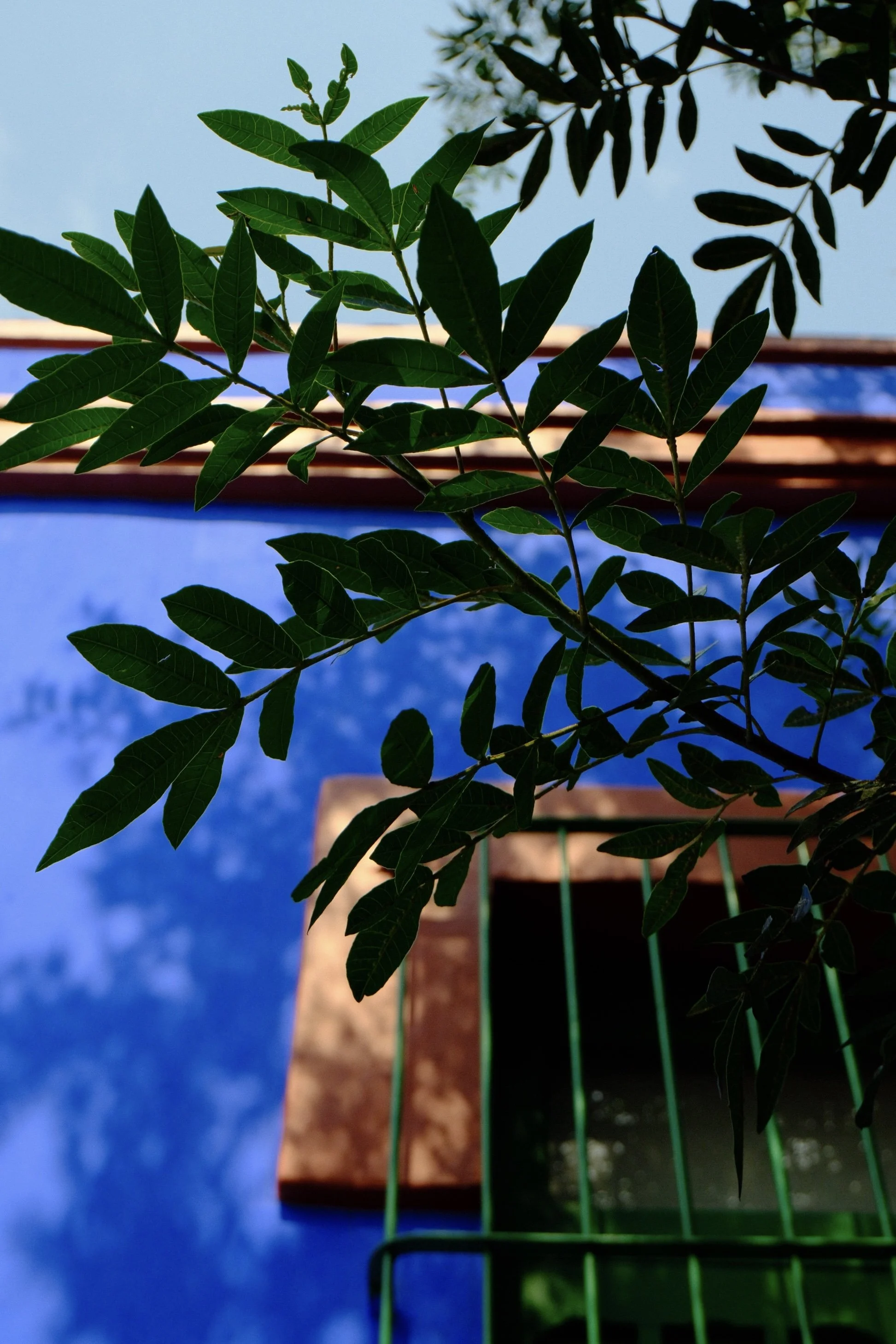
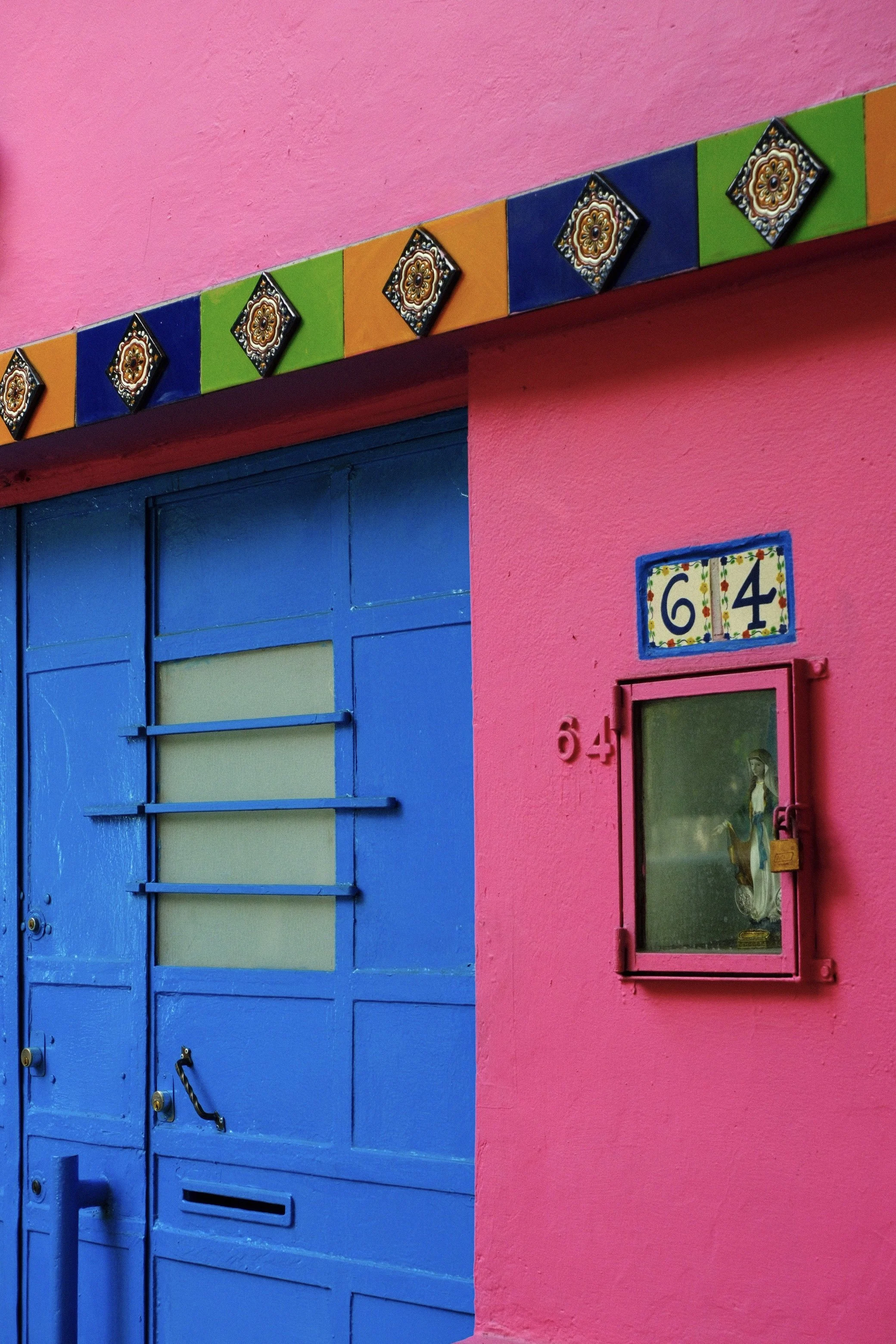
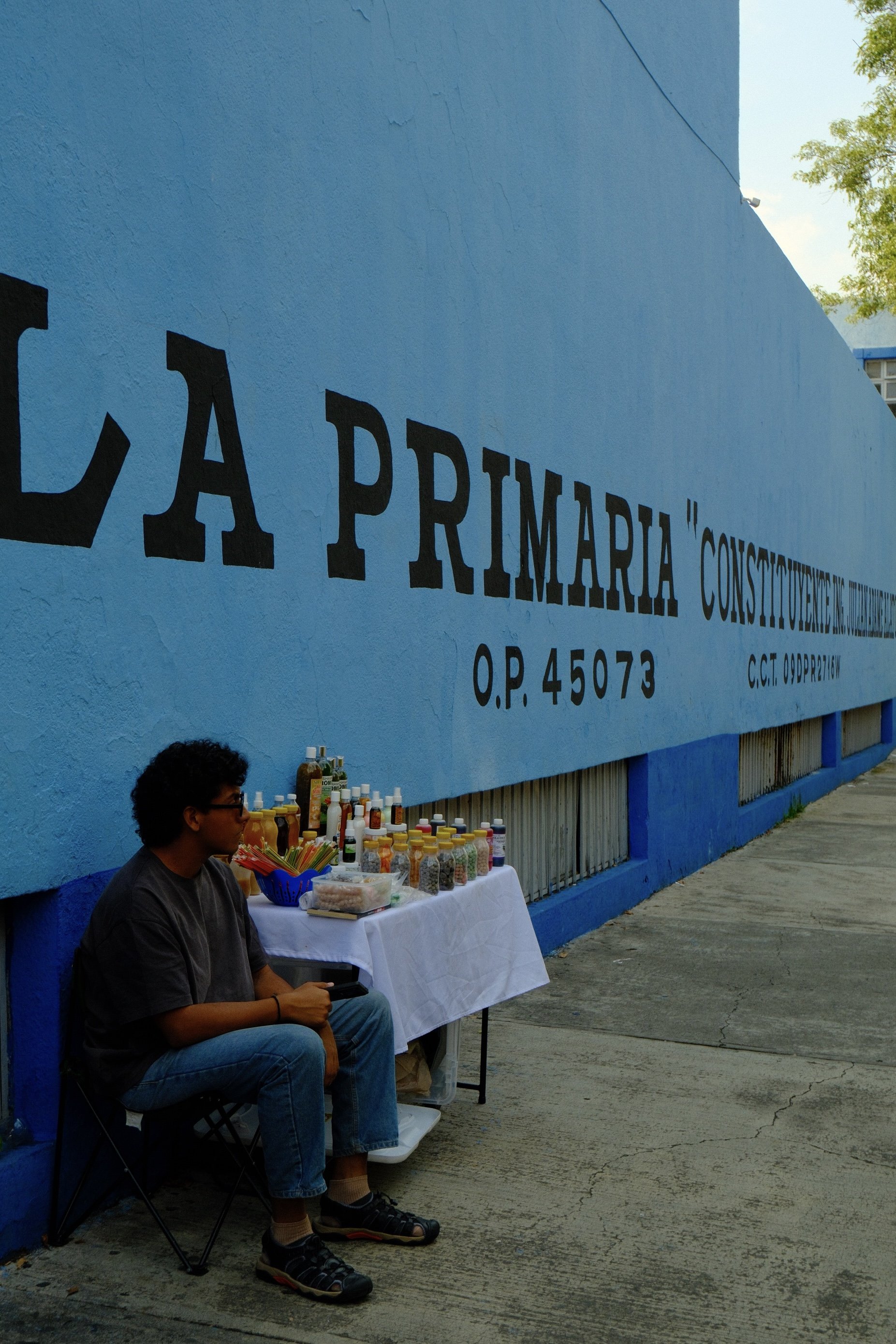
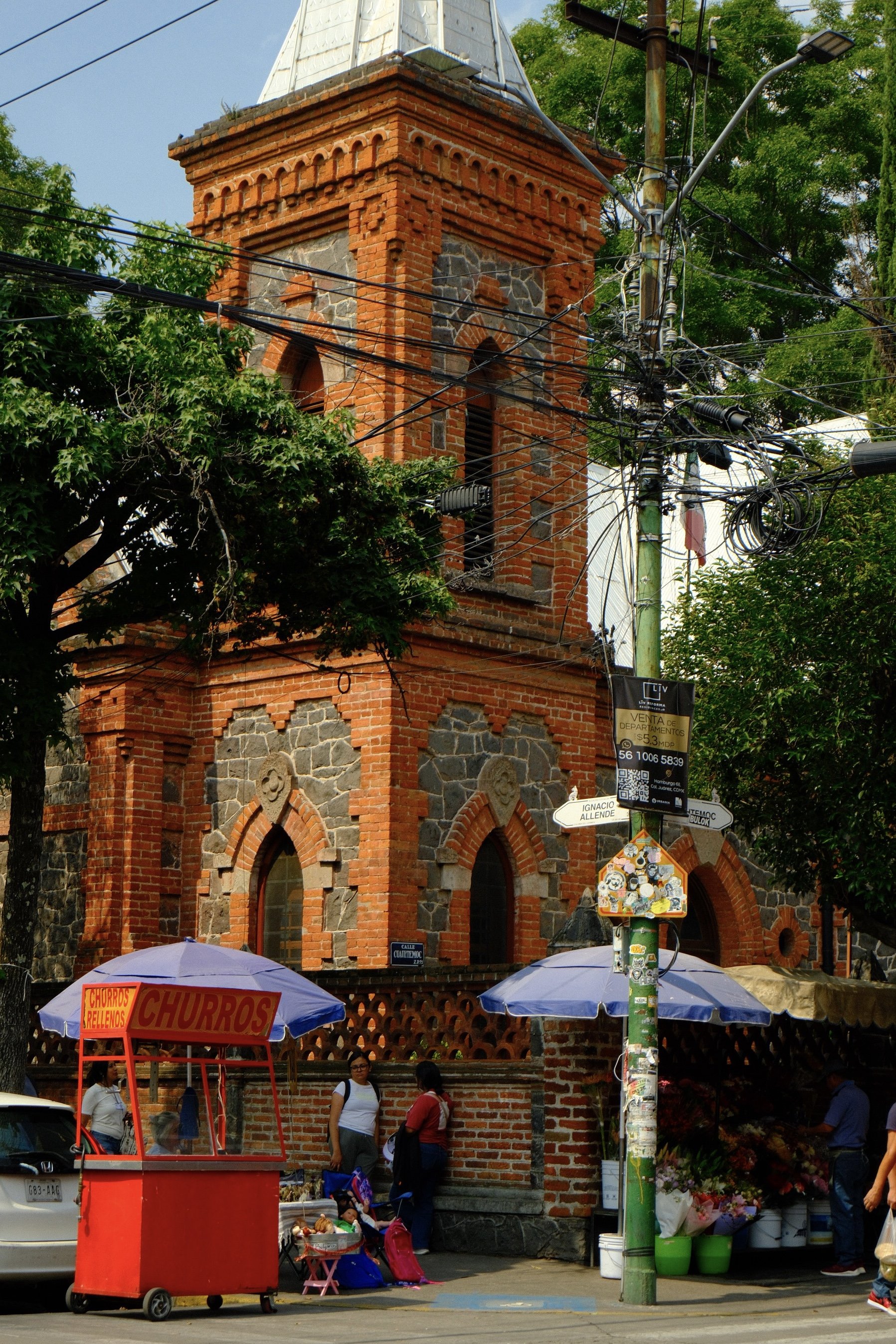
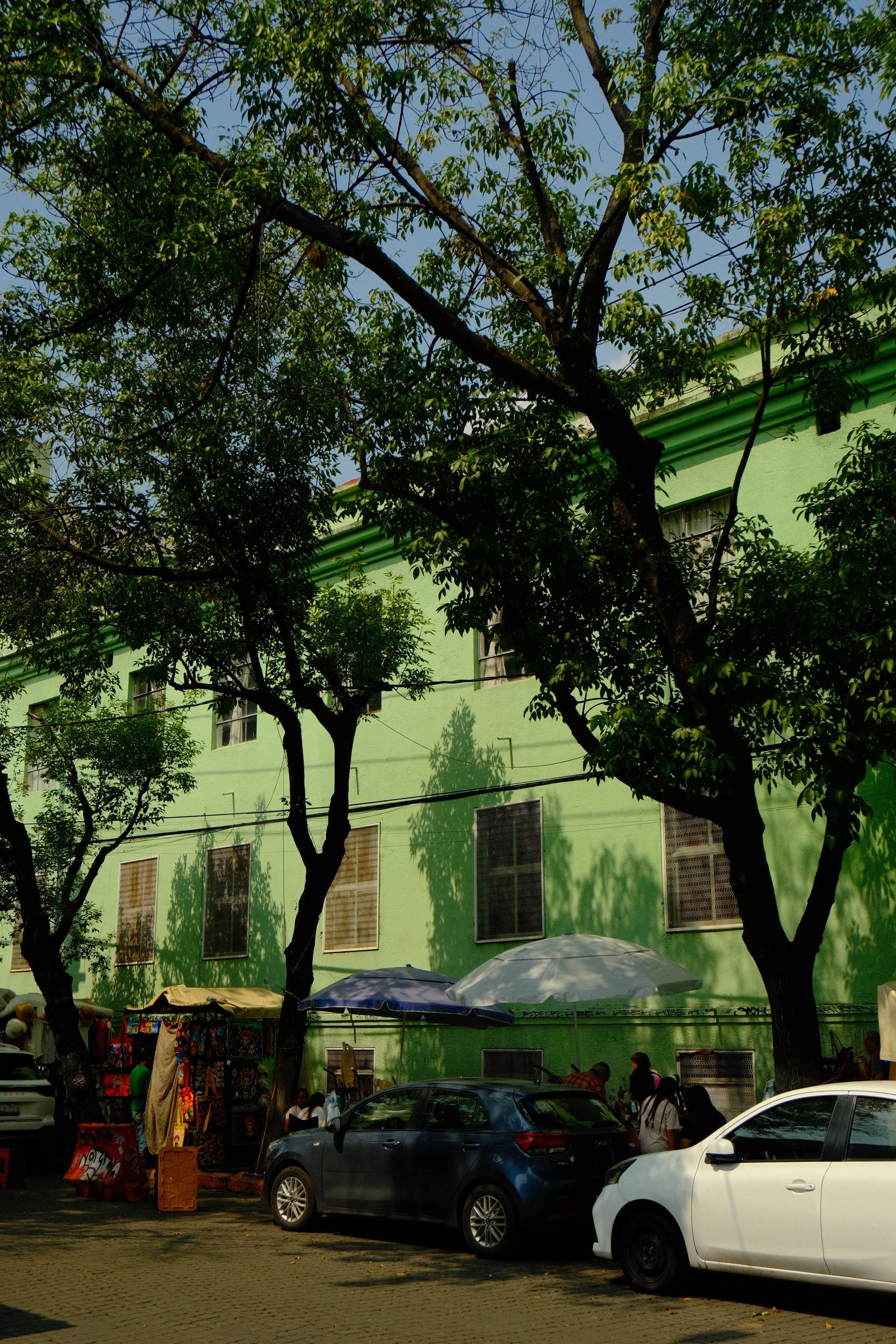
The streets were so pretty, I have far too many photos from just walking around.
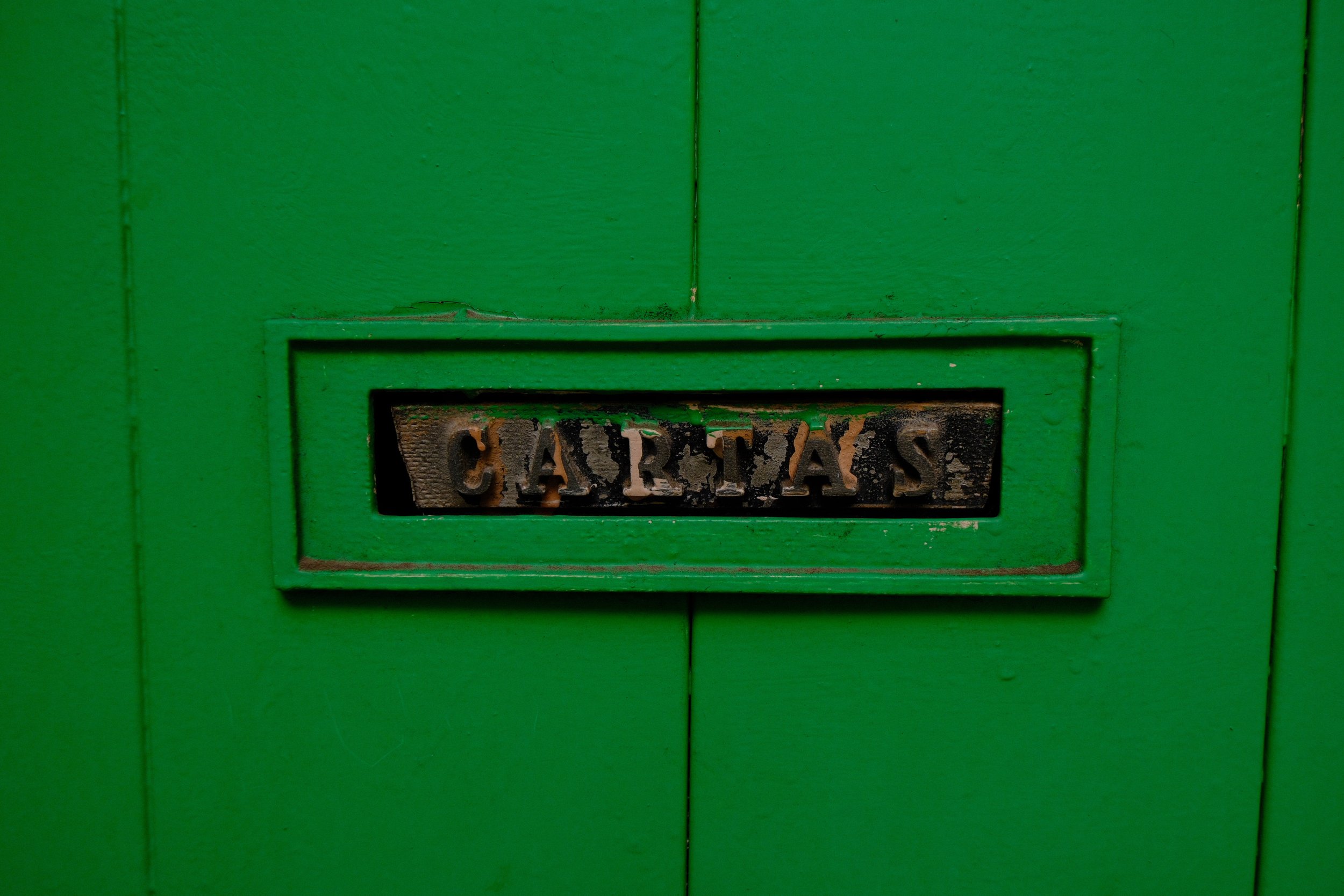
The letter boxes in Mexico are so CUTE I have such a huge bank of photos of them