Oaxaca City has been one of my favourite stops in Mexico (although I do keep saying this with every new place I go). The city is full of vibrant streets, beautiful old buildings, incredible food and a very strong sense of its own culture.
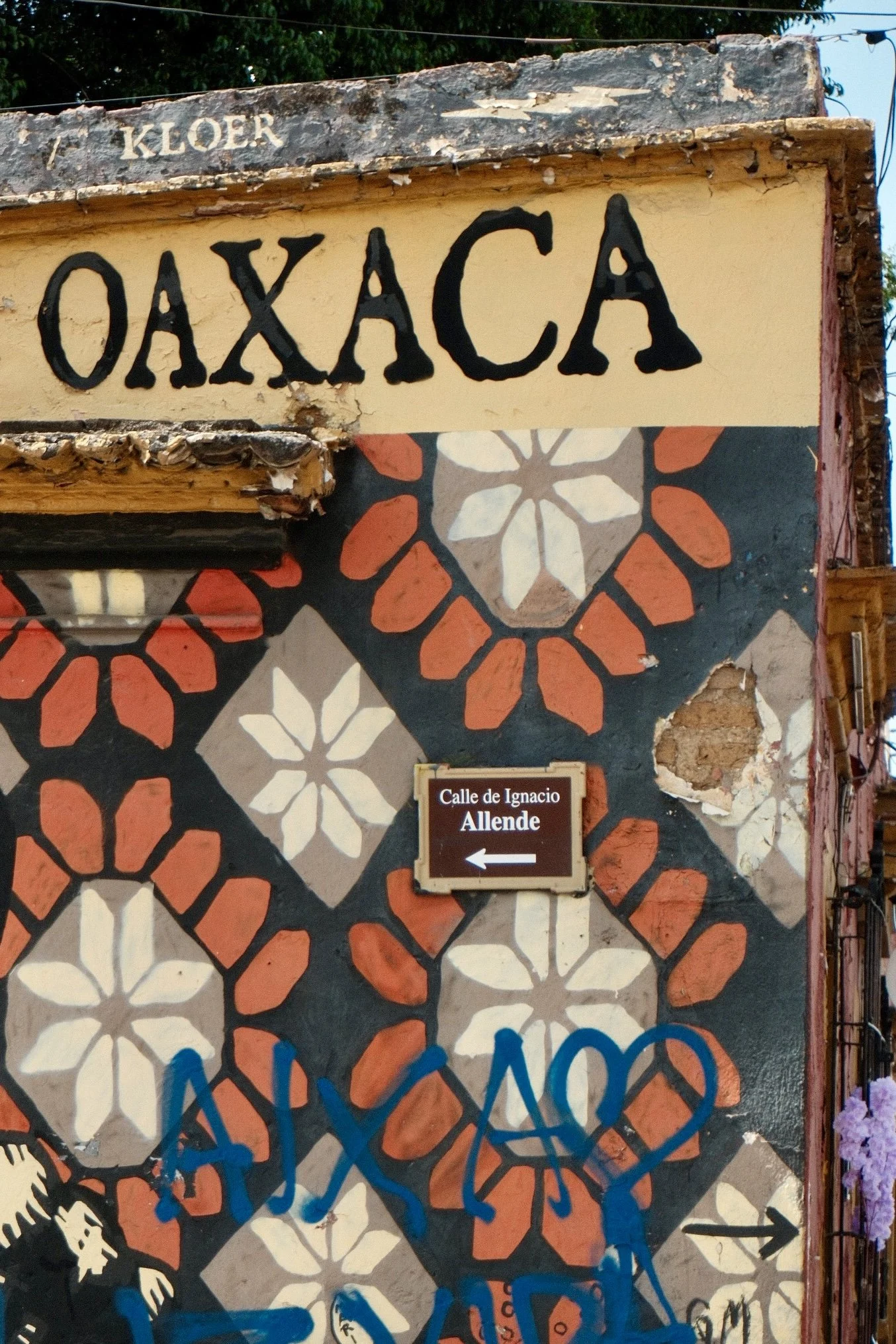
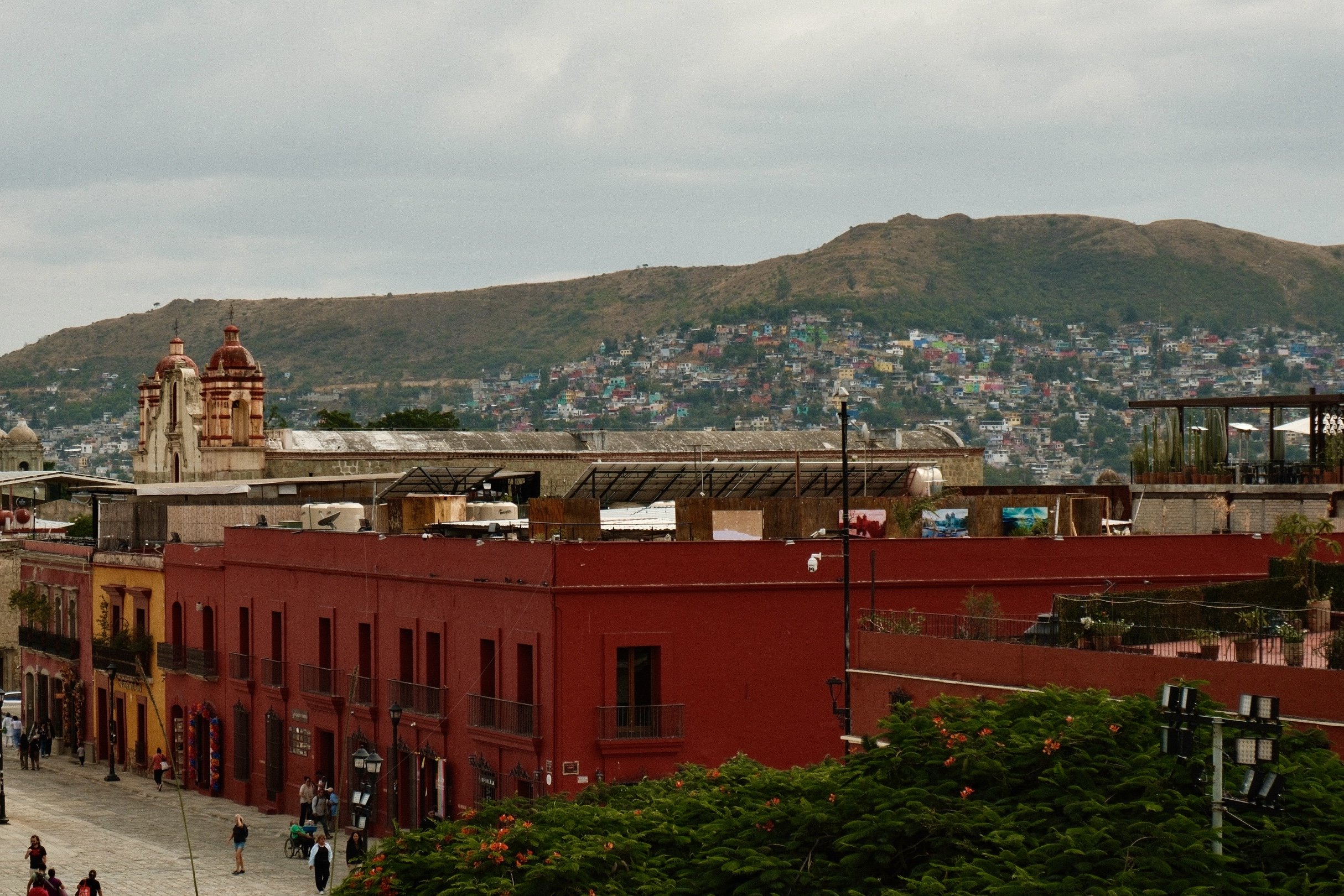
Oaxaca City is full of colourful buildings, street food stalls, markets and little shops. I loved people watching here, strolling about and just watching people go about their day.
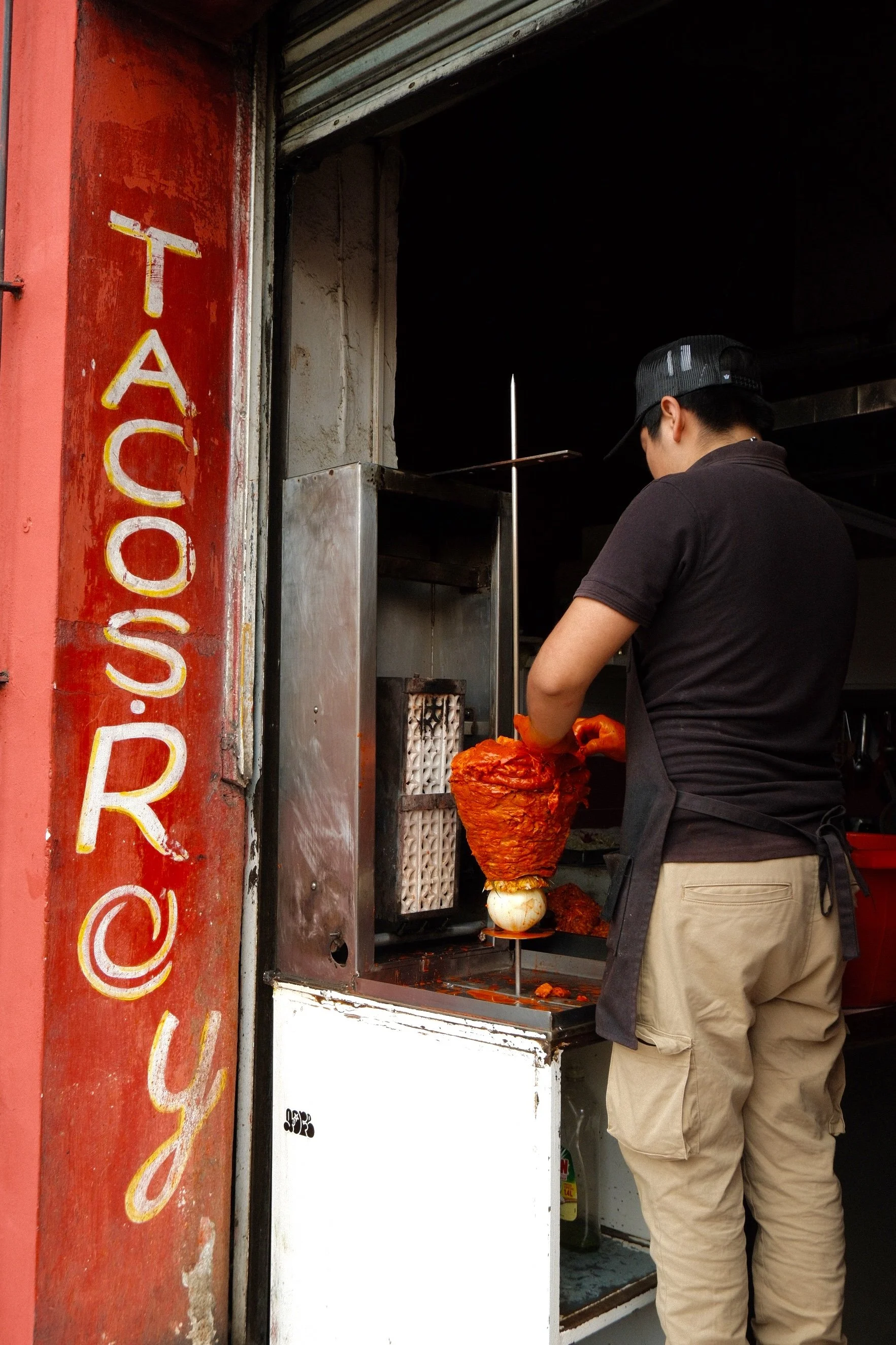
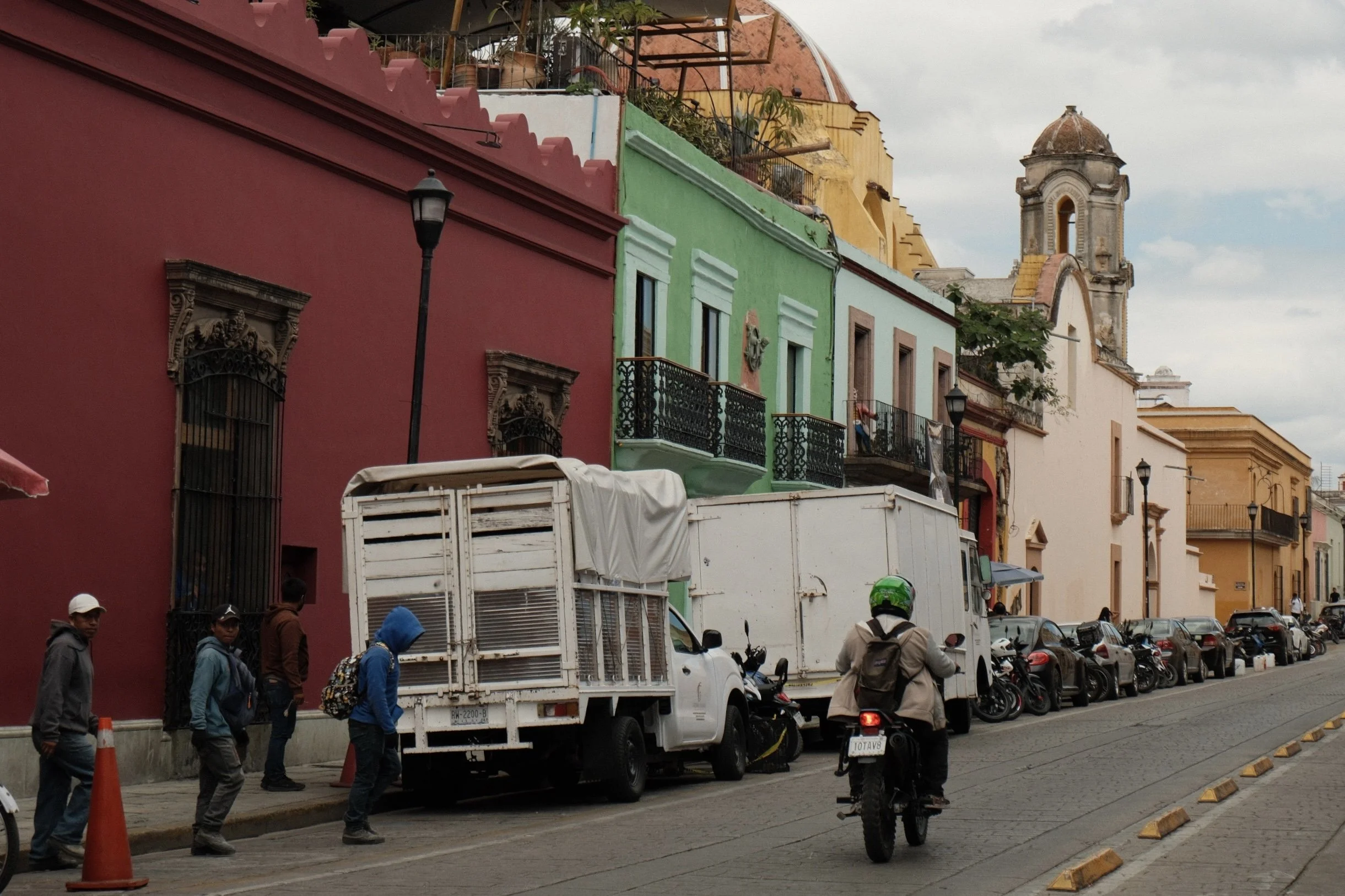
Basílica de Nuestra Señora de la Soledad - one of Oaxaca’s most recognisable churches, dedicated to the city’s patron saint, the Virgin of Solitude. The stone front is super detailed and so beautiful.
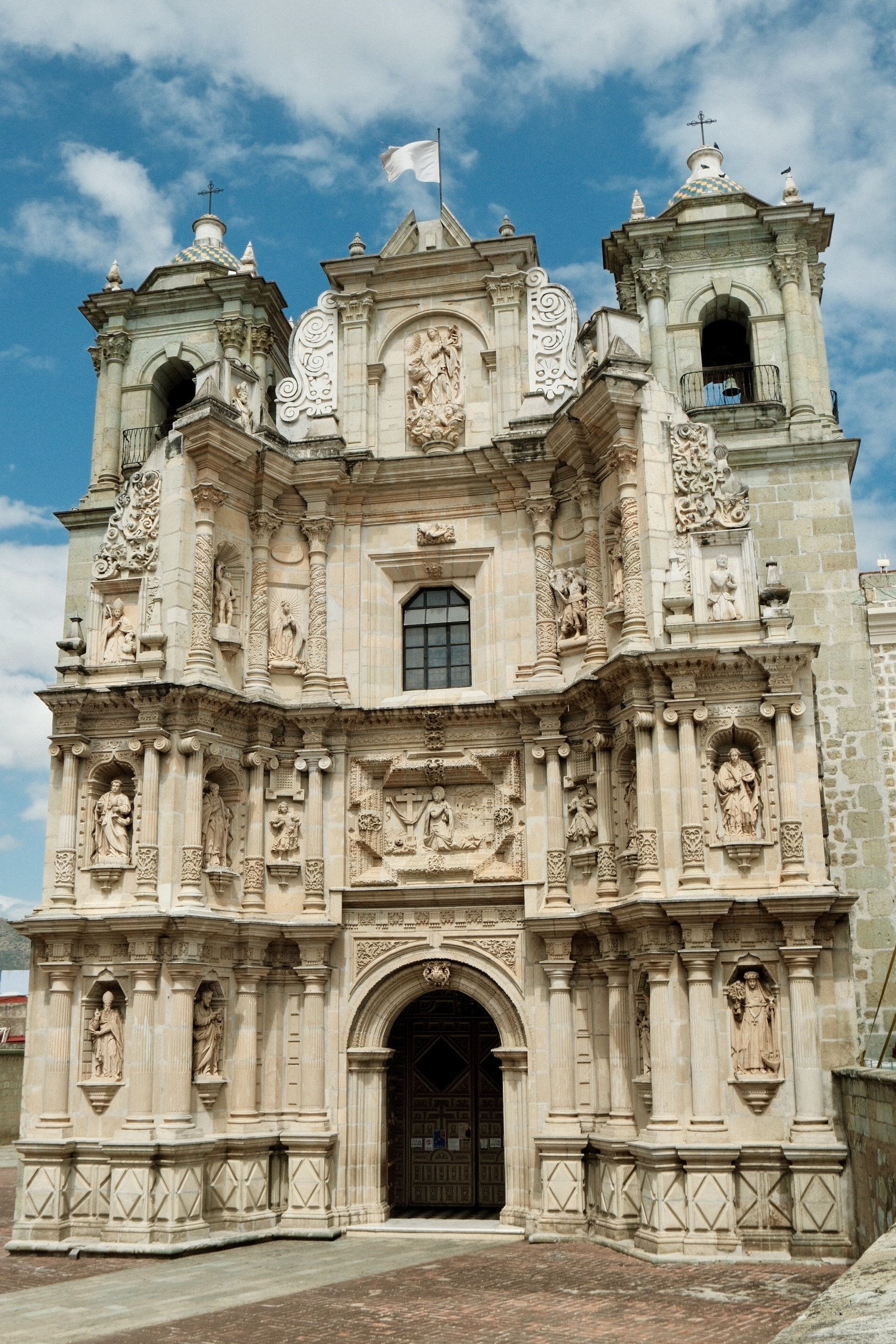
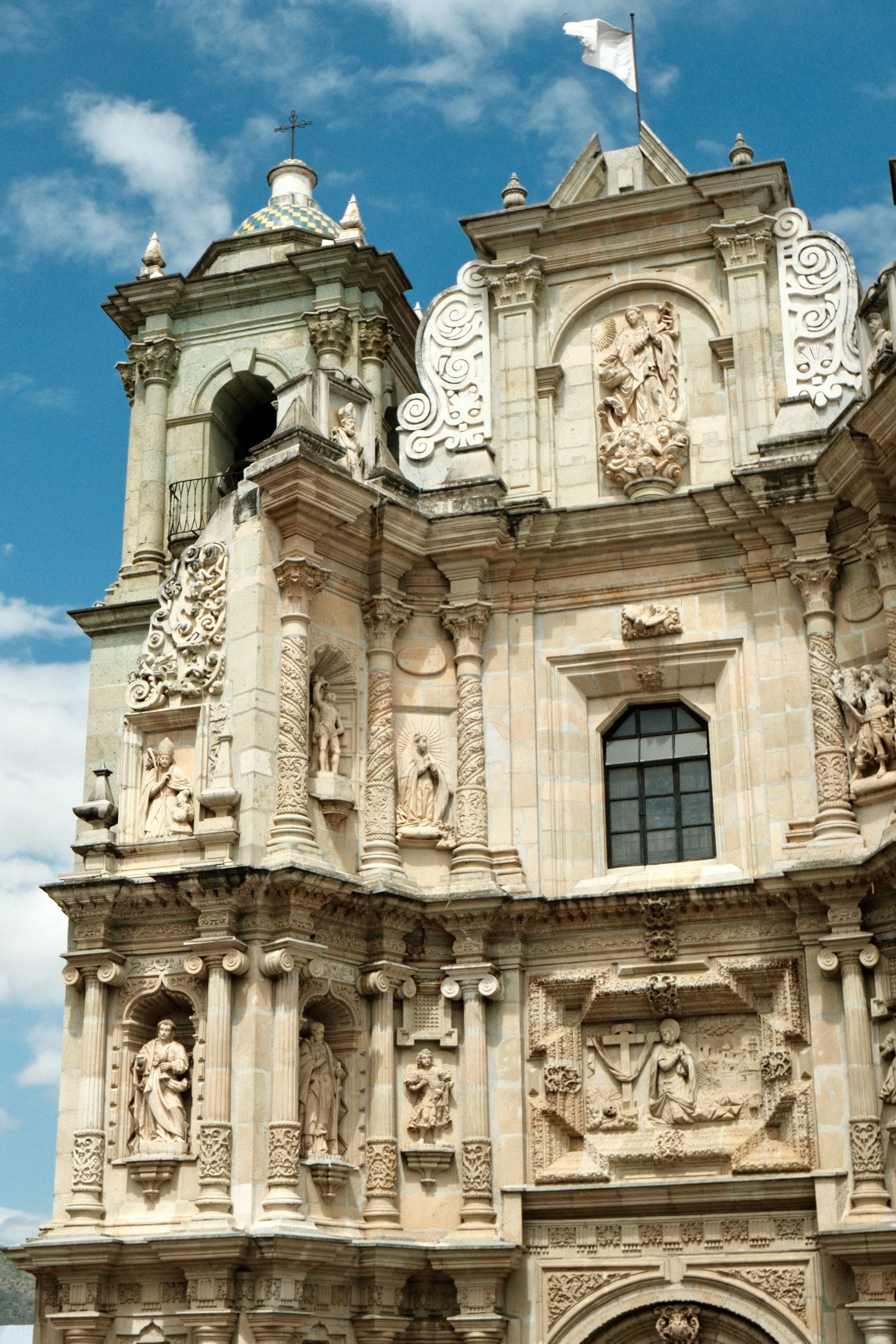
Most of my days I didn't have much planned. I wandered about and got my steps in, stopped for food and chatted to the locals. Surprisingly managed to actually have half-conversations with my awful broken Spanish.
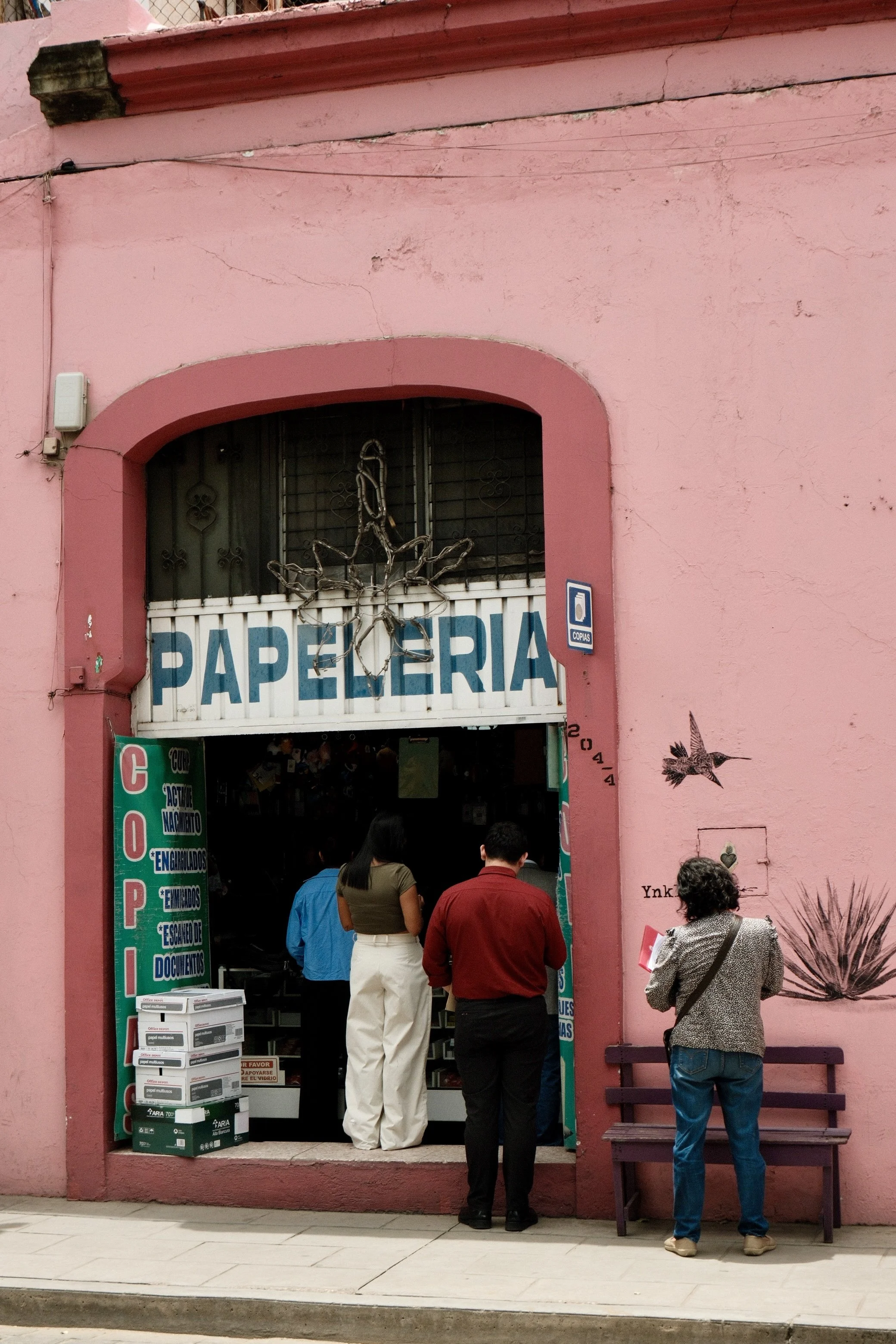
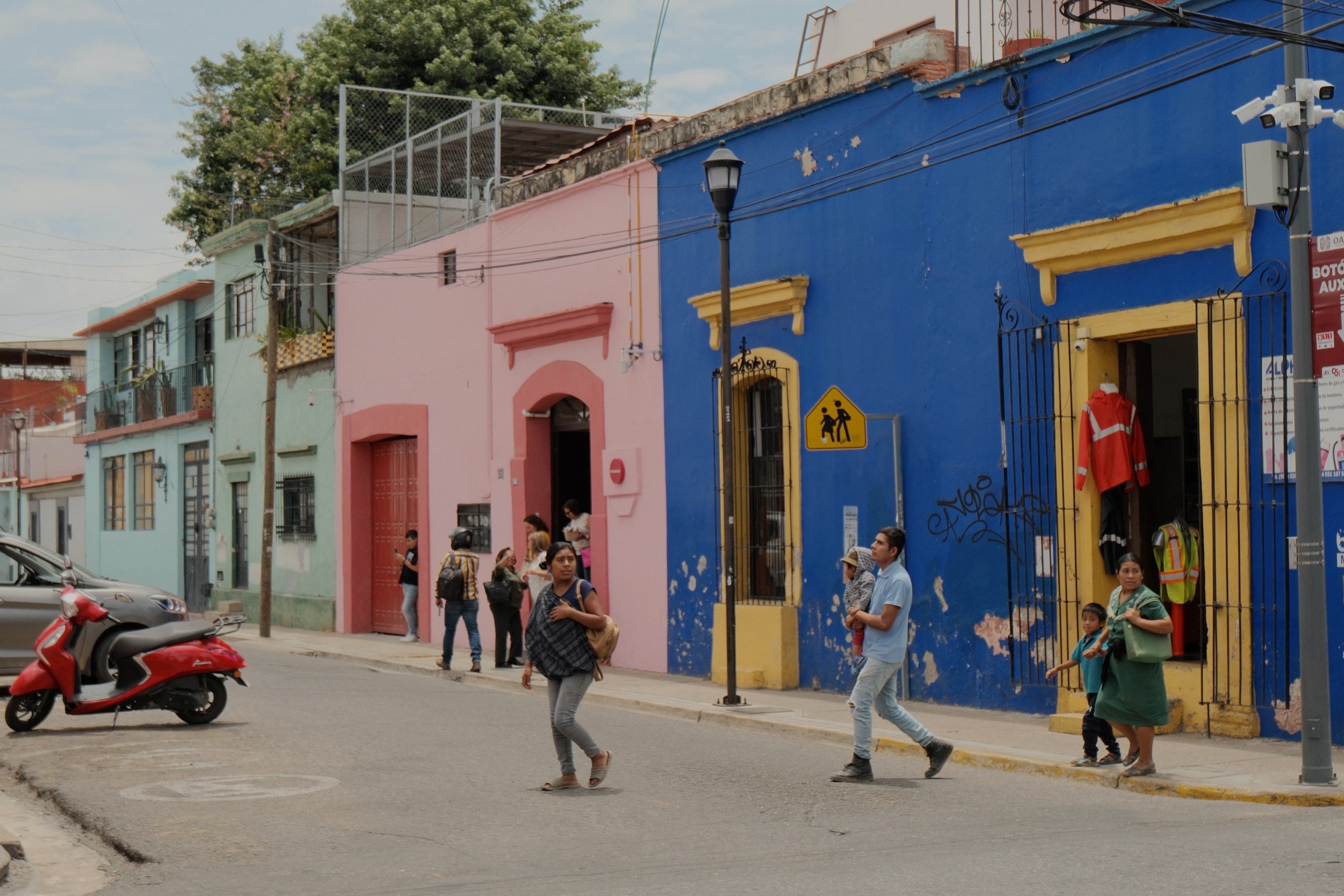
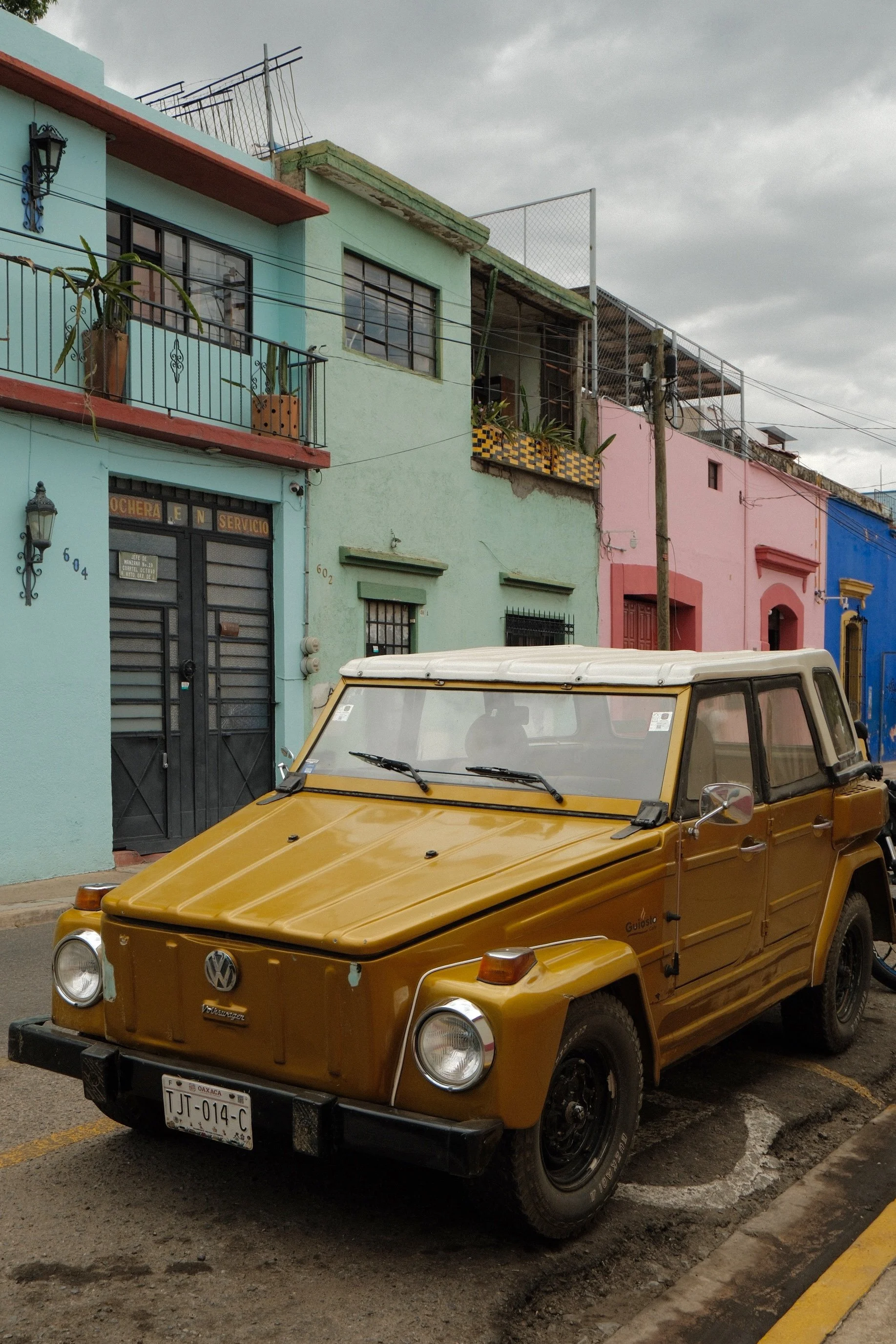
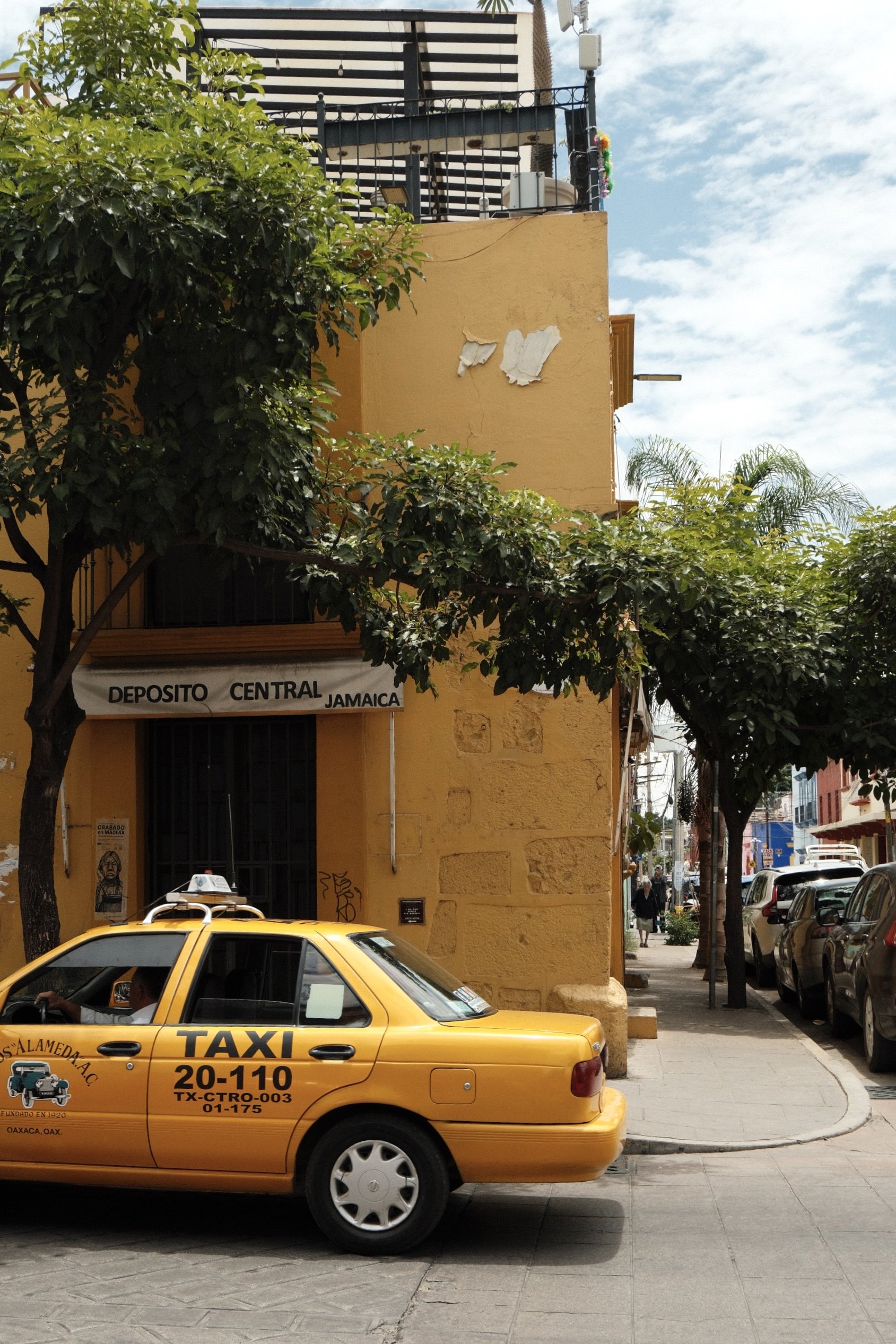
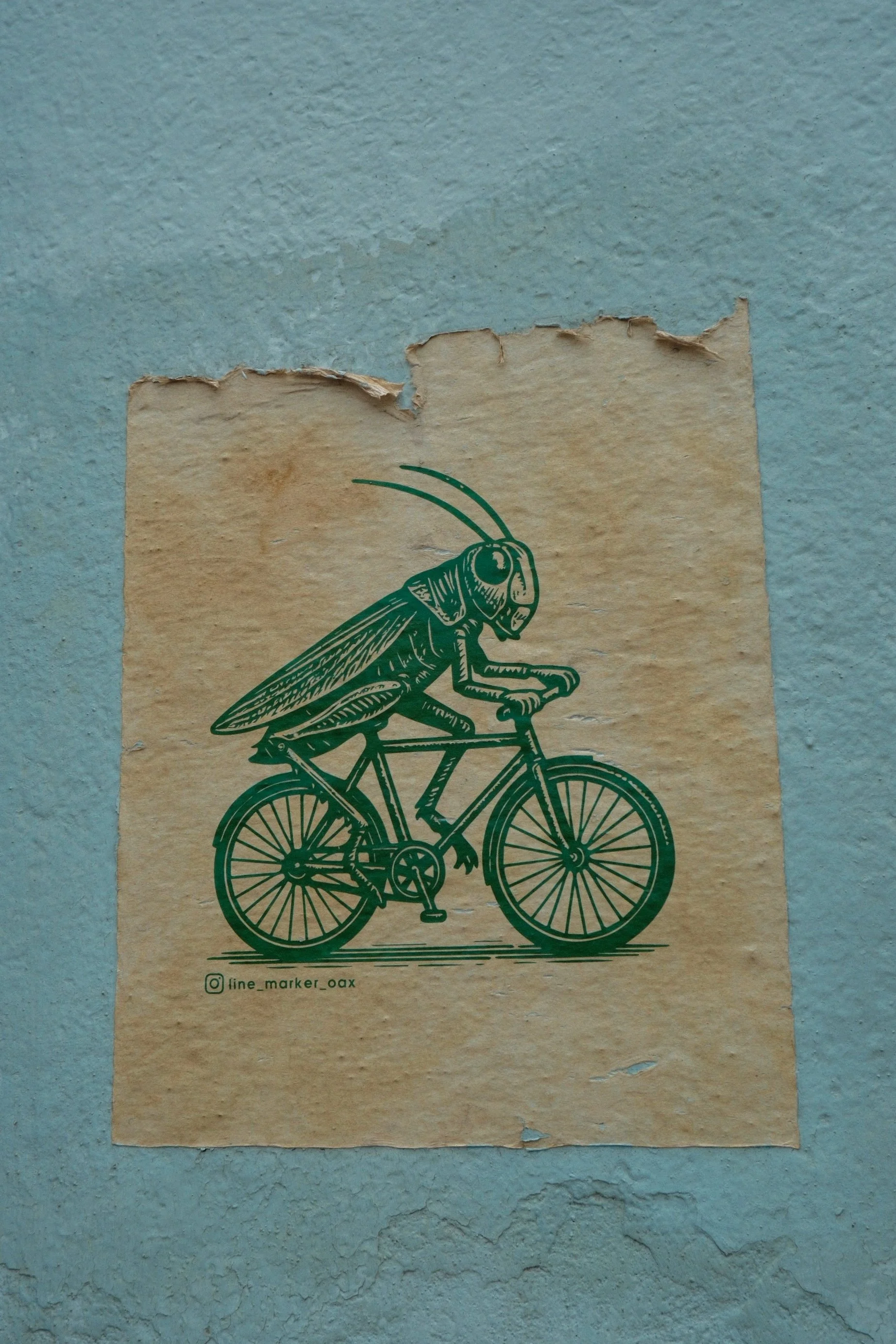
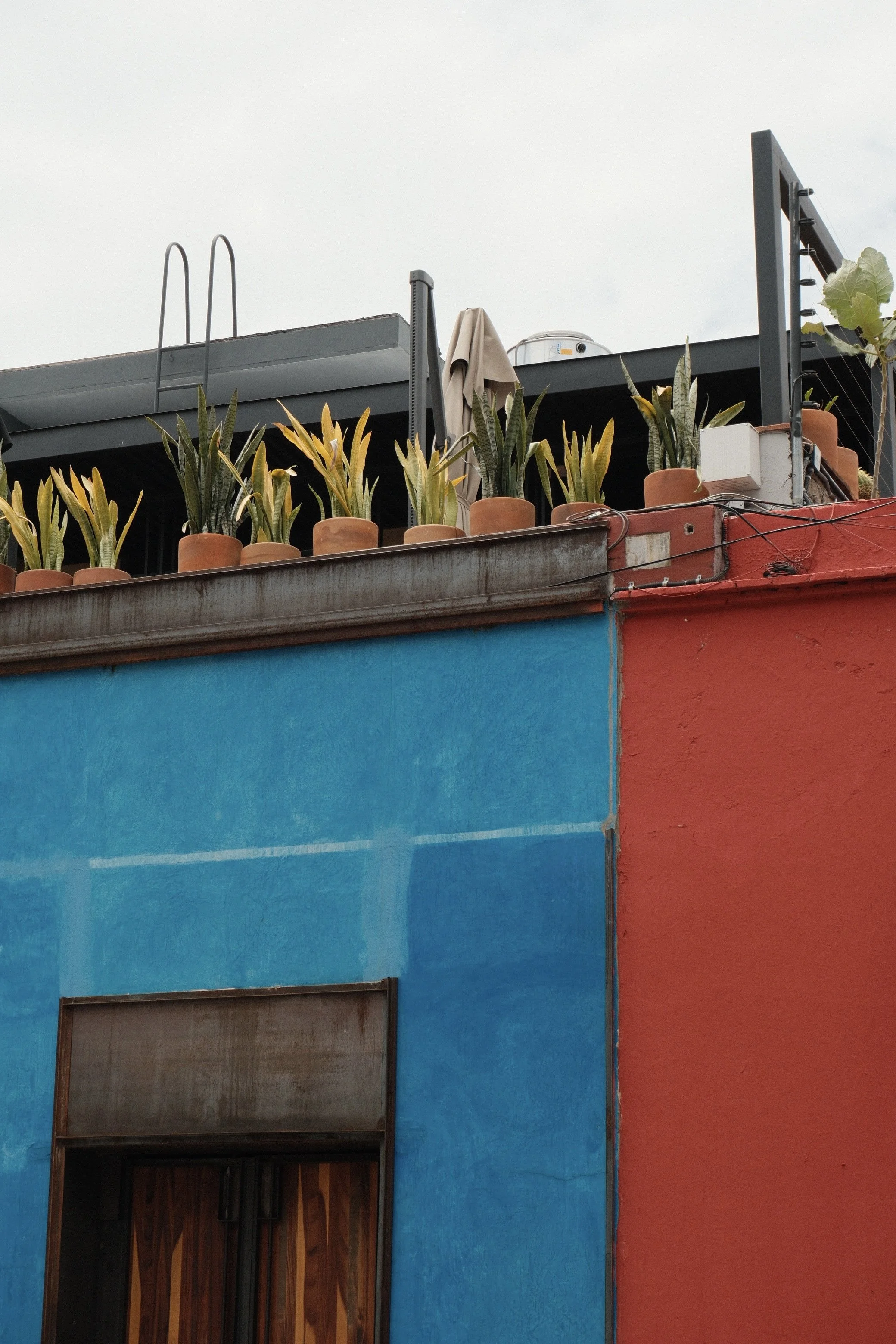
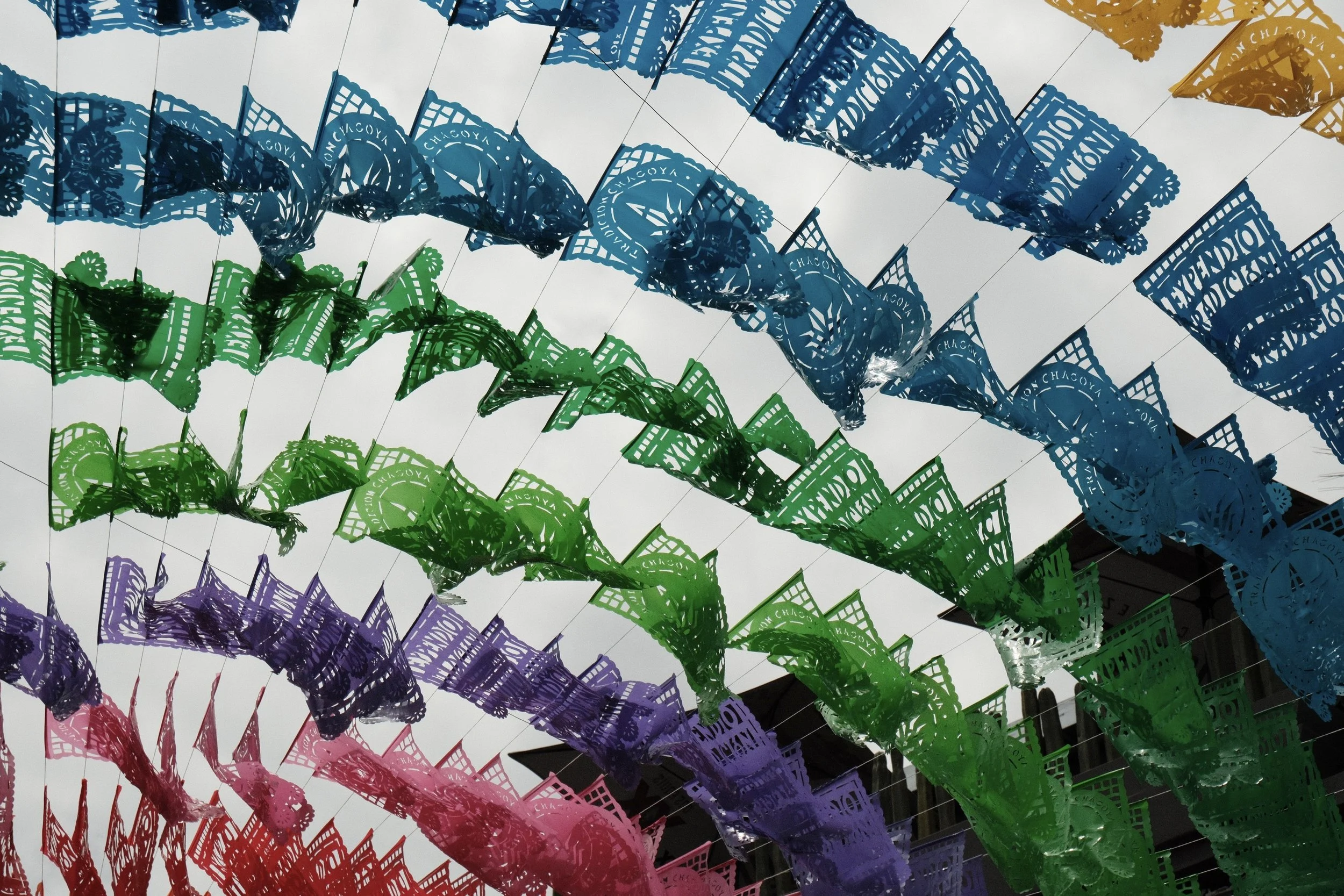
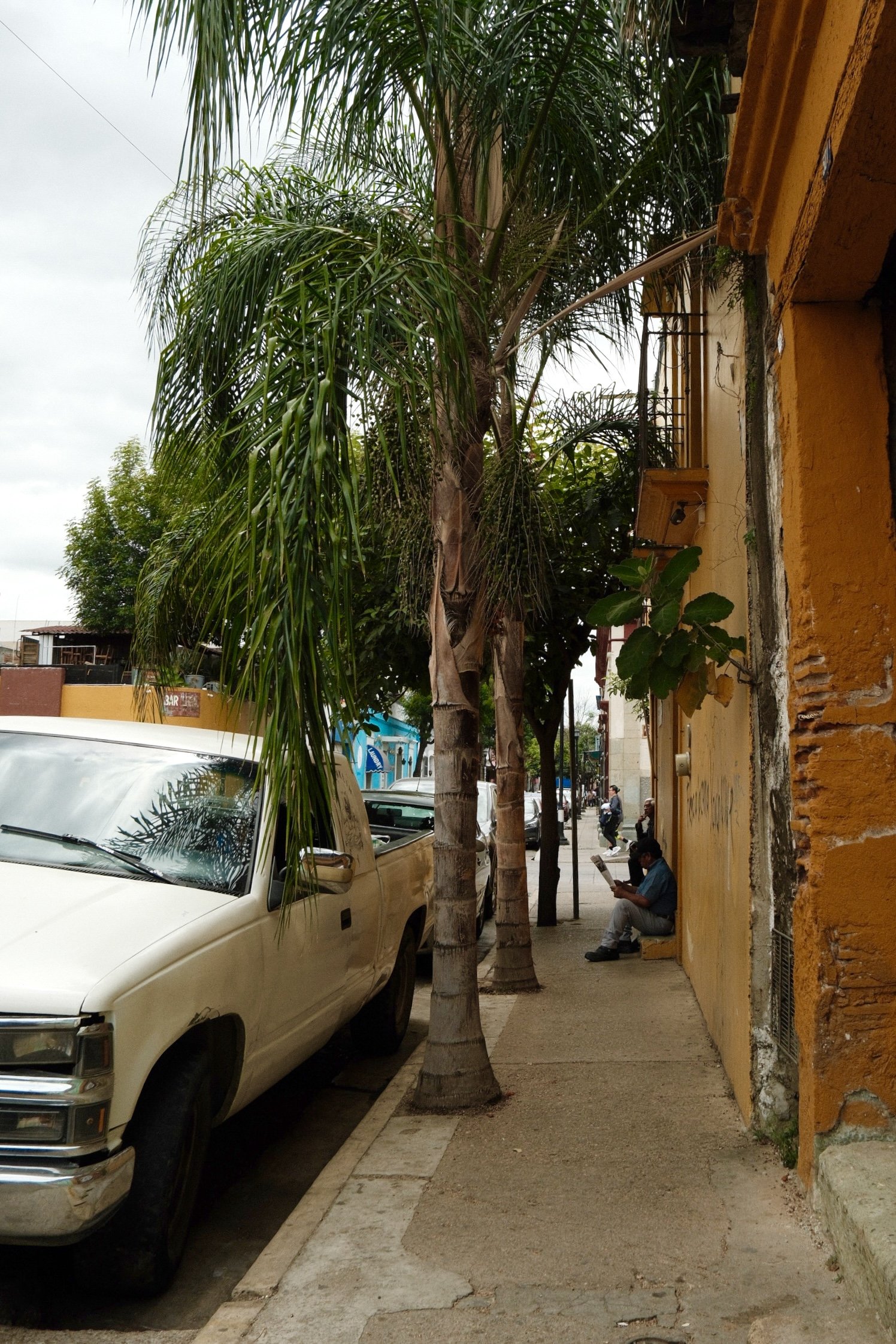
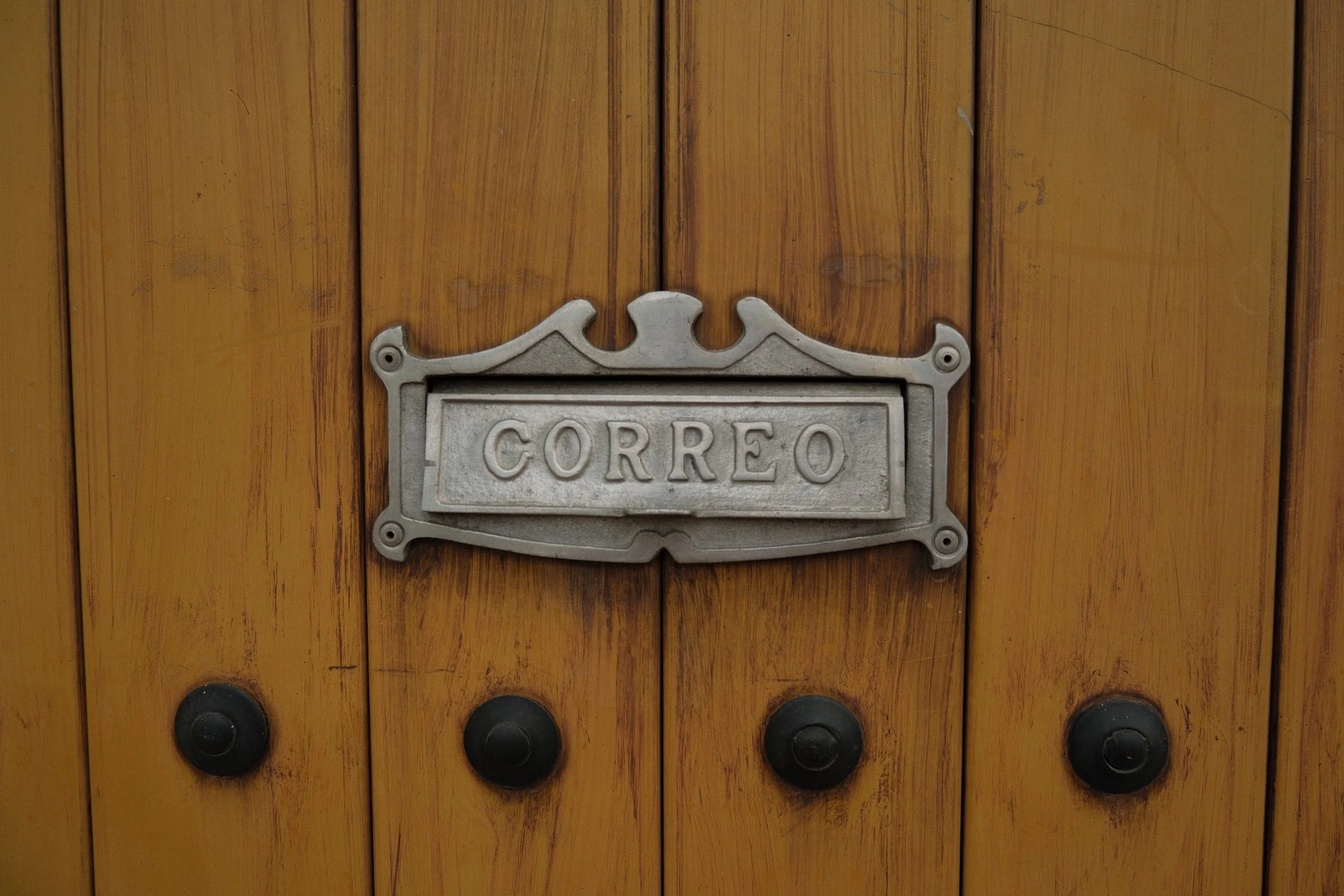
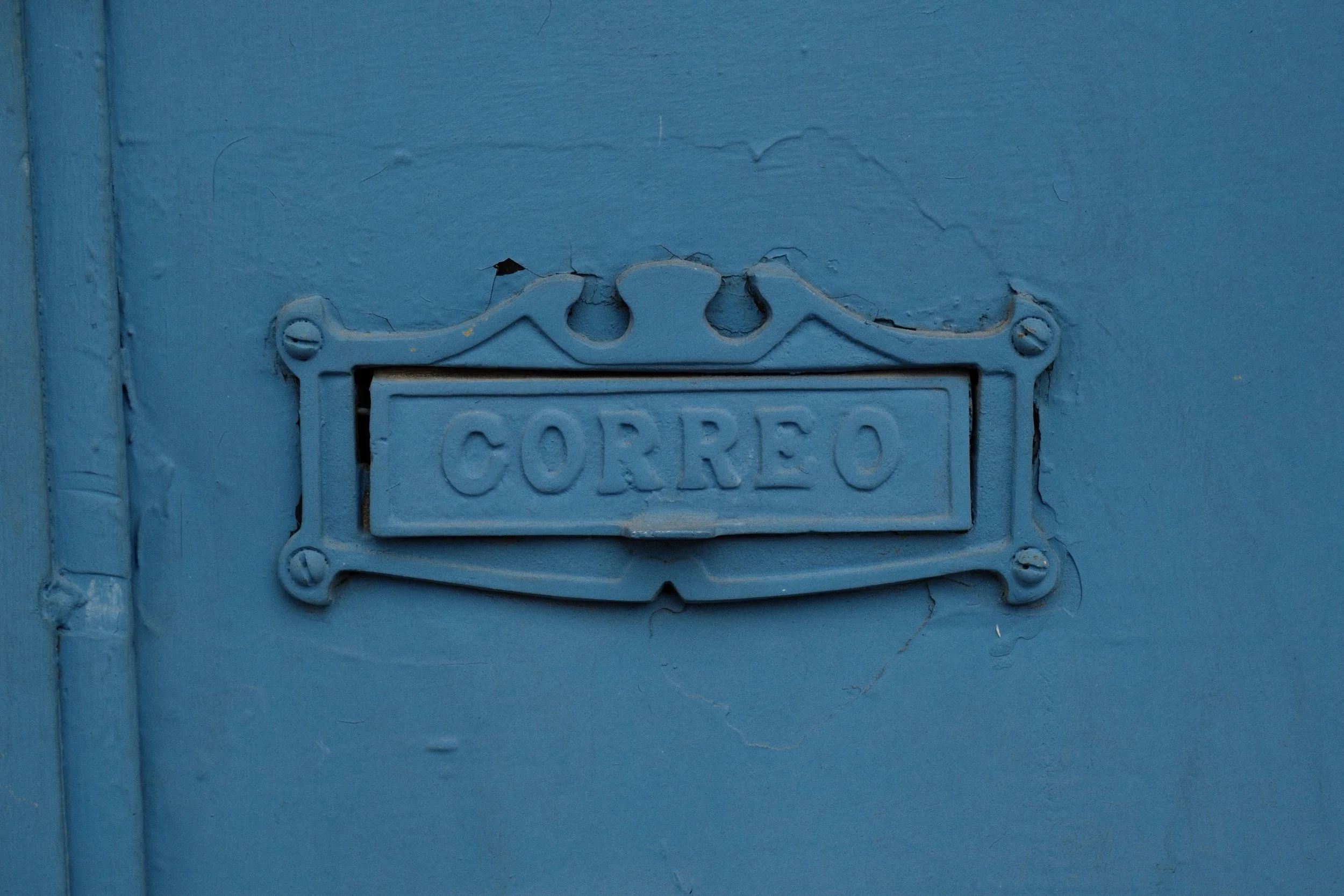
Another moment for the seriously cute letter boxes. I may have to do a letter box series…
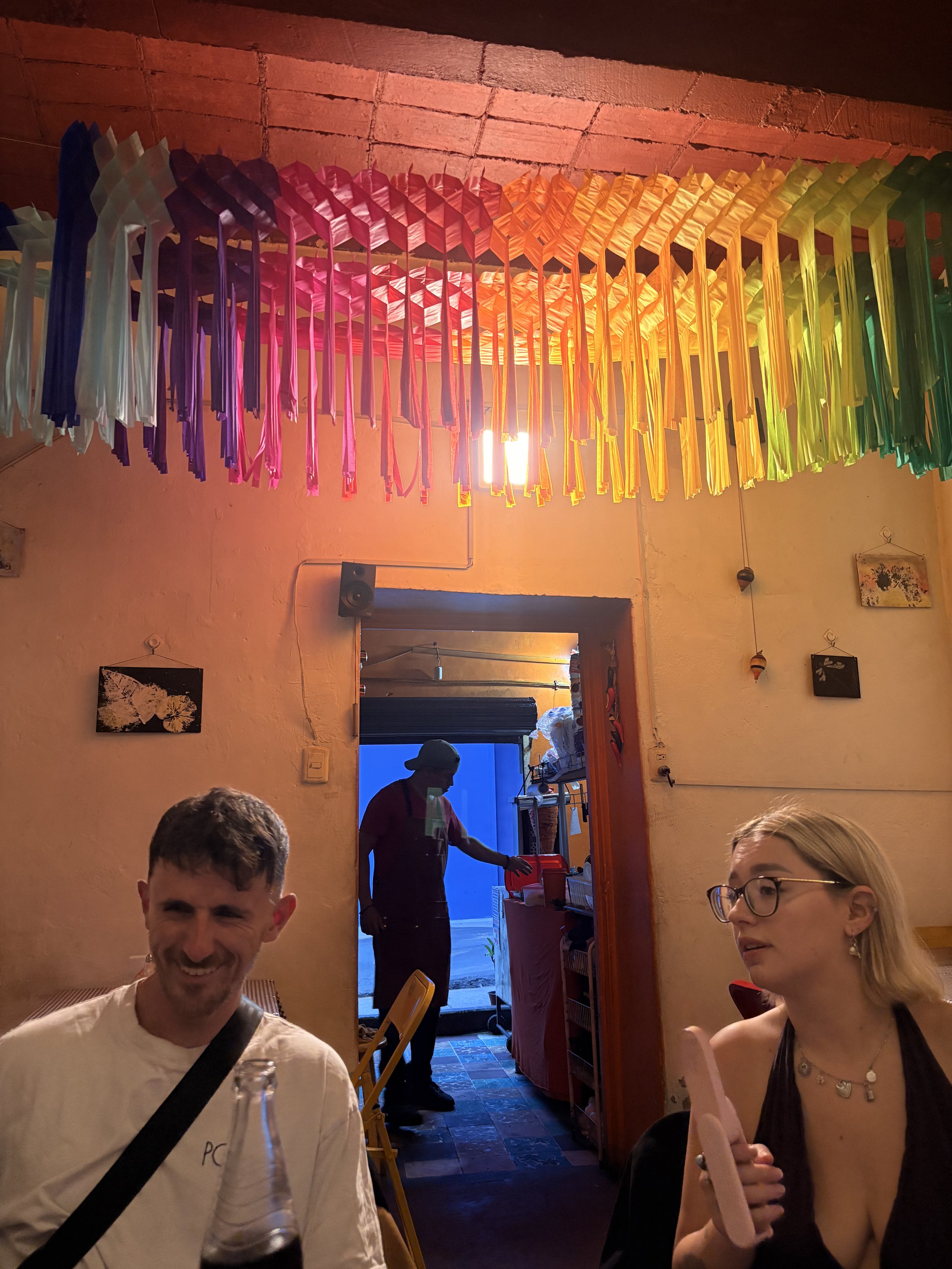
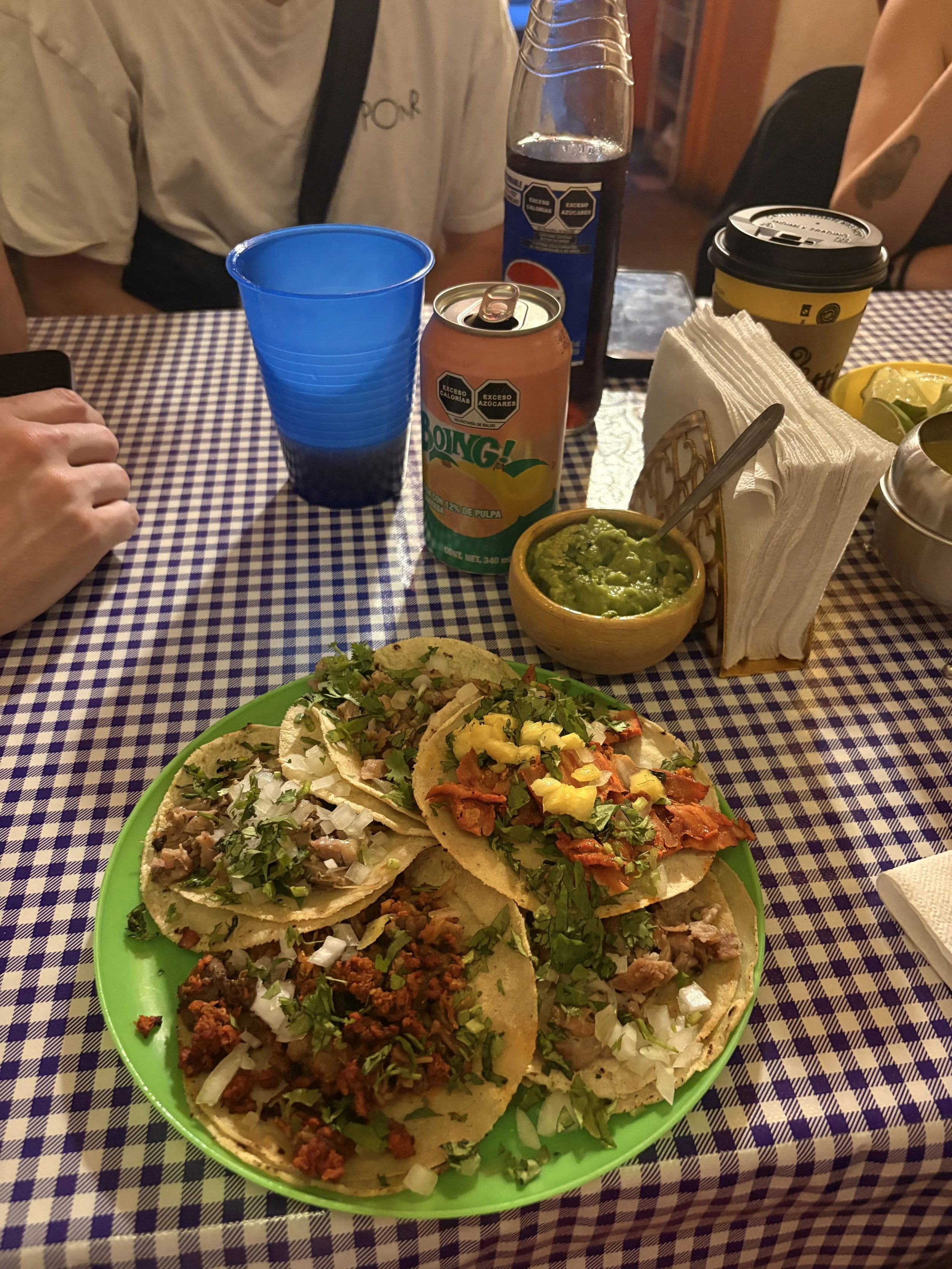
The food in Oaxaca was unreal. My favourite meal out was at a little family run taqueria called ‘Los Tacos de Esme’. Yes, I ate all those tacos to myself.
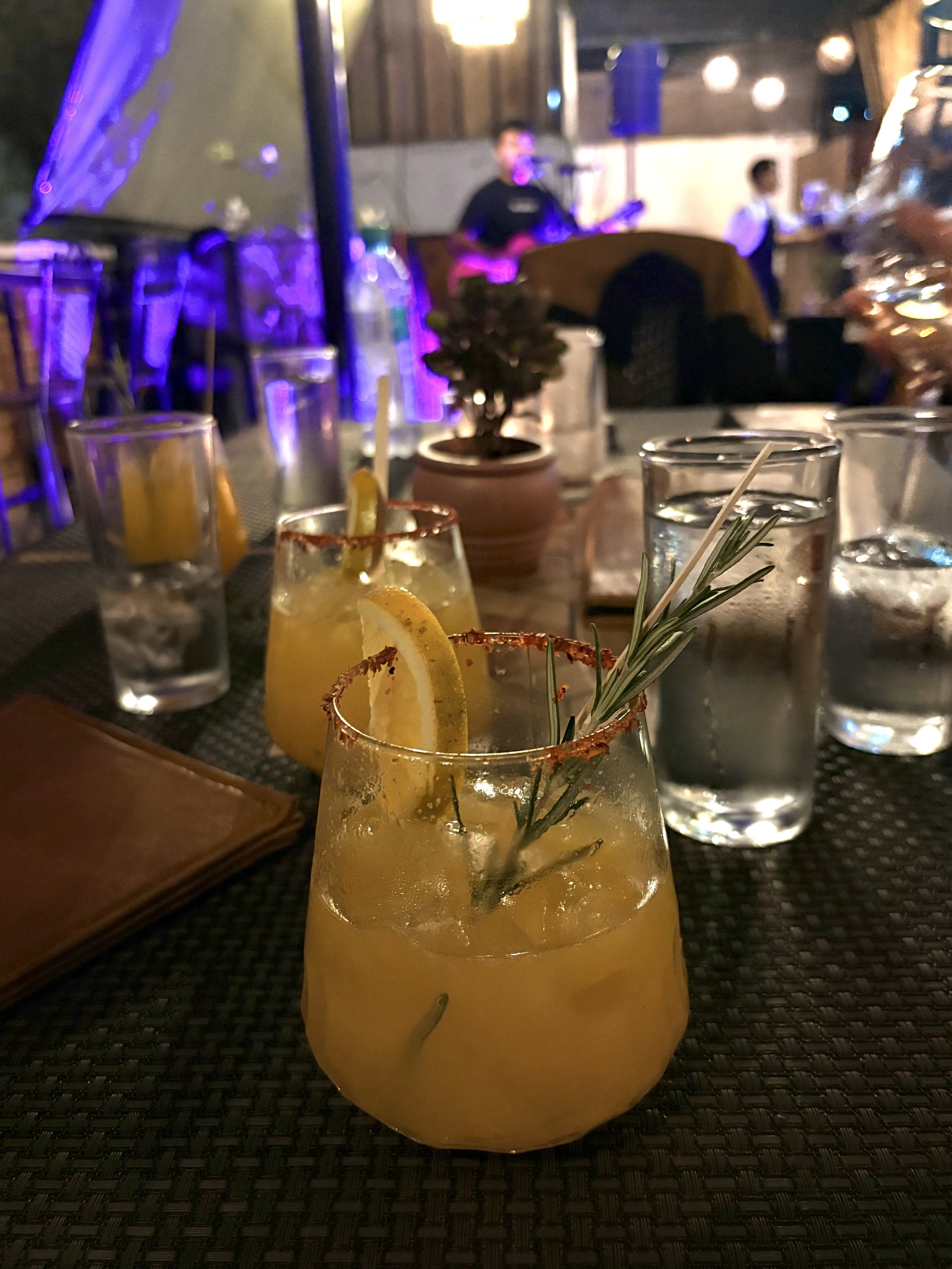
Another new favourite of mine is a Maracuyá (passion fruit) Mezcalita. I already drank half before taking a picture. I’m absolutely obsessed and pretty sure this is where most of my budget is going… the tajín rim is just unreal too. Yummy, give me 20.
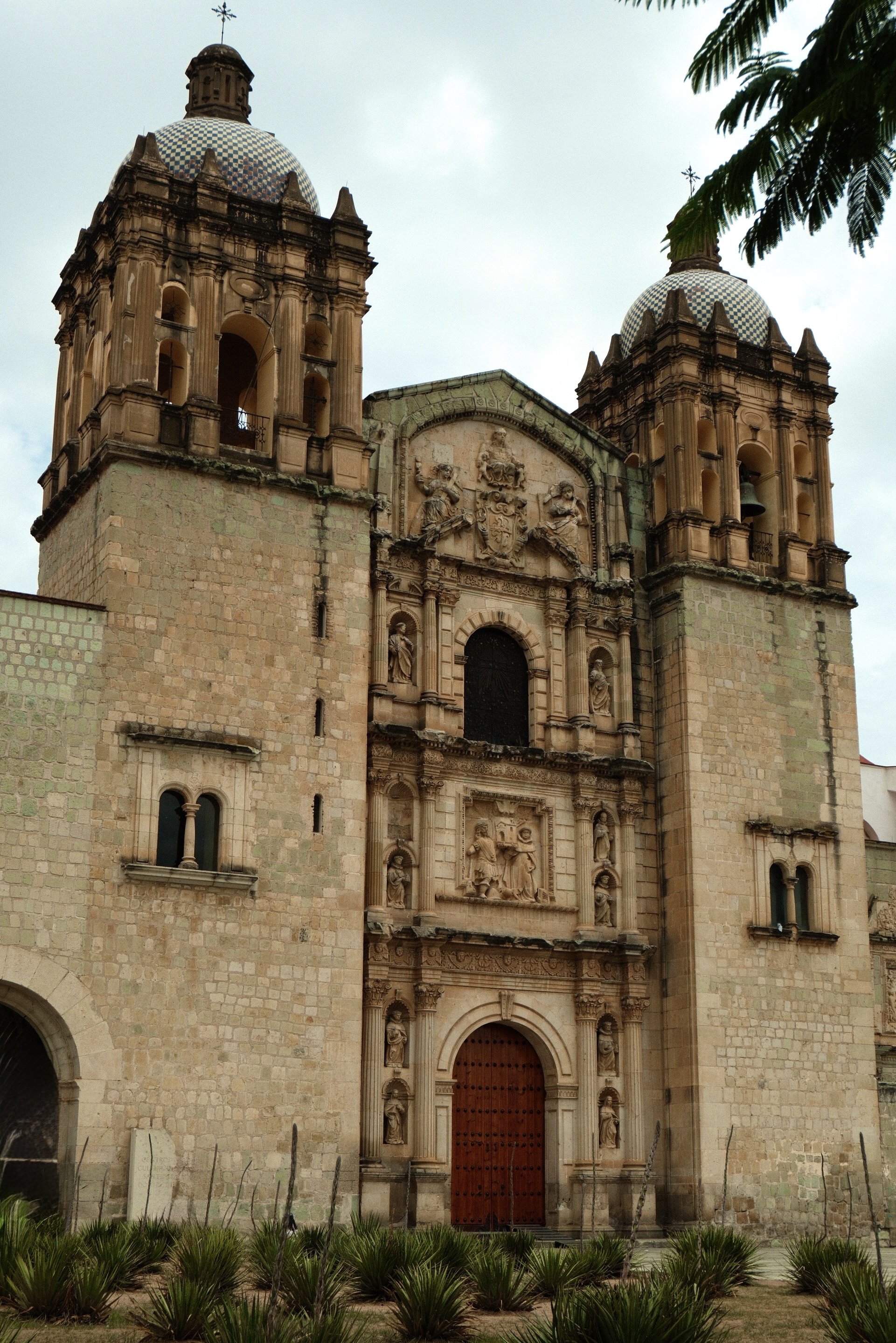
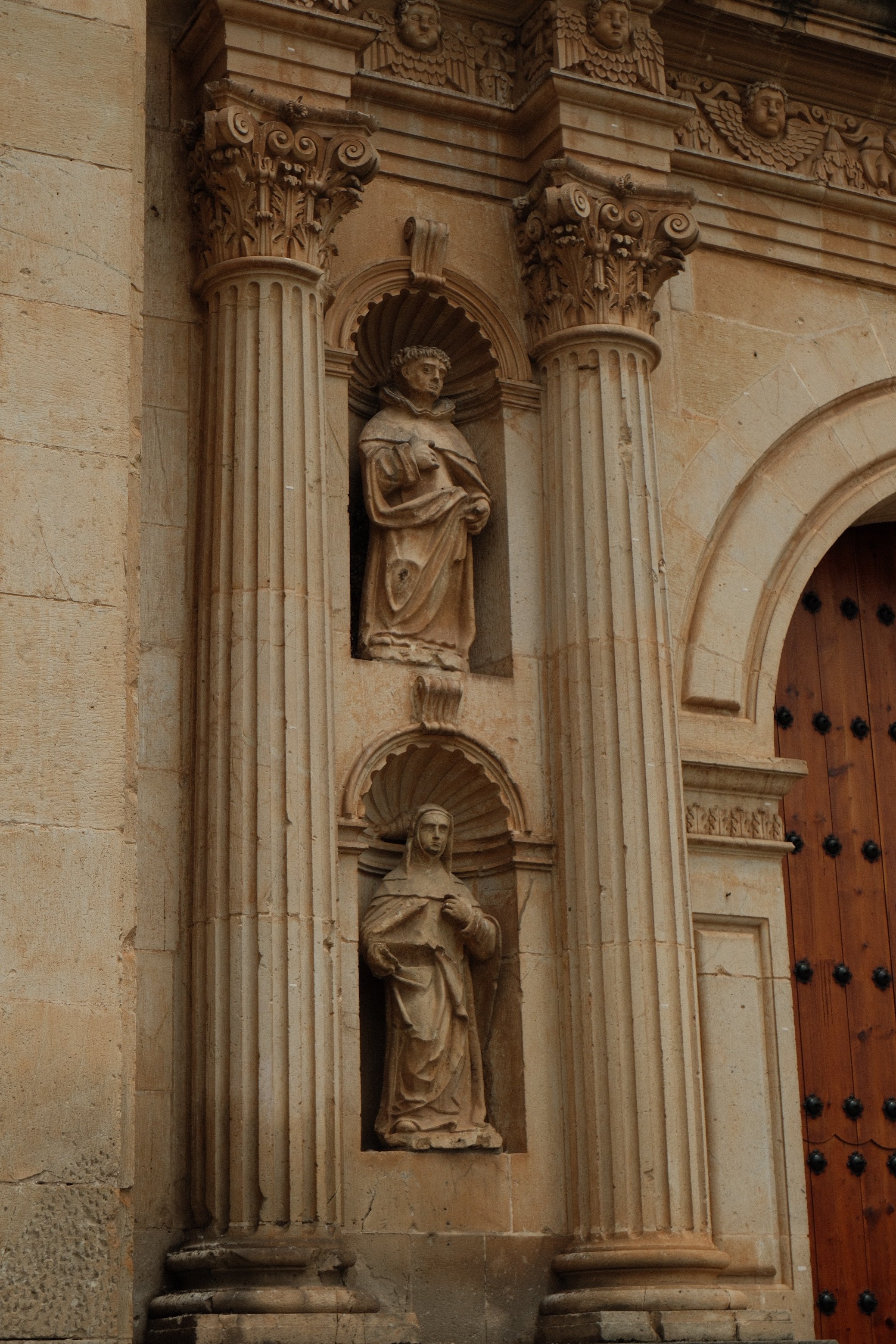
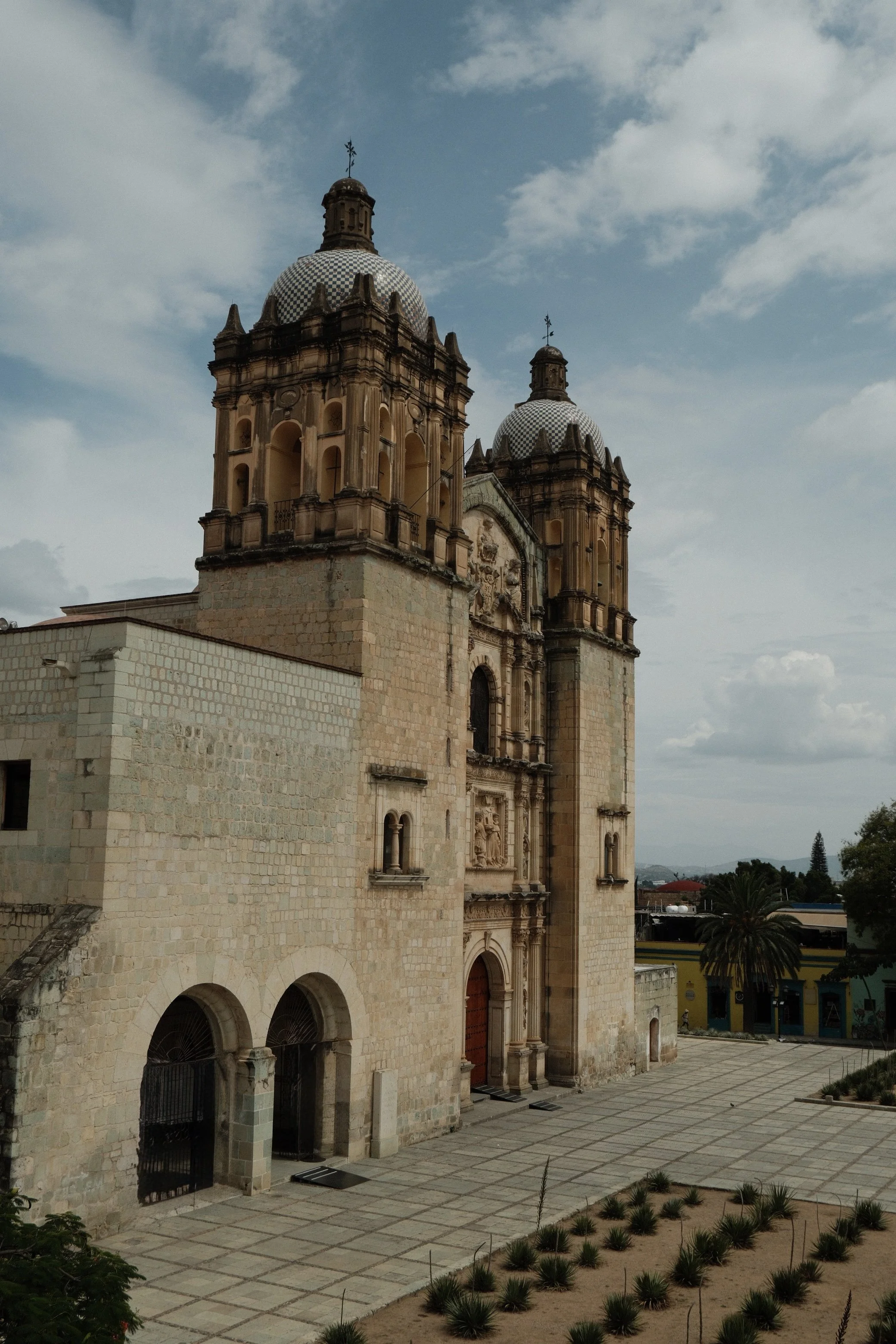
Templo de Santo Domingo de Guzmán - probably the most recognisable Oaxaca photo. It’s not exactly a subtle church. First time I saw it I was really taken aback. It is huge and beautiful, and just has the most intricate detail.
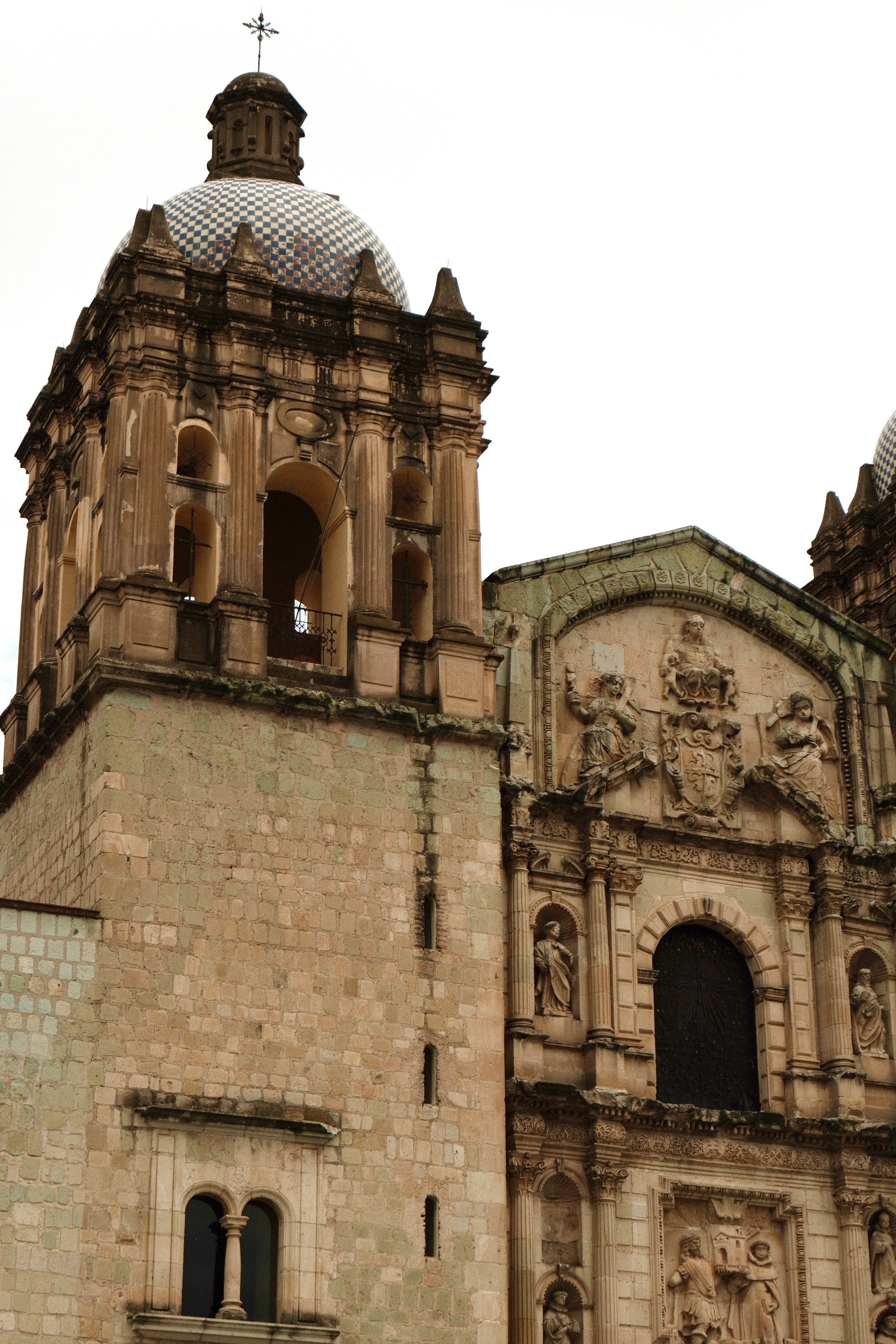
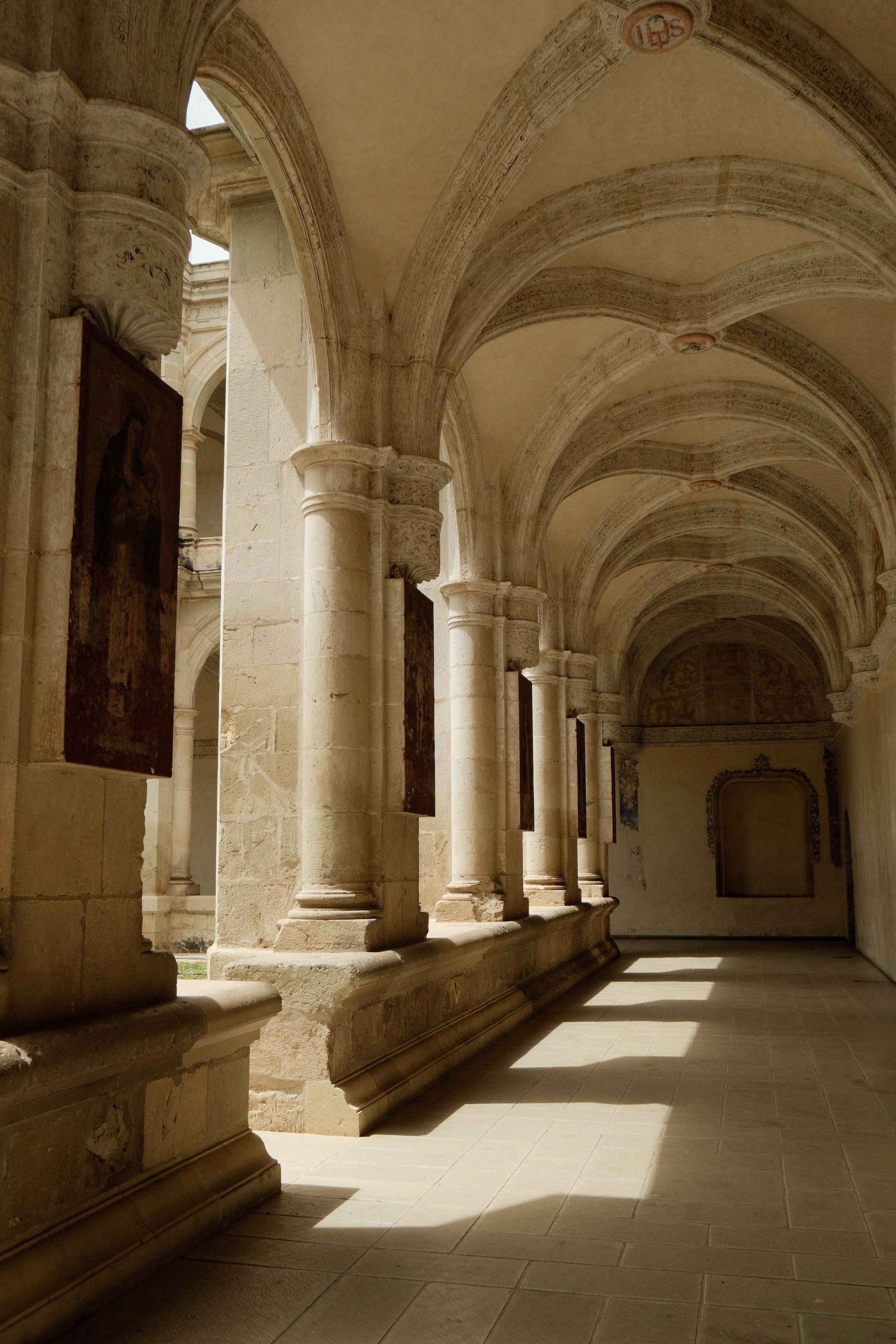
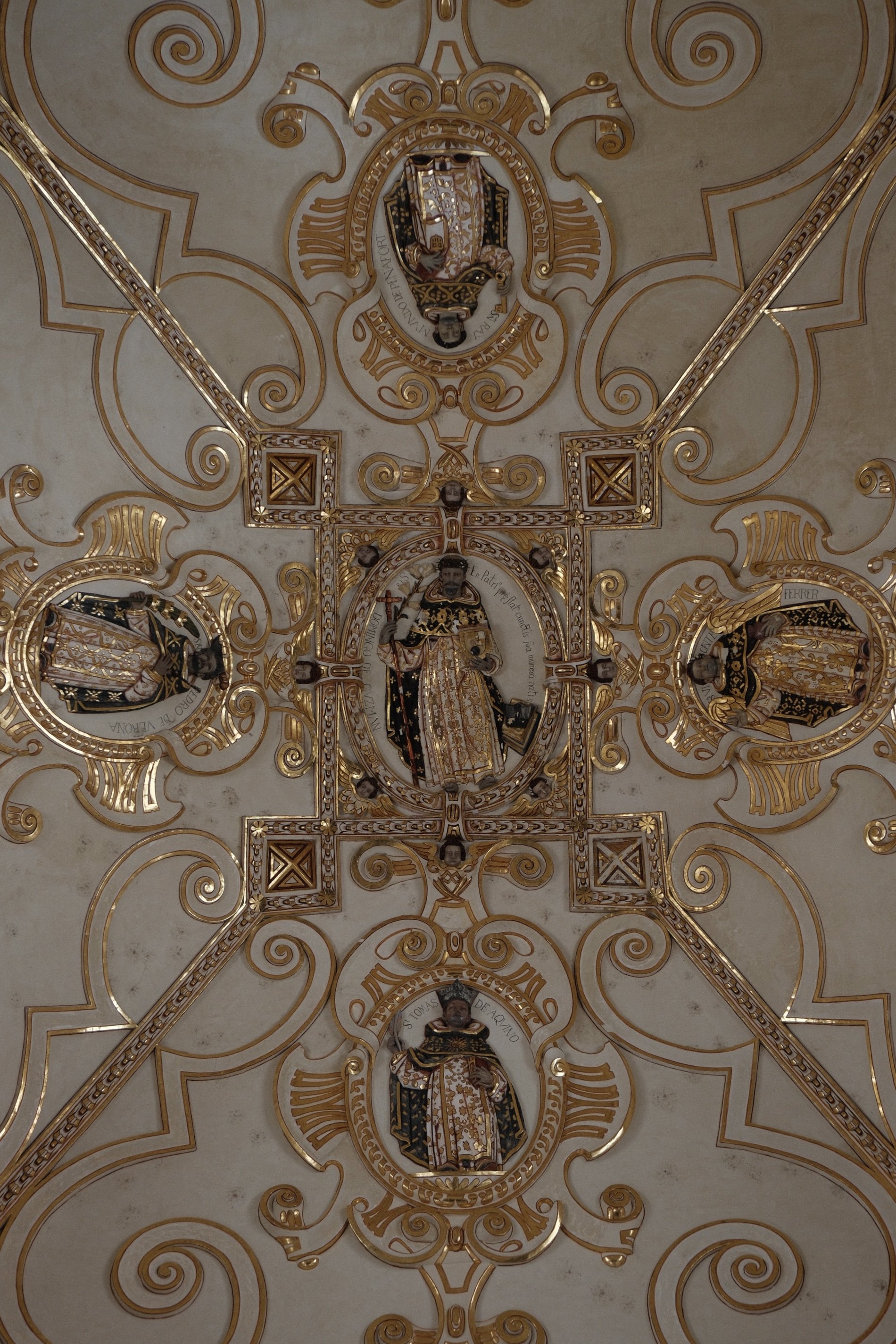
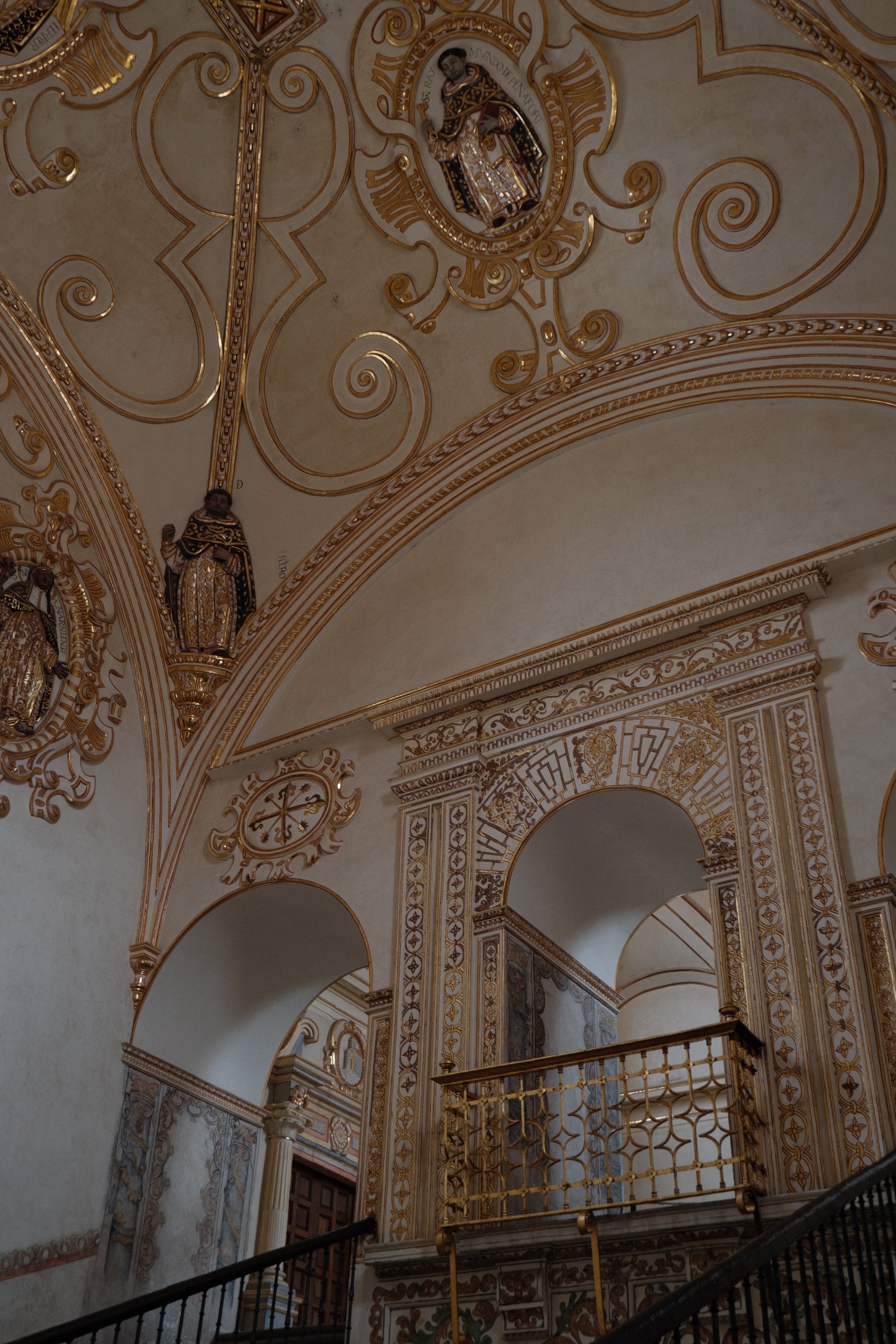
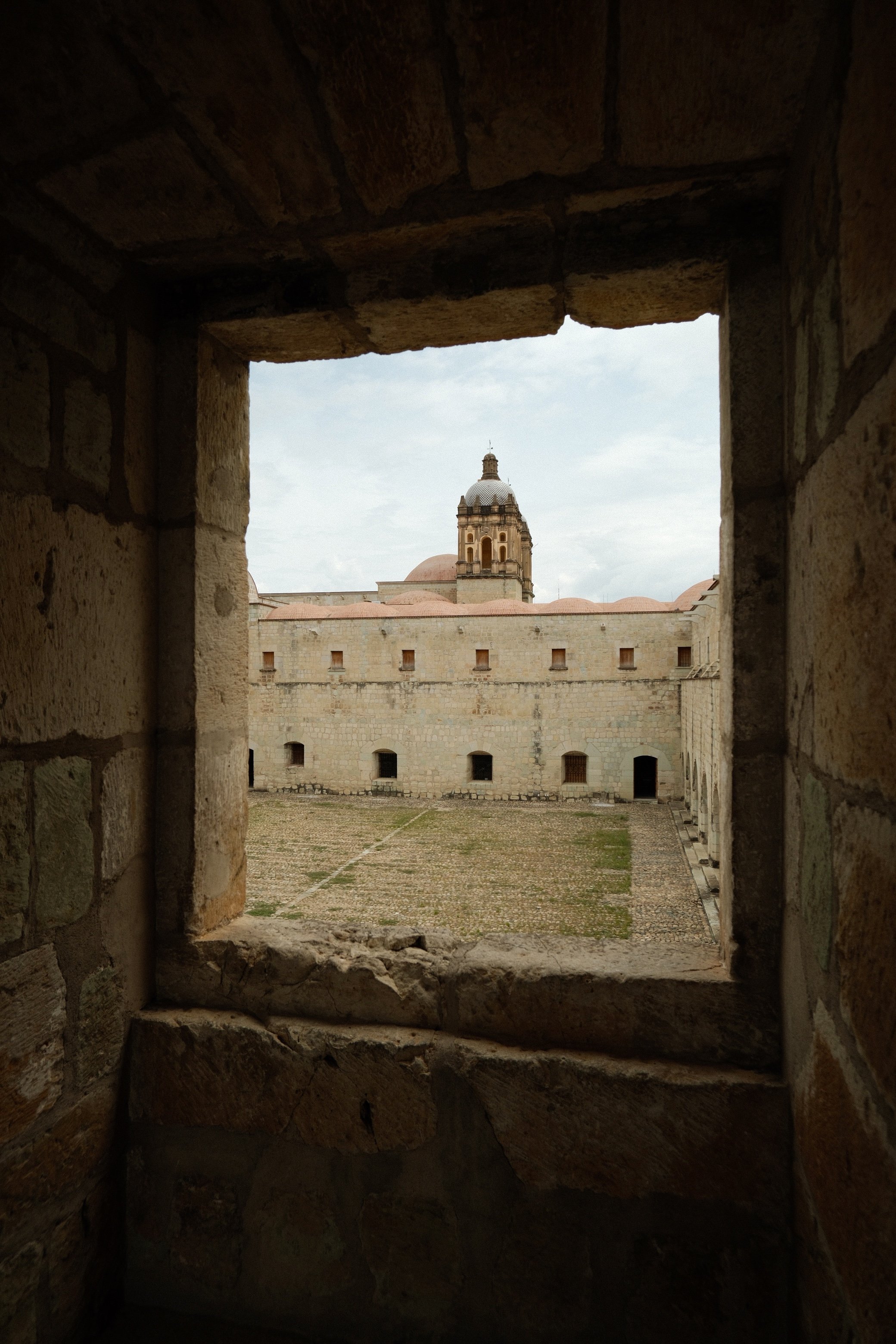
Next door to Santo Domingo Church is the Museo de las Culturas de Oaxaca, set inside the old Dominican convent. Construction began in the 1500s and the huge complex was home to the Dominican friars for centuries, before later being used as a military barracks.
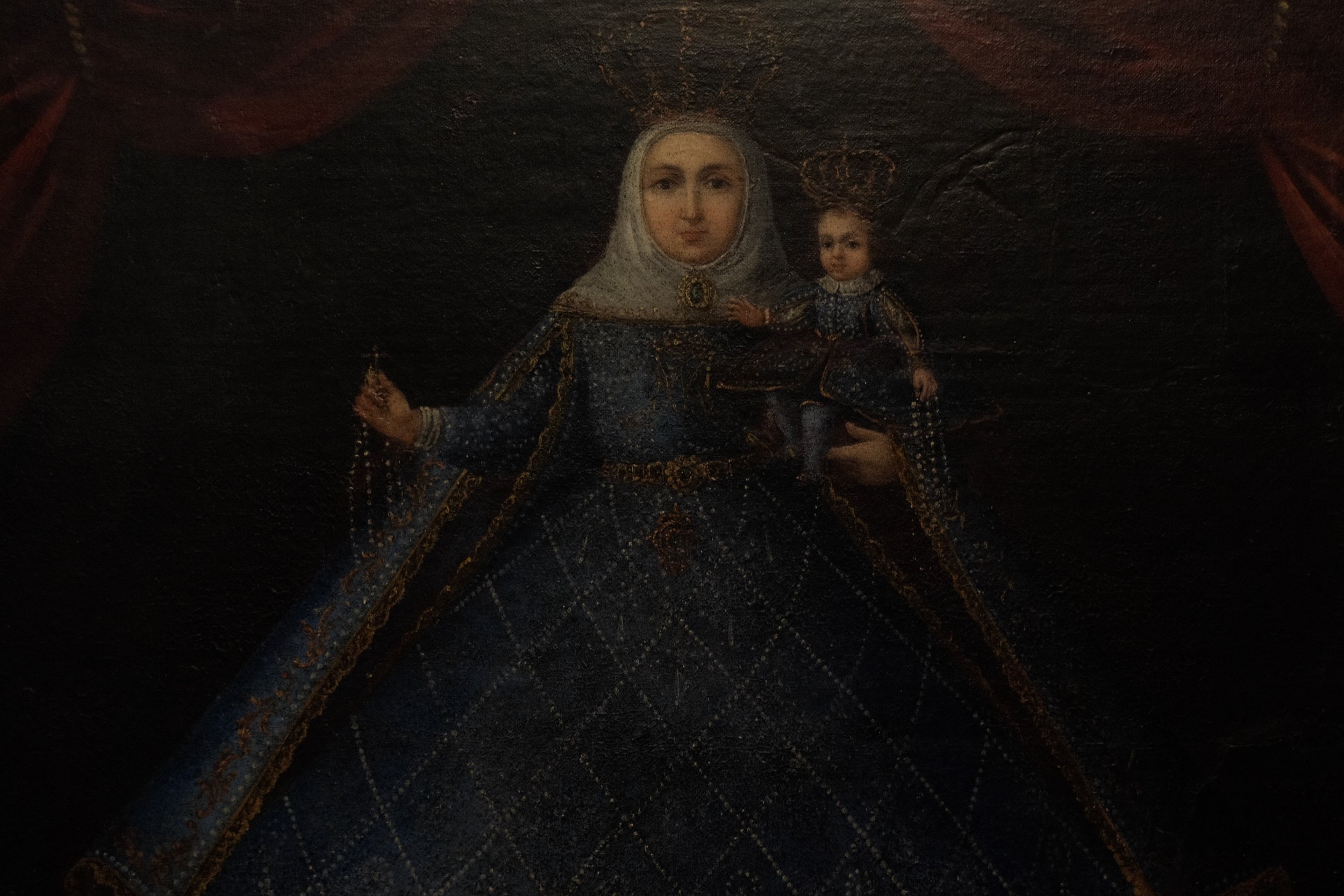
Today, the old courtyards, corridors and rooms have been restored and turned into the museum, so half the fun is just wandering around the building itself. The exhibitions take you through Oaxaca’s history, from pre-Hispanic artefacts through to the colonial period.
The Mixtec treasures were definitely the highlight for me, particularly the discoveries from Tomb 7 at Monte Albán.
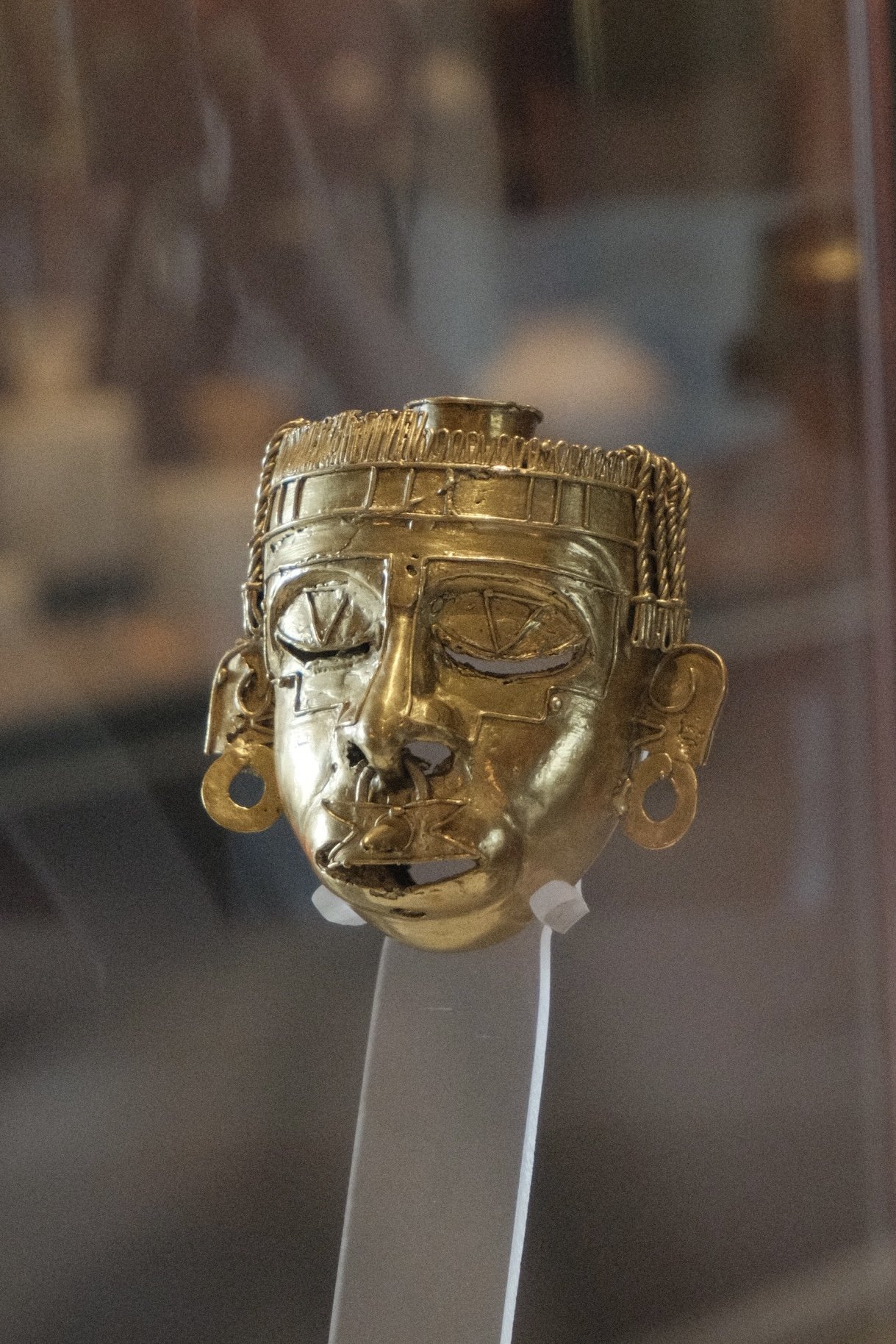
This little guy is the ‘Mascarilla de Xipe Tótec’ - one of the pieces that stood out to me the most. A gold mask representing Xipe Tótec - the Mexica god known as “Our Lord the Flayed One”. Archaeologist Alfonso Caso, who led the excavations at Monte Albán, described it as “perhaps the most beautiful piece in the tomb.”
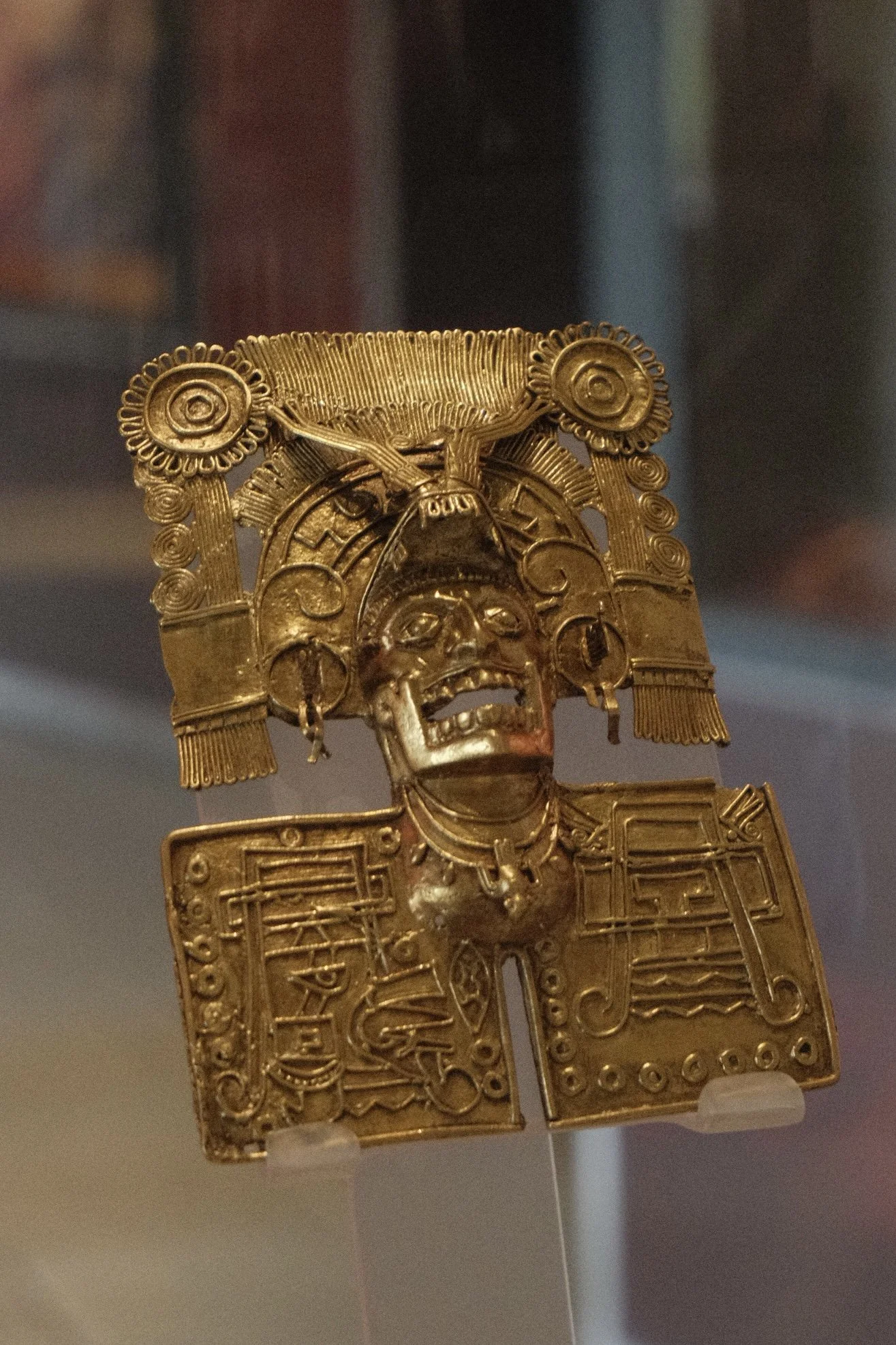
The intricate gold 'Pectoral con fechas' also remains one of the most iconic and enigmatic treasures ever unearthed at Monte Albán.
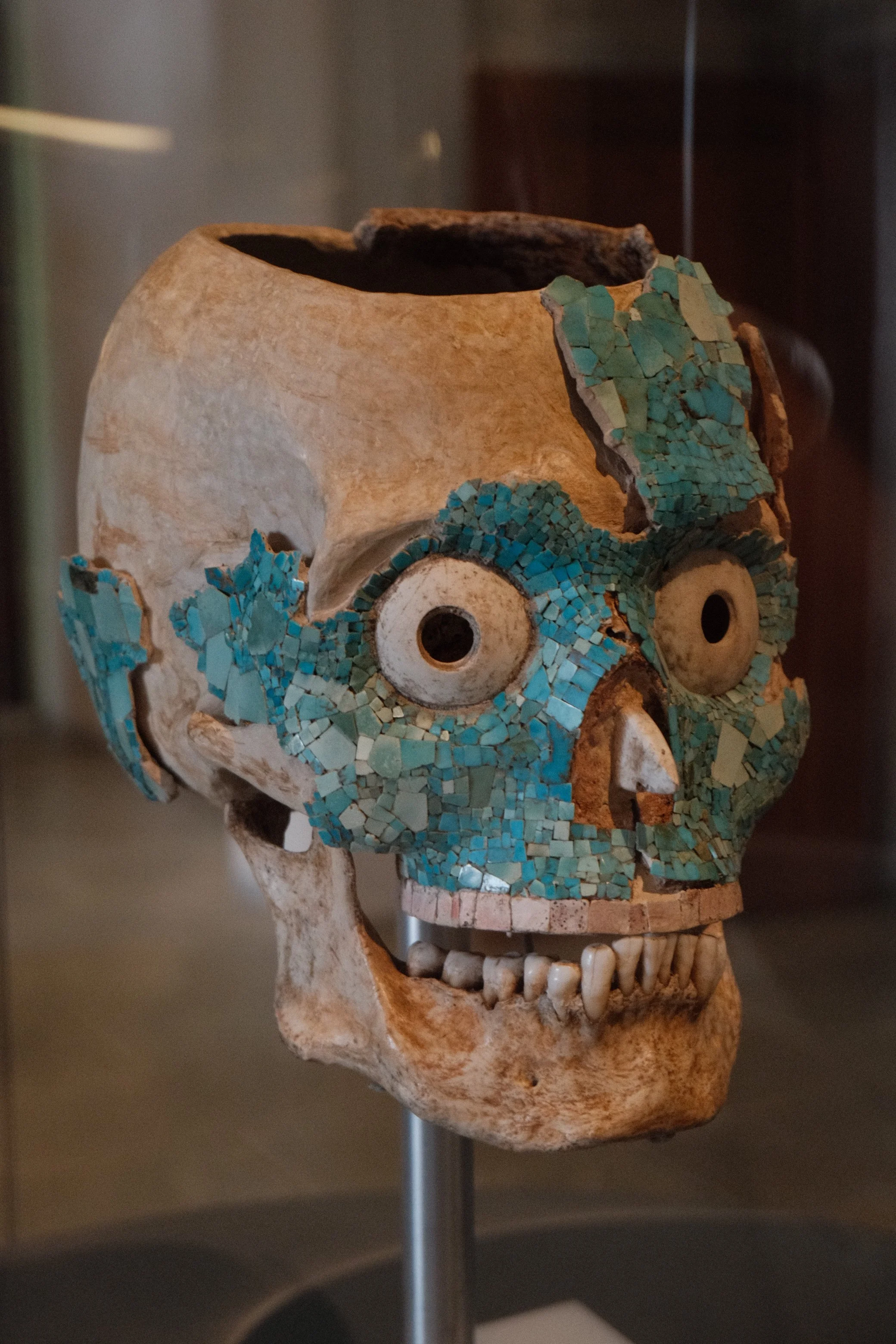
The “Cráneo con mosaico de turquesa” was also a beautiful piece. It is a real human skull completely covered in a mosaic pattern made of tiny, polished tiles of turquoise and white conch shell. Many archaeologists believe it was a sacred ceremonial object or a vessel meant to represent Mictlantecuhtli, the Mixtec/Zapotec god of the underworld and death.
I could go on and on because everything was super cool, but those were defo my top 3!
Some more shots of the grounds… The views outside were stunning.
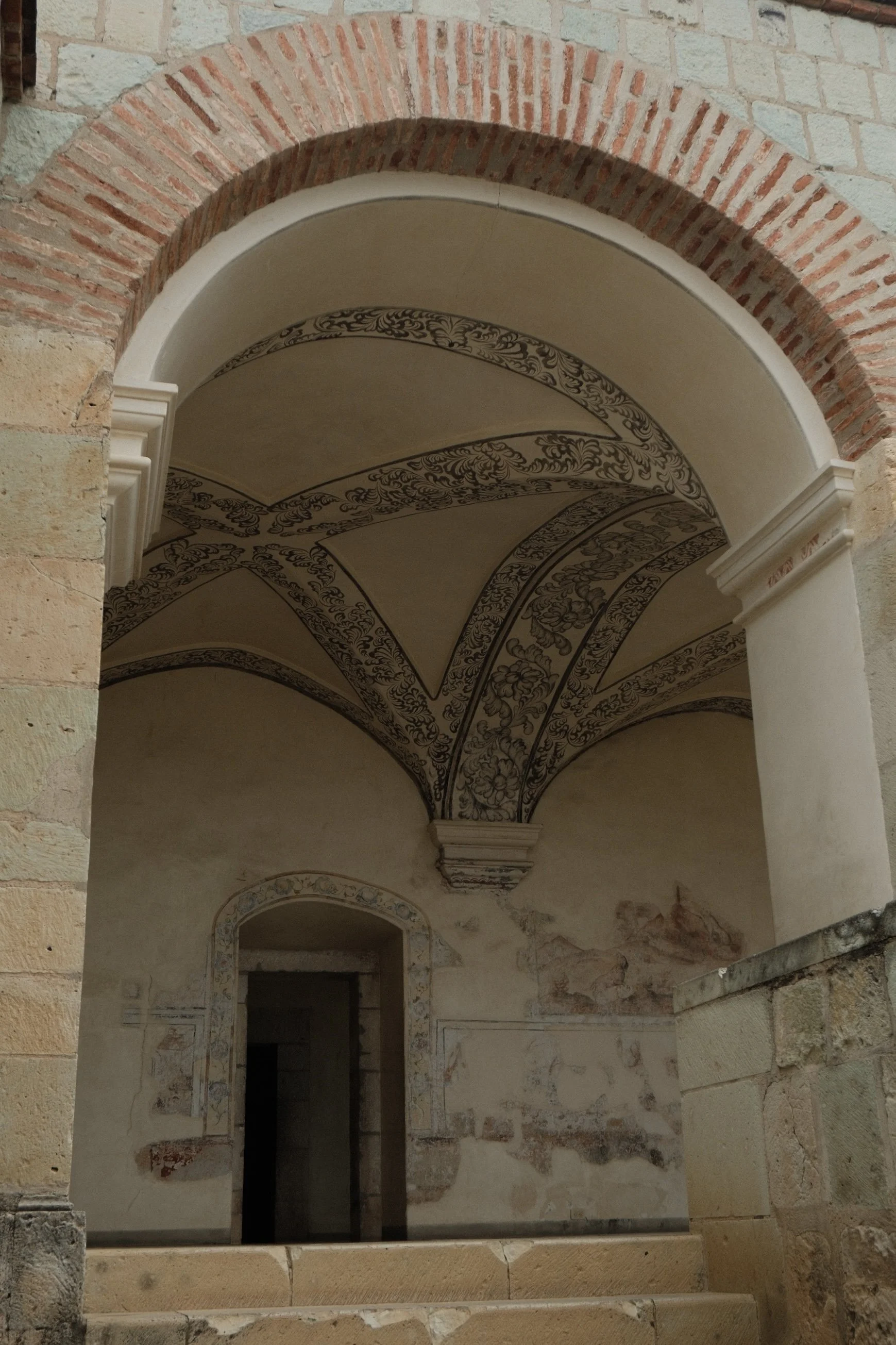
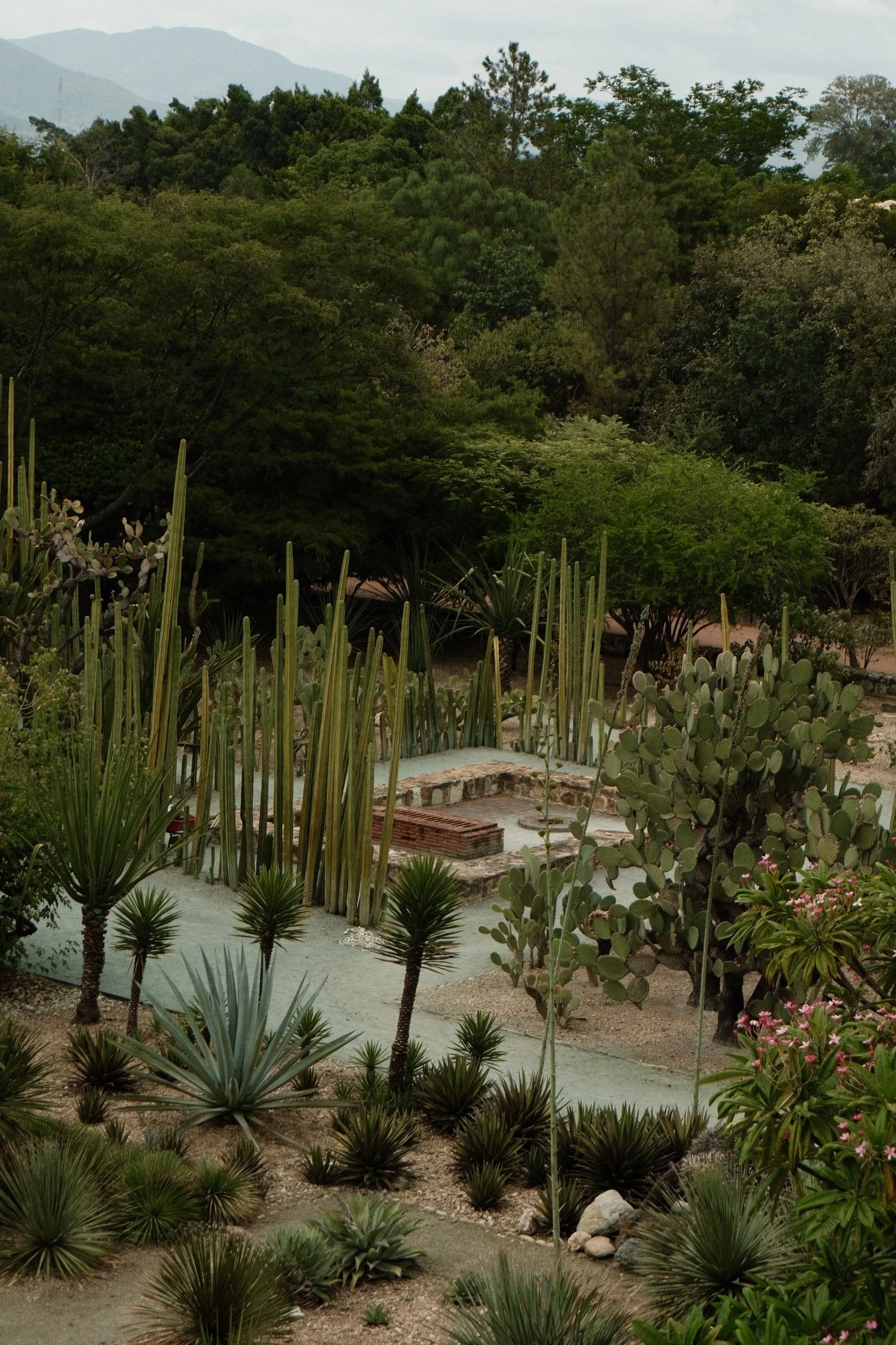
I really wanted to go into the Ethnobotanical Garden. They were shut unfortunately, but I did get to have a peek through the arches. The garden was filled with plants native to Oaxaca - especially an impressive amount of agave and cactus.
I did two day trips during my time in Oaxaca City, one of those being an adventure to Hierve de Agua.
Getting there was definitely part of the experience.
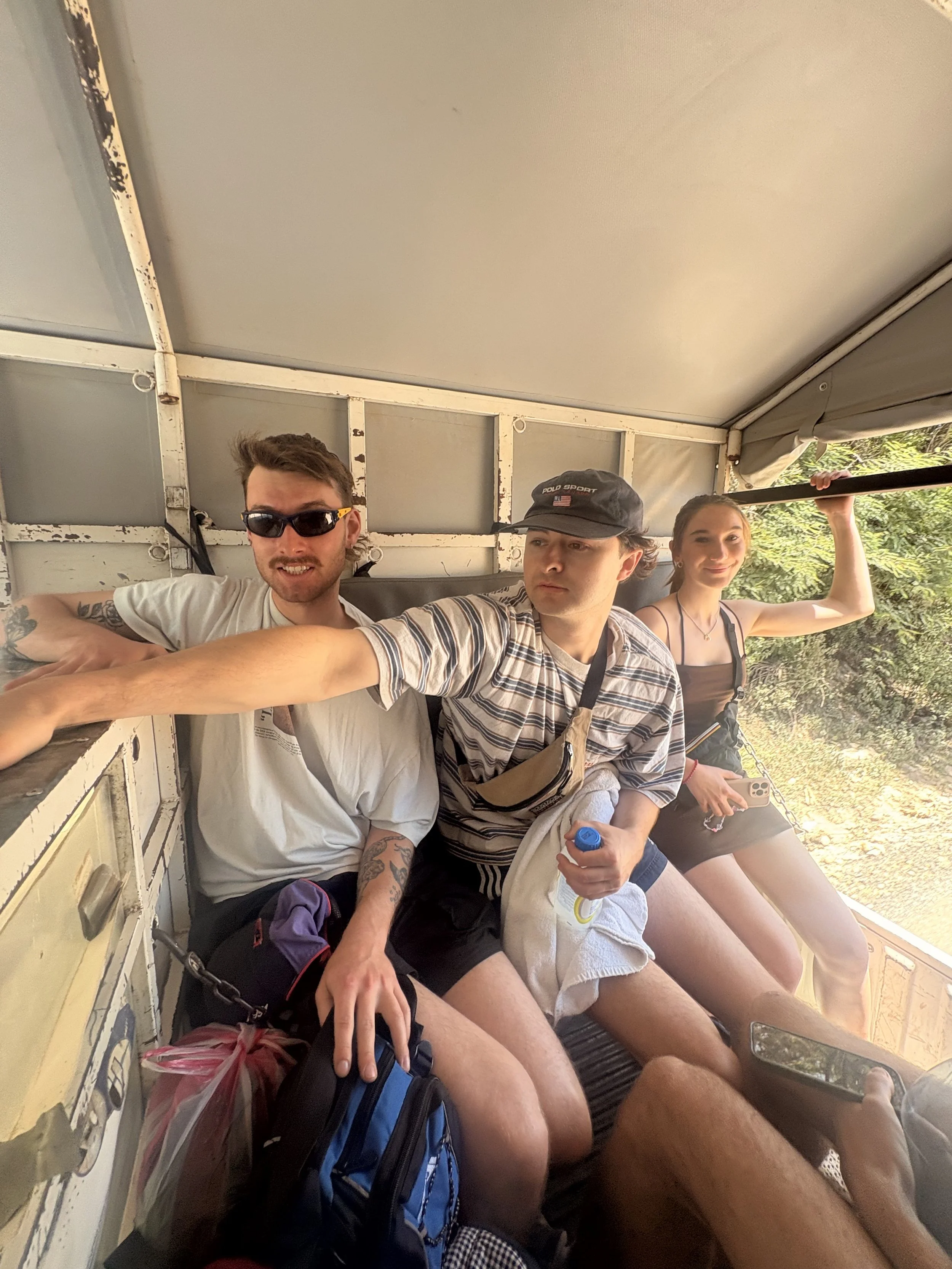
We decided to take the local route, which involved a very bumpy, windy bus journey up into the mountains, hanging out of the back of an open vehicle. It was VERY fun!
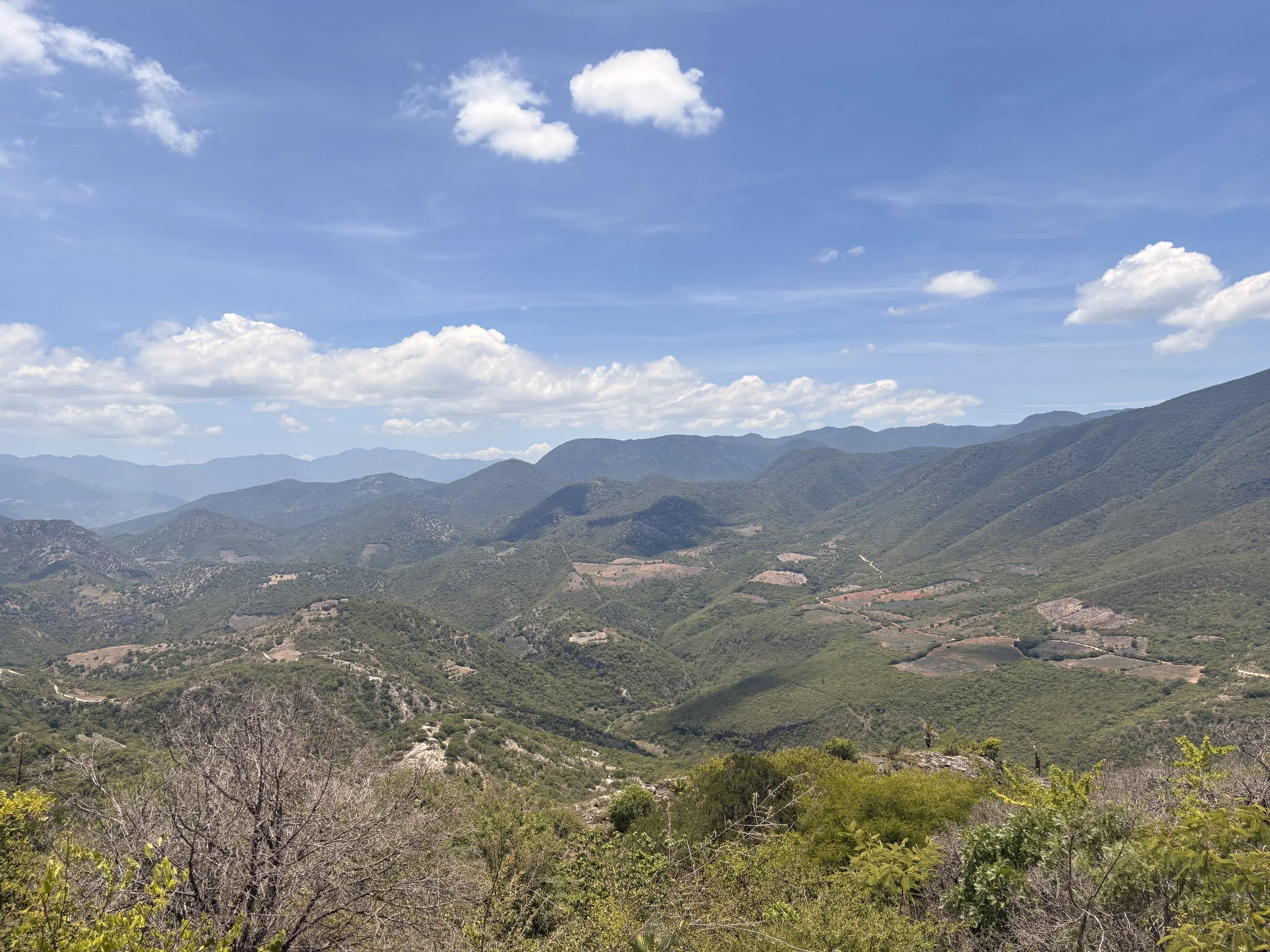
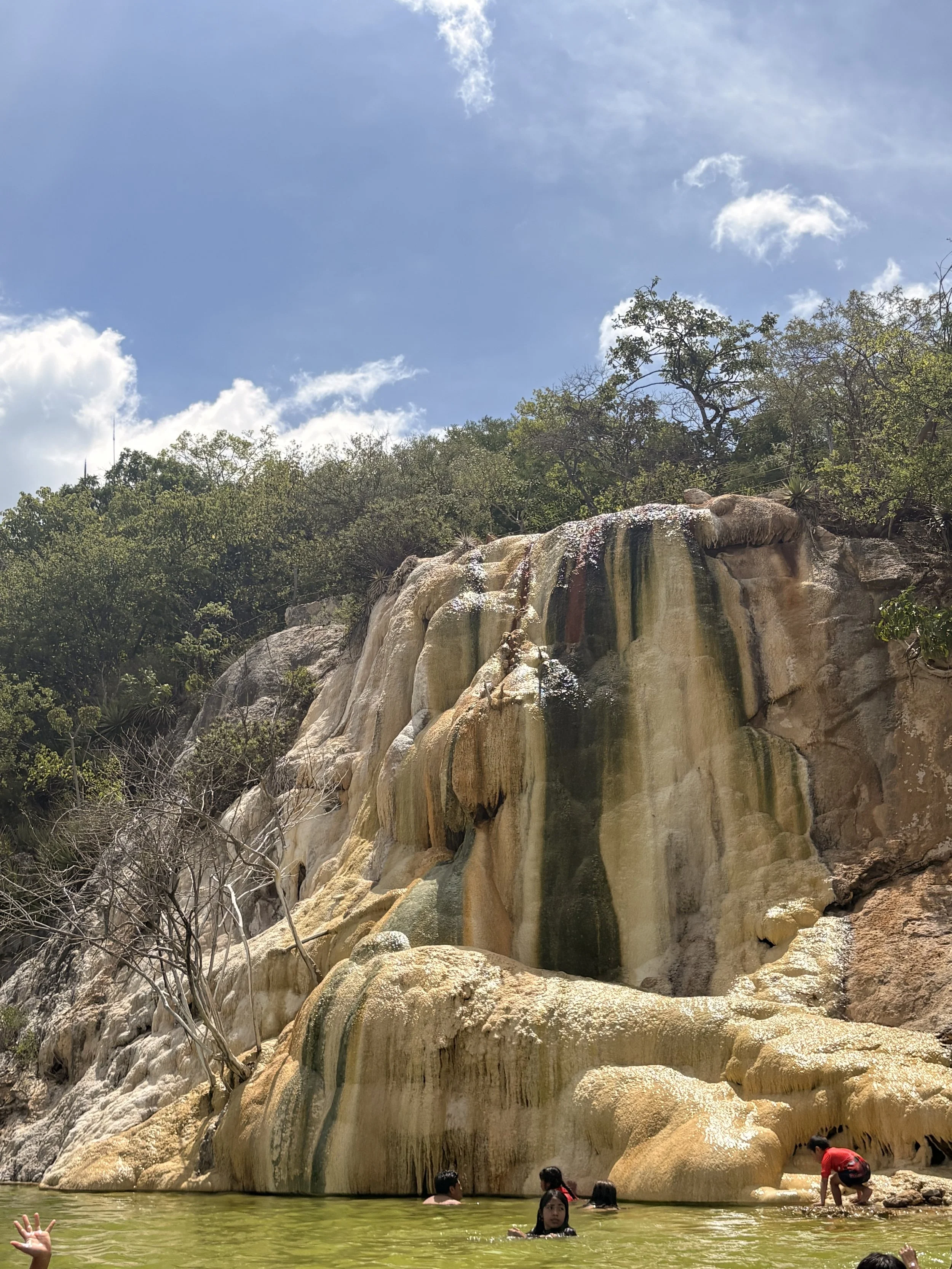
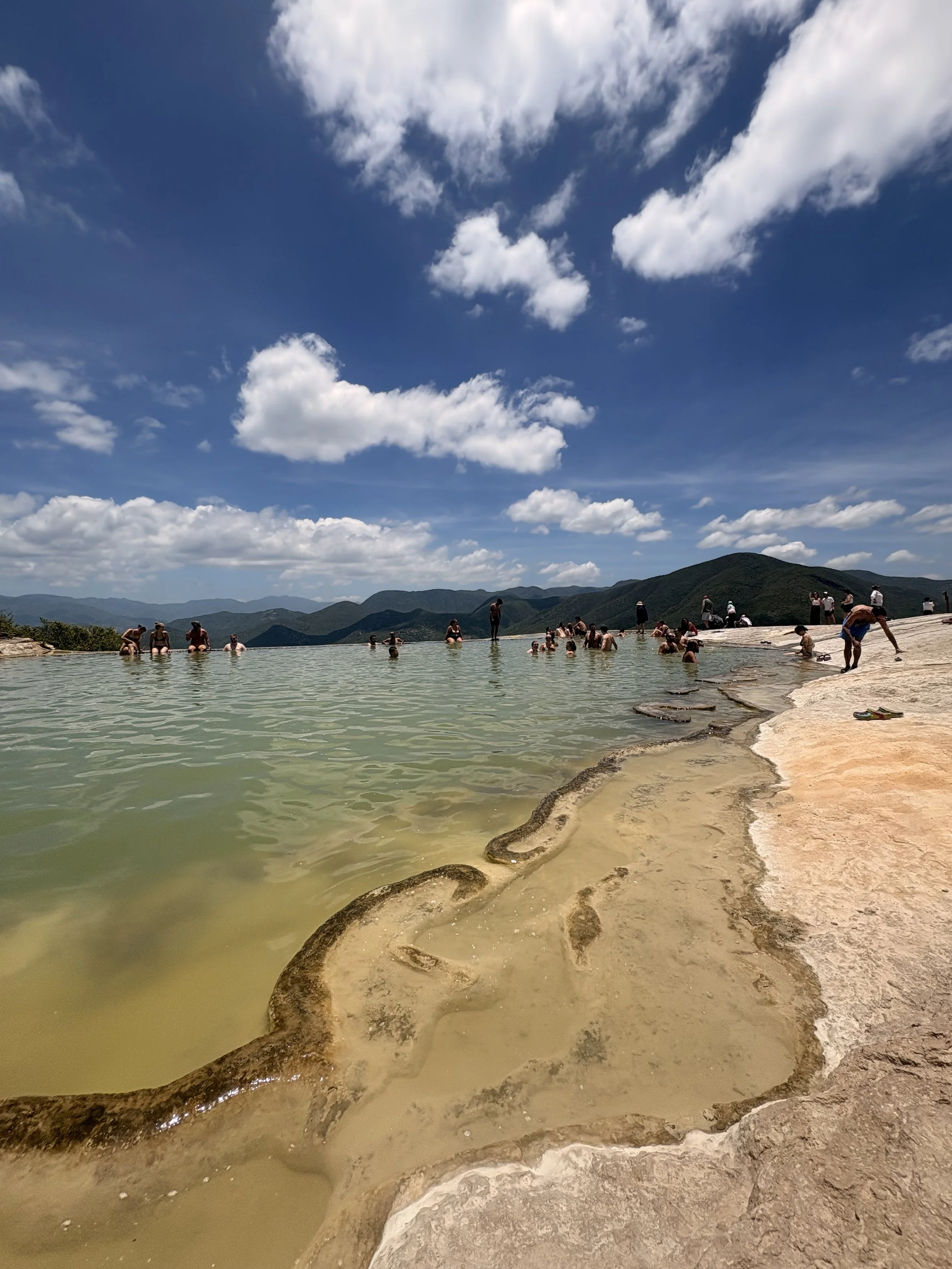
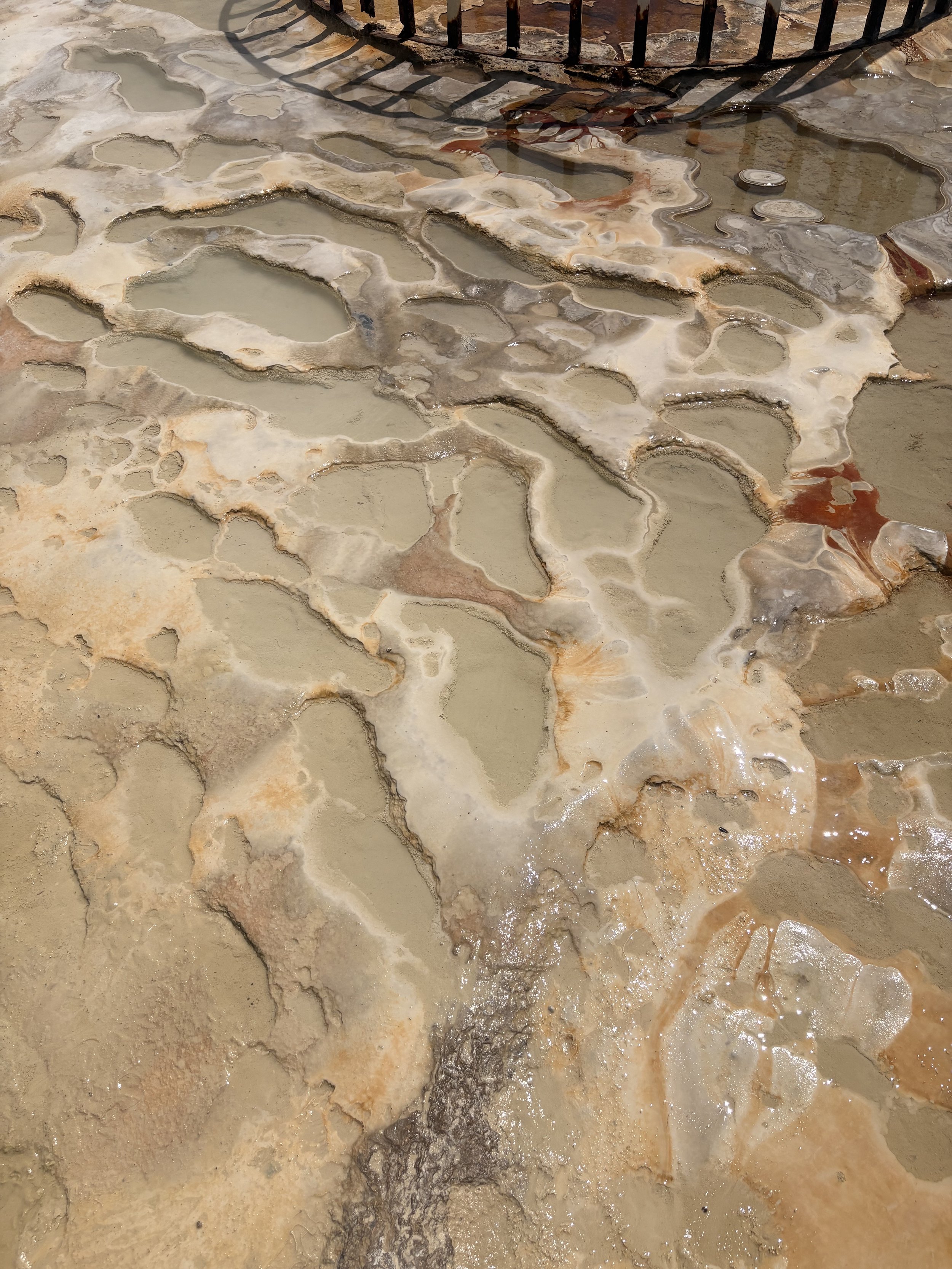
Hierve el Agua means “the water boils”, named after the bubbling appearance of the natural springs. The water isn’t actually that hot - it just felt a little warm to be honest.
The strange white formations are the result of mineral-rich water flowing over the cliffside for thousands of years, gradually depositing calcium carbonate and creating what look like enormous waterfalls frozen in place.
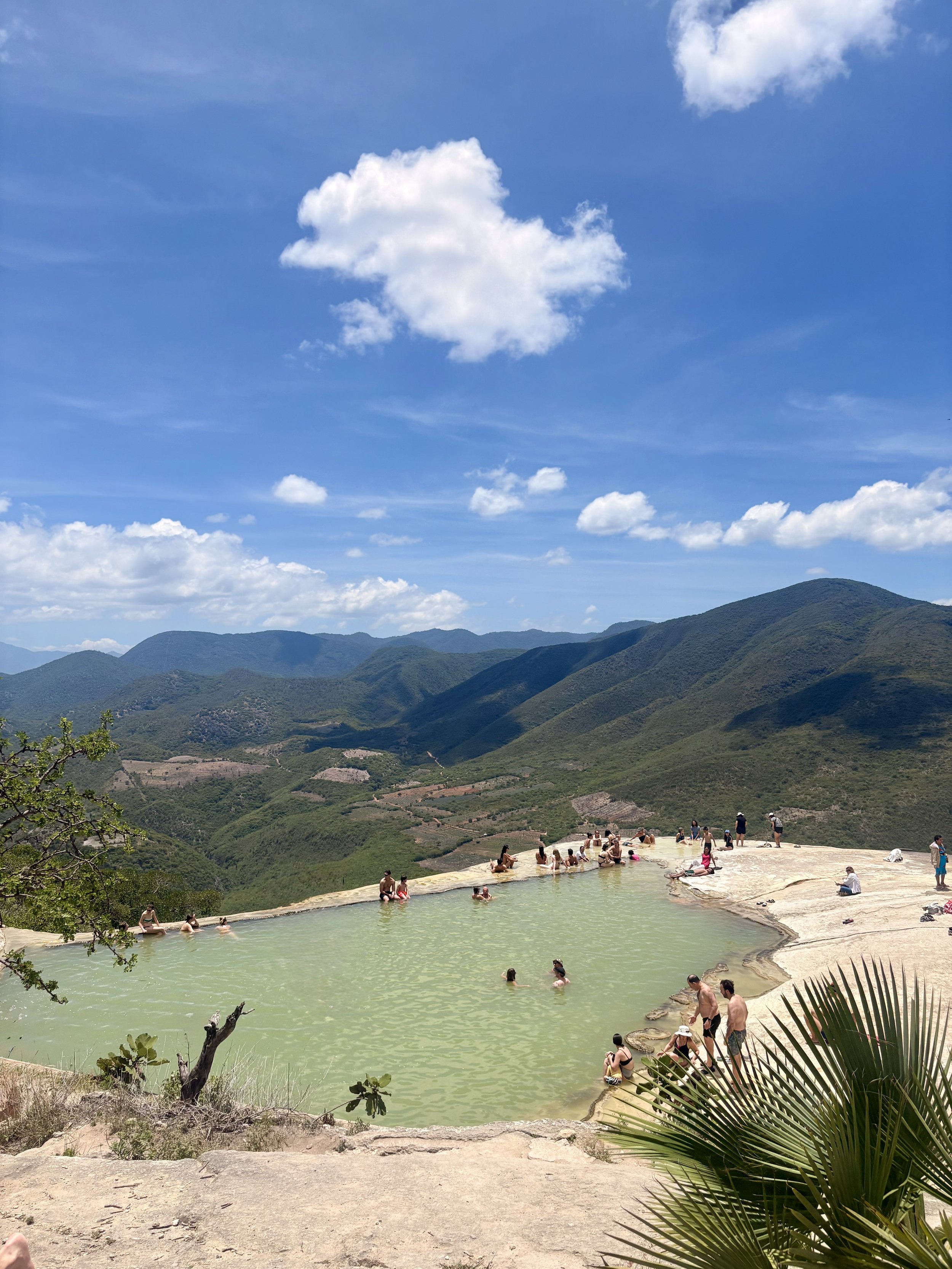
And then there are the pools sitting right on the edge of the mountains, overlooking the valley. Stunning scenes.
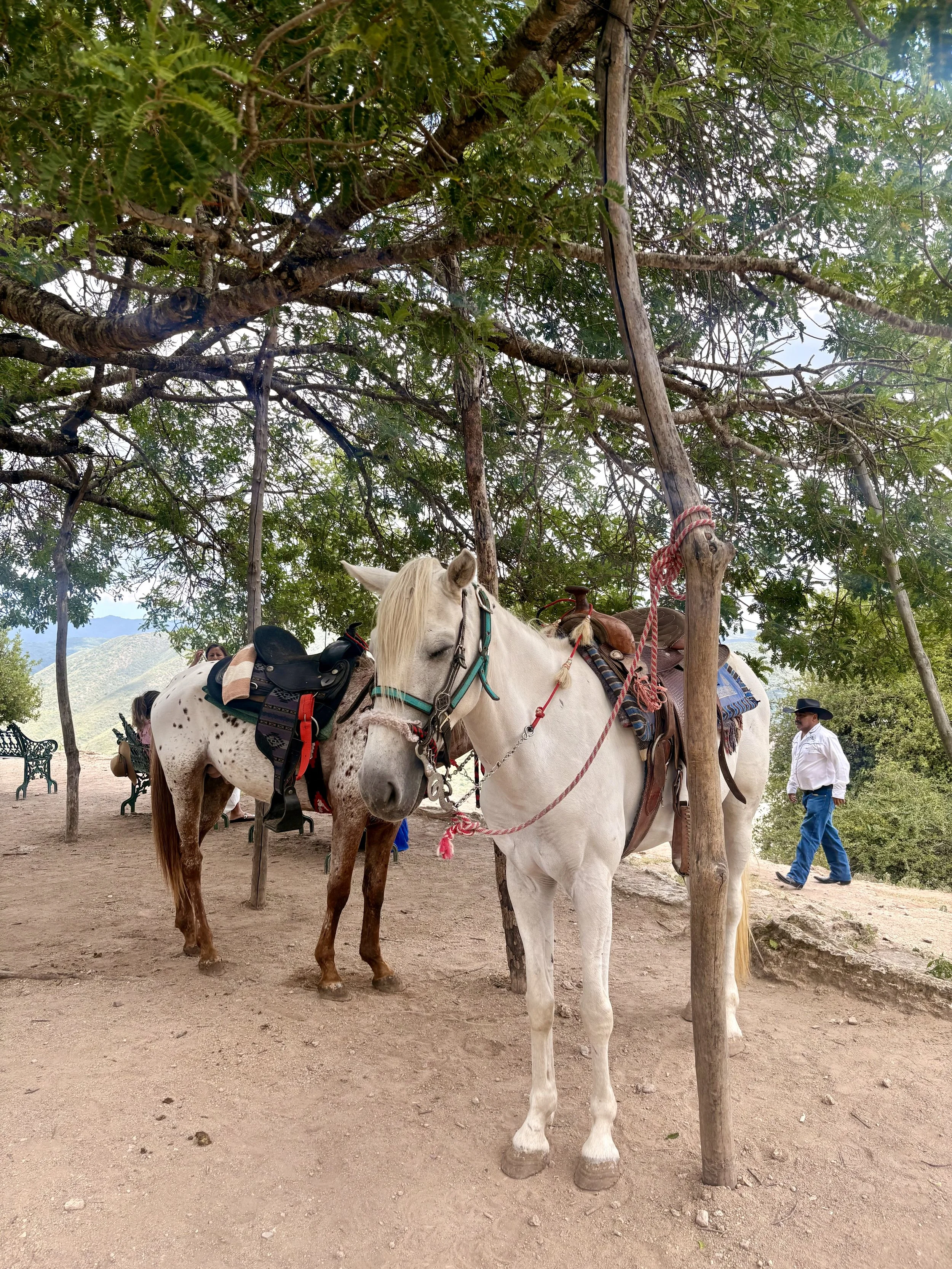
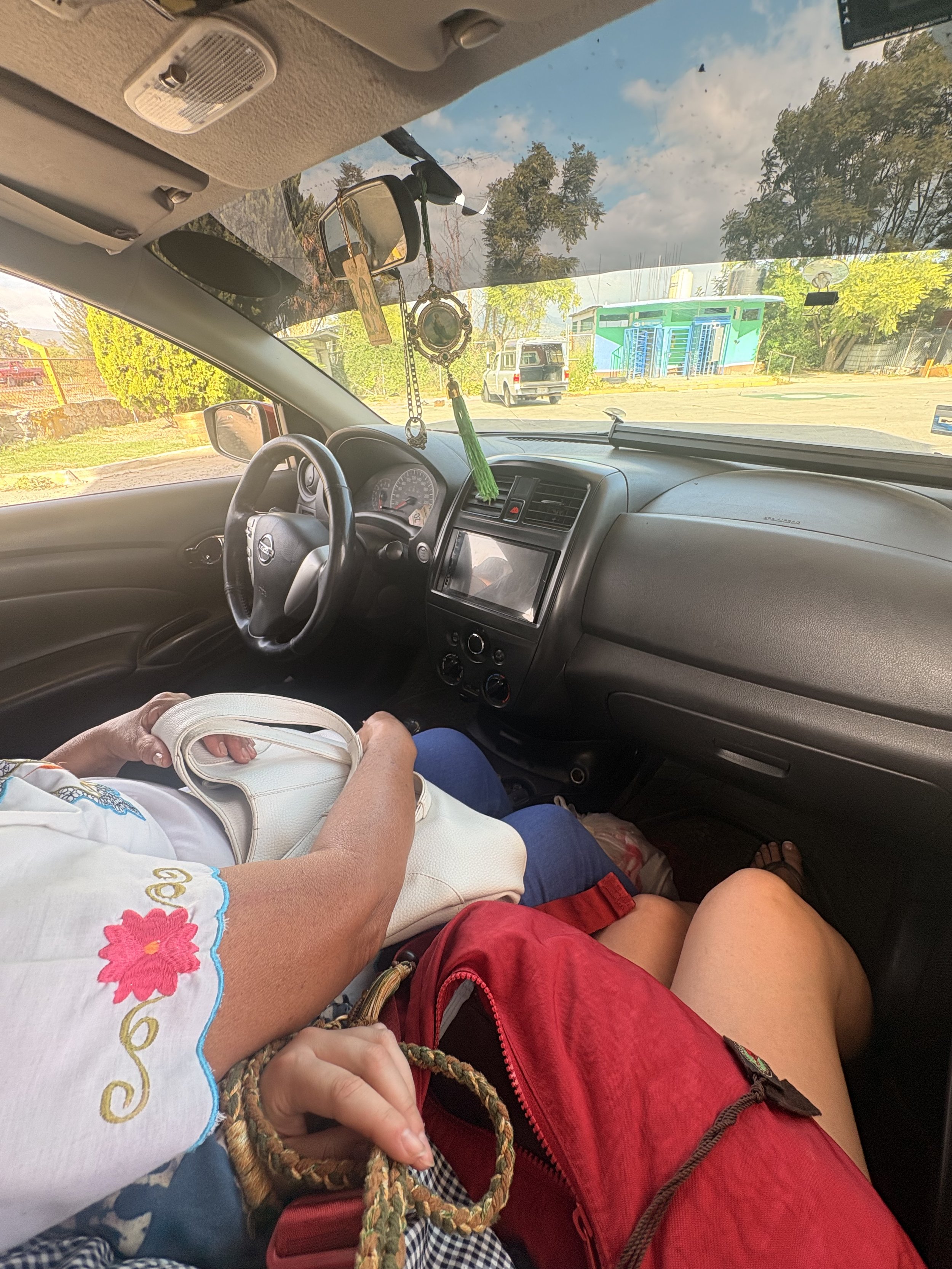
Shared the front seat of the taxi with a lovely Abuelita on the way home, bit of a squeeze though…
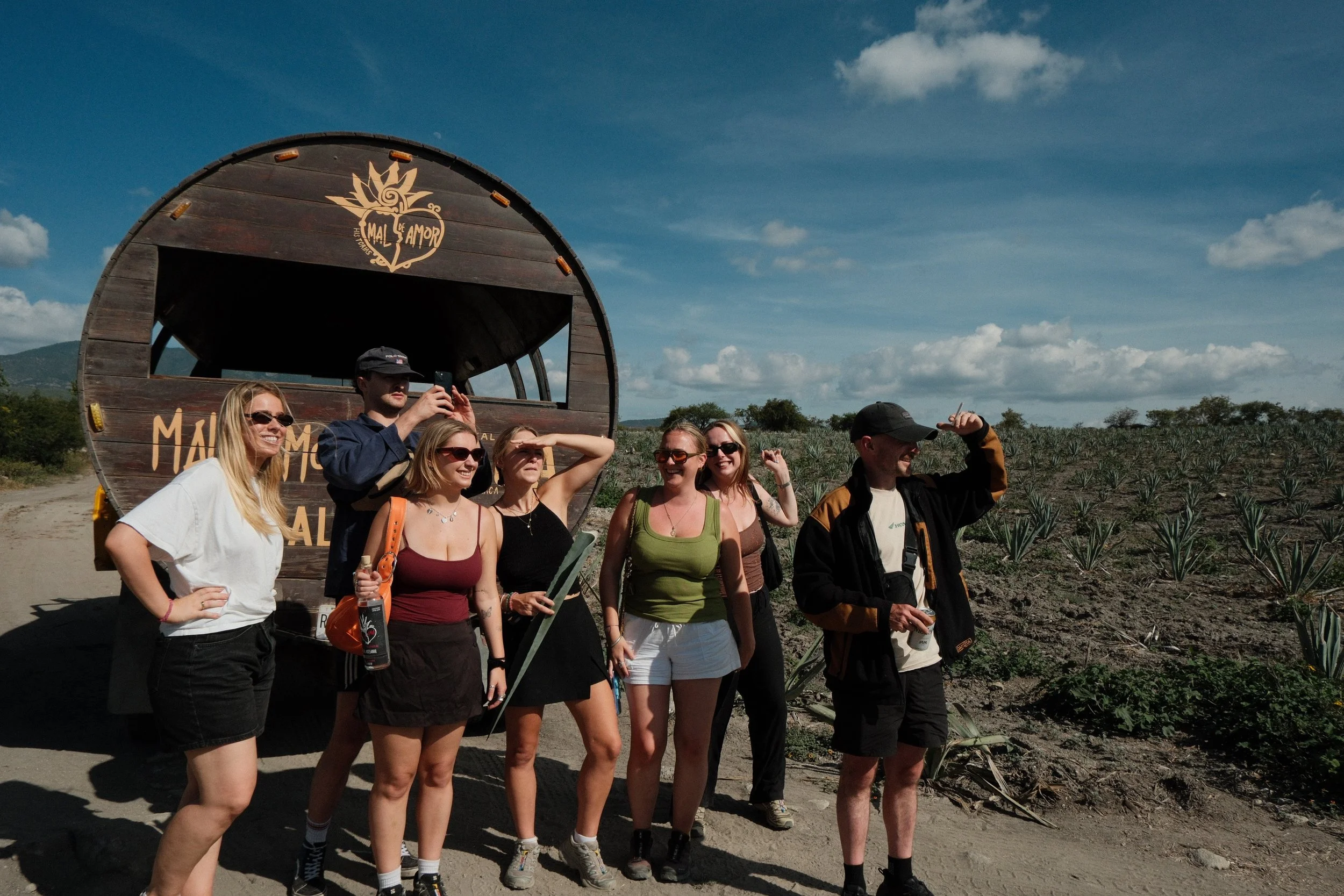
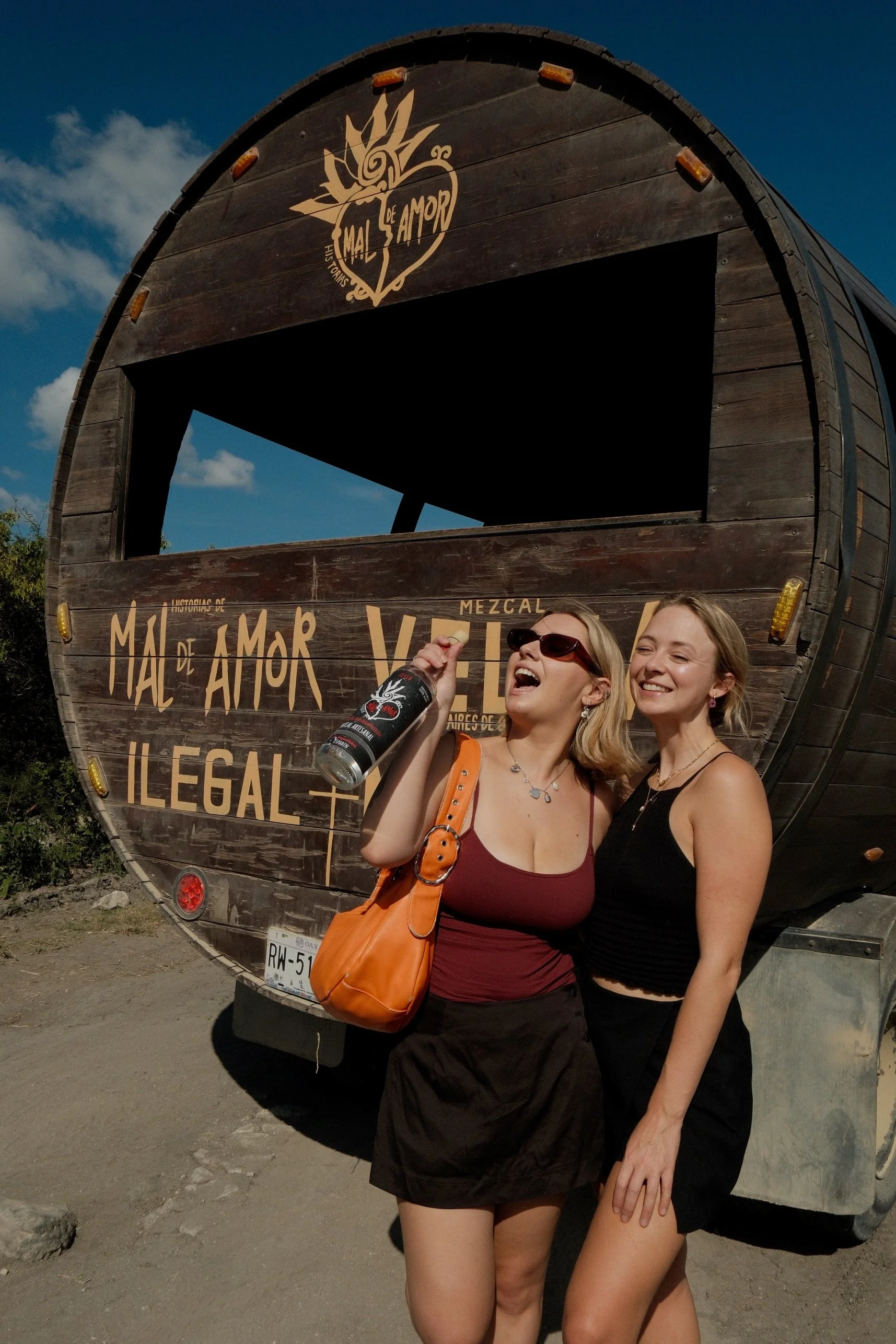
The second day trip we did was a visit to Palenque Mal de Amor in Santiago Matatlán, known as the “World Capital of Mezcal”.
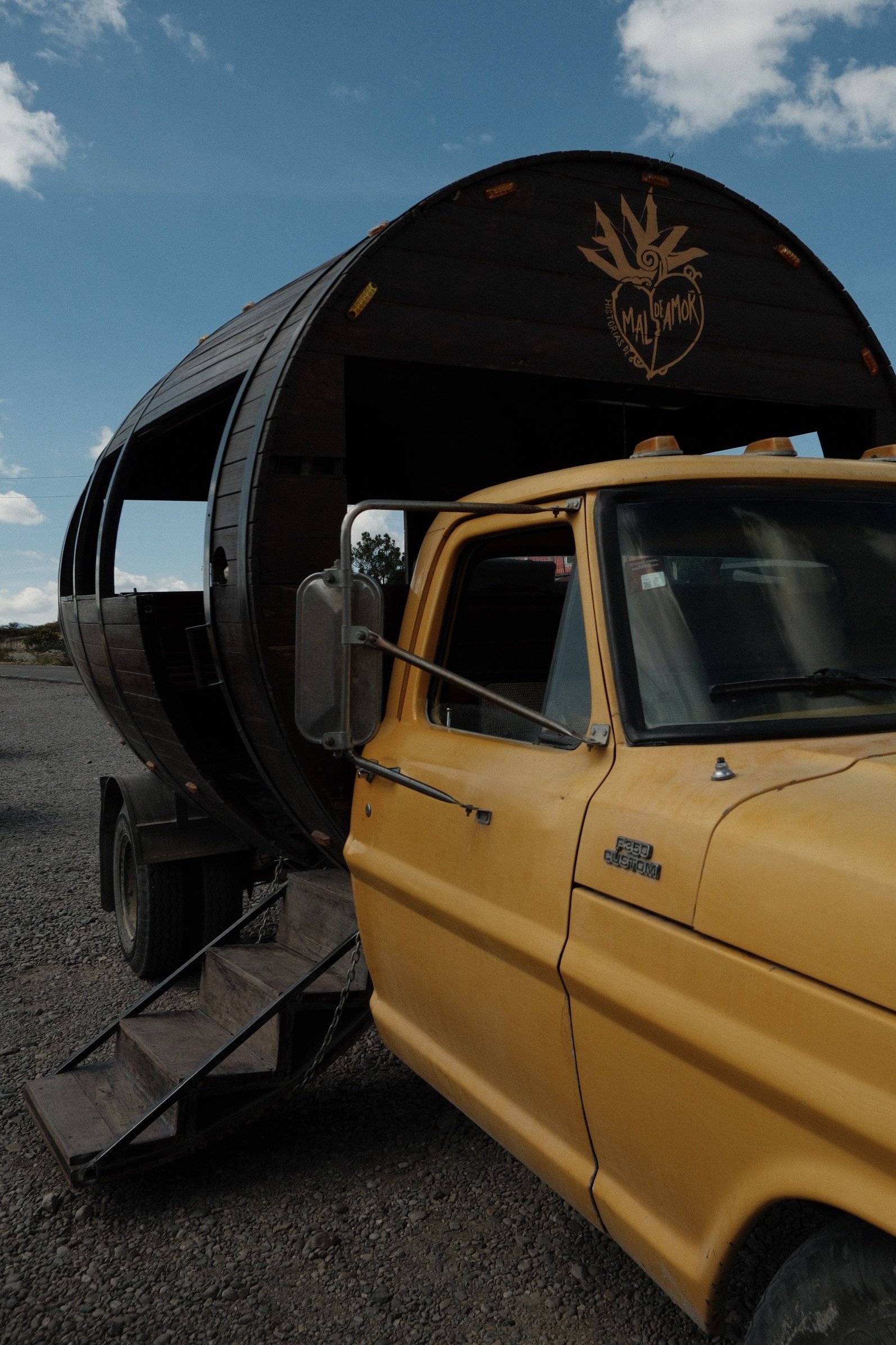
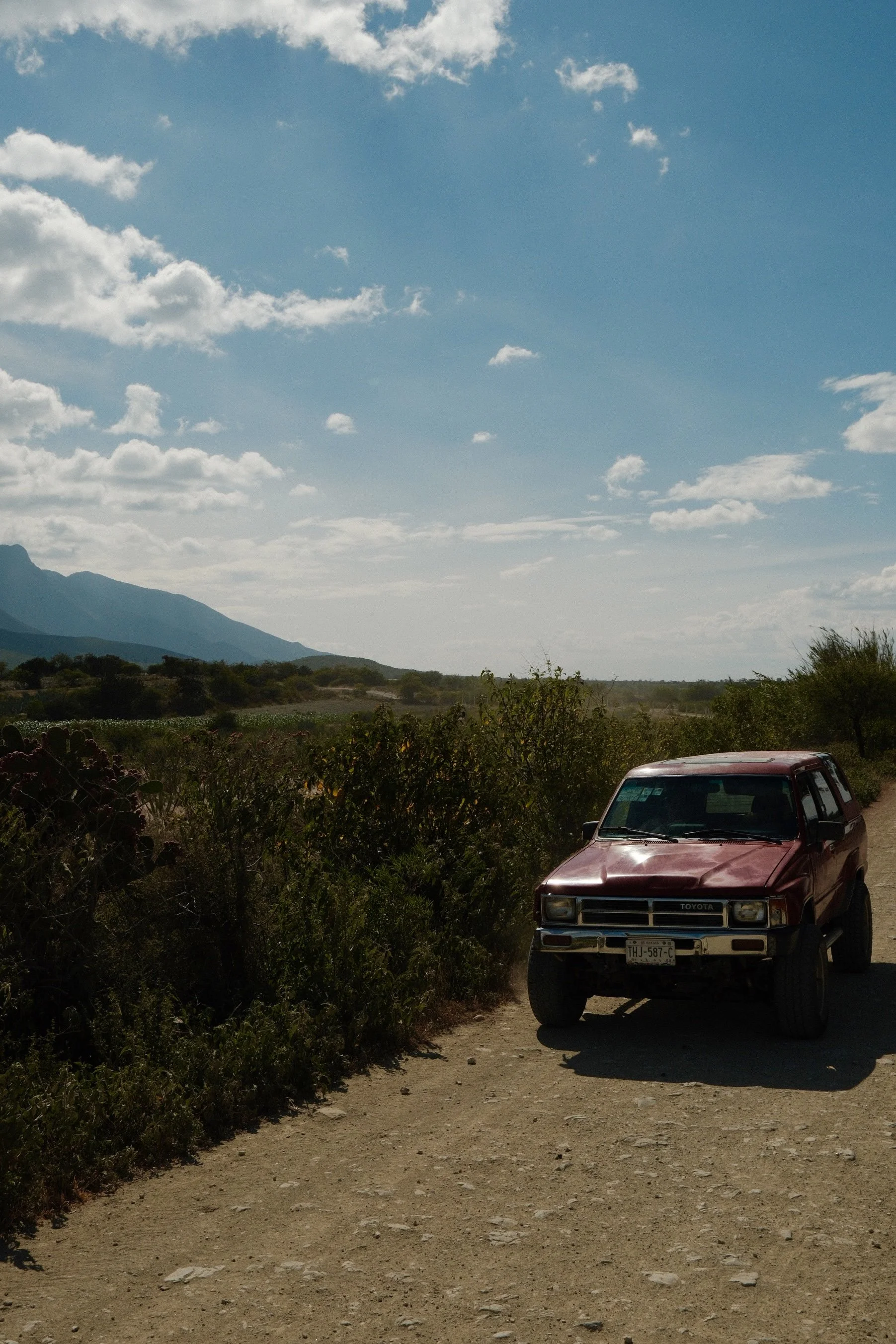
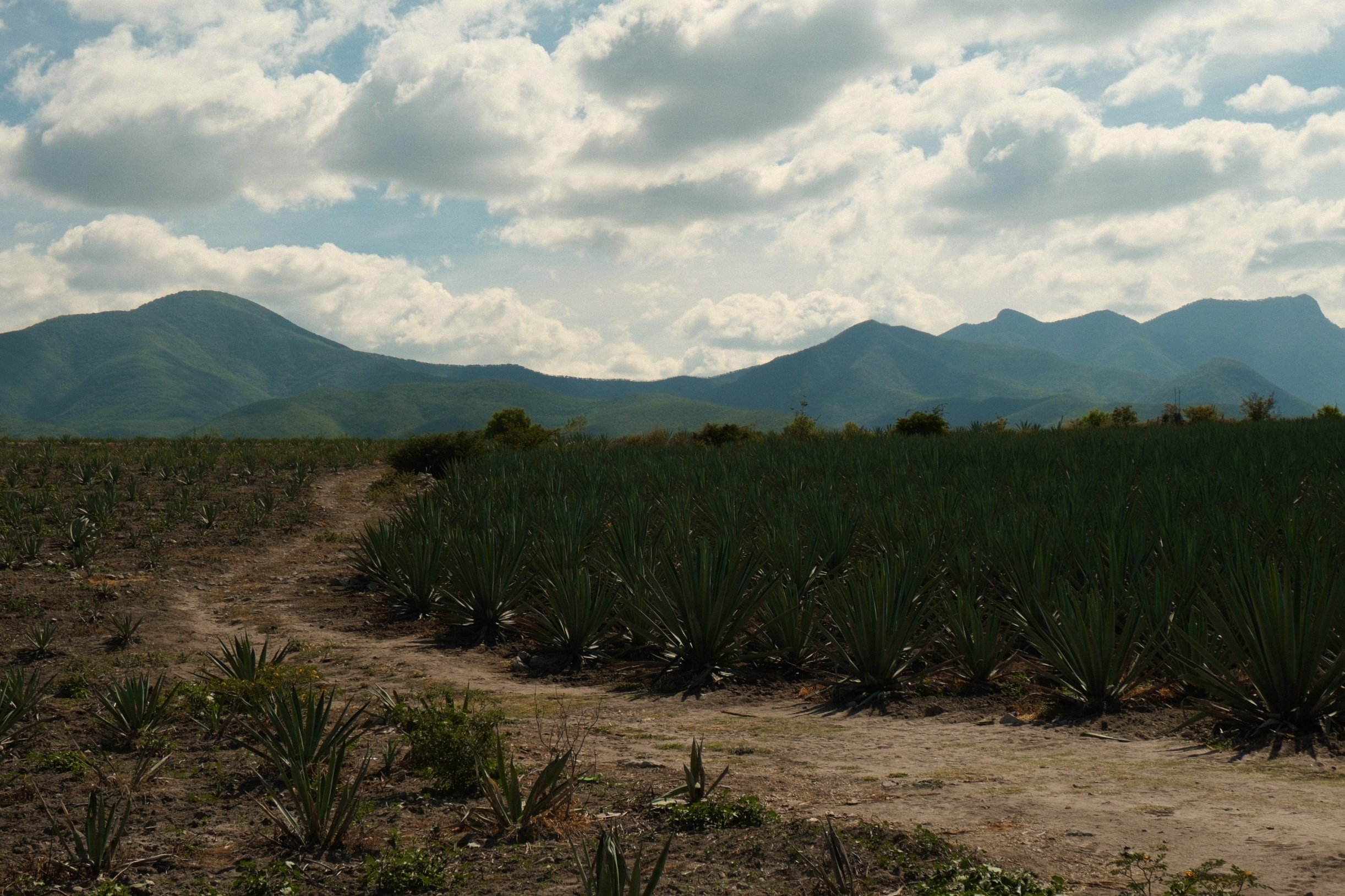
We started by climbing into a truck that looked like a giant mezcal barrel and headed out through the agave fields.
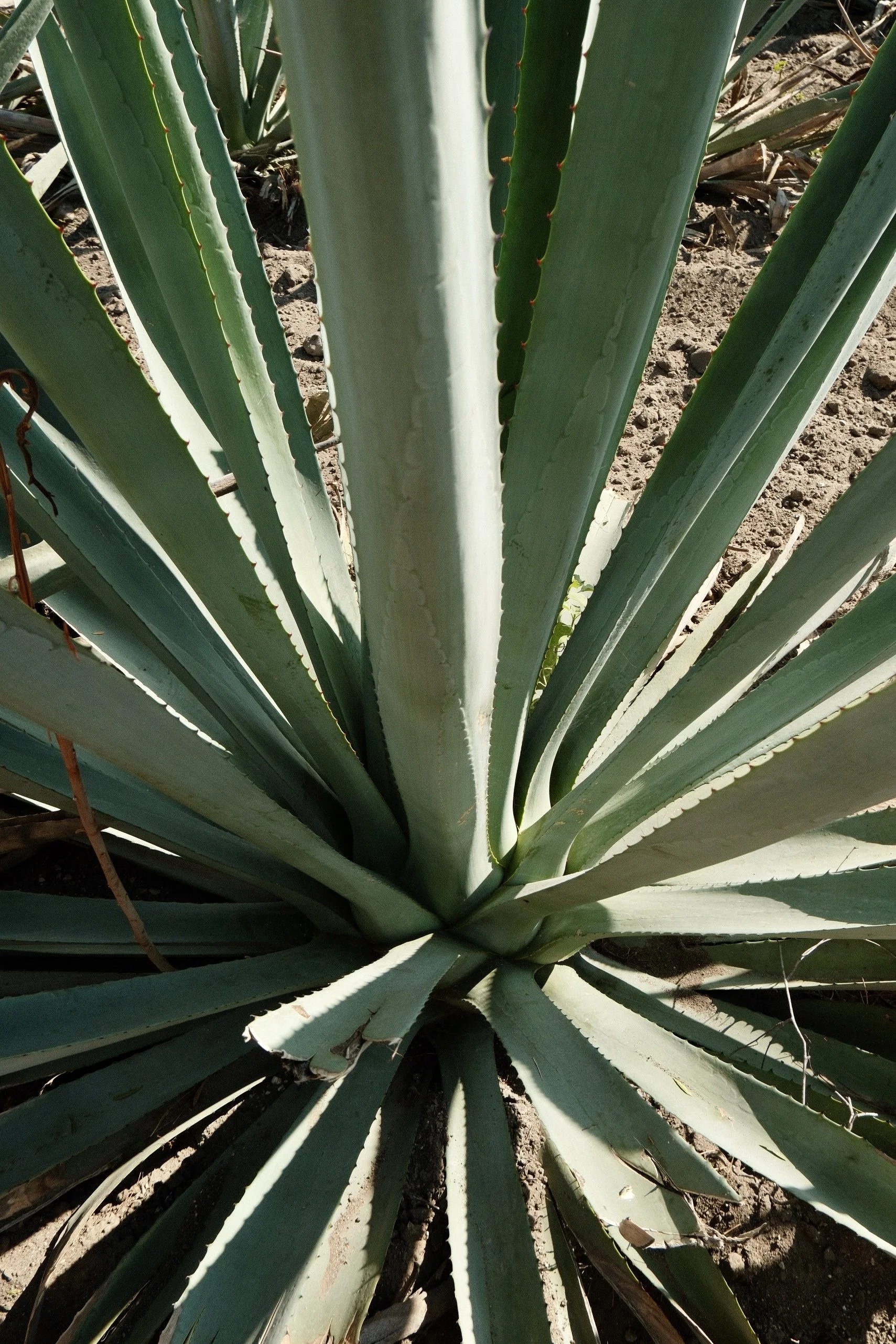
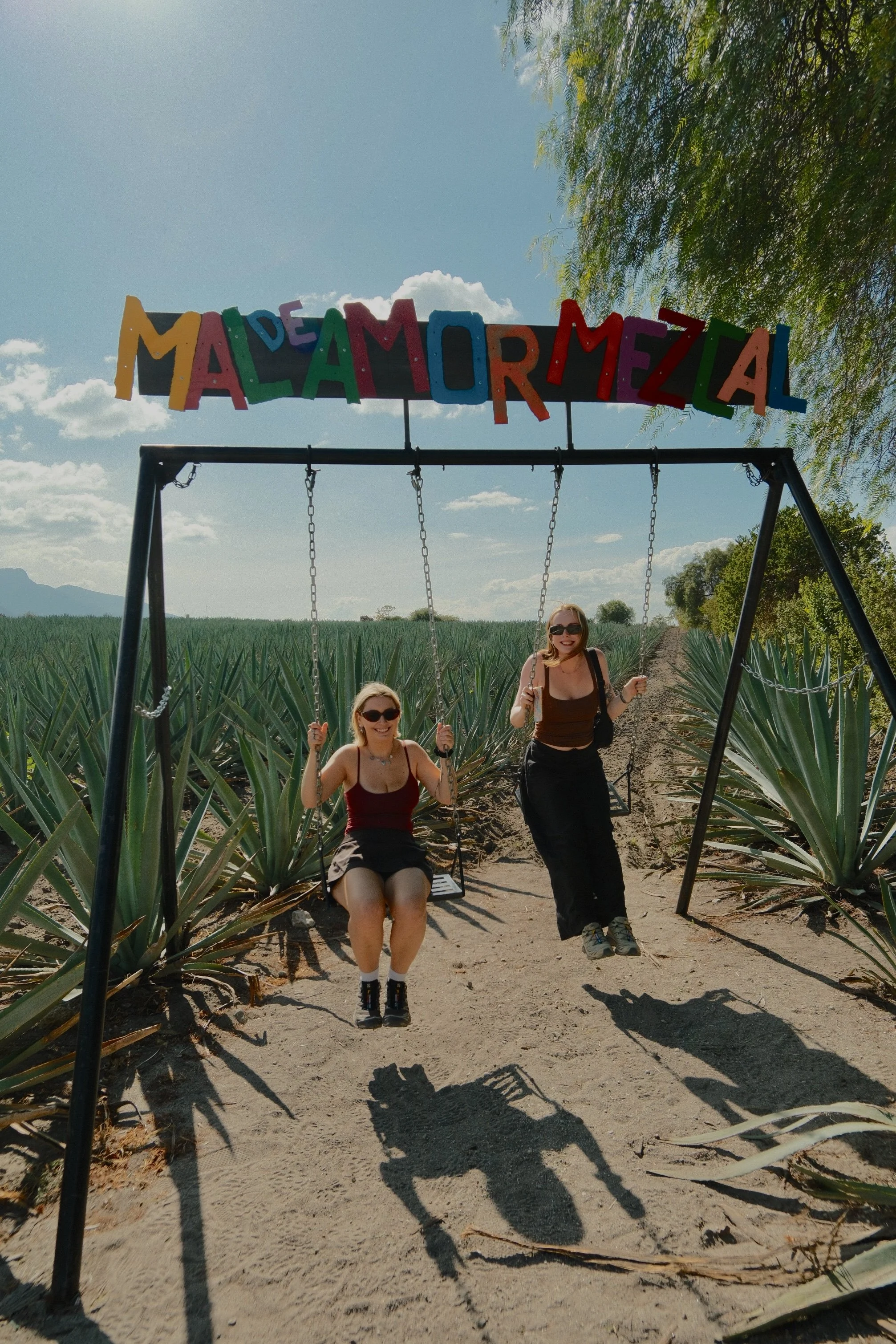
We learnt about the different types of agave used to make mezcal, how they grow and how much time goes into growing the plant before it even makes it anywhere near the distillery.
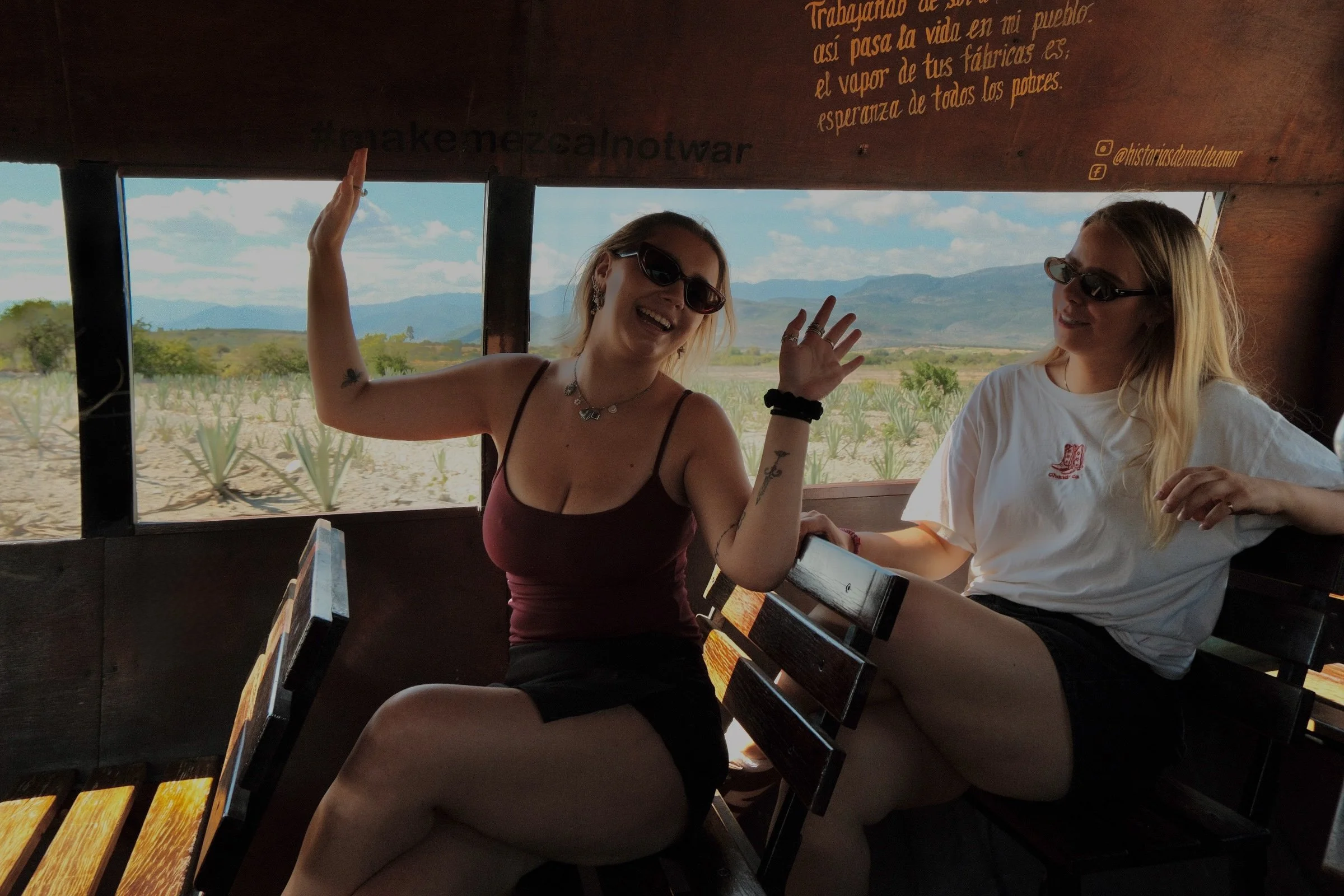
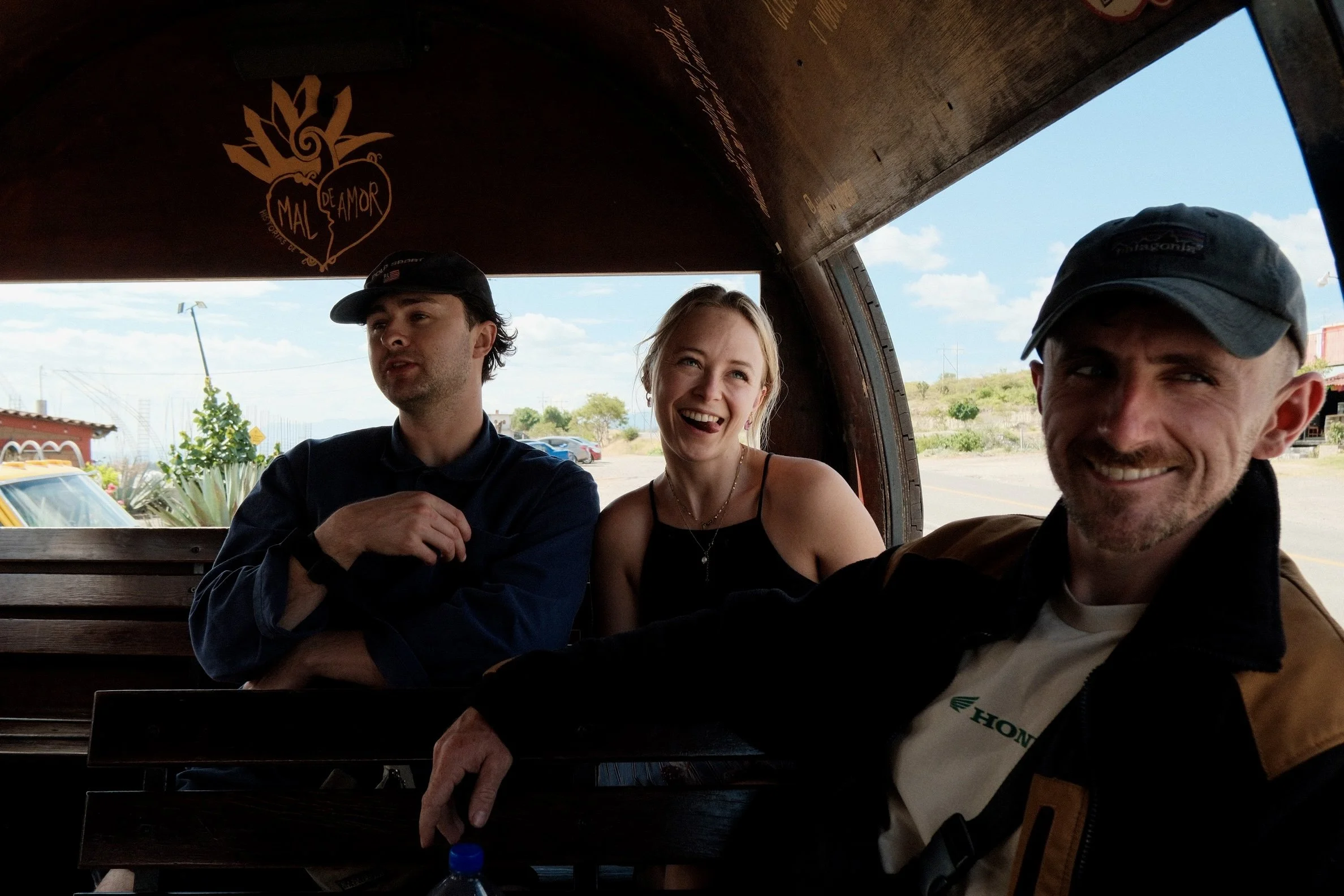
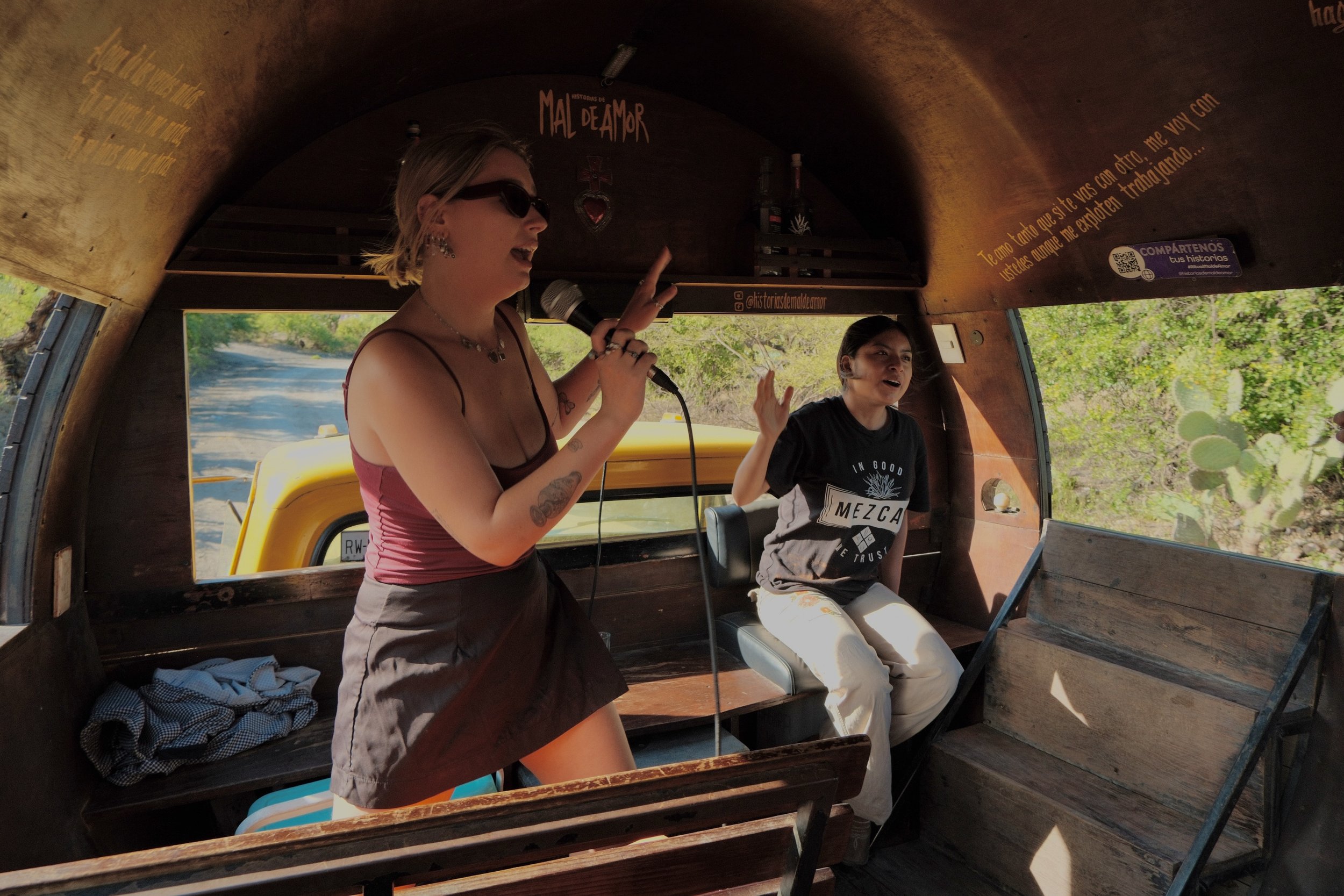
There was lots of karaoke…
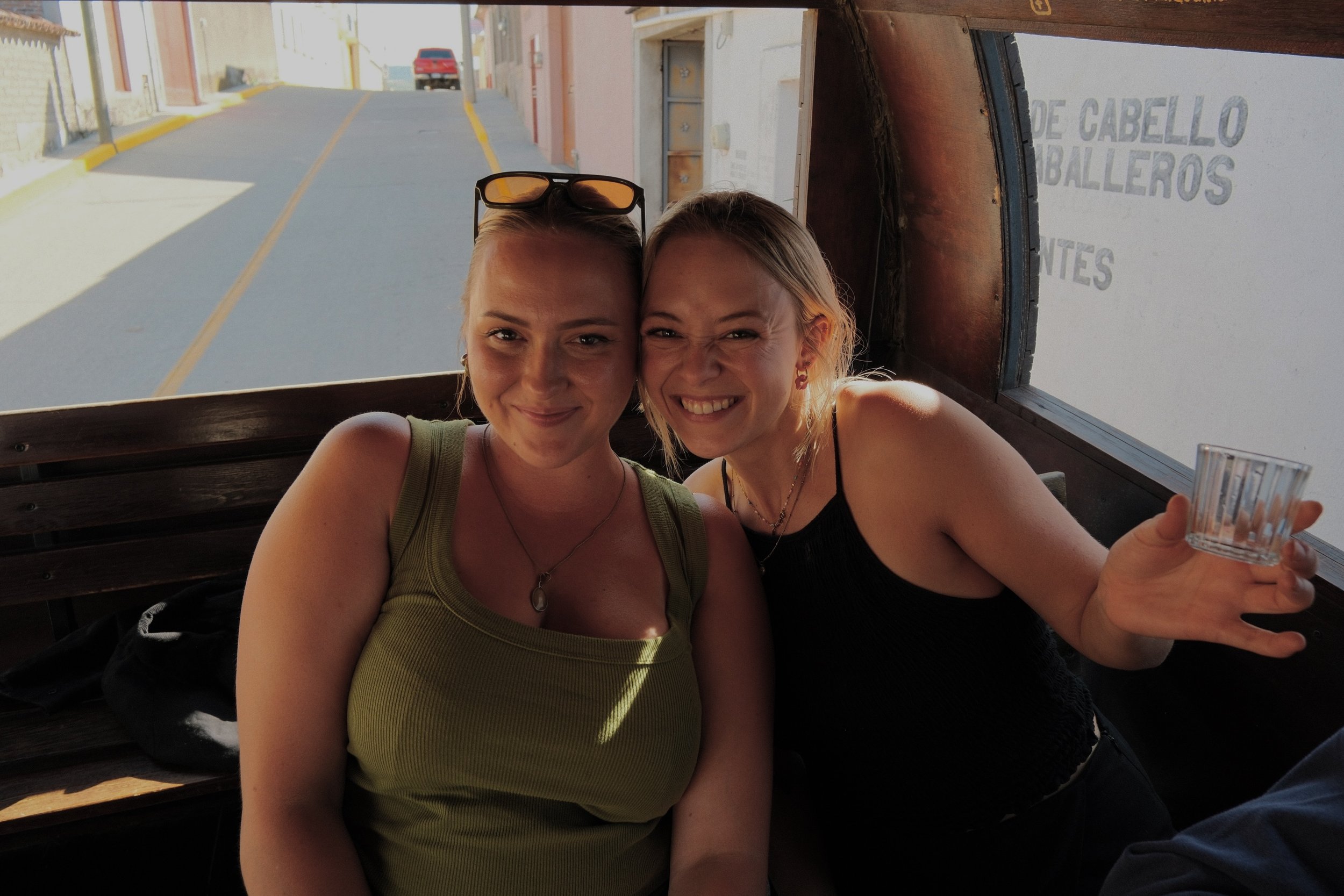
And lots of mezcal shots…
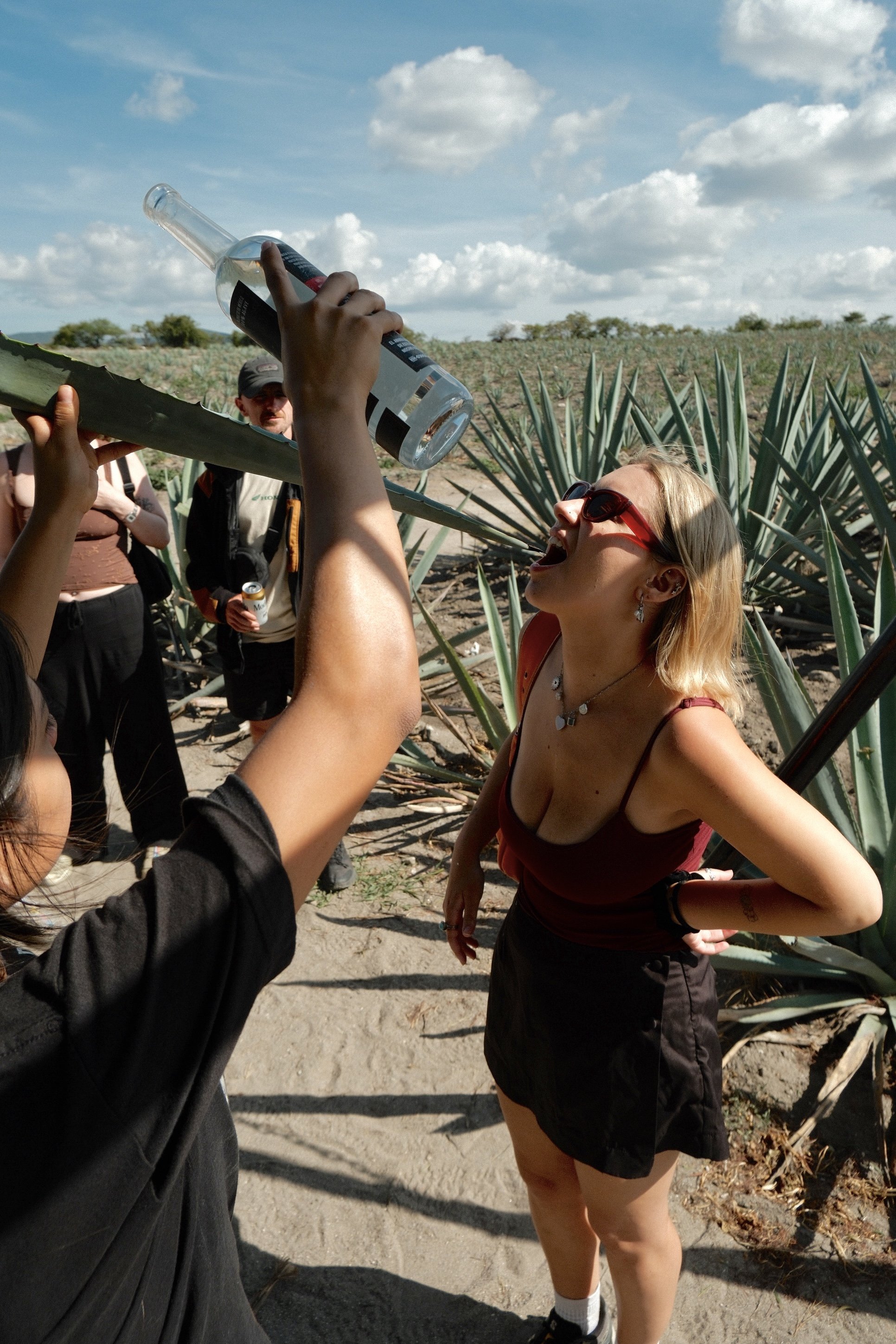
We stopped to explore the fields to try mezcal in a slightly different way - poured directly onto an agave leaf before drinking it.
The idea is that letting the mezcal sit and interact with the leaf gives it a little more time to oxidise and changes the flavour slightly.
Next stop we learnt about some of the other drinks made from agave.
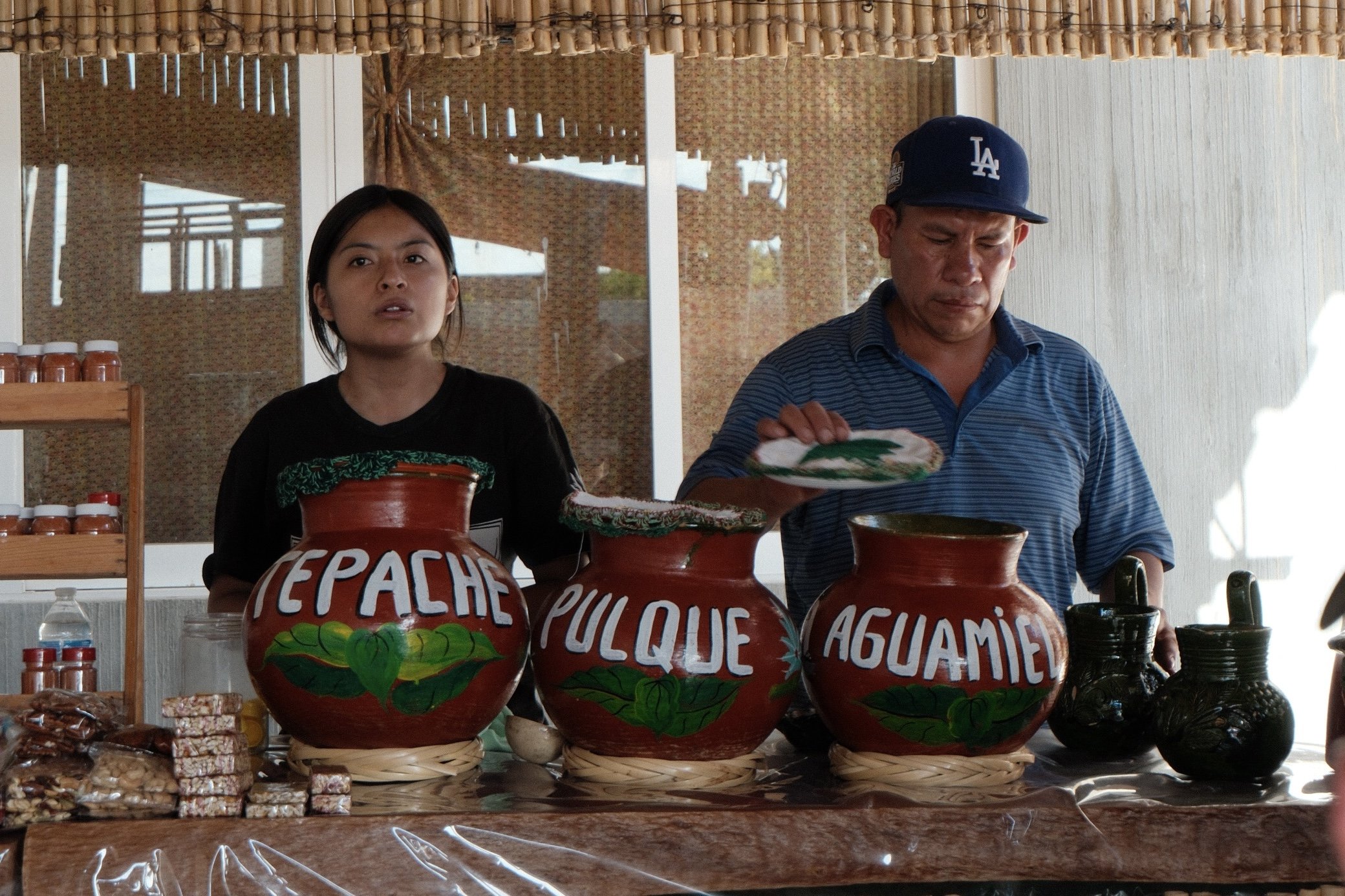
Aguamiel is the sweet sap collected from the agave plant. If you let that ferment, it becomes pulque, a thick, slightly sour traditional Mexican drink that has been made for thousands of years. Can’t say I was the biggest fan.
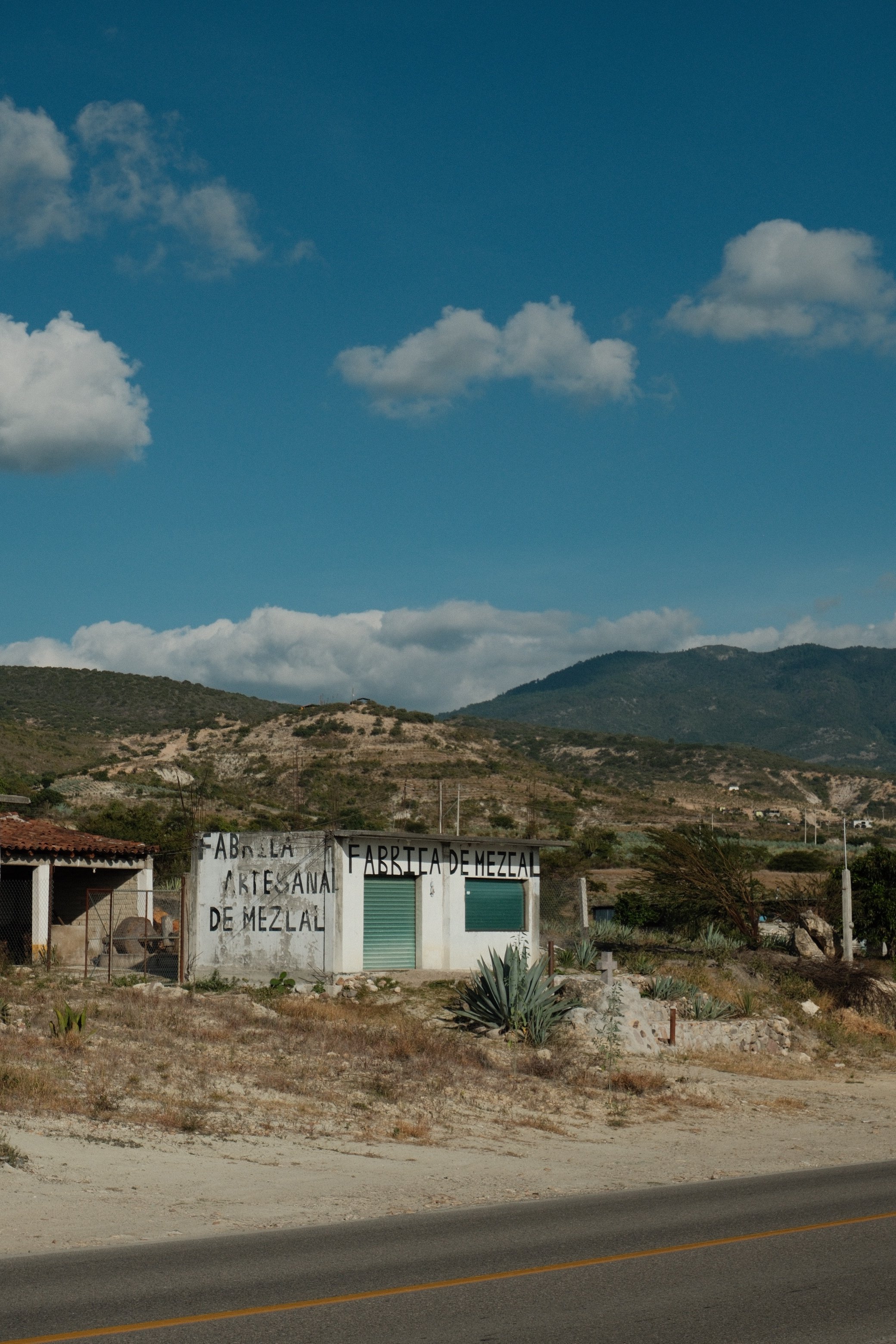
Back at the palenque, we finally got to see how the agave is actually turned into mezcal.
The piñas (the heart of the agave plant) are cooked underground in a huge oven using wood, stone and dirt, which is where a lot of that distinctive smoky flavour begins.
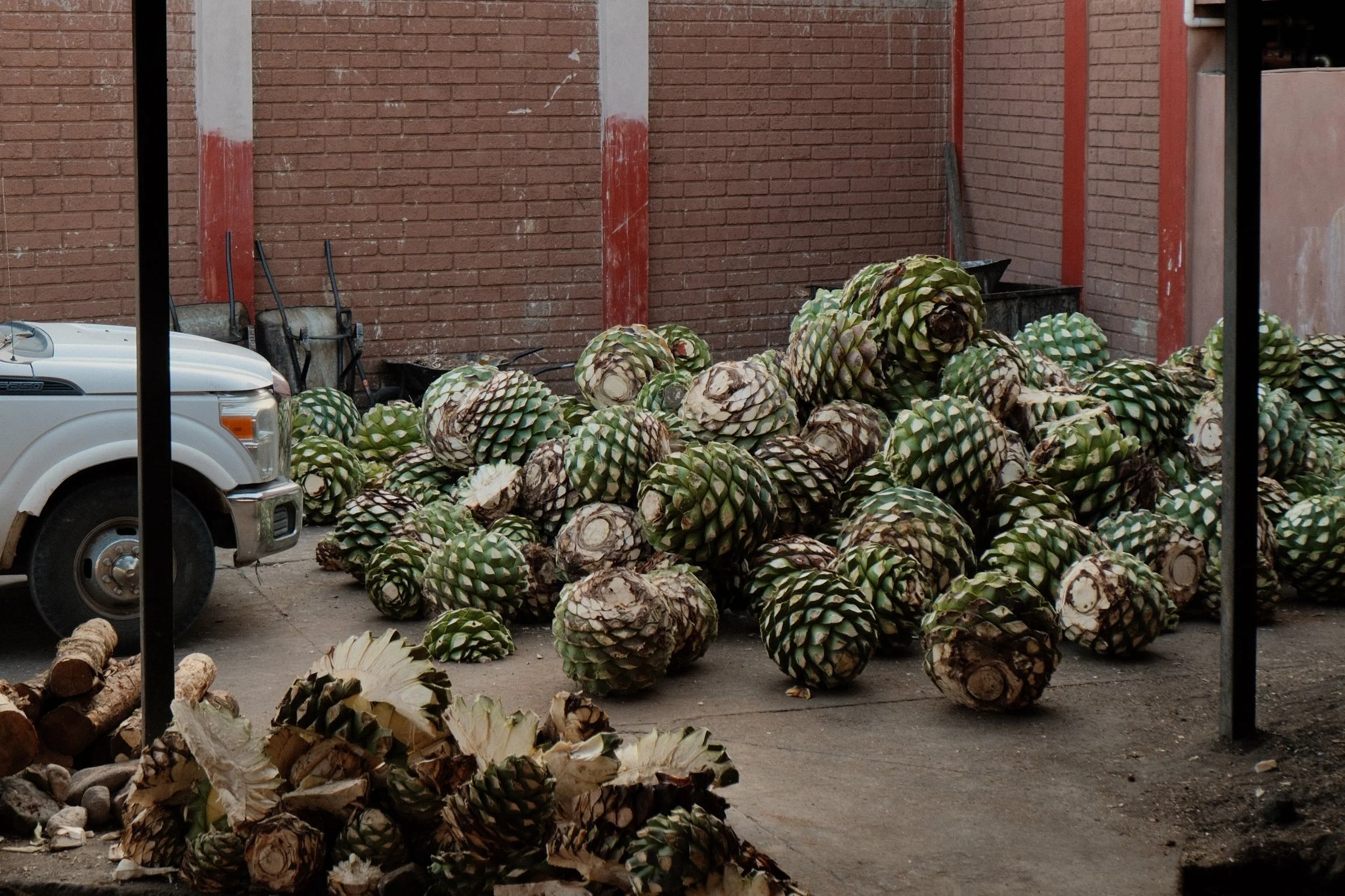
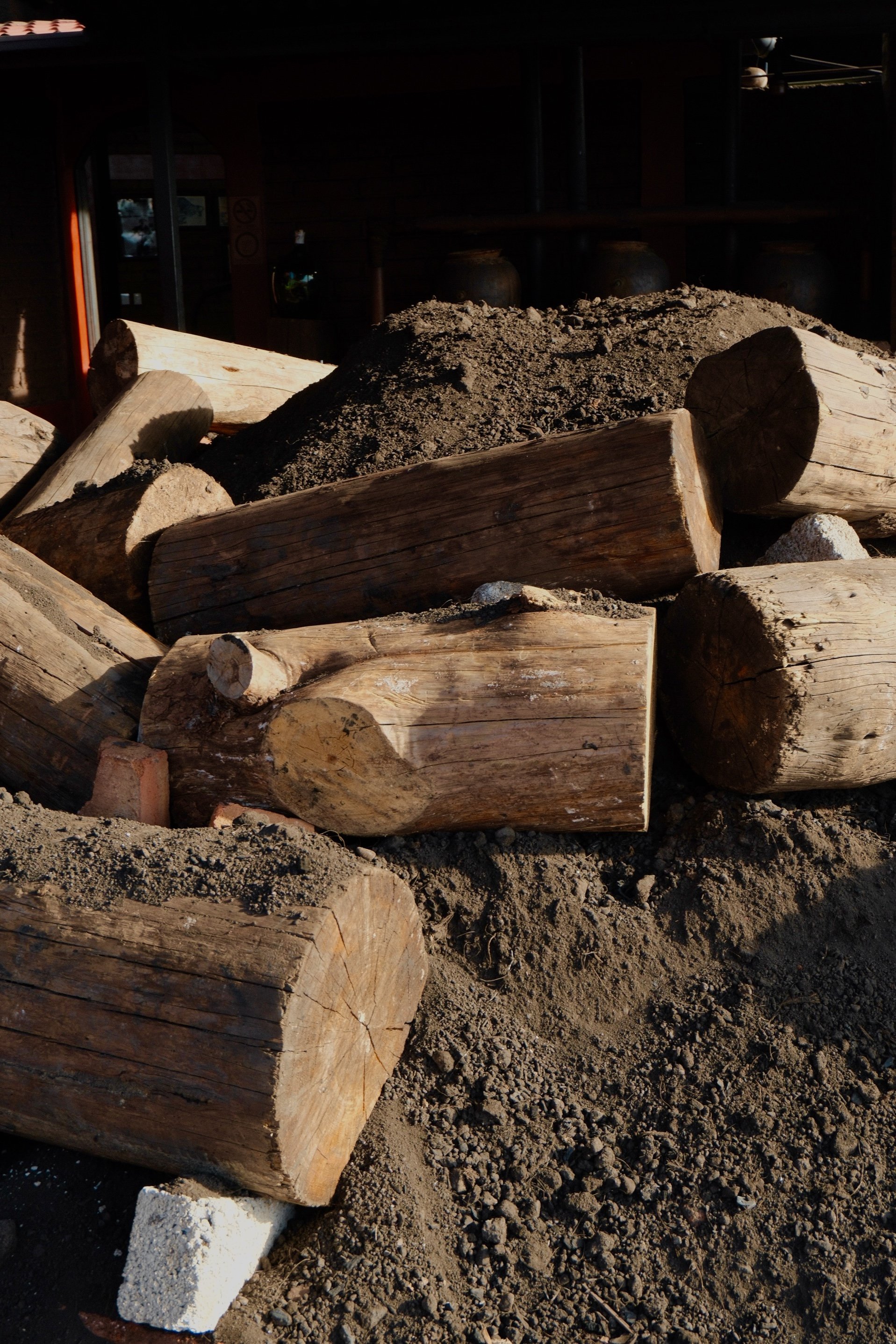
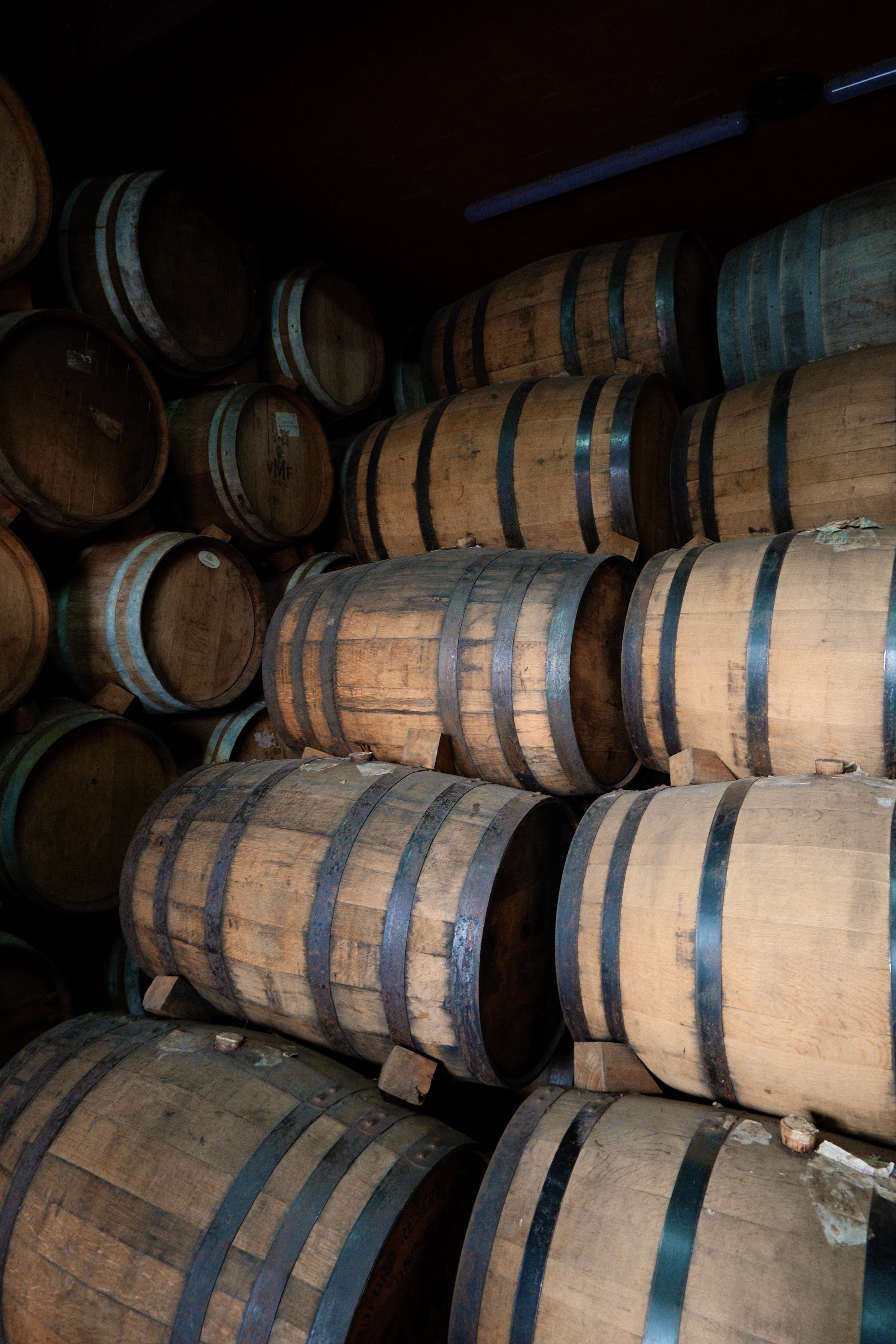
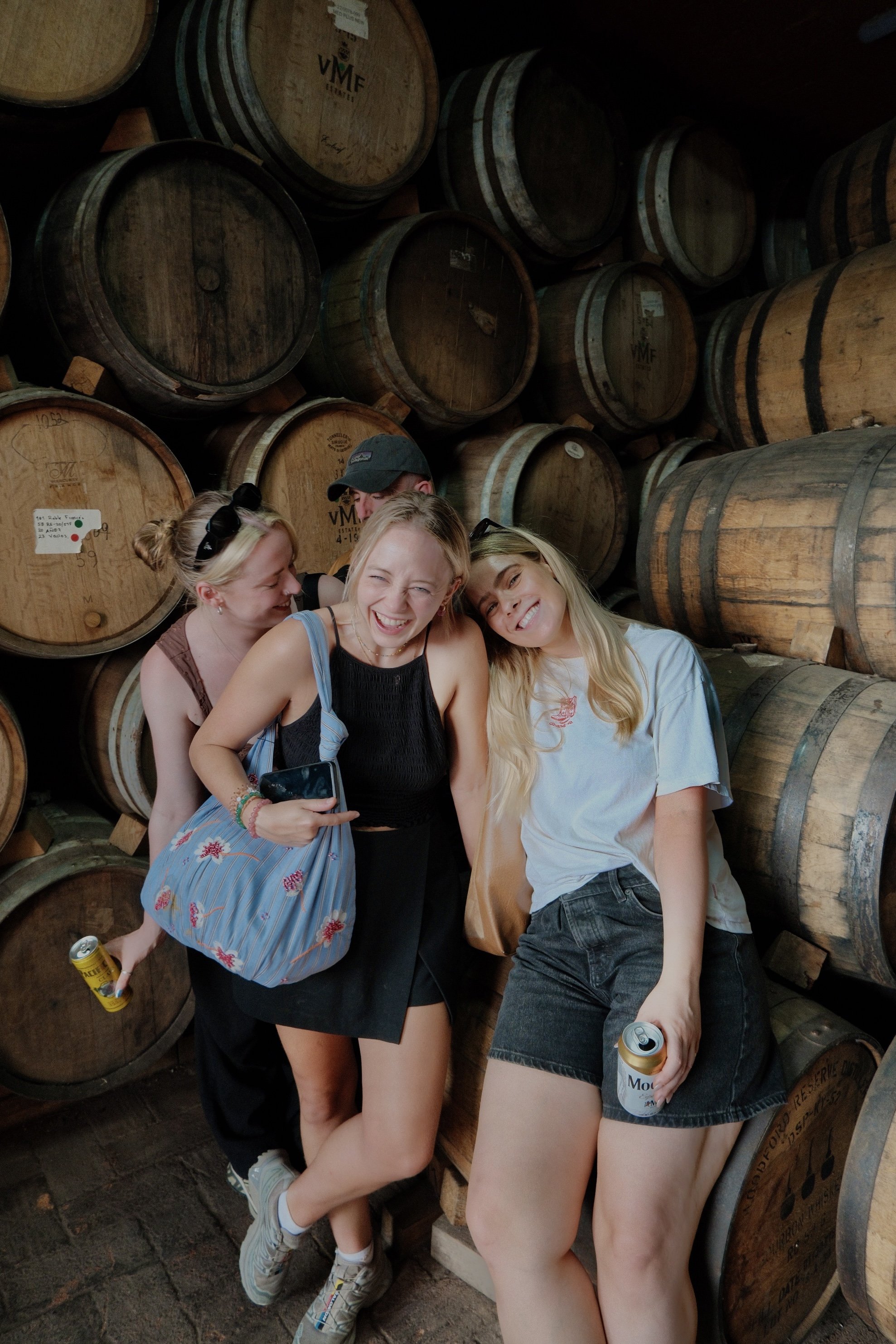
From there, the cooked agave is crushed, fermented in wooden vats and then distilled in copper stills. We were all getting a bit silly by this point in the tour.
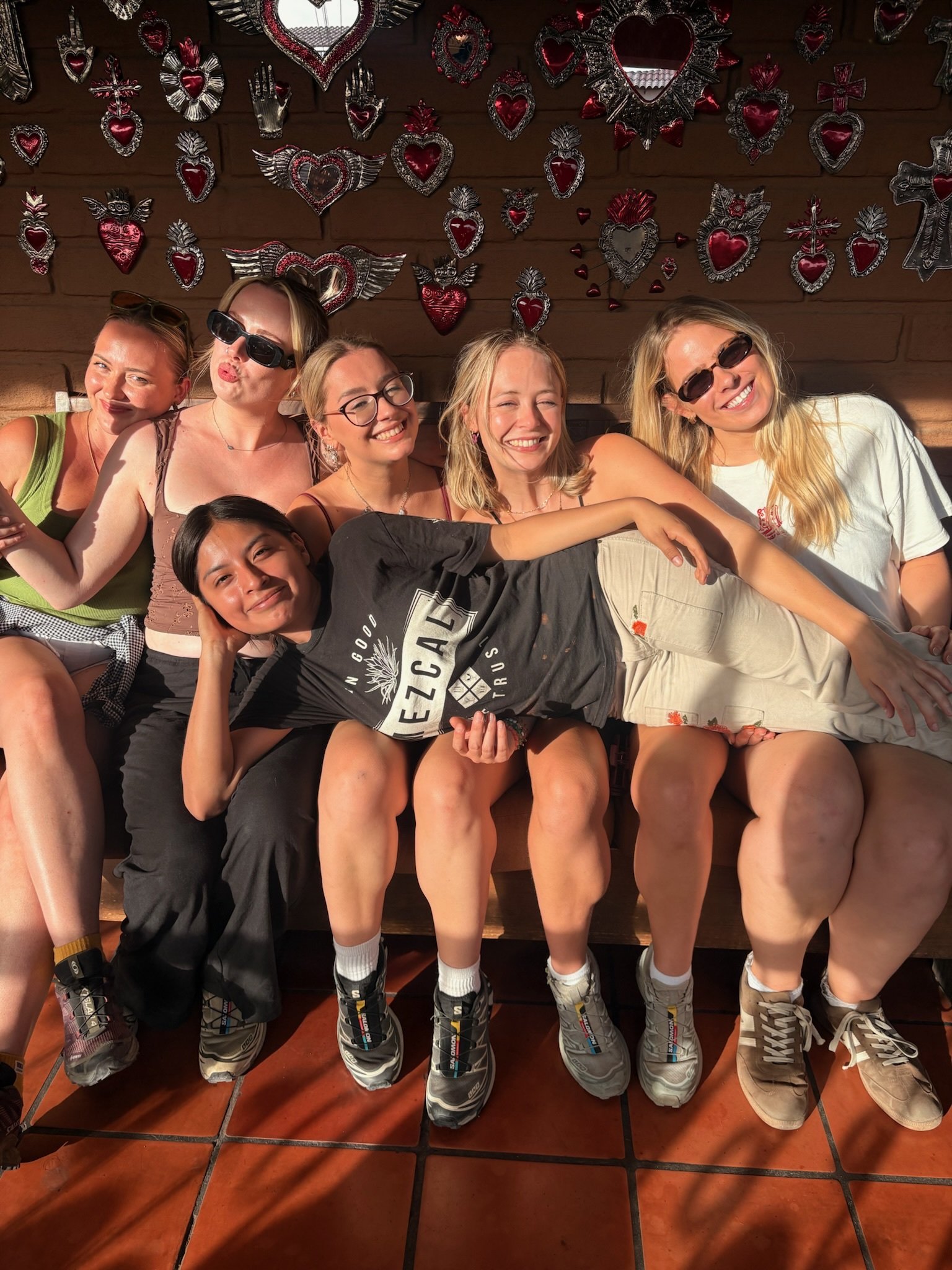
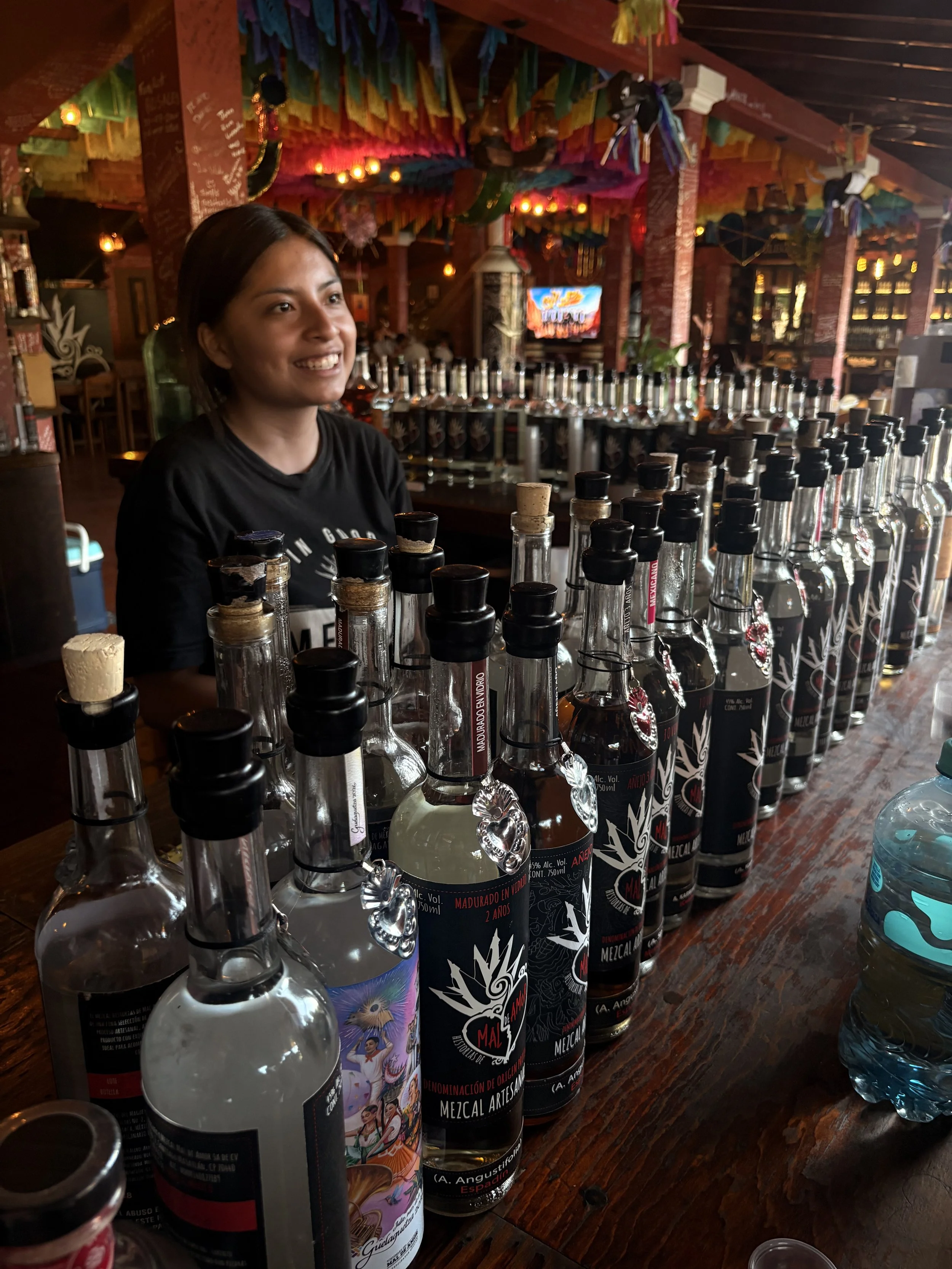
We finished with a tasting, guided by our amazing tour guide. By this point, I had truly reached my mezcal limit and couldn’t face another shot.
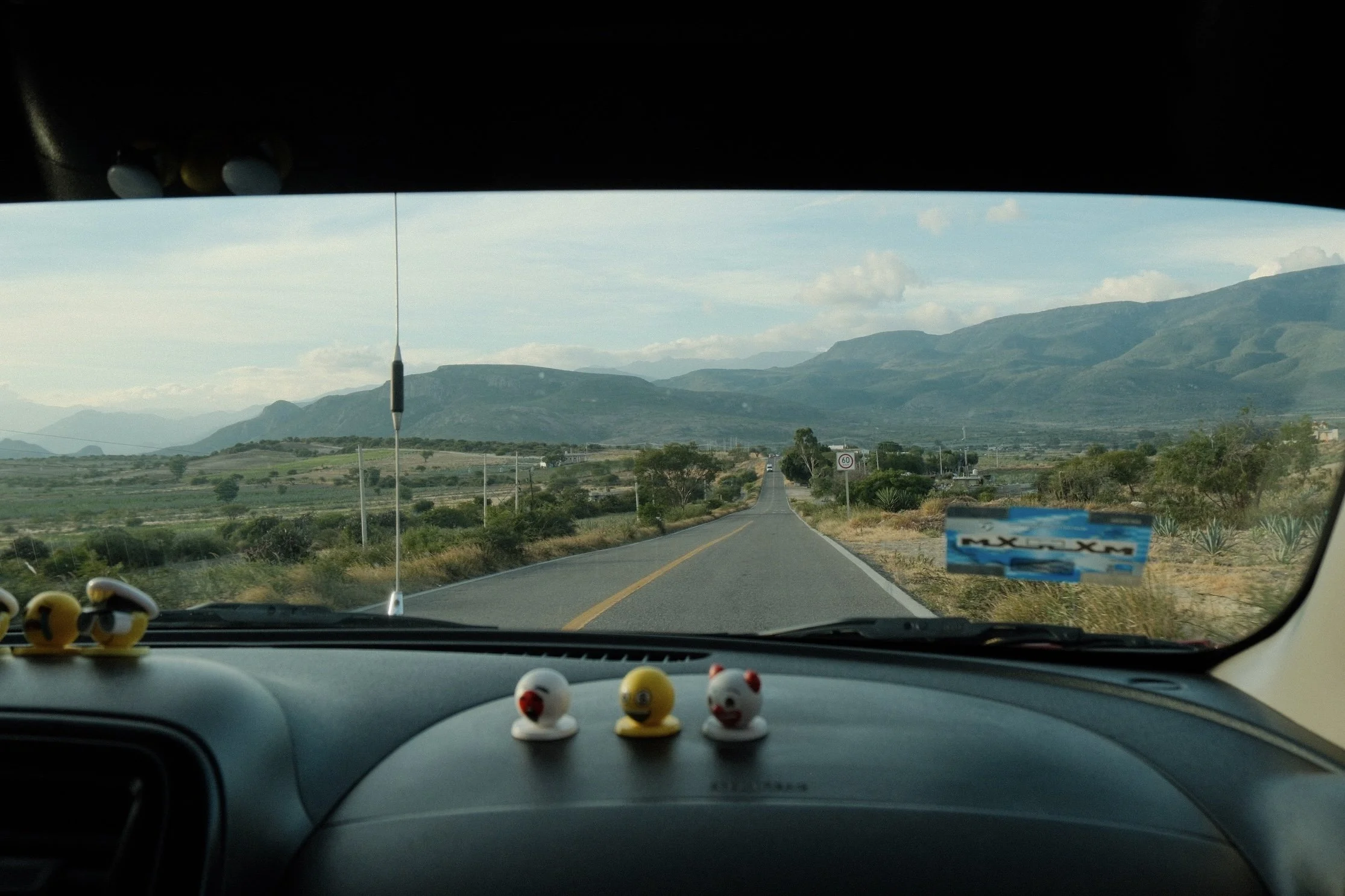
The journey home…
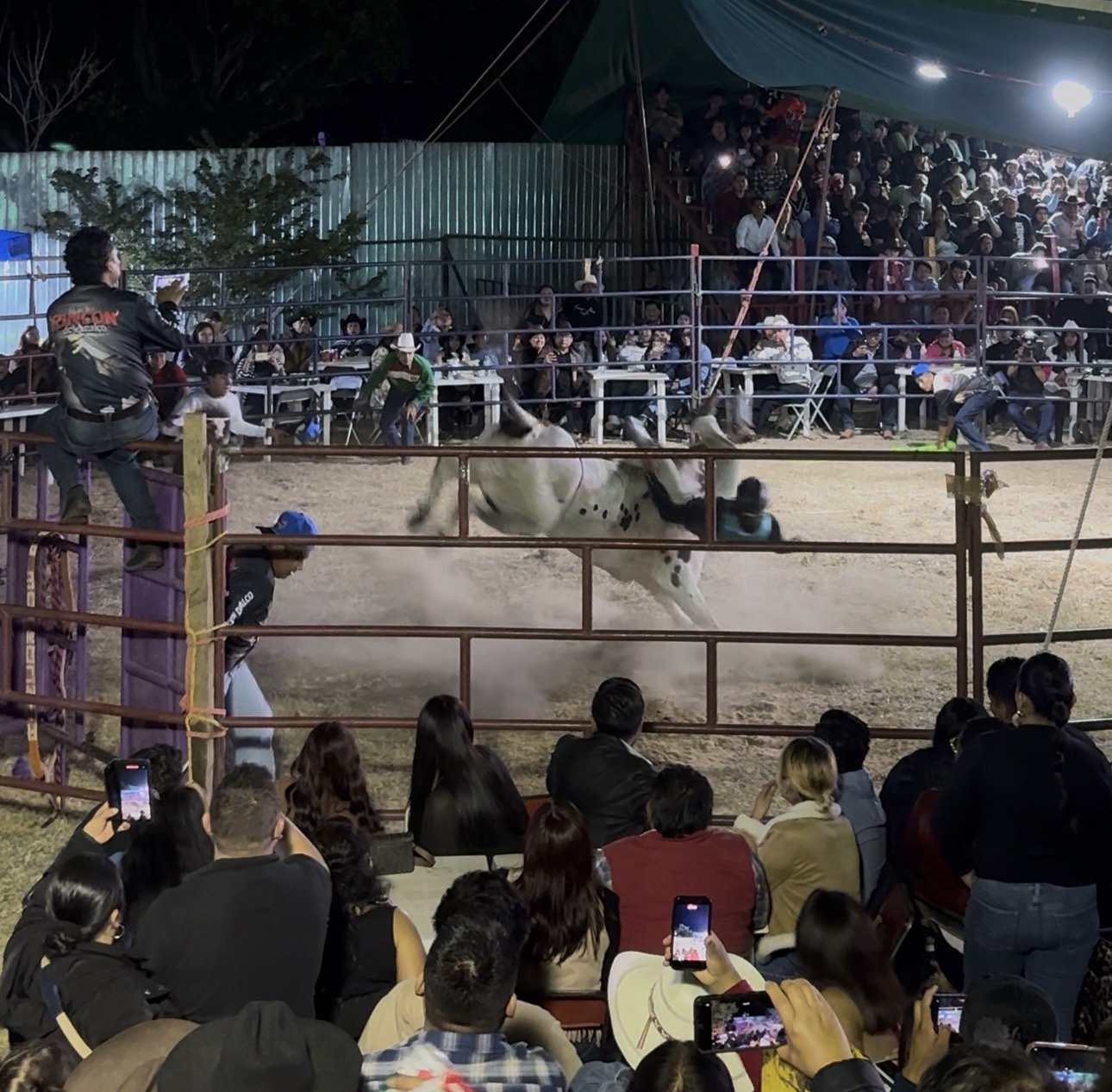
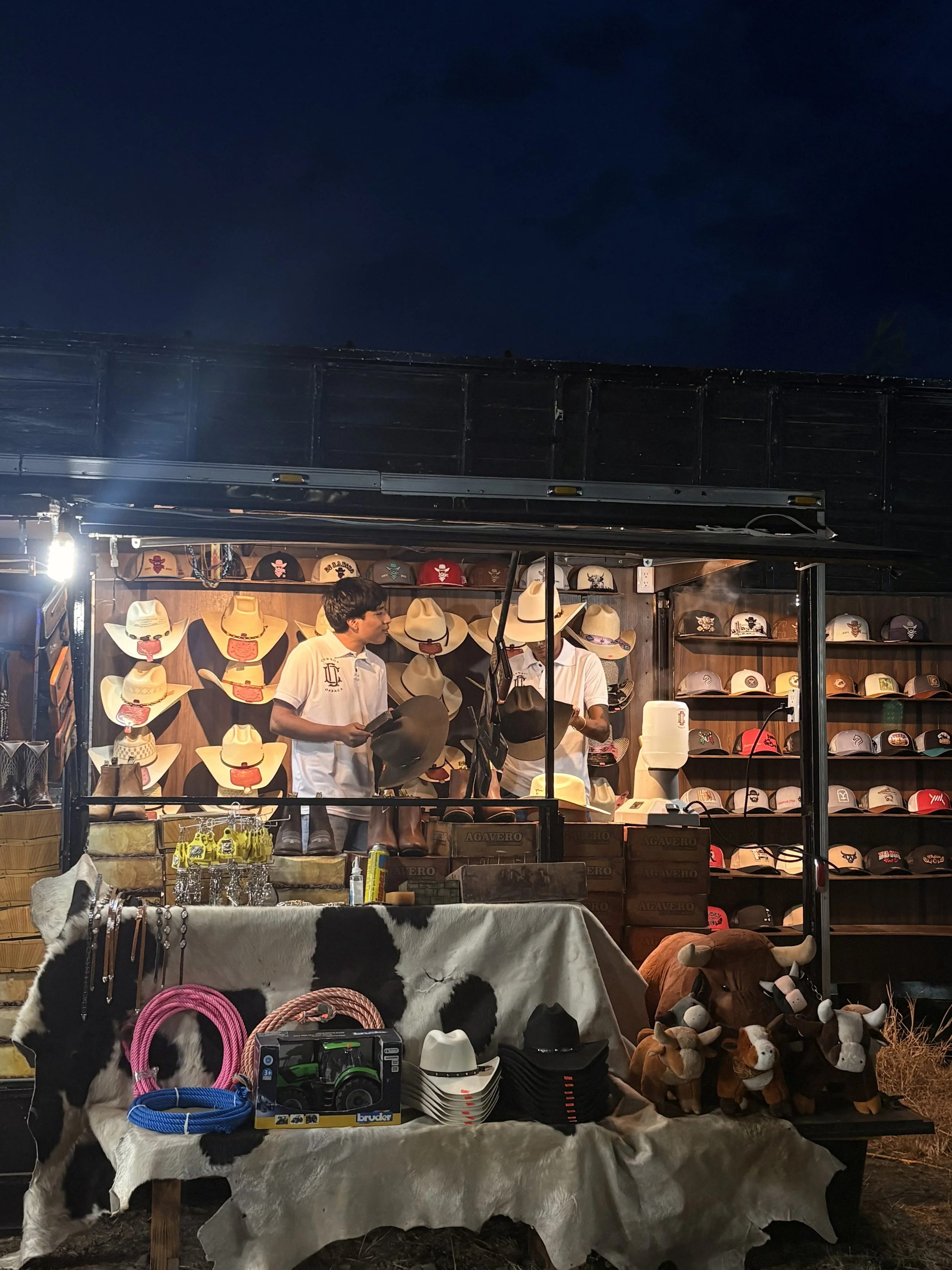
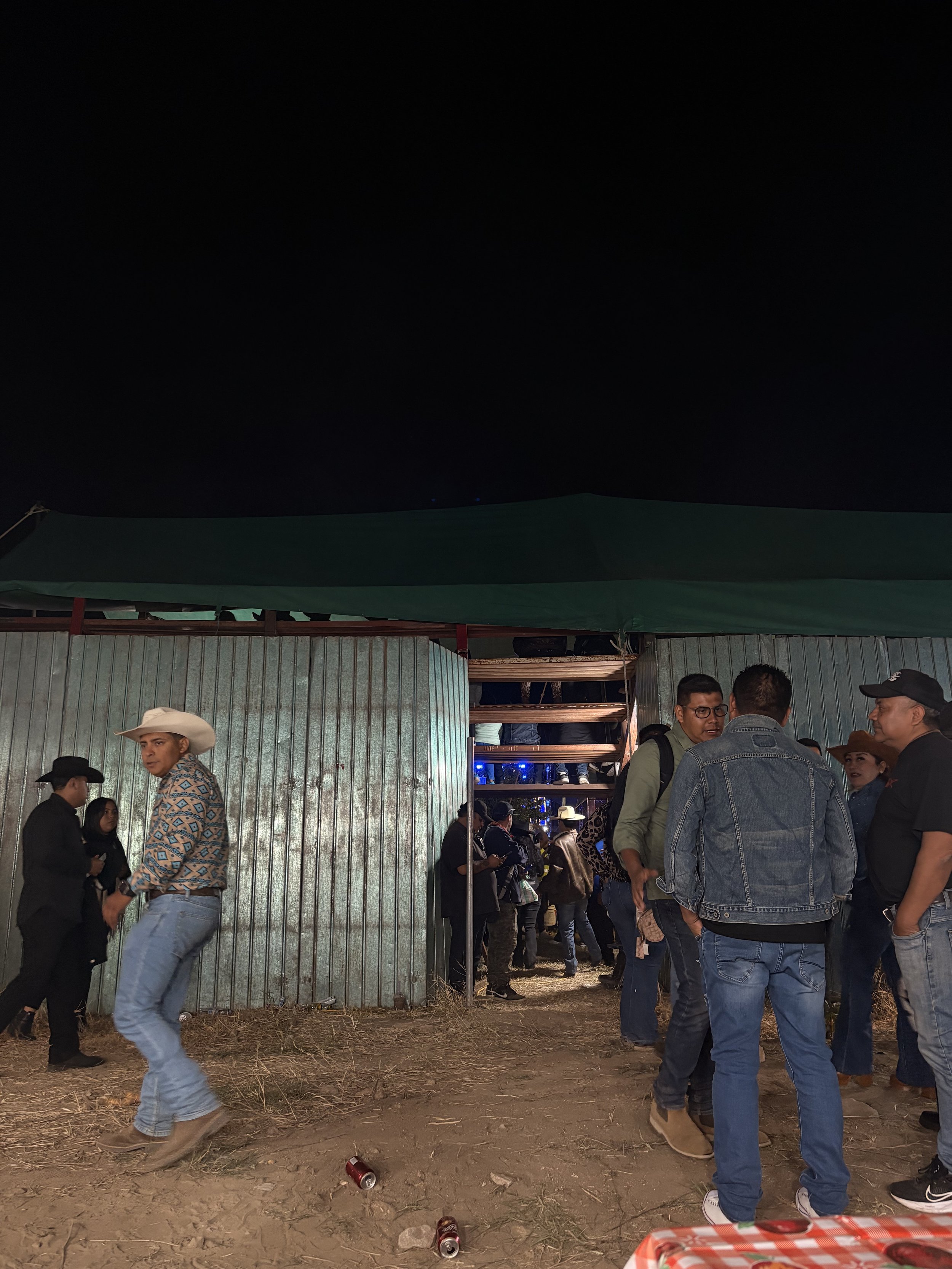
We ended our time in Oaxaca at a local jaripeo, a traditional Mexican rodeo with bull riding, live music and plenty of dancing. I have never experienced anything like this before. It was quite scary to watch…
Also quite scary being completely stranded after the event, but luckily Vicki’s Spanish skills and confidence saved the day, and the ticket man’s friend squeezed 6 of us into a taxi back to the city. Phew.