Tucked away in the Chiapas jungle, Palenque is surrounded by rivers, natural springs and waterfalls. It was originally named Lakamha’, meaning ‘Big Water’ in the ancient Maya language - it’s easy to see where the name comes from.
Between swimming in turquoise waterfalls and exploring the ancient ruins, Palenque was by far the hottest and most humid place I’d been so far.
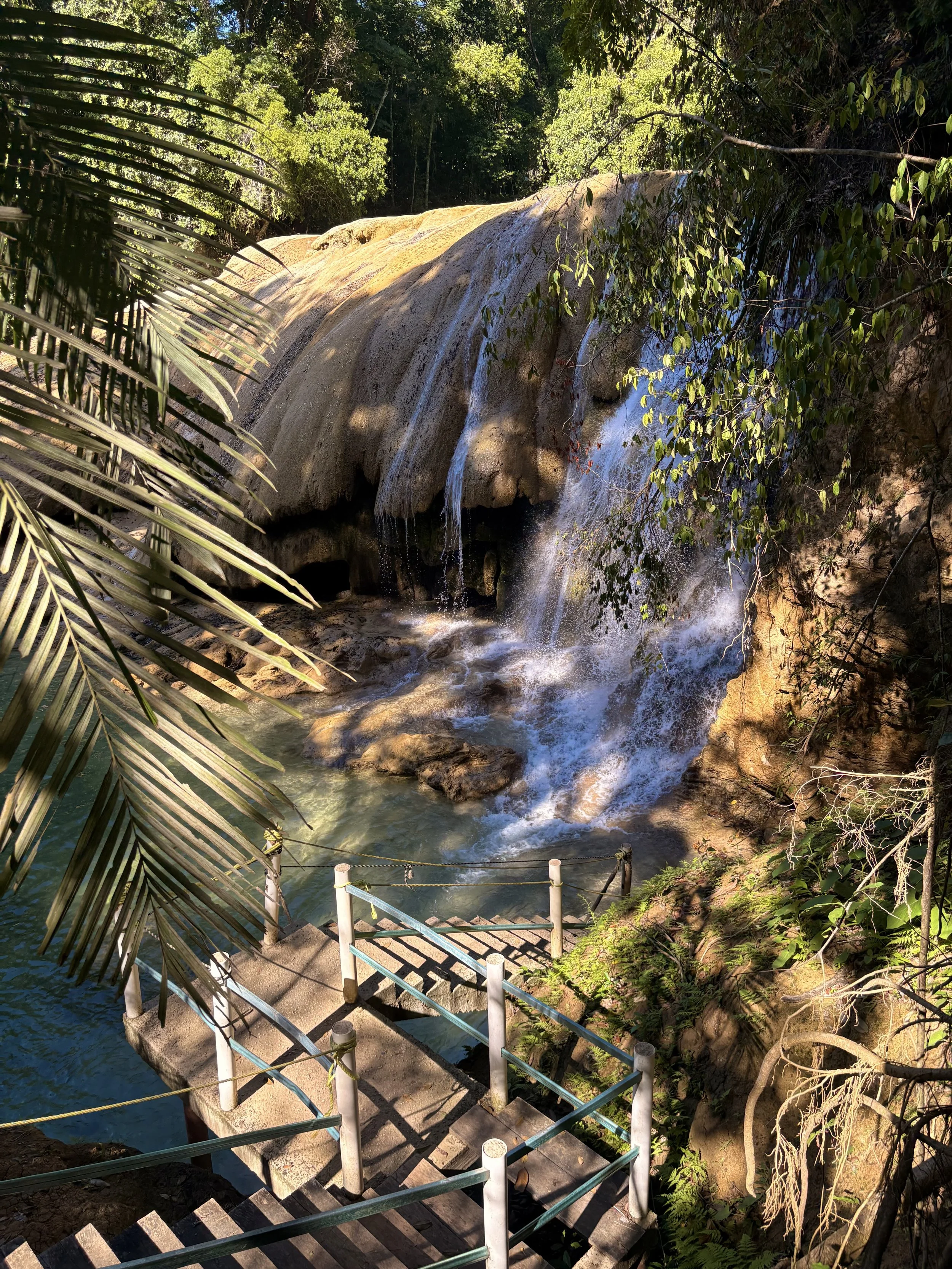
Roberto Barrios Waterfalls
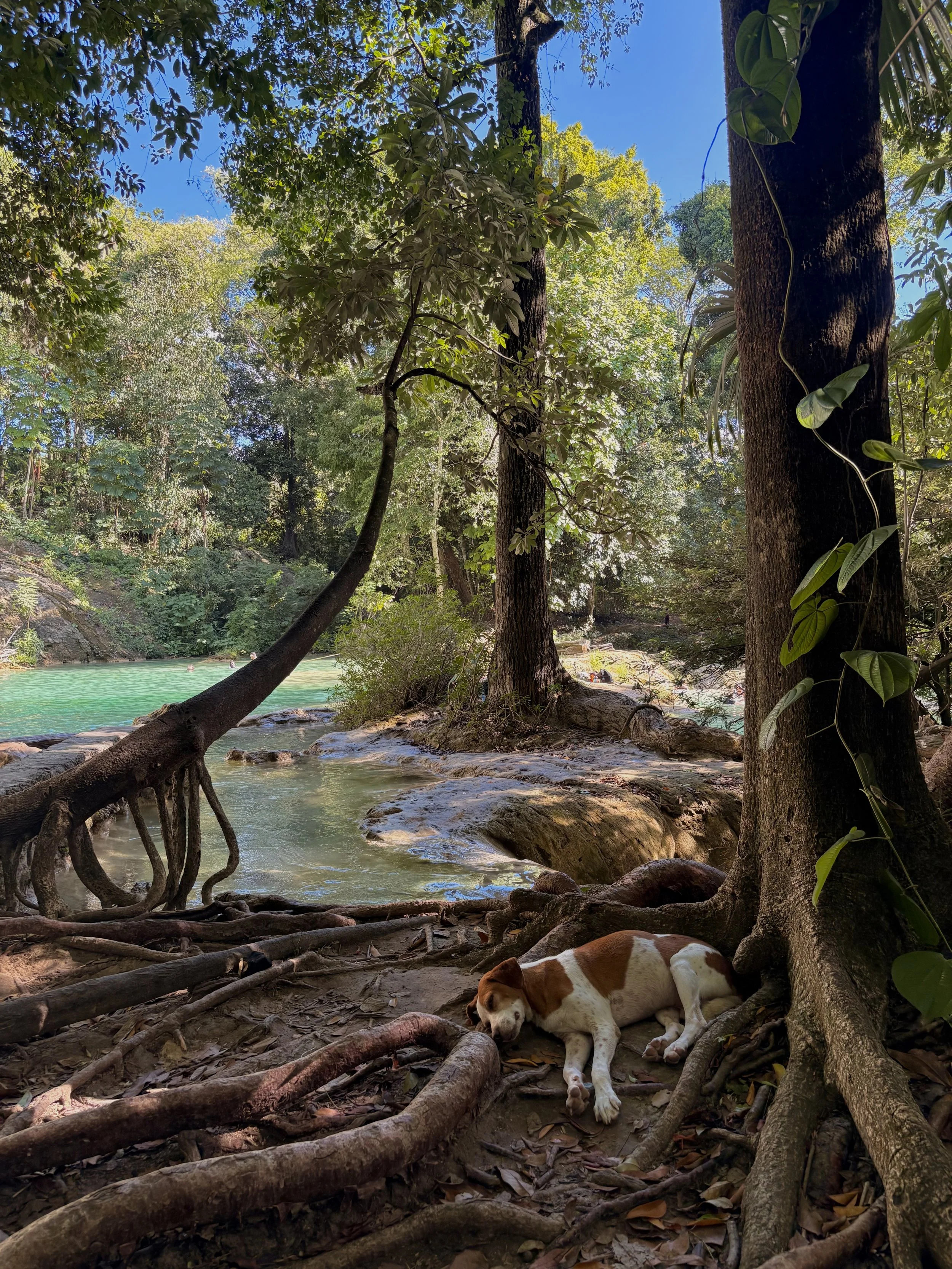
A series of blue pools and waterfalls surrounded by jungle. Such a beautiful & peaceful place, I could have spent days hanging out here.
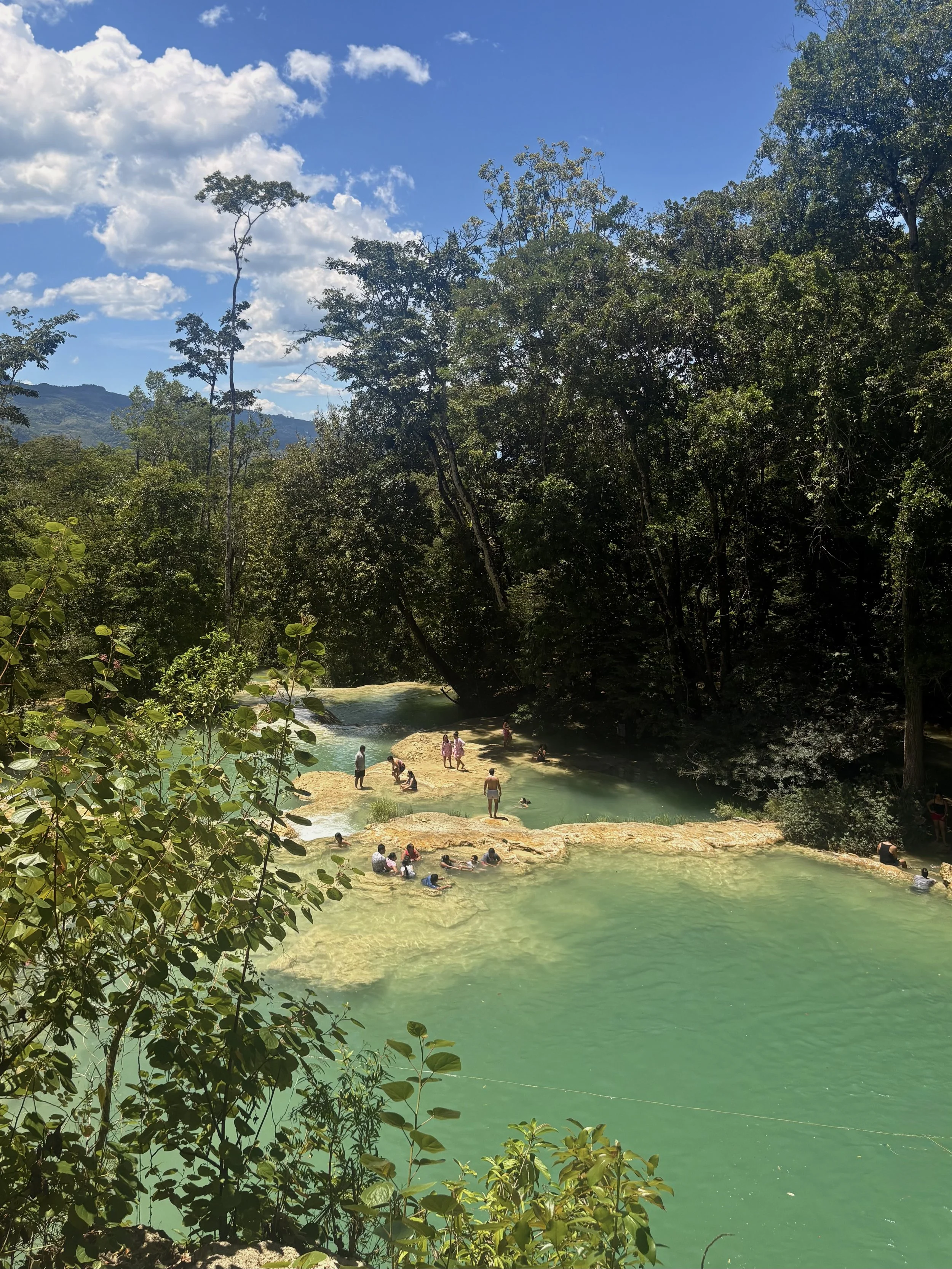
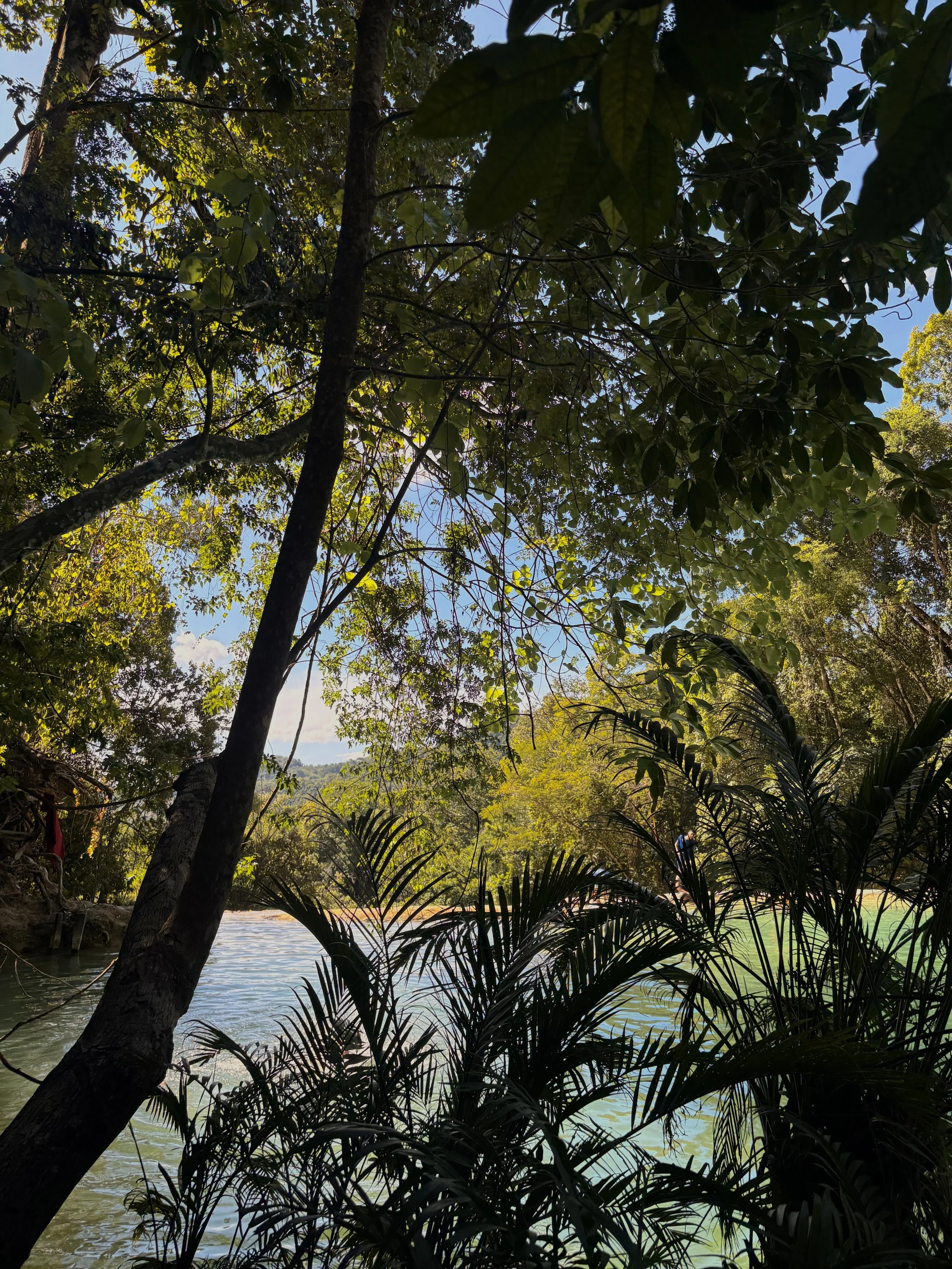
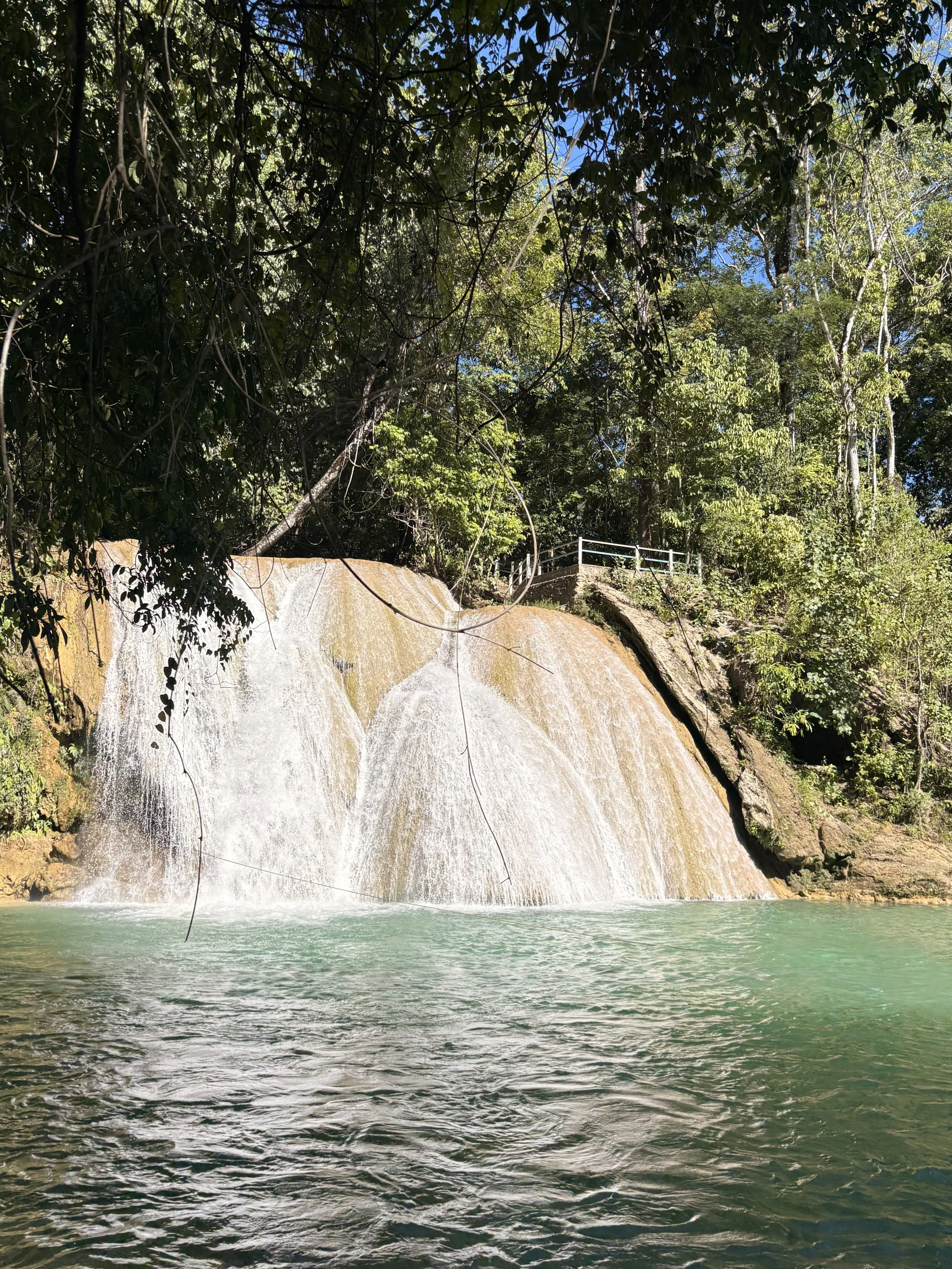
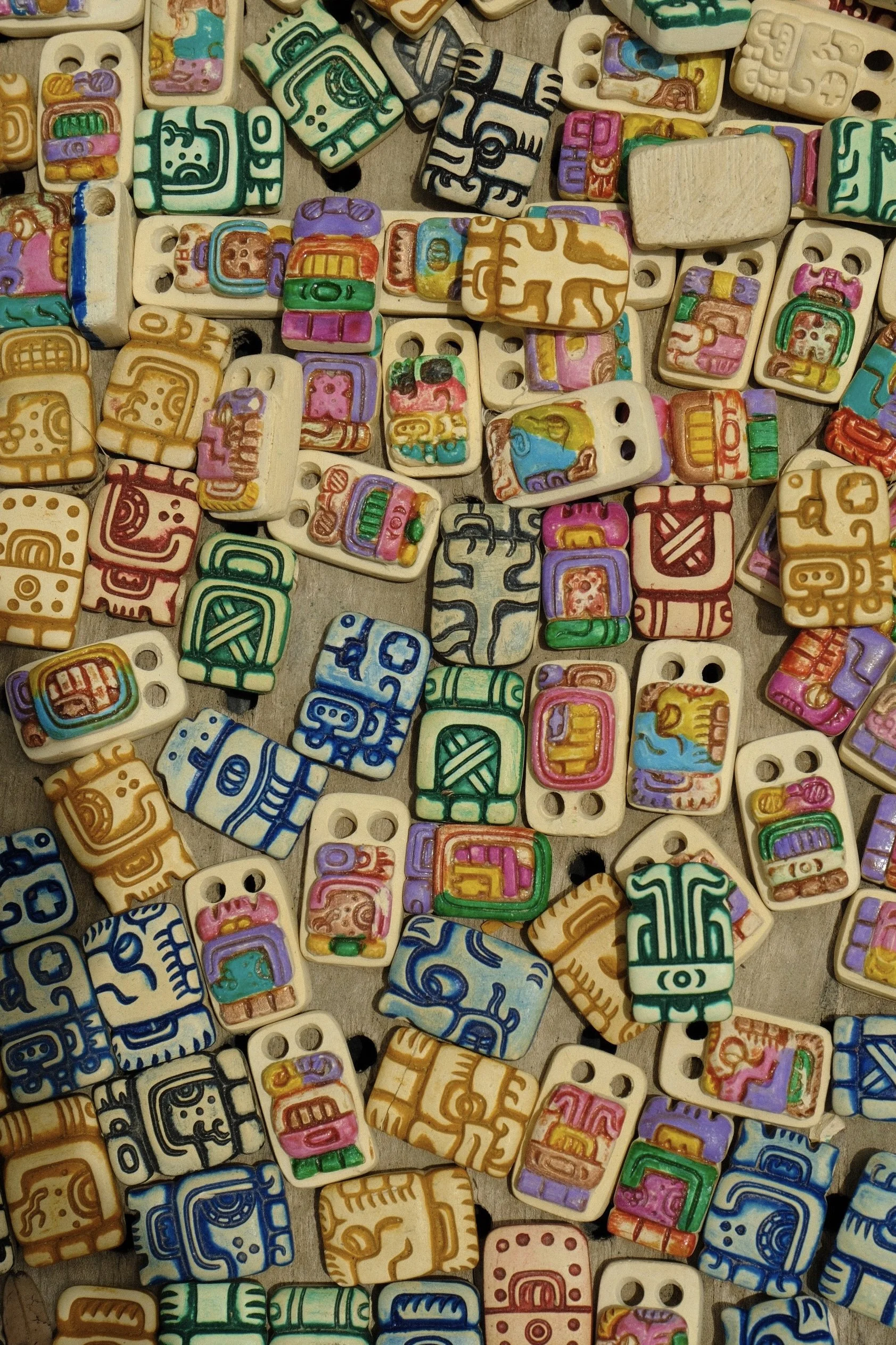
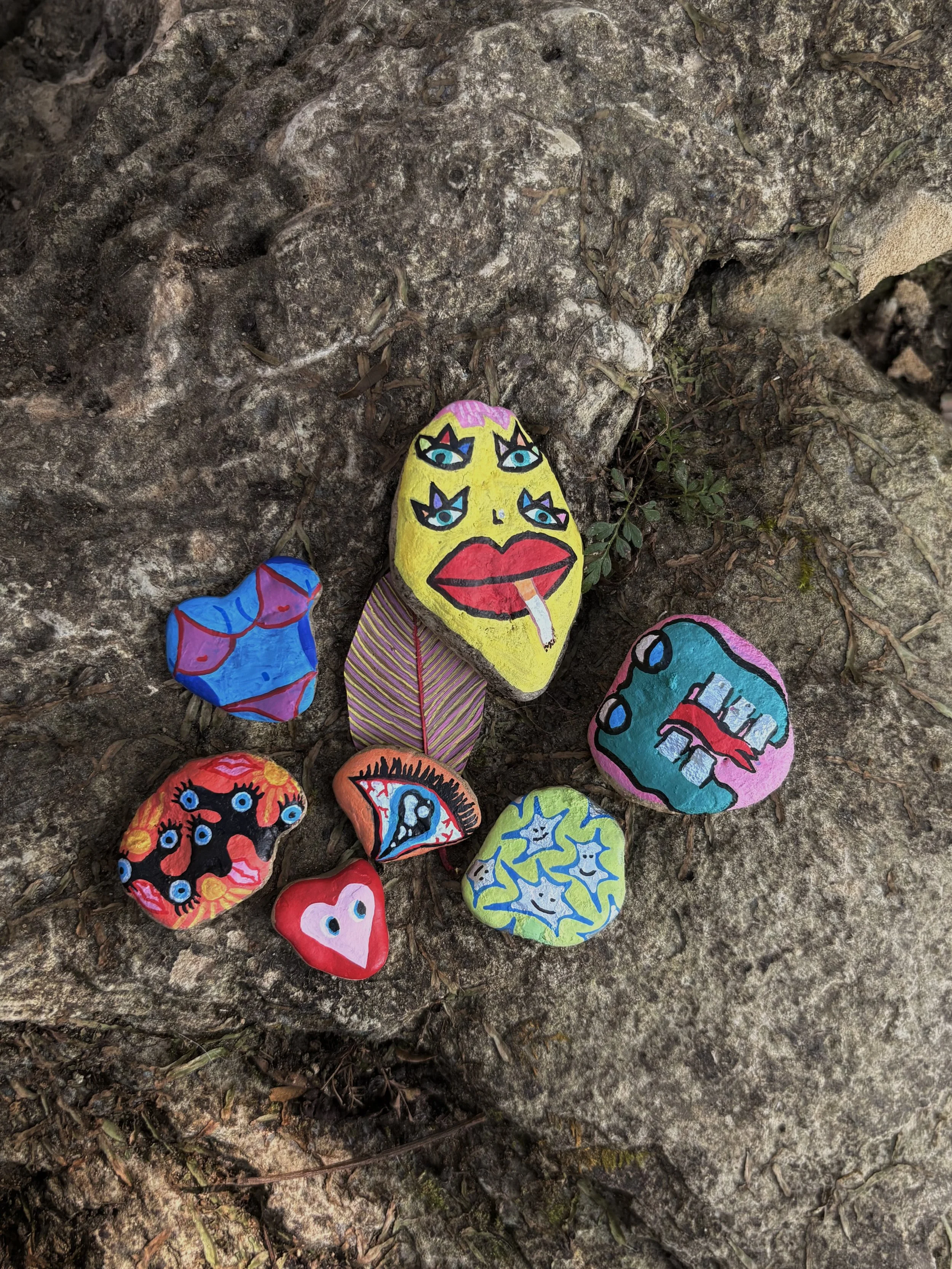
The water was ridiculously clear, with little fish swimming around you, natural pools to swim in between the cascades. We spent the day floating about, exploring the different levels and painting little rocks.
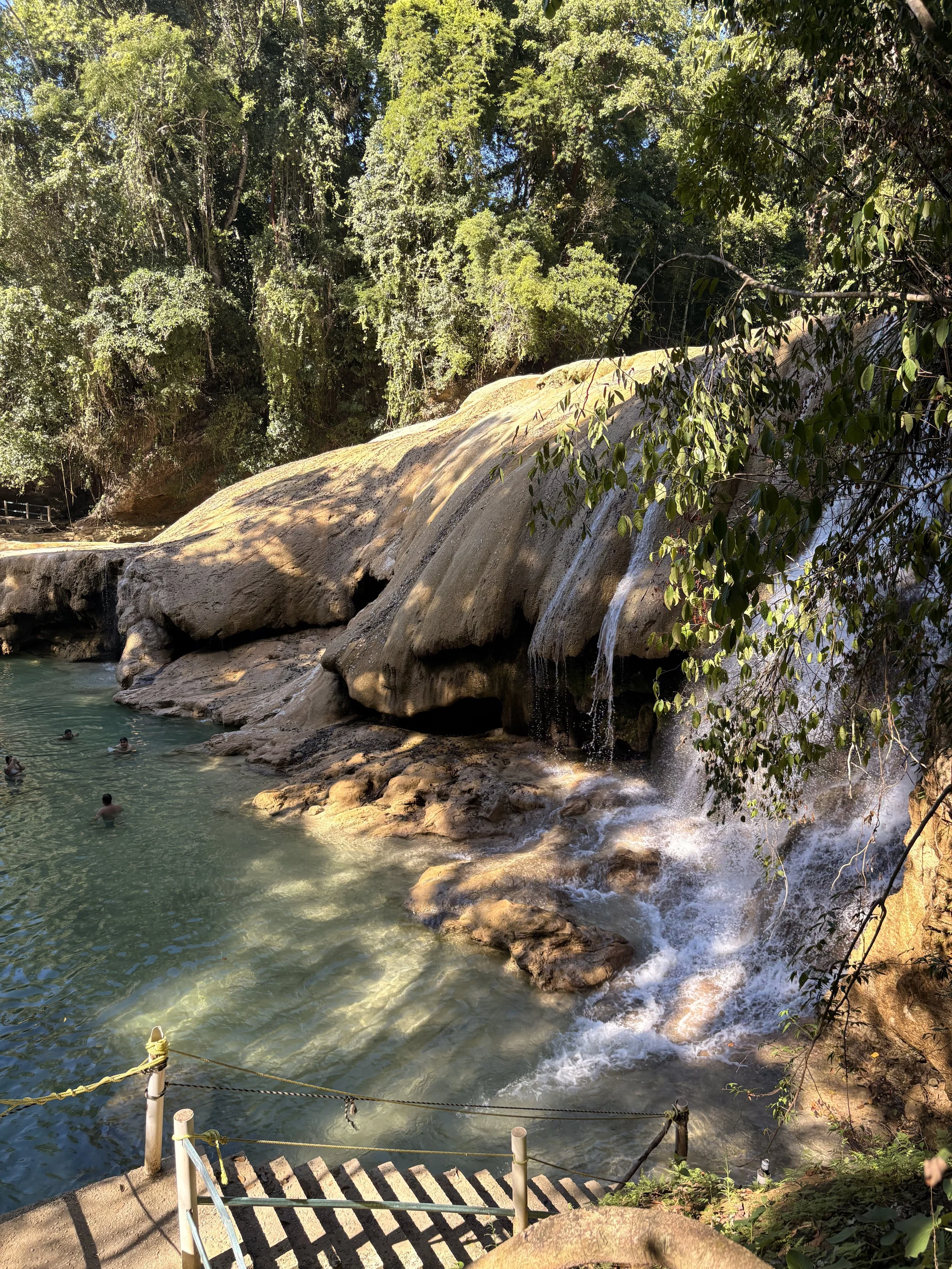
This was easily one of the prettiest swimming spots in Mexico, and a much needed escape from the heat - this little pupper clearly thought the same.
Palenque Archaeological Site
Palenque was one of the most important cities of the ancient Maya civilisation, reaching its peak during the 7th century under King Pakal. Hidden among dense jungle, the archaeological site is filled with temples, palaces and pyramids.
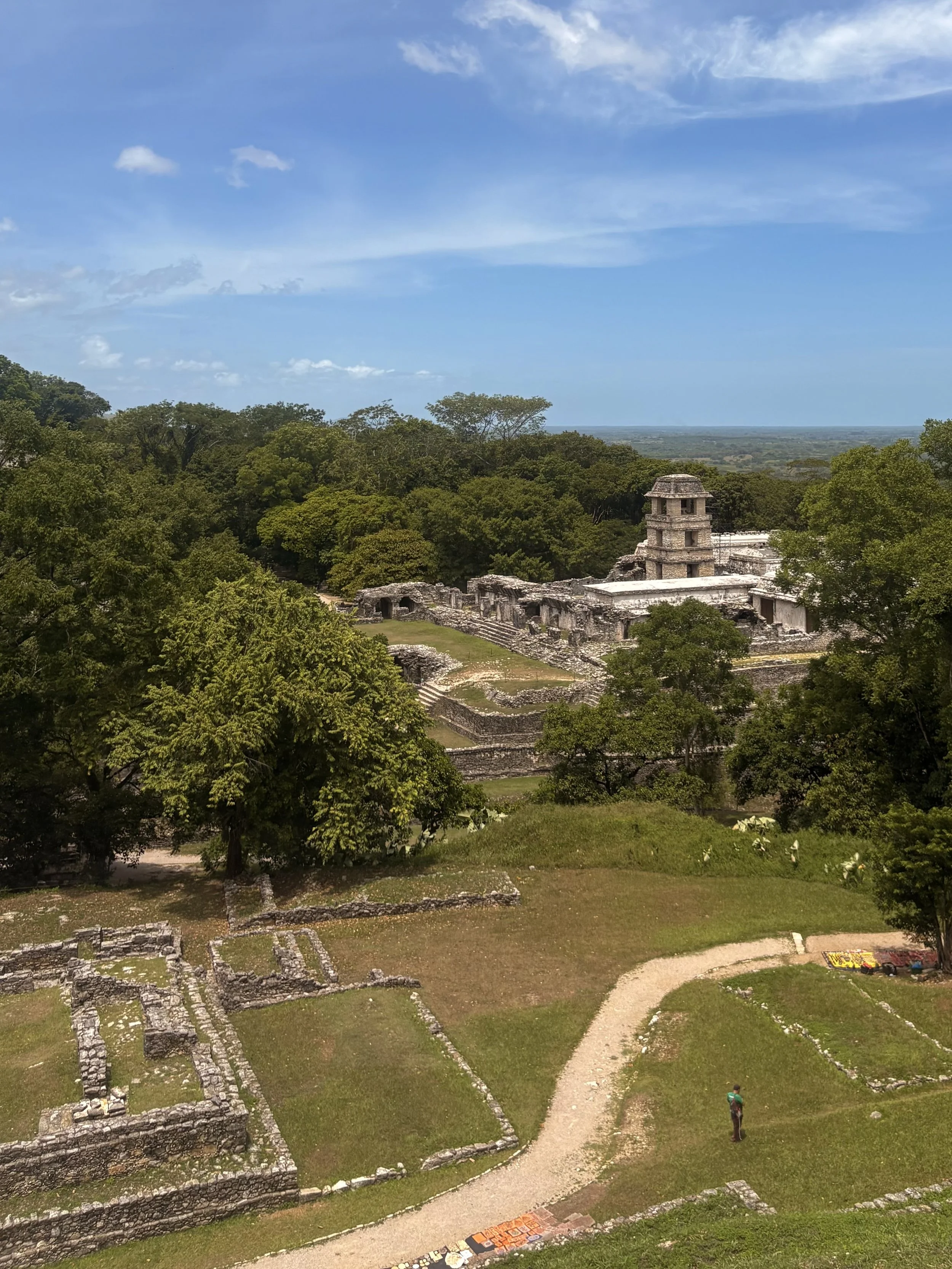
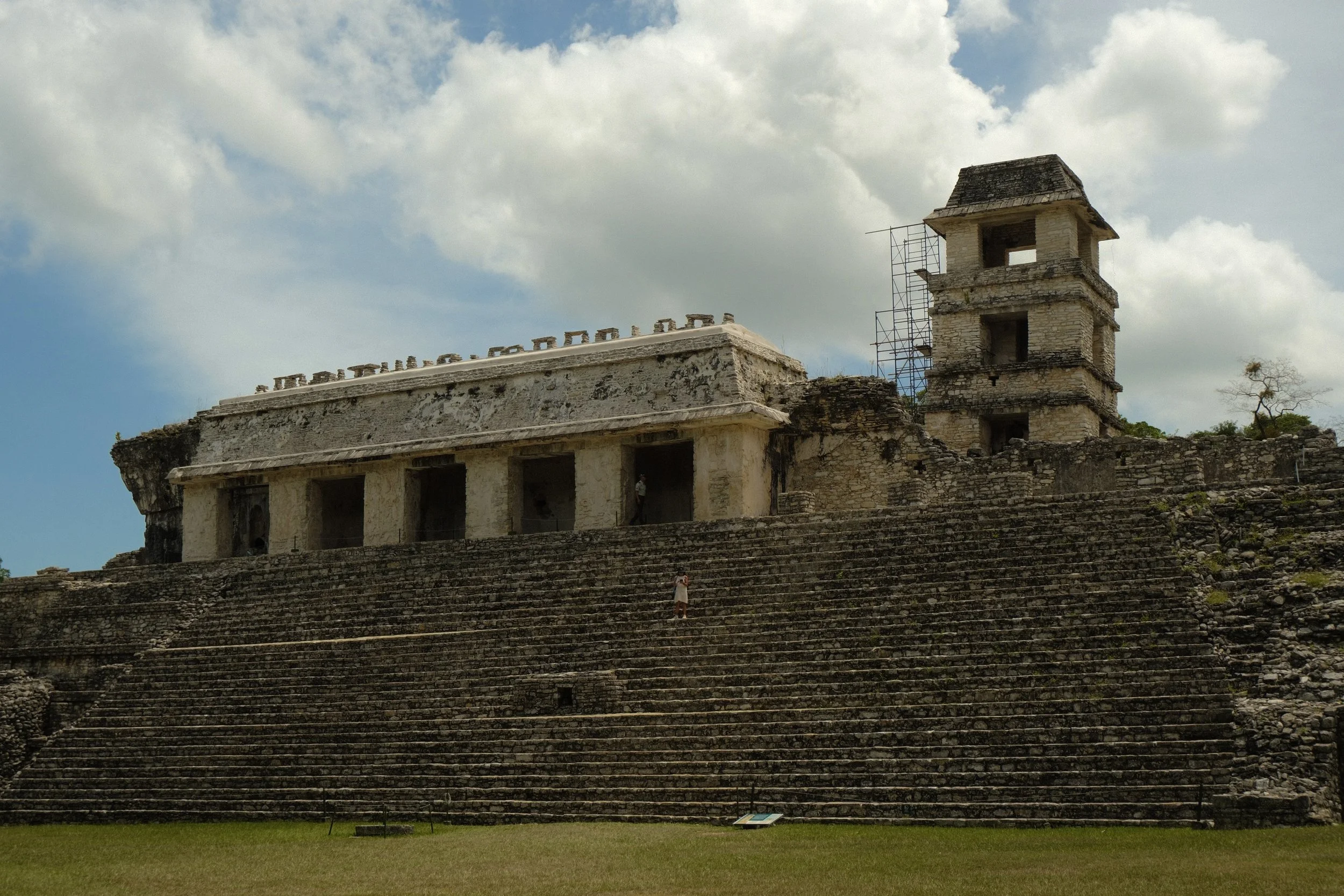
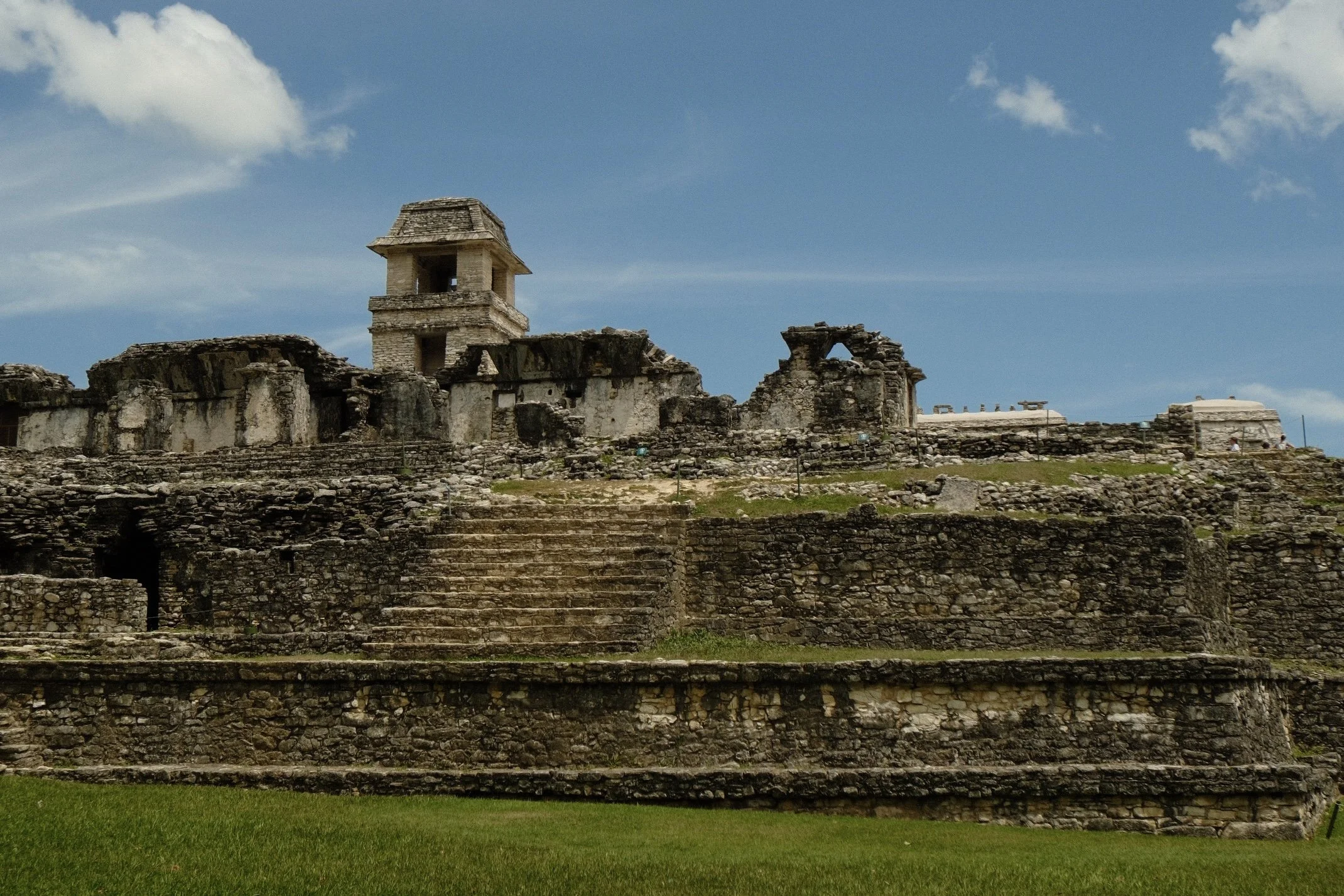
The Palace is one of the most recognisable structures, with its distinctive four-storey tower, courtyards and intricate stonework. It was considered to be the seat of political and economic power of the city. These spaces hosted diverse activities, such as the rulers' enthronement, rituals and periodic ceremonies.
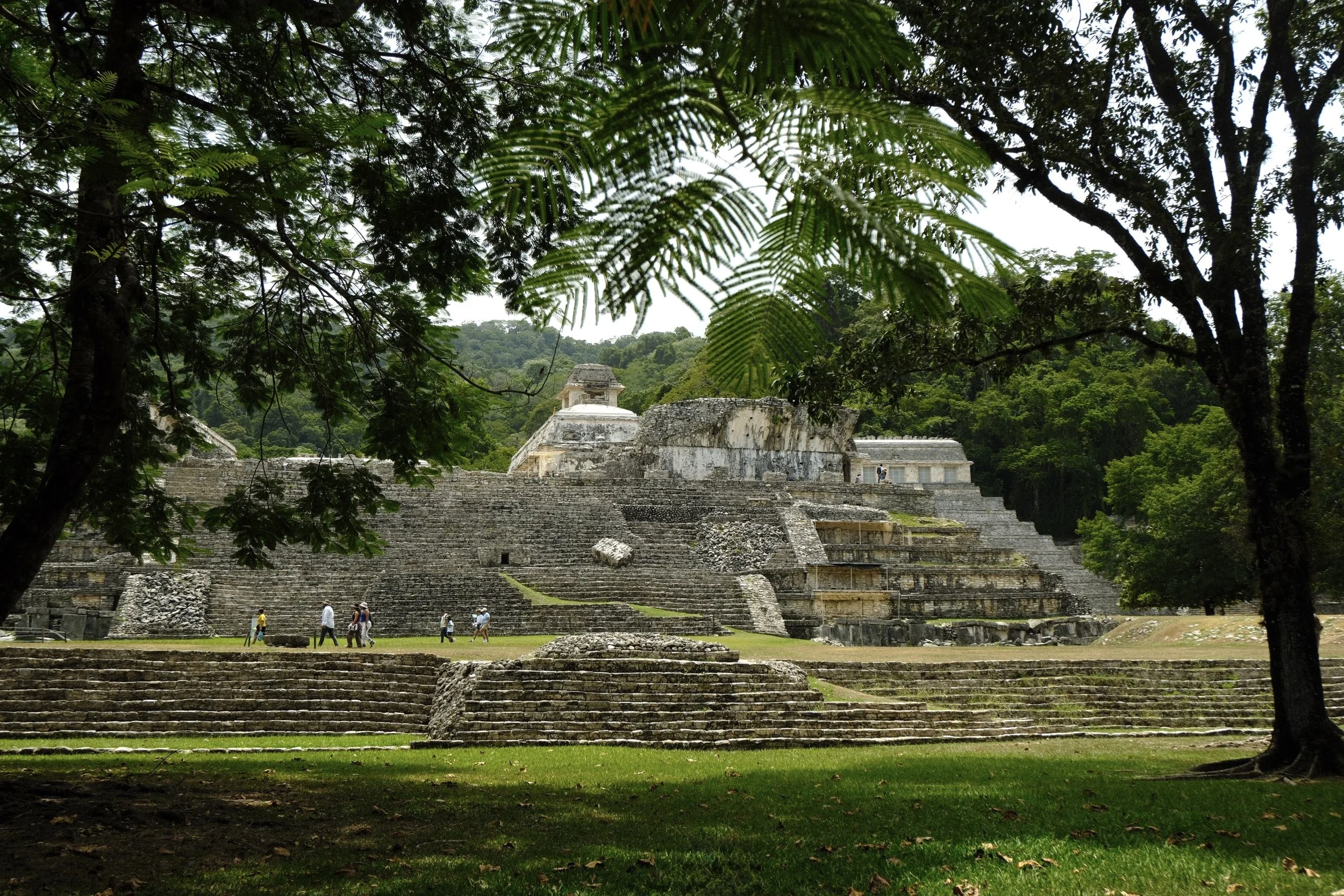
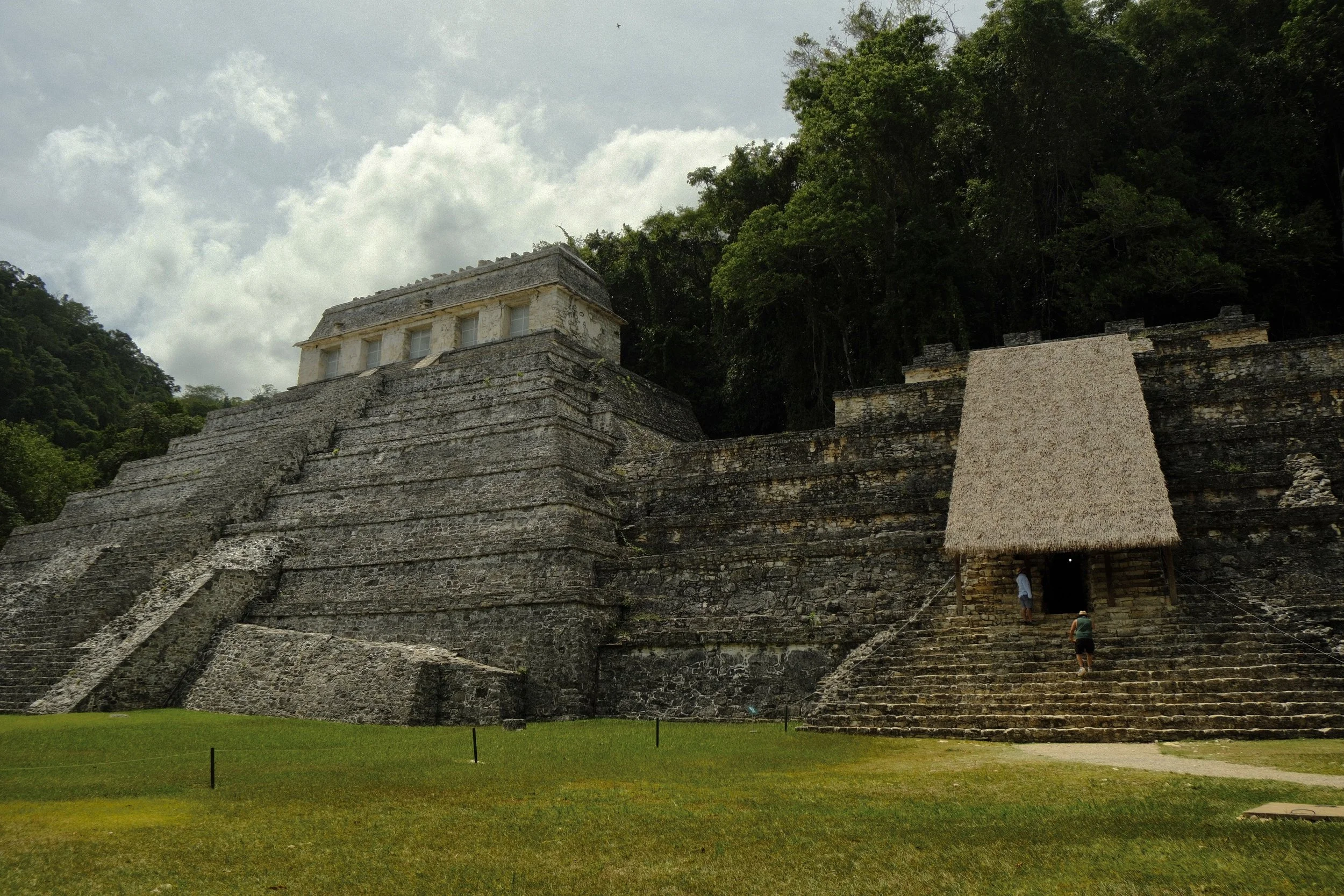
The Temple of the Inscriptions is the most famous building at the site. Built as a funerary monument for King Pakal, it contains his tomb, discovered inside the temple in 1952.
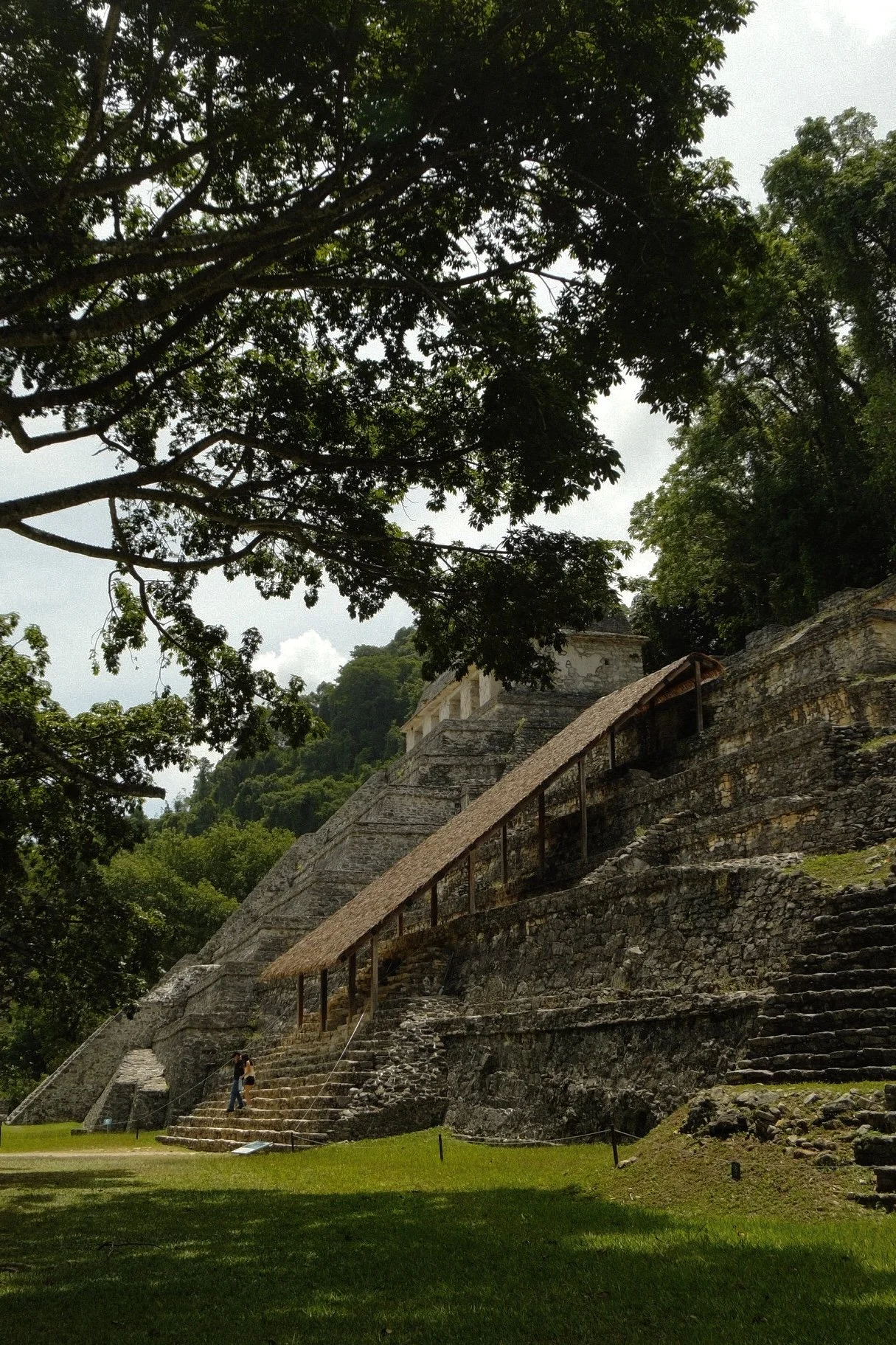
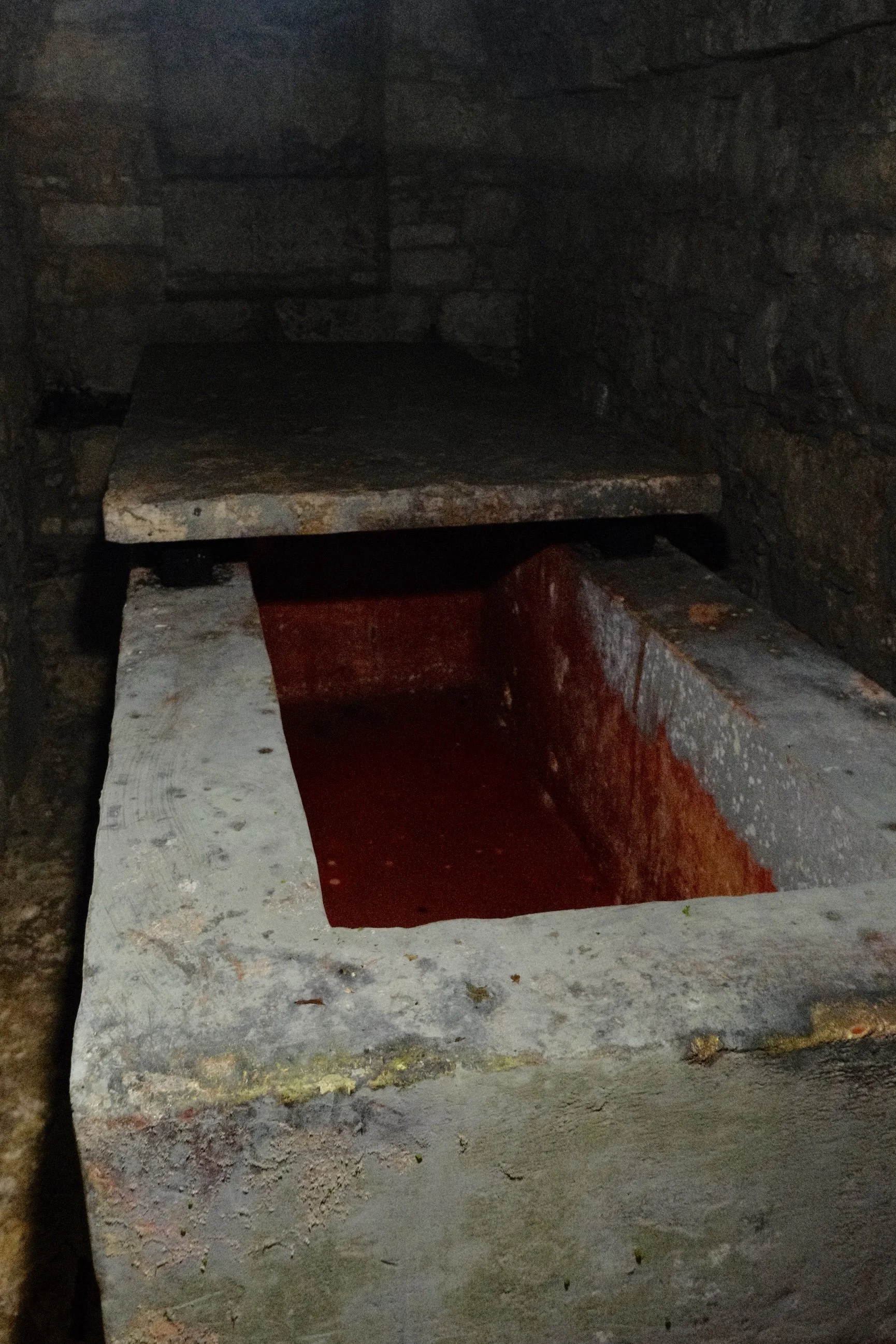
Just to the right of the Temple of the Inscriptions is Building XIII, where the Tomb of the Red Queen was discovered in 1994. A narrow stone passage leads you down into the burial chamber - had a super spooky feeling walking down here…
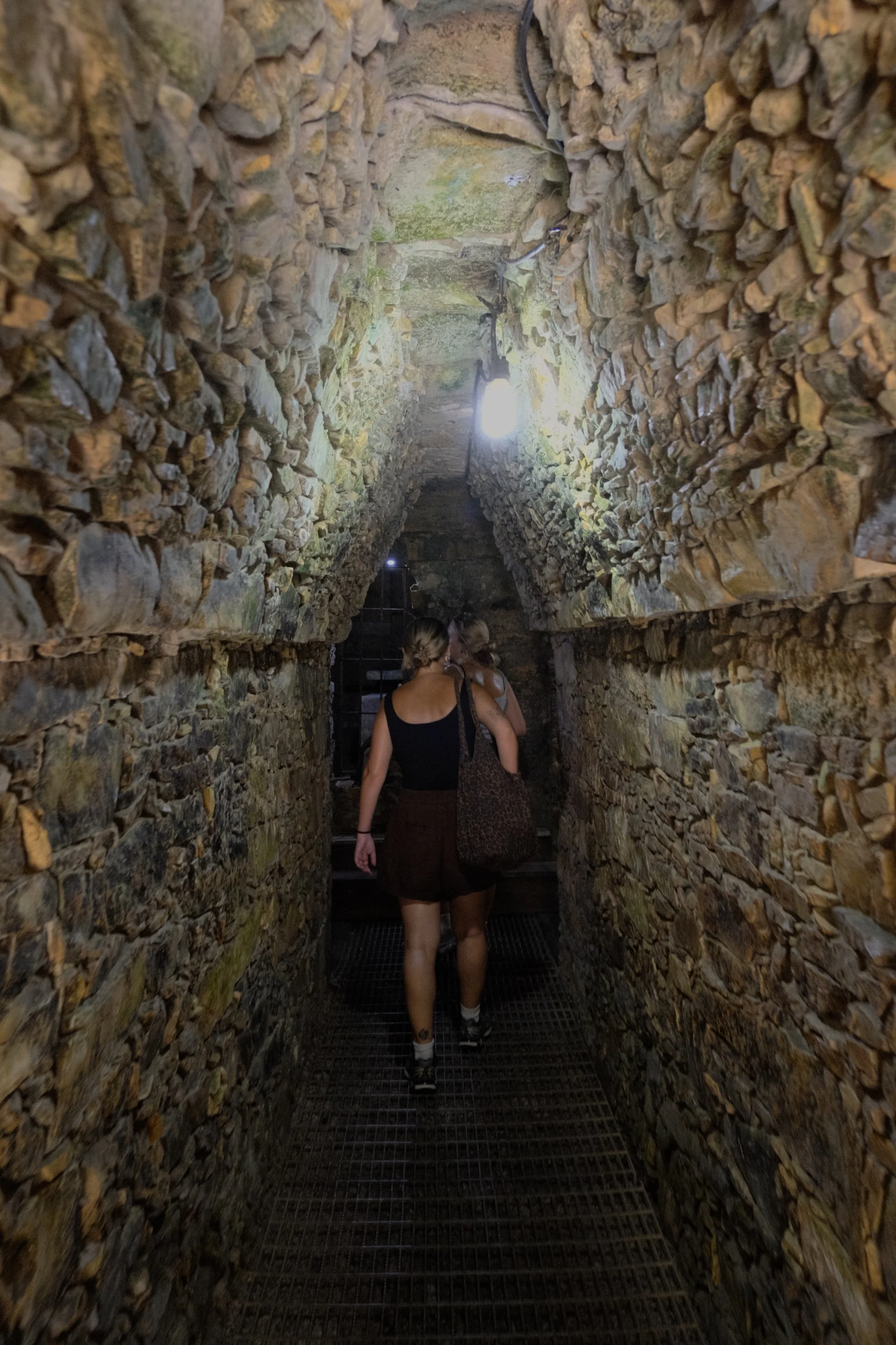
Inside, the remains of a high-status woman were found in a large limestone sarcophagus, covered in a vivid red mineral called cinnabar - a naturally occurring pigment made from mercury sulphide. The Maya used it in funerary rituals, with its blood-red colour symbolising life, death and regeneration, and believed to hold spiritual significance in the journey to the afterlife.
The striking red pigment gave her the name of the Red Queen. Her exact identity remains uncertain, although she is often thought to have been Pakal’s wife.
The Temple of the Cross Group is made up of three temples built by Pakal’s son, K’inich Kan Bahlam II in 692 AD. Each has its own carved tablet depicting Maya gods, creation stories and royal imagery.
The Temple of the Cross is the largest of the three, with a tablet showing a sacred World Tree connecting the heavens, earth and underworld.
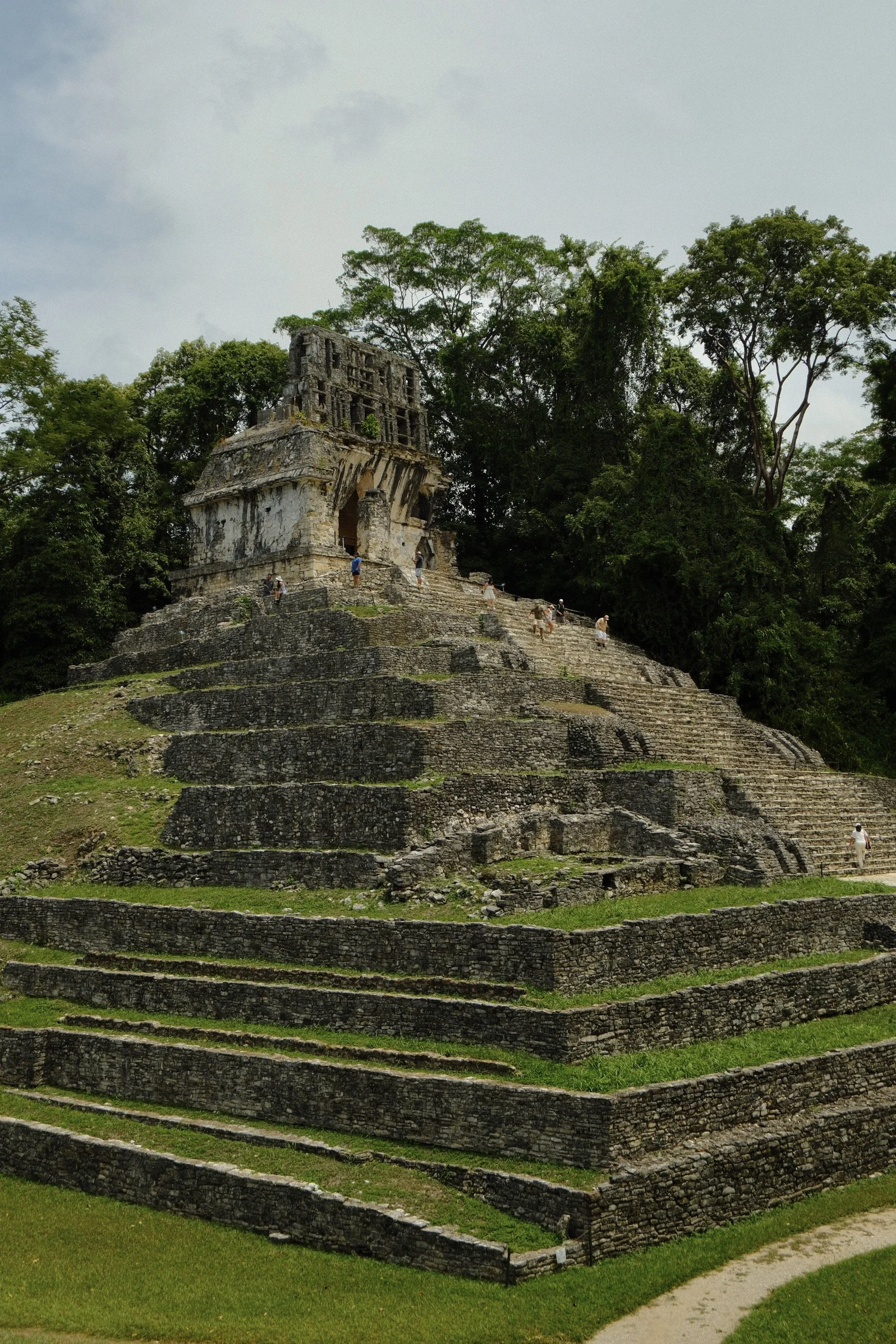
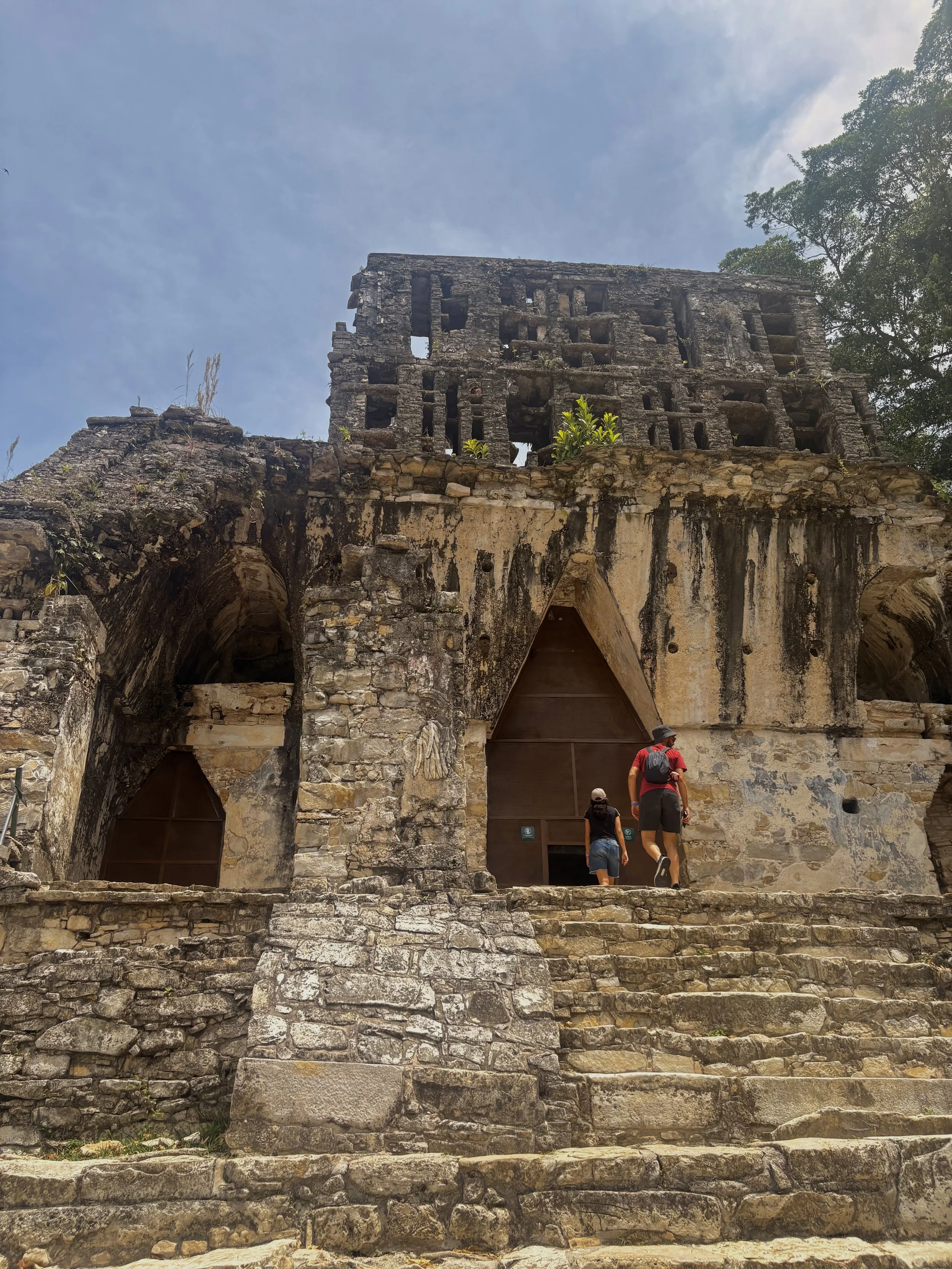
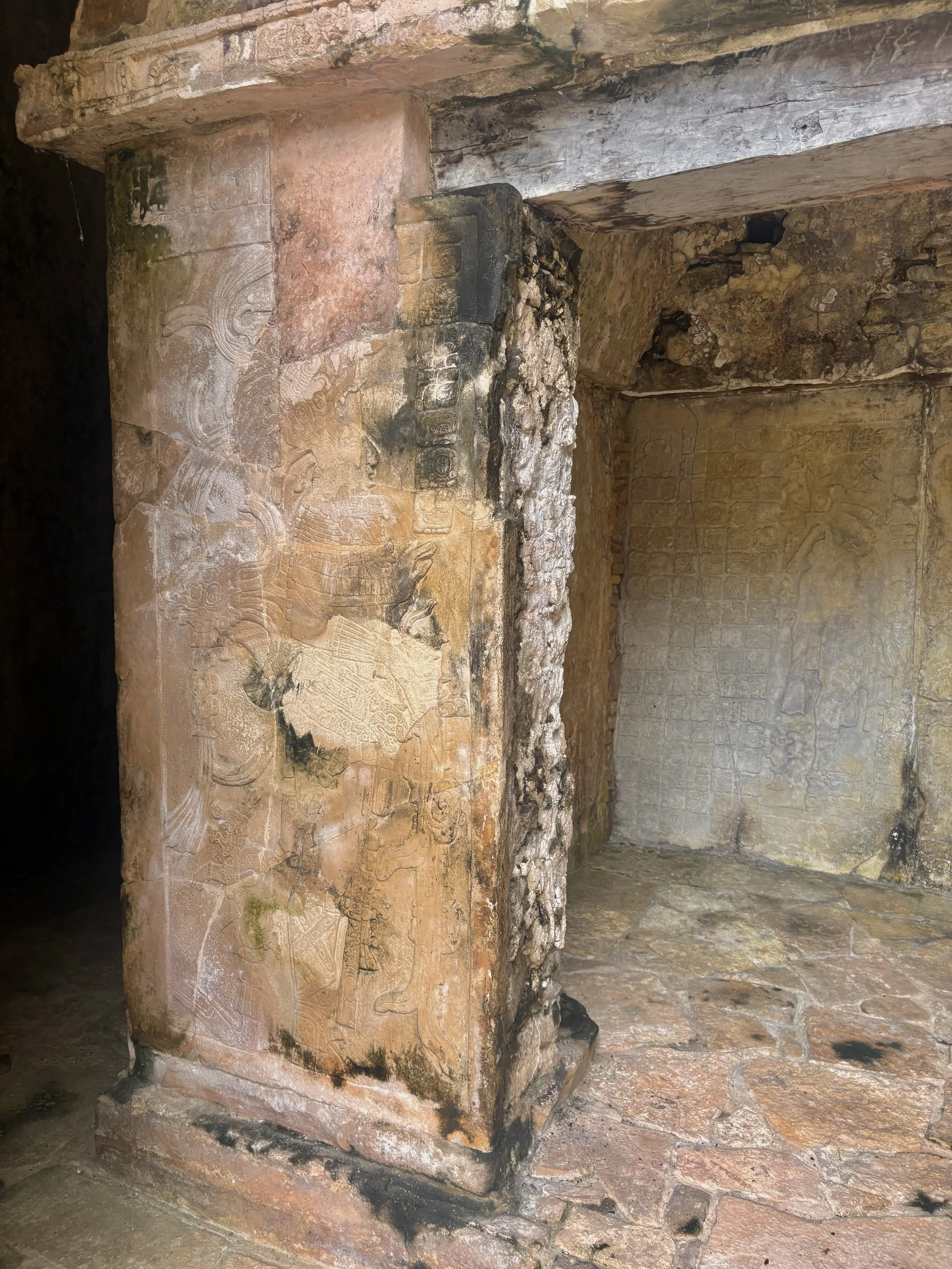
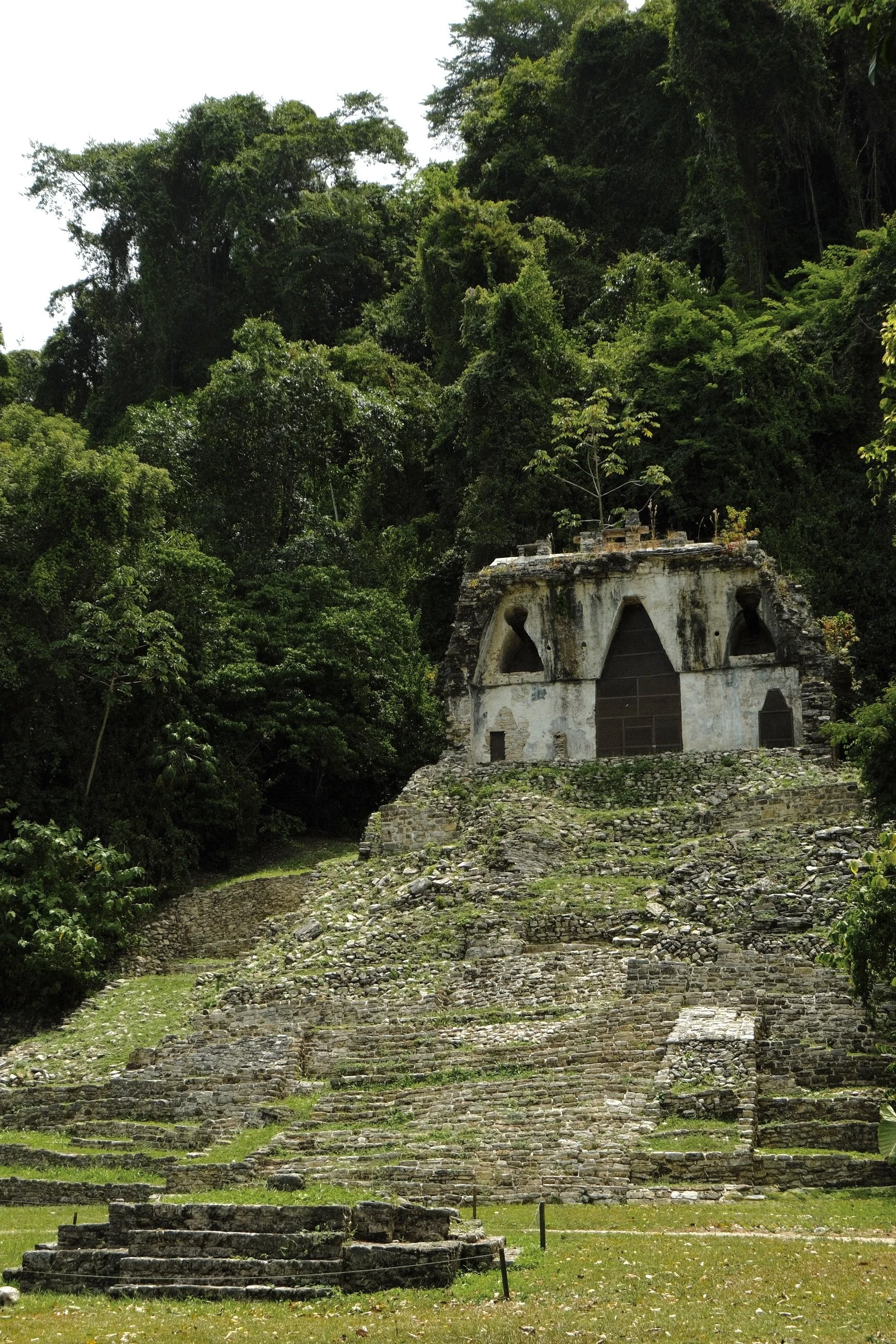
The Temple of the Foliated Cross features a carving of Kan Bahlam II alongside a sacred maize plant, representing the importance of corn in Maya mythology.
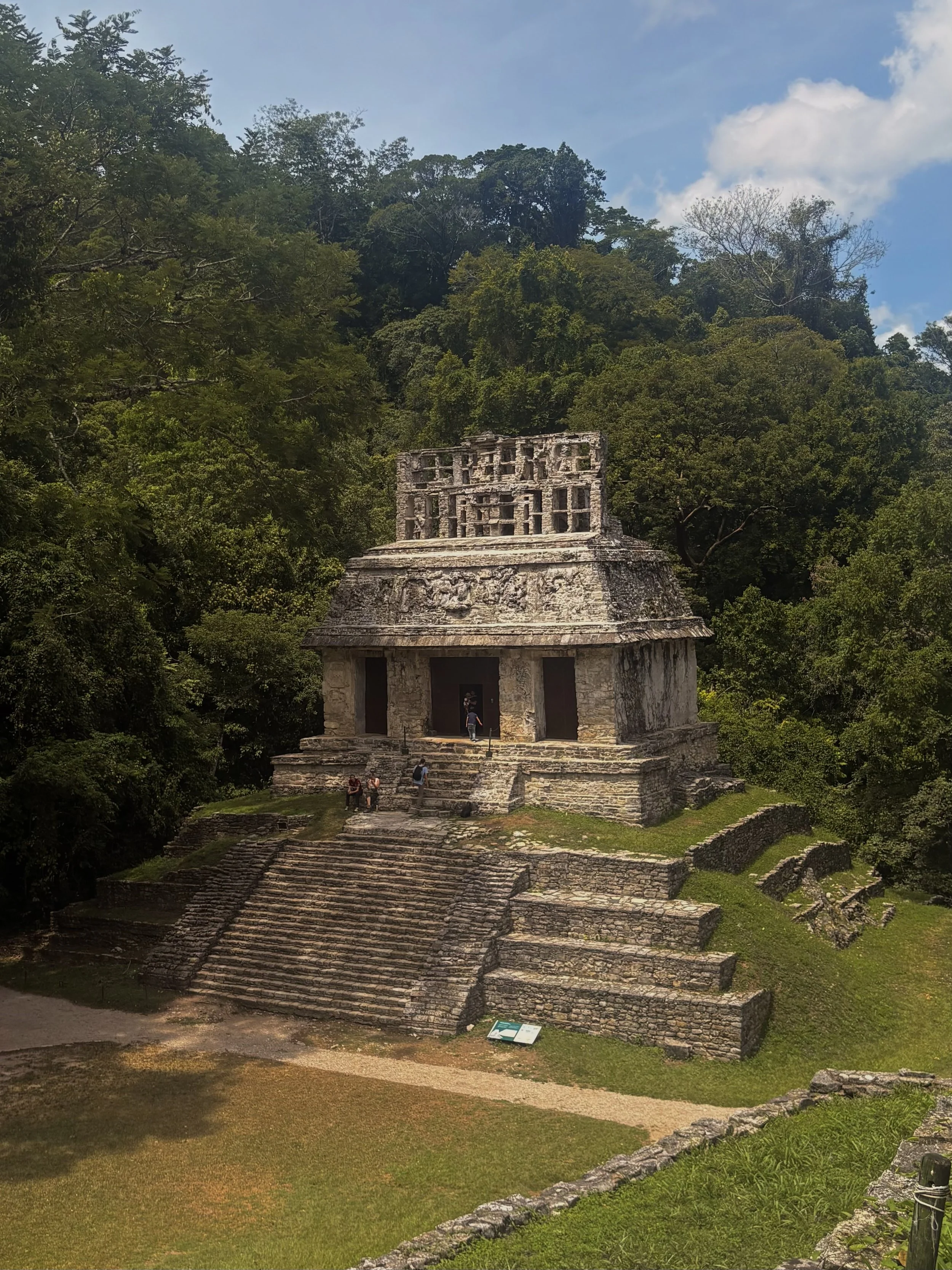
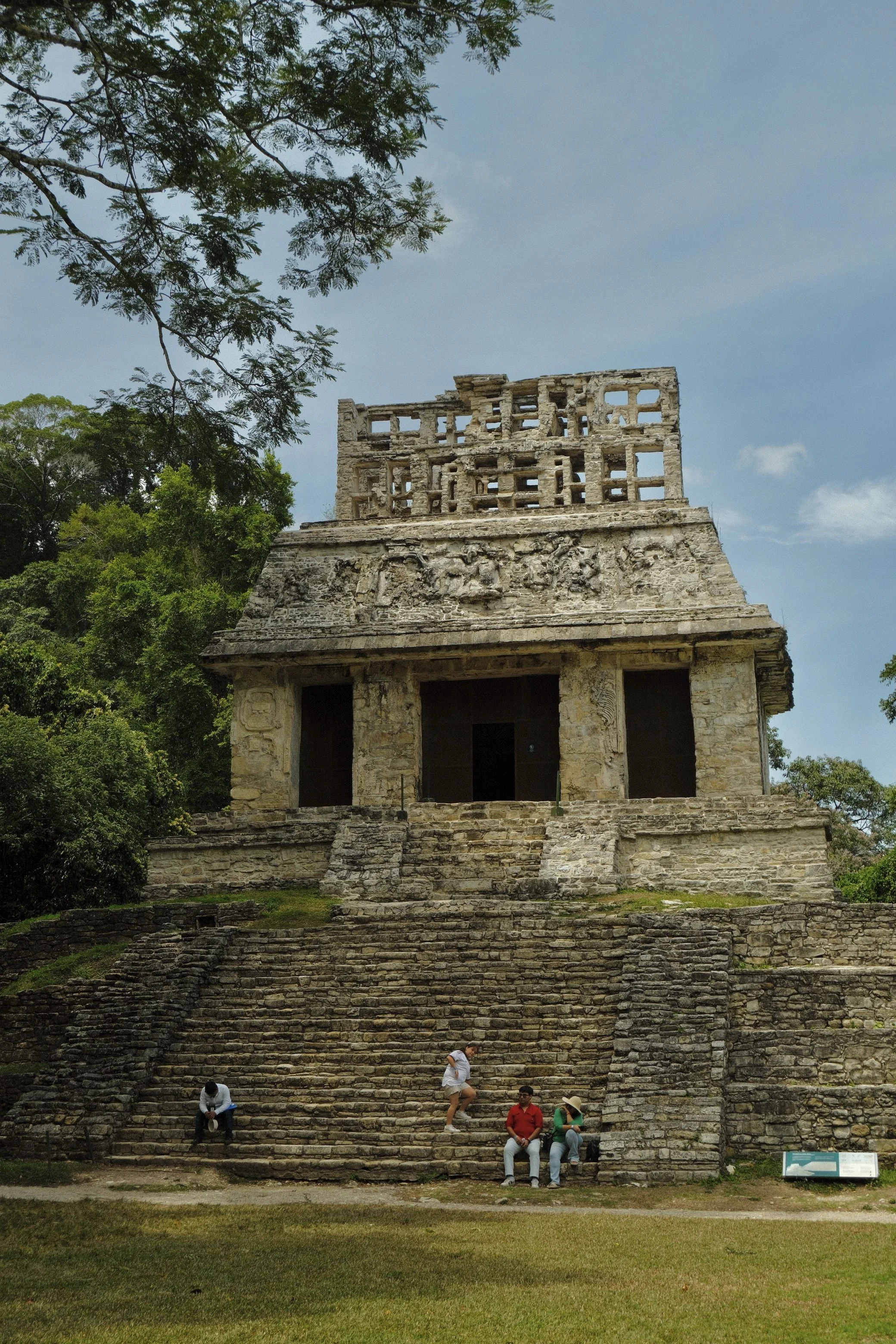
The Temple of the Sun has a carved shield and crossed spears, symbolising warfare and the underworld, and is dedicated to a solar deity.
The temples surround a shared plaza, with views across the jungle and the rest of the ruins.
The Temple of the Skull gets its name from a carved skull at the base of the structure. You can’t climb the steps to touch it due to preservation efforts but if you look closely, the carving is large enough to spot from ground level, on the middle pillar at the bottom.
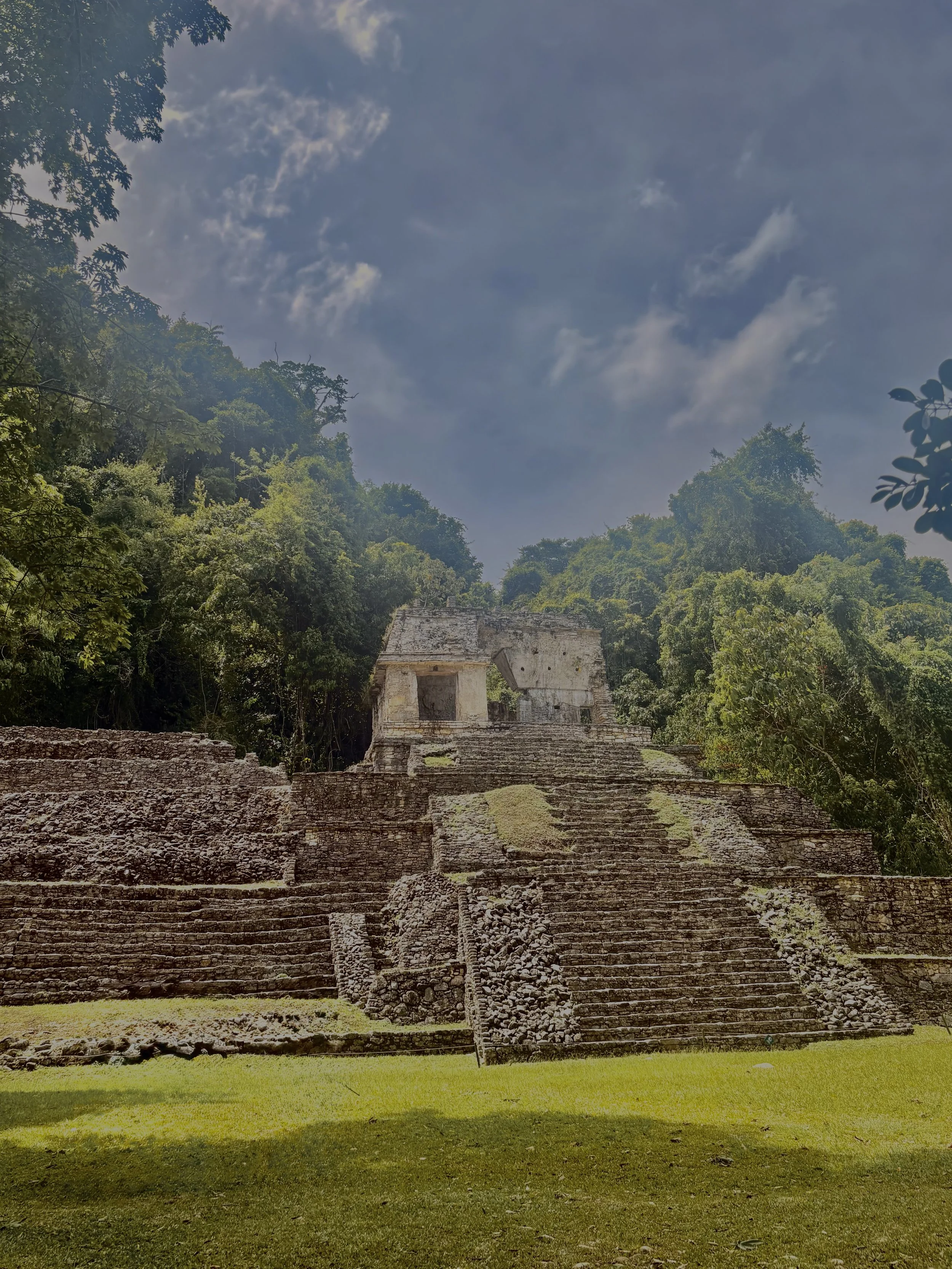
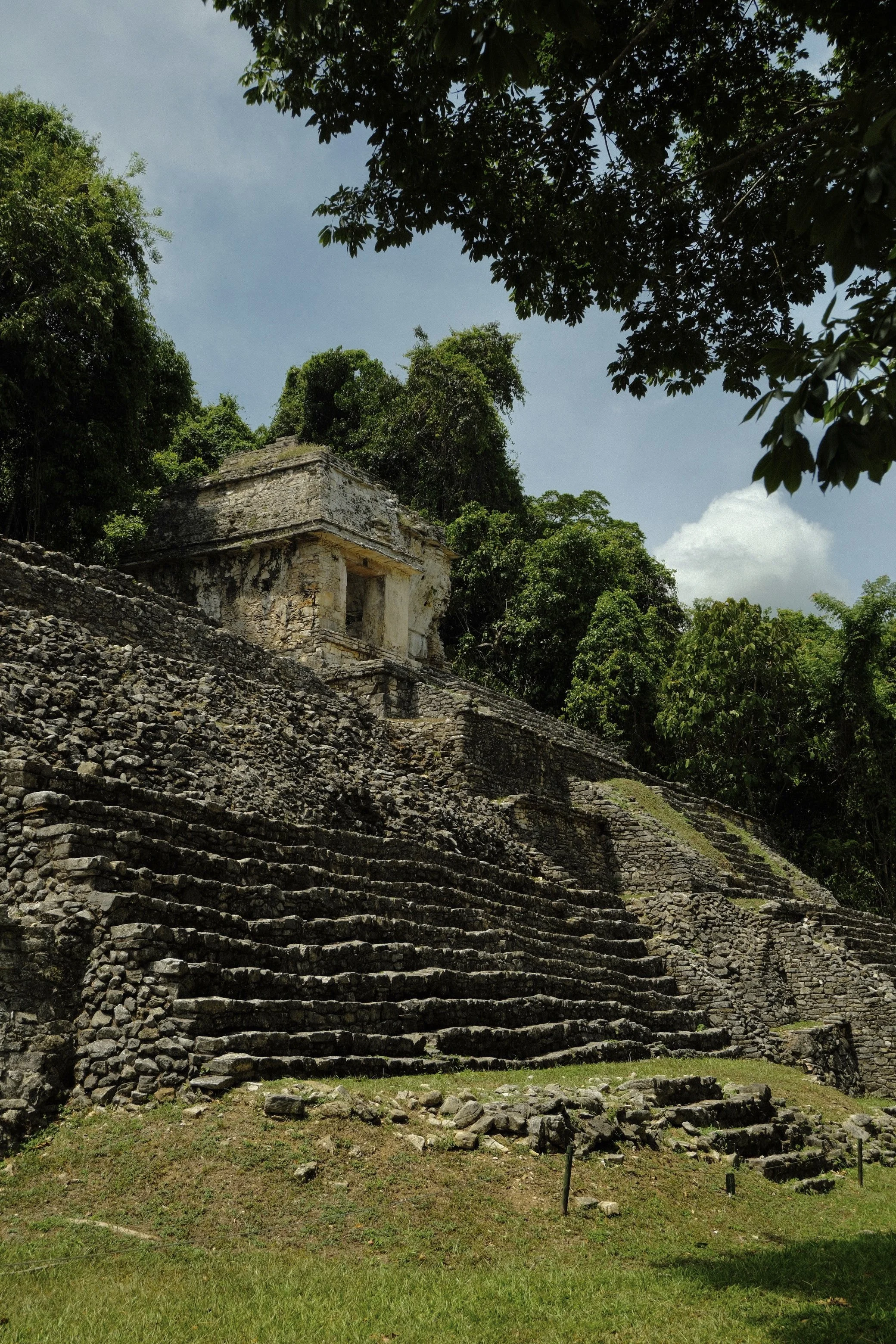
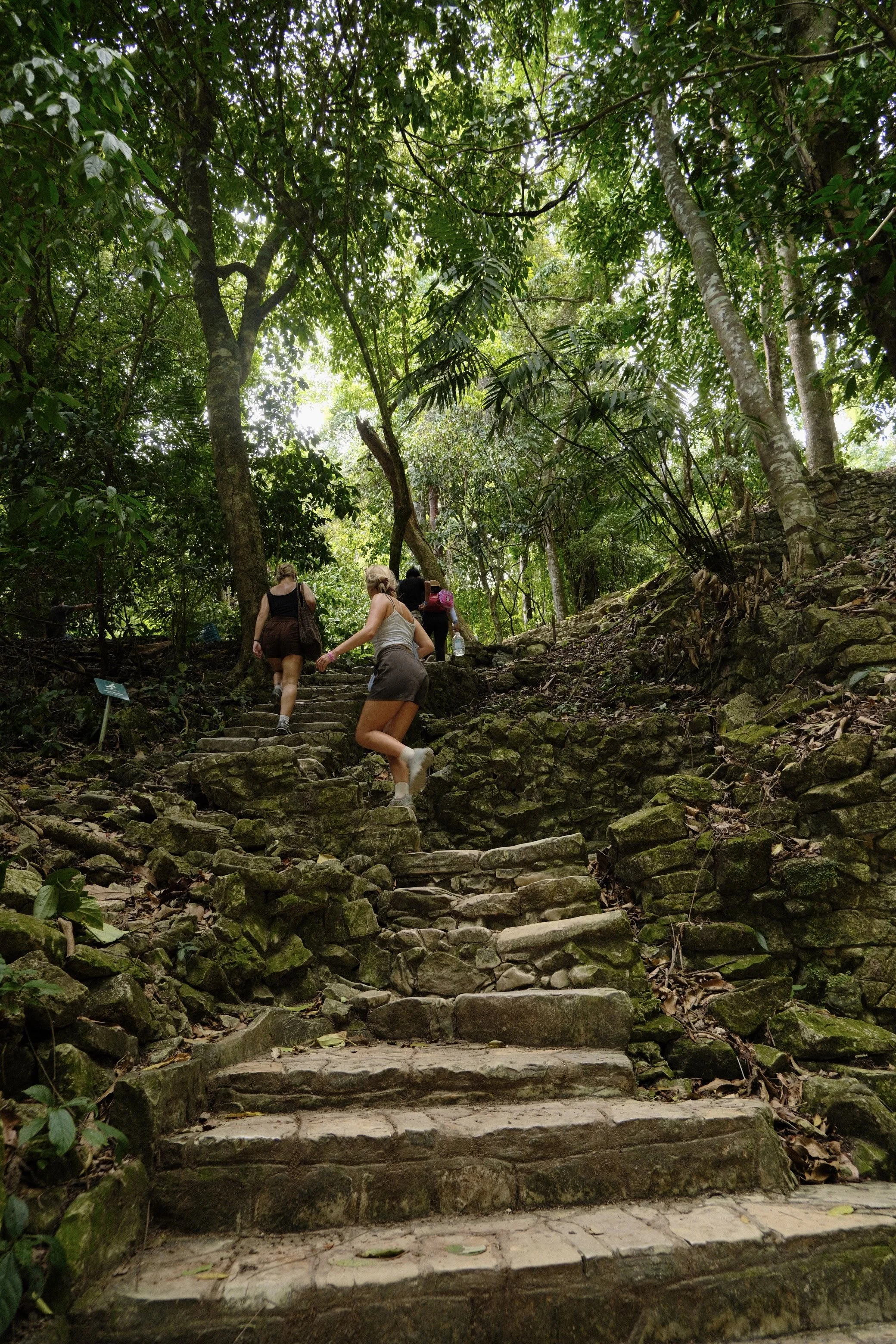
The ruins are spread throughout the jungle, with steep staircases, moss-covered stone and huge trees growing around the buildings. It’s an incredible place to explore, even if the heat makes climbing anything feel unbearable.